

Meet Navi: Your 24/7 AI Instructor Inside the MLS Classroom
Unlock 24/7 access to Navi, an AI instructor trained on MLS course material, so you can ask questions, run practice quizzes, and nail your captain’s exam.

You’ve collected guest feedback through surveys, reviews, and trip conversations. Now comes the harder part: turning raw opinions into real operational changes.
Feedback without action wastes everyone’s time. The captains who grow their businesses year after year are the ones who track, interpret, and act on what guests tell them.

Raw feedback needs analysis to become actionable intelligence.
Single opinions might reflect individual preferences. Repeated themes demand attention.
Captain Carl tracks feedback in a spreadsheet. Categories include safety, comfort, narration, timing, and value. Patterns emerge clearly after 20 entries. This same discipline applies when creating a professional charter experience: every detail contributes to the bigger picture.
Weight feedback by source. A regular customer’s suggestion carries more weight than a one-time visitor’s complaint. Your ideal client’s opinion matters most.
Consider context. Bad weather generates comfort complaints. Holiday crowds create parking problems. Filter temporary issues from ongoing ones.
What guests say often masks what they mean.
“The trip was too short” might mean pacing felt rushed, not an actual duration problem. “The captain talked a lot” could indicate wrong content, not excessive quantity. Captains who study how to handle difficult guest interactions learn to read these signals faster.
Captain Nancy learned to decode feedback language. “Interesting” means boring. “Different” means unexpected, possibly in a negative way. “Nice” means forgettable.
Specificity indicates importance. Detailed feedback about safety equipment shows genuine concern. Vague complaints about “the vibe” suggest mismatched expectations.
Turn feedback into specific improvements.
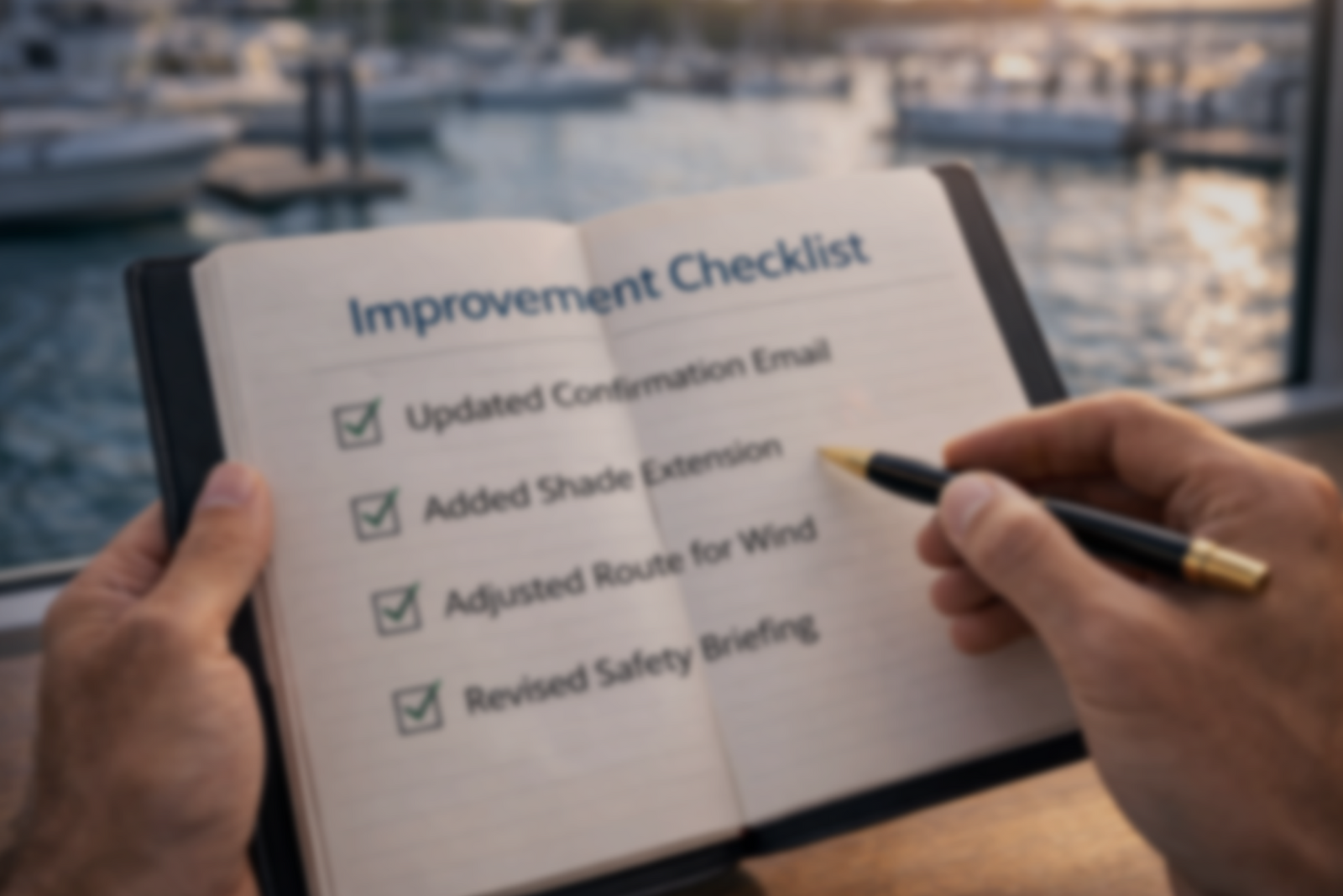
“Guests seem confused at arrival” becomes “Add photo of meeting spot to confirmation email.”
“Multiple mentions of rough ride” leads to “Map an alternate route for windy days.”
“Complaints about sun exposure” triggers “Install shade or adjust afternoon schedule.”
Captain Bill creates improvement lists from feedback clusters. Each quarter, he implements the top three suggestions and monitors results.
Your response becomes part of your marketing. Smart review management feeds directly into building a referral-based charter business.
Thank reviewers by name. Mention specific details they shared. Invite them back.
“Thanks, Jennifer! We’re glad you enjoyed seeing the osprey nest. Those morning tours offer the best wildlife viewing. We’d love to have your family again!”
Captain Emma changes her responses to avoid sounding robotic. Each reply feels personal and maintains professionalism.
Feature what they loved for future readers. If they praised your safety focus, lean into it. If they enjoyed your stories, promote that aspect.
Stay calm and professional. Future customers judge your character by these responses.
Acknowledge without admitting fault. “We’re sorry your experience didn’t meet expectations. We work toward excellence on every trip.”
Address specifics briefly. “We’ve updated our parking instructions based on feedback like yours.”
Captain David never argues online. One response maximum, professional and measured. Debates make everyone look bad.
Invite offline resolution when appropriate. “Contact us directly so we can discuss your concerns properly.”
Some improvements take minutes. Others require planning and investment.
Captain Kim’s quick wins: Added parking photo to emails. Moved safety equipment for better visibility. Created laminated route map for guests.
Larger system changes need consideration. Multiple requests for longer trips might mean adding an extended tour option. Consistent weather complaints could justify schedule adjustments.
Track results after implementation. Did the parking photo reduce confusion? Monitor feedback after changes to verify the improvement worked.
Many feedback issues trace to unclear communication. Effective marketing and communication strategies start well before the guest arrives.
Captain Alex discovered most “late arrivals” resulted from confusing marina directions. His detailed email with photos eliminated the problem.
Pre-trip expectation setting prevents disappointment. “This is a calm, educational tour, not a thrill ride” filters out wrong-fit guests.
Safety briefing clarity reduces anxiety. When guests understand procedures, they relax and enjoy more.
Small adjustments based on feedback improve satisfaction dramatically.
Captain Rachel shifted her route after multiple comments about afternoon sun exposure. Same destinations, better comfort.
Timing modifications matter. Starting 10 minutes earlier avoided crowded channels. Extending photo stops by five minutes increased satisfaction without affecting the schedule.
Equipment additions solve recurring complaints. Cup holders addressed drink spills. Cushions improved comfort. Binoculars improved wildlife viewing.
Make improvement through feedback part of your operation’s DNA.
If you have crew, involve them in feedback collection and response.
Deckhands often hear comments that the captains miss. Train them to remember and report guest observations. Crew management is one of those areas where legal and safety responsibilities overlap with customer experience.
Captain Paul holds brief post-trip debriefs with crew. What went well? What felt off? What did guests mention?
Share positive feedback with your team. Recognition motivates continued excellence.
Let guests know their feedback matters.
“Based on your suggestions, we’ve added...” shows you listen and act.
Captain Michelle features a “You asked, we listened” section in her newsletter. Guests see their impact and engage more deeply.
Satisfied guests who see their suggestions implemented become your most vocal advocates.
Track whether your feedback-driven changes improve outcomes. Captains who measure results consistently earn more over time.
Monitor review scores before and after implementations. Did addressing common complaints improve ratings?
Captain Betty’s review average increased from 4.2 to 4.7 after implementing her top five feedback suggestions.
Track rebooking rates. Do guests who experience improvements return more often? Measure referral frequency. Happy guests who see their feedback valued become stronger advocates.
Captain Sam started tracking feedback three years ago. Year one revealed basic problems: unclear directions, uncomfortable seating, rushed pacing. Year two feedback got more nuanced: preferred photo spots, optimal narration timing, weather contingency preferences. Year three brought fine-tuning: subtle route adjustments, personality-matched trip options, seasonal adaptations.
His business grew 50% through referrals alone. Guest satisfaction scores hit 4.9 stars. Price resistance disappeared.
Start today. Ask one question. Track responses. Make one improvement. Then do it again next week.
Visit Mariners Learning System for customer experience and business operations resources built for charter captains.

Ask a question, share an experience, or add a helpful tip related to this article. Comments may appear after review to prevent spam.
Unlock 24/7 access to Navi, an AI instructor trained on MLS course material, so you can ask questions, run practice quizzes, and nail your captain’s exam.


Learn what questions to ask and how to prepare for a captain’s license drug test to ensure you avoid the most common application delays.
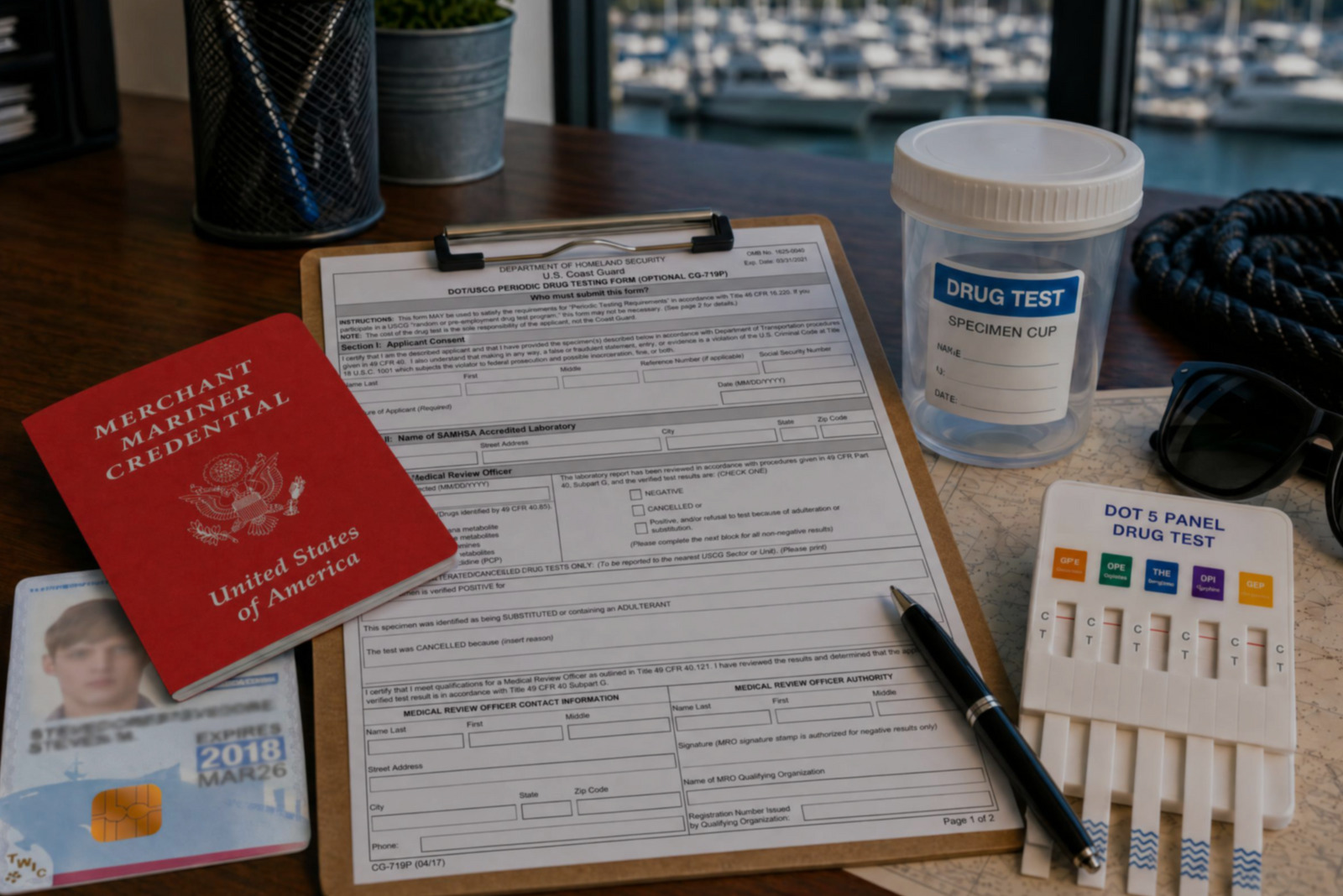

Discover the three types of drug tests working captains must submit to even after they’ve met the initial USCG drug testing requirements for their license.

Discover how a retired airline pilot became obsessed with the Great Loop and built a thriving captain training business through Mariners Learning System.


Learn which substances the MMC drug test looks for, plus how masking agents and false positives factor in.


Discover the five most common mistakes mariners make on the captain’s license physical, plus a checklist for how to avoid them.
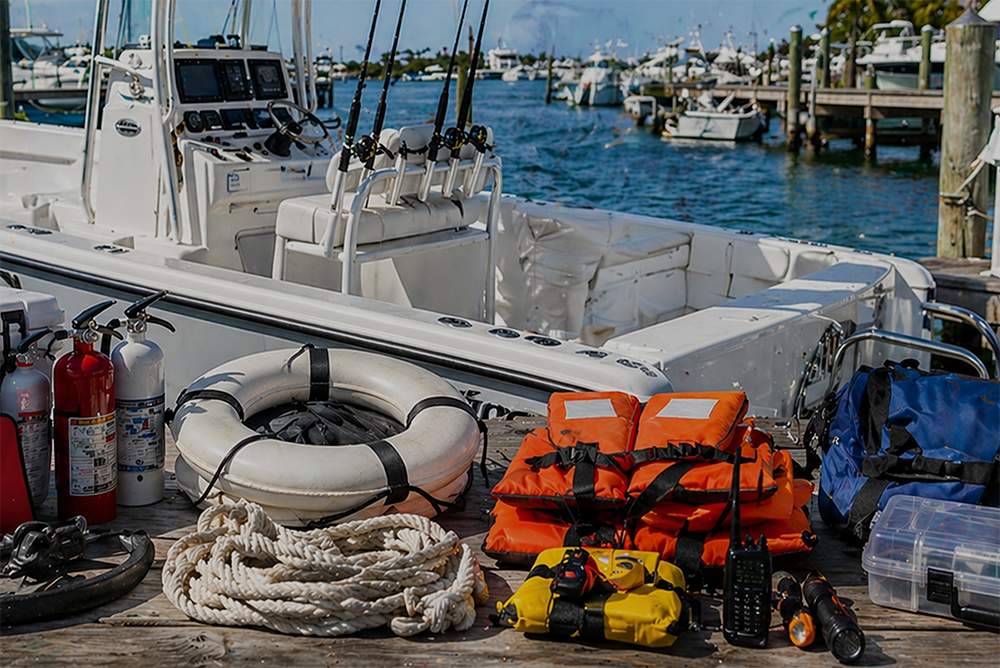

Discover why so many charter captains run out of money and how to plan every startup cost from your vessel purchase to guest-ready outfitting.

Learn how to build a charter business plan that covers pricing, expenses, and marketing so your captain’s license leads to lasting profit.

Transform how you talk about price with proven anchoring strategies and value-first framing that stops charter guests from shopping around.


Discover how charter captains use hybrid pricing models and seasonal adjustments to increase revenue and simplify bookings for every guest type.