

Meet Navi: Your 24/7 AI Instructor Inside the MLS Classroom
Unlock 24/7 access to Navi, an AI instructor trained on MLS course material, so you can ask questions, run practice quizzes, and nail your captain’s exam.

A guest mentions your boat’s ladder is tricky. Another wishes the trip was longer. A third says parking confused them.
Most captains nod politely and forget these comments by tomorrow. Professional operators recognize these moments as free consulting from the people who matter most: paying customers.
Feedback is your most affordable improvement tool. It costs zero dollars to collect and pays dividends when applied correctly.

The feedback you need isn’t the feedback you get naturally.
Happy guests often stay quiet. They enjoyed themselves but don’t mention what made the difference. Without prompting, you won’t learn your actual strengths.
Unhappy guests might smile and leave, then post negative reviews later. They avoid confrontation but share frustrations online where prospects read them. Knowing how to manage difficult guest situations starts with catching problems before they become public.
Captain Mike learned this after finding a two-star review from seemingly satisfied guests. They never mentioned their seasickness during the trip. Had he known, he could’ve adjusted course or offered remedies.
Cultural politeness masks truth. Many people won’t criticize directly, especially in the South or Midwest. “Fine” might mean “several details bothered me.”
The most valuable feedback, specific improvement suggestions, rarely shows up on its own. Guests assume you know your business better than they do.

Feedback arrives through multiple pathways. Each tells part of the story.
Comments during your charter provide real-time intelligence. “Is it always this bumpy?” signals discomfort. “Where’s the bathroom again?” suggests unclear initial instructions. A strong dock-to-dock experience eliminates many of these questions before they arise.
Captain Sarah keeps a mental feedback file during trips. Quick observations become improvement projects later. Three guests asking about shade led to installing a bimini extension.
Body language speaks volumes. Crossed arms might indicate cold or defensiveness. Frequent position changes suggest discomfort. Phone fixation could mean boredom.
Questions reveal gaps. When multiple guests ask the same question, your communication needs adjustment. “What time do we return?” means you haven’t set clear expectations. “Can I bring my own cooler?” means your booking confirmation doesn’t cover what’s provided.
Pay attention to what guests photograph. If everyone takes pictures of the same spot, build more time into that stop. If no one photographs your narrated point of interest, reconsider the route.
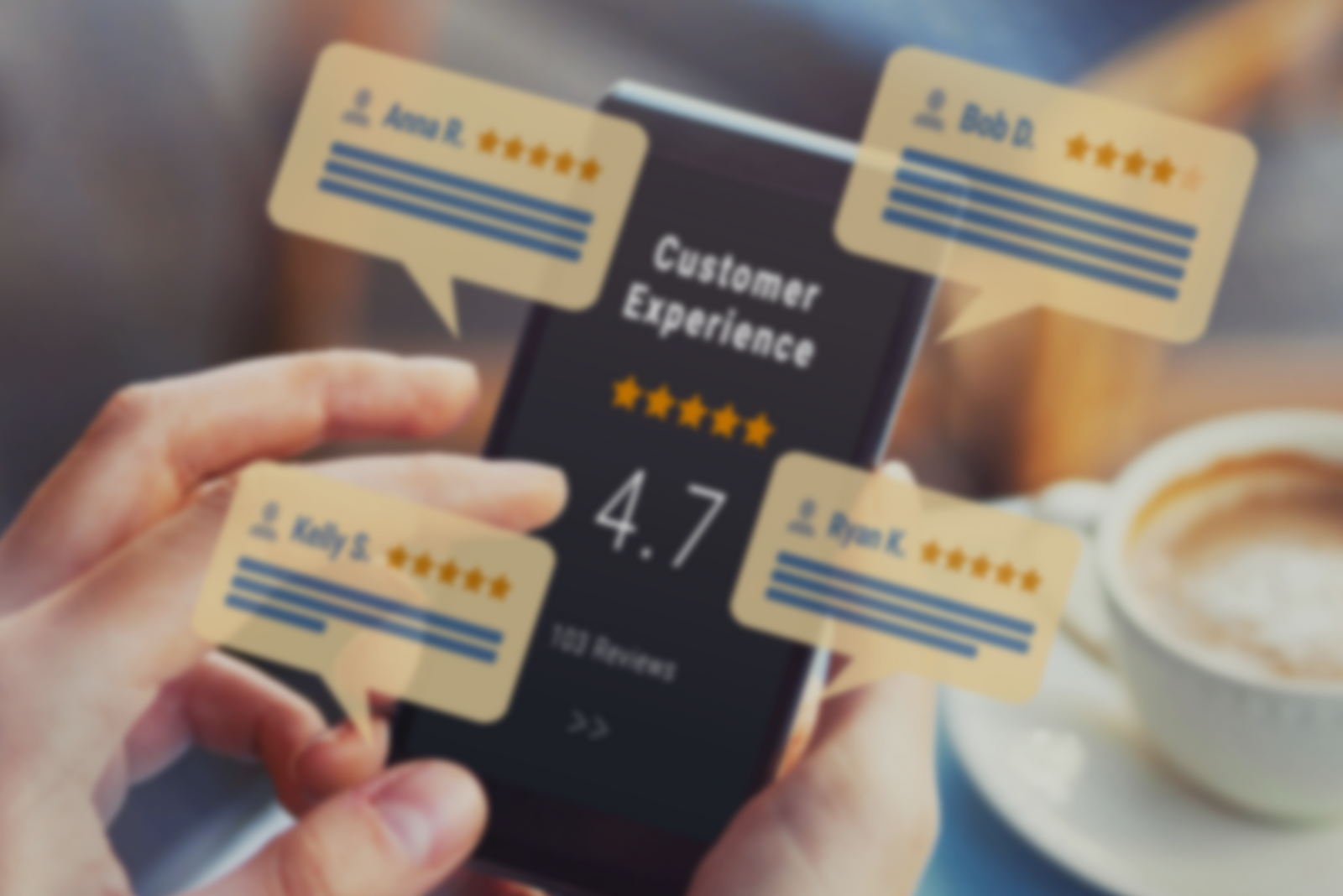
Online reviews offer unfiltered opinions. Guests write more honestly behind keyboards than face-to-face.
Pattern recognition matters more than individual reviews. One complaint about parking might be an anomaly. Five mentions require action. Strong reviews directly feed referral-based growth, so paying attention to what guests write pays double.
Captain Tom analyzed 50 reviews and discovered unexpected insights. Guests consistently praised his safety briefing, an element he considered routine. He now promotes “safety orientation” in his marketing.
Read between the lines. “The captain was knowledgeable” might mean narration was the trip’s best feature. “Booking was easy” suggests your competition makes it difficult.
Actions reveal preferences stronger than words.
Rebooking immediately indicates exceptional satisfaction. Waiting months suggests an adequate but not memorable experience. Never returning, for someone who lives locally, signals problems.
Captain Lisa tracks booking-to-trip intervals. Guests who book far ahead value planning and preparation. Last-minute bookers want simplicity. She adjusted her confirmation emails accordingly.
Referral patterns matter. When a guest sends multiple friends, discover what they’re saying. Their word-of-mouth message might differ from your marketing strategy.
Tipping tells the truth. Generous tips mean exceeded expectations. Standard tips suggest satisfactory service. No tip might indicate unresolved dissatisfaction.
Structured surveys extract specific insights that casual conversation misses.
Keep surveys brief: five questions maximum. “What was your favorite part?” reveals strengths. “What would you change?” uncovers improvements. “Would you recommend us?” gauges true satisfaction.
Captain Amy sends a simple email survey 48 hours post-trip. Response rates hit 40% since she keeps it short and explains how feedback helps.
Avoid leading questions. “How amazing was your trip?” presumes positivity. “How was your trip?” invites honesty. Neutral phrasing generates useful responses.
Guests share more when they feel heard and valued.
Build rapport before seeking input. Guests who like you will help you improve.
Captain Jack uses casual check-ins: “How’s everyone doing so far?” instead of “Any complaints?” Positive framing encourages honest sharing. This approach mirrors the communication techniques that help when managing difficult passengers, too.
Create safe feedback moments. At a photo stop: “This is my favorite part. What’s been yours?” Natural conversation reveals preferences.
Acknowledge feedback immediately. “That’s a great point about the sun. Let me adjust our position.” That response shows you value input and take action.
Normalize the process. “I’m always looking to improve these trips. What would make this even better?” positions feedback as helpful, not critical.
Make feedback convenient. The easier the process, the more responses you’ll receive.
Text messages work well for simple requests. “Thanks for joining us! Quick question: What was the highlight of your trip?” gets a better response than lengthy emails.
Captain Pete includes feedback cards on his boat. Guests fill them out during the return trip. Physical cards feel less intrusive than digital surveys.
Incentivize thoughtfully. “Share your feedback and receive 10% off next time” encourages response without seeming desperate.
Time requests within 48 hours to keep trip memories fresh. Waiting a week loses urgency. Asking immediately feels pushy.
Your guests hold the blueprint to a better business. They’re sharing it freely. All you need to do is listen, interpret, and act.
Visit Mariners Learning System for customer service and business planning resources built for charter captains.
Ask a question, share an experience, or add a helpful tip related to this article. Comments may appear after review to prevent spam.
Unlock 24/7 access to Navi, an AI instructor trained on MLS course material, so you can ask questions, run practice quizzes, and nail your captain’s exam.


Learn what questions to ask and how to prepare for a captain’s license drug test to ensure you avoid the most common application delays.
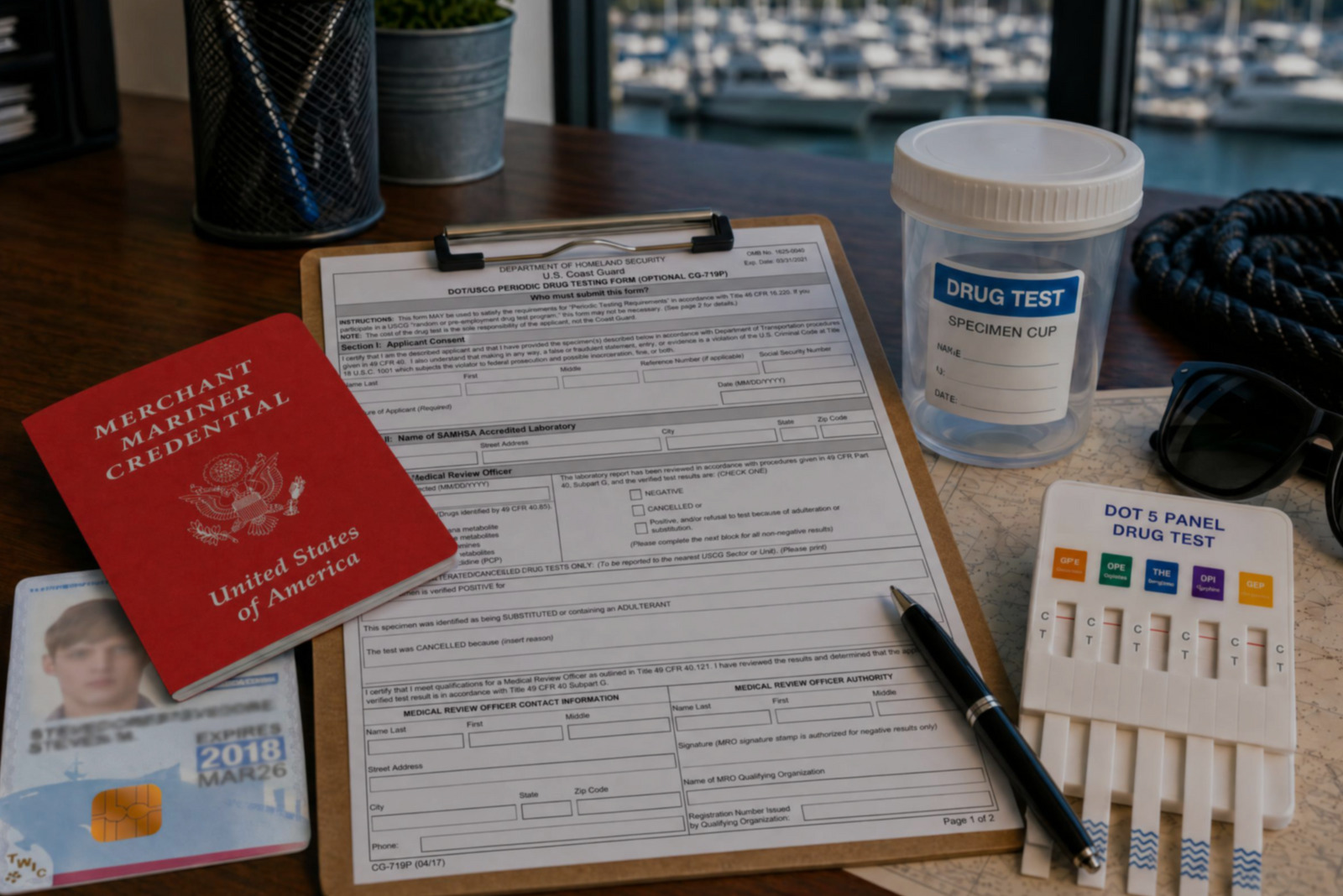

Discover the three types of drug tests working captains must submit to even after they’ve met the initial USCG drug testing requirements for their license.
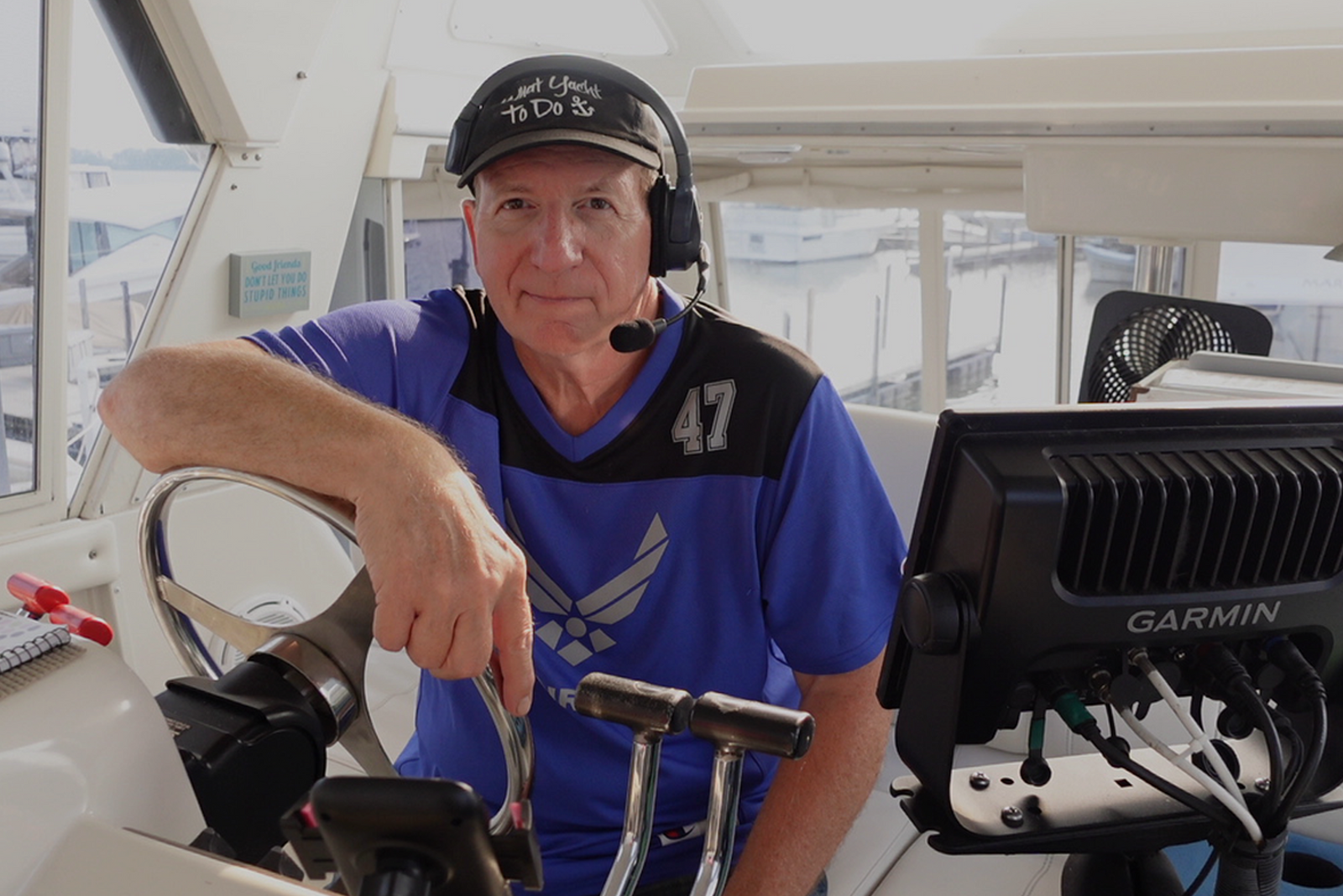

Discover how a retired airline pilot became obsessed with the Great Loop and built a thriving captain training business through Mariners Learning System.


Learn which substances the MMC drug test looks for, plus how masking agents and false positives factor in.


Discover the five most common mistakes mariners make on the captain’s license physical, plus a checklist for how to avoid them.
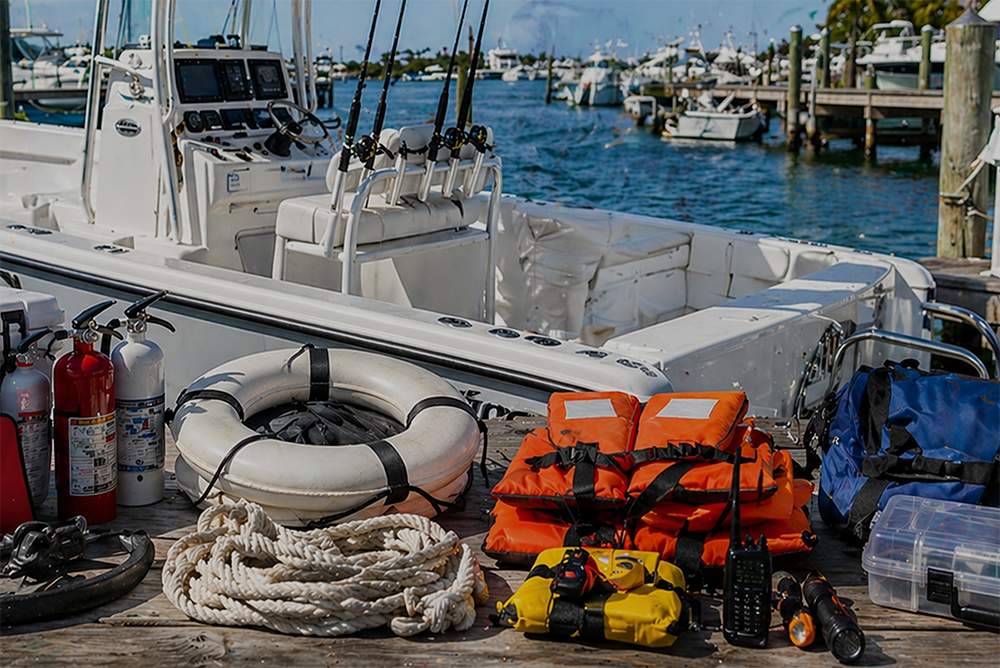

Discover why so many charter captains run out of money and how to plan every startup cost from your vessel purchase to guest-ready outfitting.

Learn how to build a charter business plan that covers pricing, expenses, and marketing so your captain’s license leads to lasting profit.

Transform how you talk about price with proven anchoring strategies and value-first framing that stops charter guests from shopping around.

Discover how charter captains use hybrid pricing models and seasonal adjustments to increase revenue and simplify bookings for every guest type.