

Meet Navi: Your 24/7 AI Instructor Inside the MLS Classroom
Unlock 24/7 access to Navi, an AI instructor trained on MLS course material, so you can ask questions, run practice quizzes, and nail your captain’s exam.
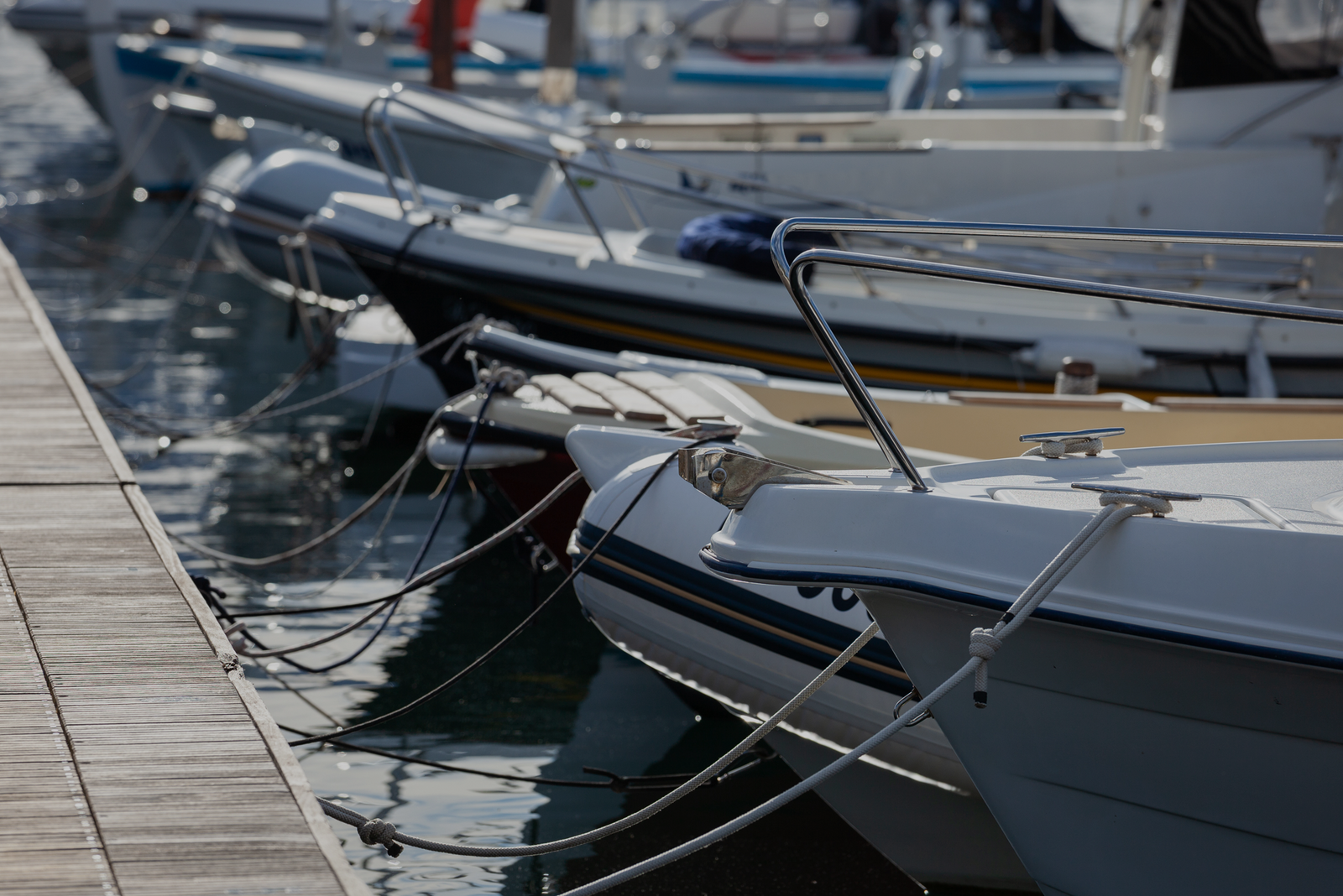

Every charter starts before your guests see your boat. It begins with their first email, builds through their arrival at the marina, peaks during your time on the water, and ends with how they feel as they drive home.
Most captains focus on the actual boat trip. But professional operators who build lasting businesses understand that excellence means managing every touchpoint, from booking to farewell.

A polished charter experience doesn’t happen by accident. It follows a structured flow that builds confidence and satisfaction at each stage.
Your confirmation message is often your guest’s first real interaction with your business. Make it count.
Include the exact meeting location with identifying landmarks. “Meet at the Harbor Master building’s north side, near the blue awning” beats “meet at the marina.” Confused guests start stressed.
Specify what to bring and what you provide. Guests relax when they know you have water and sunscreen aboard. They appreciate knowing to bring jackets for evening trips.
Answer unasked concerns proactively. “The boat has a marine head (bathroom)” eliminates anxiety. “We have life jackets in all sizes, including children’s” reassures parents. “Light spray is possible, but you won’t get soaked” sets realistic expectations.
Be visible and ready before your stated meeting time. Nothing starts a trip worse than guests wondering if they’re in the right place.
Captain Sandra positions herself so that arriving guests can see her from the parking area. She wears a branded shirt and stands near a small sign with her boat name. This small detail eliminates confusion and builds confidence.
Greet each person as they arrive. Use names when possible. “You must be the Morrison family” shows preparation and care. Make eye contact and smile genuinely.
Have your boat ready and inviting: cushions arranged, cooler visible, safety equipment organized but not overwhelming, etc. The boat should project, “Step aboard,” not “Still setting up.”
Acknowledge the purpose of their trip naturally. “I heard someone’s celebrating a birthday today” or “It’s a perfect morning for wildlife watching” shows awareness without being intrusive.
Safety briefings separate professionals from boat owners with licenses. Deliver safety information confidently, with the appropriate tone.
Stand where everyone can see you. Make eye contact with each guest during important points. Speak clearly without rushing or droning.
Cover essentials without creating anxiety. “Life jackets are right here if we need them” beats lengthy worst-case scenarios. “The head is through this door; just let me know if you need it” handles bathroom concerns straightforwardly.
Captain Mike uses friendly authority: “Here are three quick safety points before our adventure.” He covers life jackets, movement while underway, and communication in under two minutes. He keeps it professional, not preachy.
Invite questions without seeming uncertain. “Anyone have concerns I haven’t covered?” shows thoroughness. Then transition smoothly: “Perfect. Let’s go see some dolphins.”
Match your safety briefing tone to your trip type. Family tours need reassuring warmth, fishing charters want efficient competence, and sunset cruises need subtle, non-disruptive delivery.
Your preparation determines whether your trip feels smooth or scattered.
Maintain consistent pacing throughout. Rushed starts followed by dead periods feel unplanned. A steady rhythm with intentional variety keeps the energy appropriate.
Captain Lisa plans her two-hour tour in segments: a 20-minute cruise out with narration, a 30-minute wildlife viewing, a 20-minute photo stop, a 30-minute return (filled with storytelling), and a 20-minute cushion for flexibility.
Monitor your passengers’ comfort constantly without hovering. Watch for wind exposure, sun positioning, and motion sensitivity. Adjust your speed or position before guests complain.
Balance narration, music, and quiet professionally. Not every moment needs to be filled. Strategic silence lets guests process and relax. On the other hand, too much silence feels awkward.
Demonstrate competent boat handling without showing off. Smooth departures, confident navigation, and controlled arrivals build trust, while aggressive maneuvers or visible uncertainty erode confidence.
How you end each trip determines how guests remember you. If you rush this moment, you waste all prior excellence.
Begin return preparation before docking. “We’ll be back at the marina in about ten minutes” helps guests mentally transition. They can gather their belongings and prepare children.
Dock smoothly and help guests disembark safely. Stand ready to assist without talking down to guests or making them feel incompetent. “Watch the step” or “Take your time” shows respect and care.
Thank everyone personally. Use names again if possible. “Thanks for joining us, Mike and Sarah” beats generic farewells. Make eye contact and smile.
Captain Amy uses her local knowledge to add valuable touches: “If you’re looking for lunch, Anthony’s has great seafood two blocks north” or “The sunset should be perfect from the pier tonight around 7:30.”
Plant the seeds of future business appropriately (“We run these tours all season if you have visitors” or “Check our website for full-moon cruises”) without hard selling.
Professional delivery requires more than good intentions. Build systems that support excellence even on difficult days.
Create a trip roster sheet. Guest names, party size, occasion, and notes keep you organized and personal. Review it before each trip, not during boarding.
Captain Dan laminates route cards with narration points, timing marks, and backup plans. Consistent delivery doesn’t mean memorizing scripts. It means having reliable references.
Develop checklists for each phase. Pre-trip prep, safety equipment, cooler supplies, and post-trip reset lists prevent oversights that diminish your professionalism.
Keep a detailed captain’s log. Note weather responses, successful moments, and improvement opportunities. Patterns will emerge that’ll guide your refinement.
Your boat’s condition communicates professionalism. Clean surfaces, organized equipment, and fresh supplies demonstrate your respect for your guests.
Captain Pete assigns zones: helm area (professional and organized), guest seating (comfortable and clean), utility areas (accessible but discrete), and photo zones (uncluttered backgrounds).
Sound environment matters. Test the music volume from different seats. Make sure your narration reaches everyone and that you don’t need to shout. Position your speakers to avoid dead spots or overwhelming zones.
Prioritize temperature comfort, too. Provide blankets for evening trips. Offer spray jackets for rough days. Keep towels accessible without making conditions seem threatening.

Professional structure doesn’t mean robotic delivery.
Take Captain Julie, who runs educational eco tours with scientific accuracy and personal warmth. Her structure is consistent: safety, departure, three narration points, wildlife viewing, and return. Her personality shines through her stories, humor, and genuine enthusiasm.
Just down the marina, Captain Bob operates fishing charters with minimal talking and maximum action. His structure is concrete: safety, bait preparation, fishing instruction, spot rotation, and a cleaning demonstration. His style is confident efficiency.
Find your authentic voice within professional boundaries. Forced personalities feel fake, while natural delivery within structured excellence builds trust.
When your experience becomes repeatable, growth becomes manageable.
Document your successful patterns. Write your safety briefing script. List your narration points, even if you adjust them on a per-trip basis. Record your greeting and farewell language.
Captain Frank built his operation from one to three boats using documented systems. Each captain shares their personality within his proven structure, and guest satisfaction stays consistent.
Train crew members incrementally. Start them with an arrival greeting. Add safety briefing assistance. Build narration segments. Full captain development follows proven steps.
Review and refine your systems regularly. Conduct a monthly review of guest feedback, seasonal adjustments for conditions, and an annual overhaul of your systems.
Professional experience delivery creates multiplying returns:
Start with one step. Perfect your arrival greeting this week. Document what works, and build from there.
Excellence isn’t perfection. It’s consistent professionalism that makes guests feel valued, safe, and satisfied from the moment they first contact your business.
Ask a question, share an experience, or add a helpful tip related to this article. Comments may appear after review to prevent spam.
Unlock 24/7 access to Navi, an AI instructor trained on MLS course material, so you can ask questions, run practice quizzes, and nail your captain’s exam.


Learn what questions to ask and how to prepare for a captain’s license drug test to ensure you avoid the most common application delays.
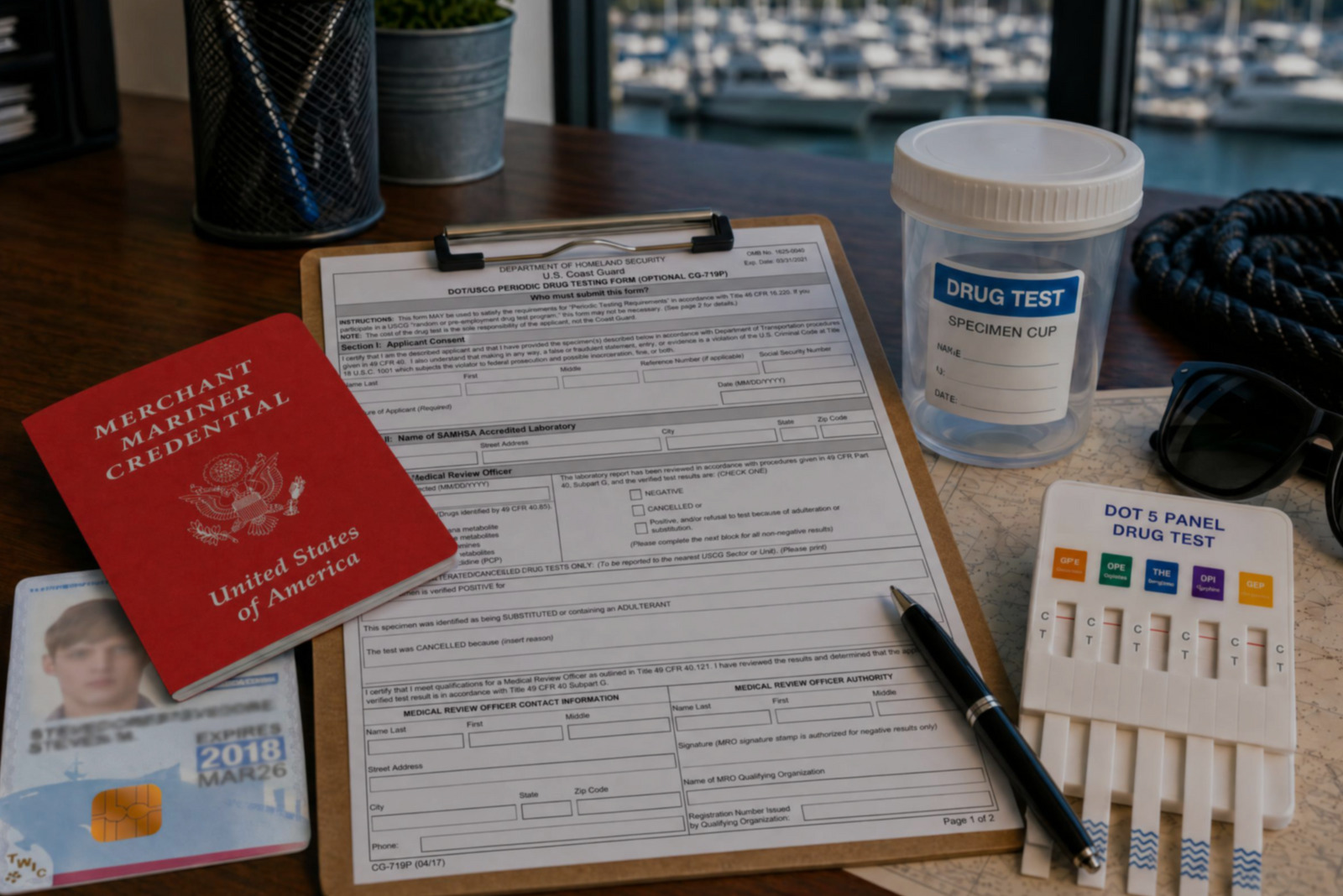

Discover the three types of drug tests working captains must submit to even after they’ve met the initial USCG drug testing requirements for their license.
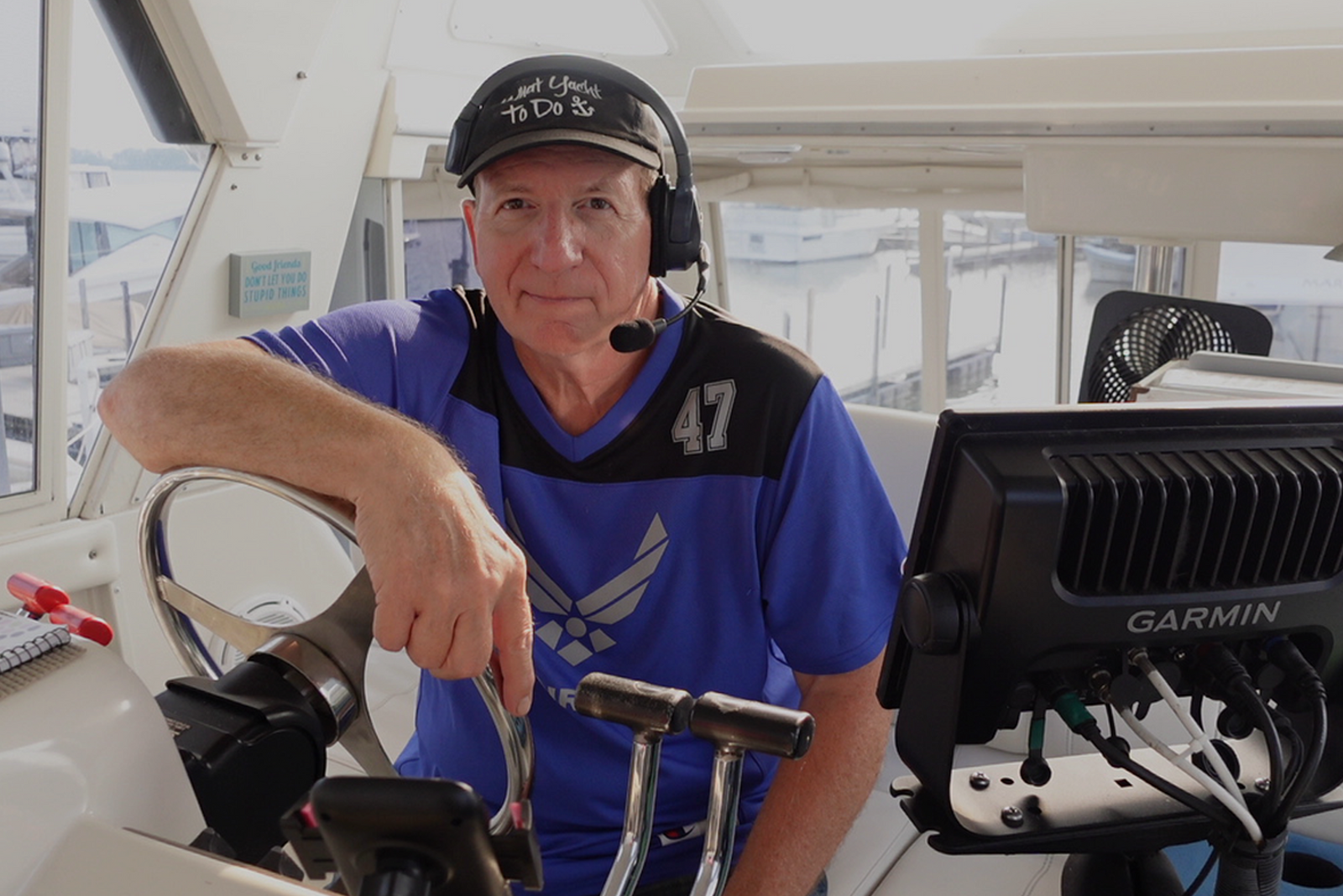

Discover how a retired airline pilot became obsessed with the Great Loop and built a thriving captain training business through Mariners Learning System.


Learn which substances the MMC drug test looks for, plus how masking agents and false positives factor in.


Discover the five most common mistakes mariners make on the captain’s license physical, plus a checklist for how to avoid them.
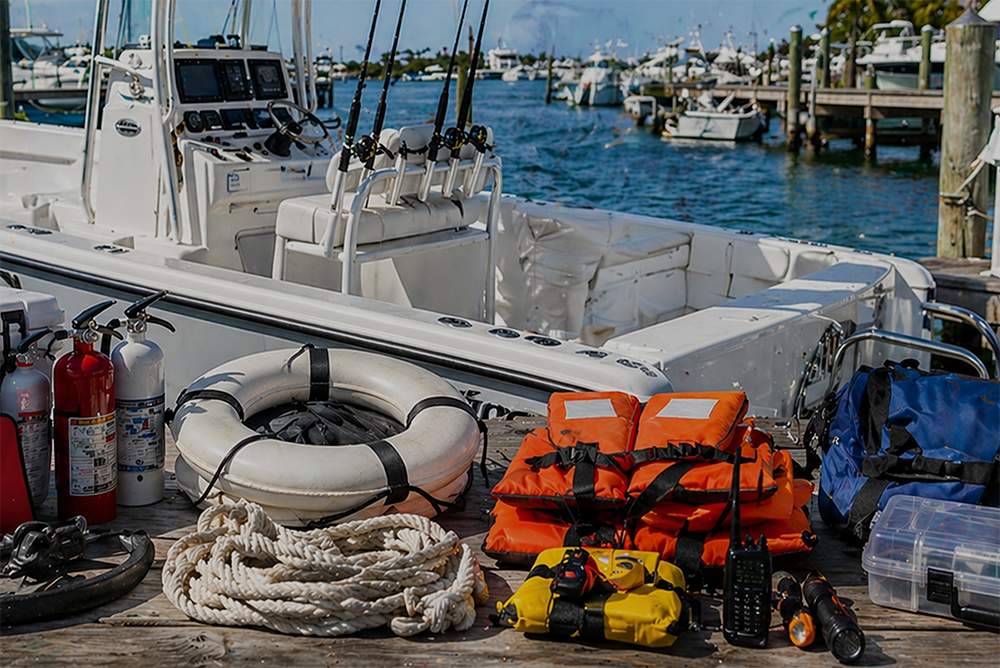

Discover why so many charter captains run out of money and how to plan every startup cost from your vessel purchase to guest-ready outfitting.

Learn how to build a charter business plan that covers pricing, expenses, and marketing so your captain’s license leads to lasting profit.
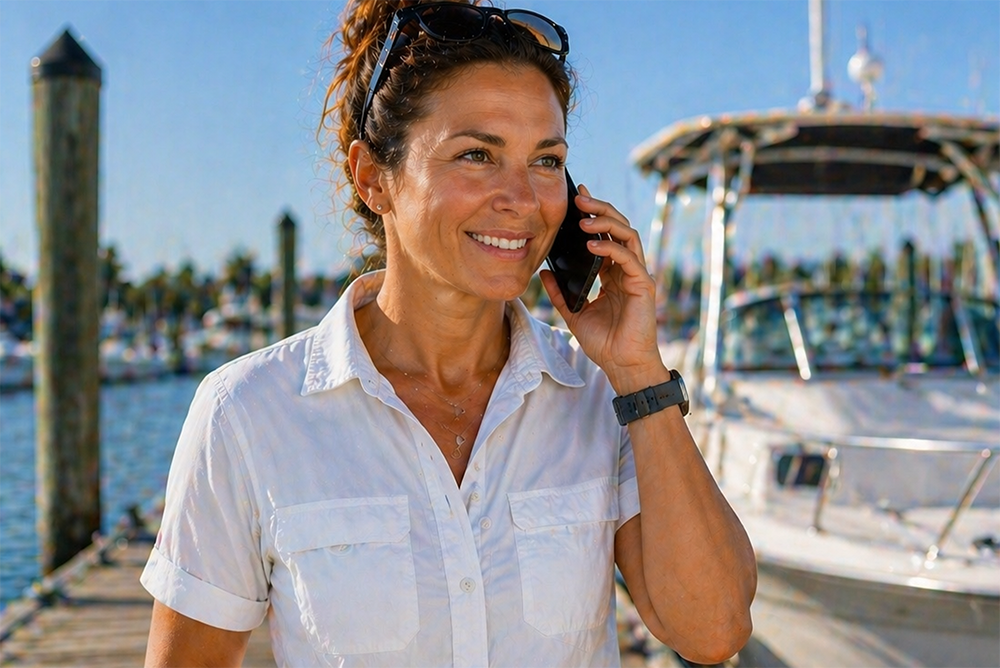

Transform how you talk about price with proven anchoring strategies and value-first framing that stops charter guests from shopping around.


Discover how charter captains use hybrid pricing models and seasonal adjustments to increase revenue and simplify bookings for every guest type.