

Meet Navi: Your 24/7 AI Instructor Inside the MLS Classroom
Unlock 24/7 access to Navi, an AI instructor trained on MLS course material, so you can ask questions, run practice quizzes, and nail your captain’s exam.
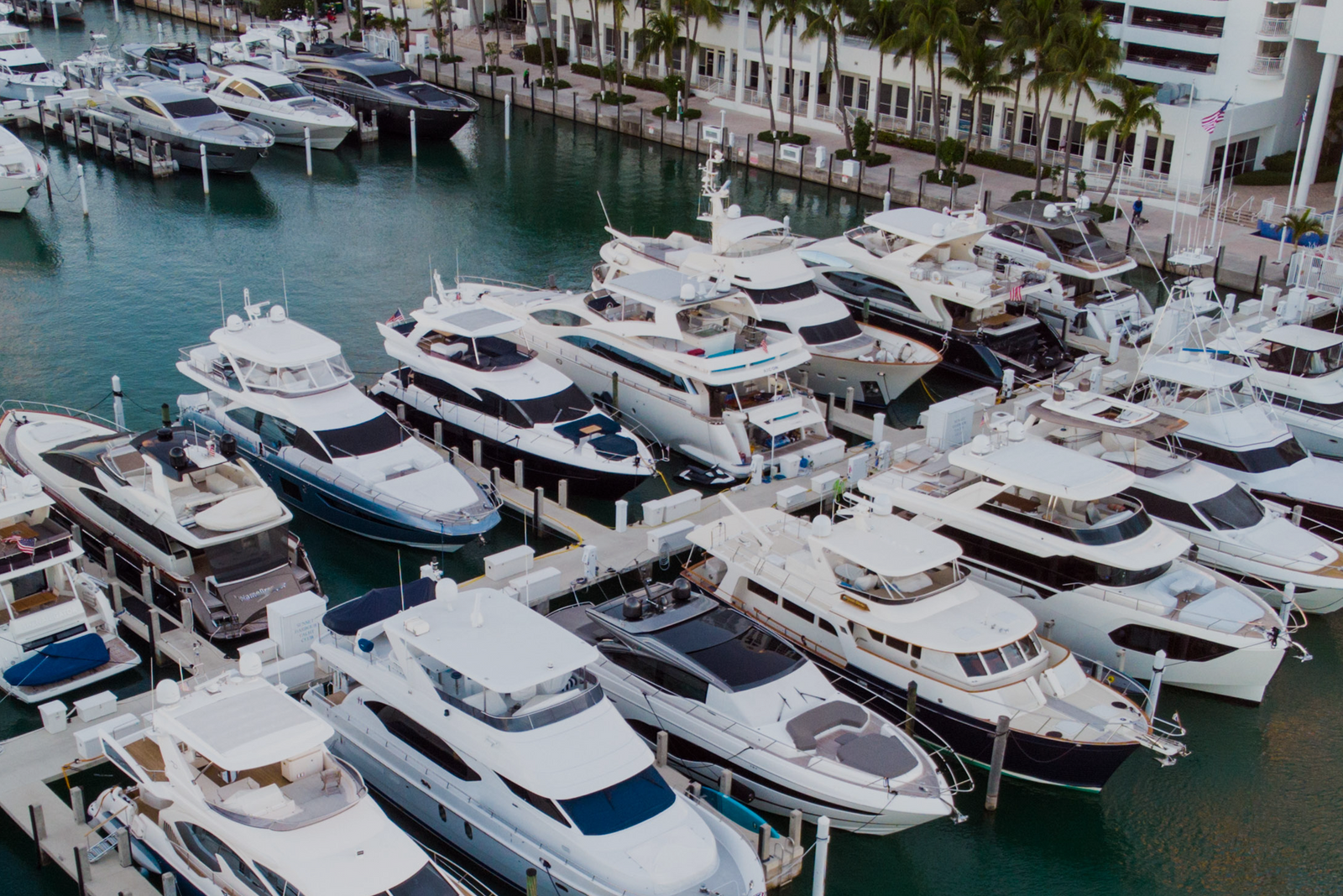

Your charter business runs seven days a week during the season. Guests love your service. Your calendar stays full.
So why does your bank account stay empty?
You’re pricing your trips to cover costs, not to build a business. The difference between breaking even and making a living is massive.
Your break-even price is the absolute minimum you need to charge to avoid losing money. It covers your costs but doesn’t pay you a dime. Before you can set this number, understand the full breakdown of licensing and startup costs you’re already carrying.
Start with your fixed costs per trip. Captain Jennifer operates out of Annapolis with $1,600 in monthly overhead. She averages 20 trips monthly, making her fixed cost $80 per charter.
Add your variable costs. Her fuel runs $35, mate costs $60, and supplies add $15. Platform fees take another 10% of her rate. At $300 per trip, that’s $30 in fees.
Her break-even calculation:
She needs $220 to cover expenses. No profit. No paycheck. Bills paid, and that’s it.
Captain Tom made this mistake in his first season. He charged $200 for two-hour trips when his break-even was $215. He literally paid $15 to take people fishing. After 50 trips, he’d lost $750 plus countless hours.
Many new captains forget the most important cost: their own paycheck. You’re not volunteering. You’re running a professional service. If you want a reality check on what licensed captains actually earn, the numbers might surprise you.
Decide what you want to earn monthly. Be realistic, but don’t lowball yourself. You’re responsible for passenger safety, vessel operation, and the entire experience.
Captain Alex wants to earn $6,000 monthly during his five-month season. Running 25 trips per month means he needs $240 per trip in personal income.
His calculation becomes:
Without that $240, he’s working for free. With it, he’s building a career.

Your sustainable price needs breathing room. Boats break. Weather cancels trips. Slow weeks happen.
Smart captains add 15–20% above their minimum sustainable price. This buffer covers unexpected repairs, slow periods, and taxes. It needs to cover your insurance costs too, especially if you carry seasonal policies.
Captain Maria learned this after Hurricane Ian. She’d been pricing exactly at her sustainable minimum. When she lost three weeks of bookings, she had no reserves. The dock still wanted rent. Insurance was still due.
Now she adds 20% to every calculation. That buffer saved her when her engine needed an unexpected $3,000 rebuild.
Here’s the full formula:
Different charter types require different pricing strategies. Your model affects both costs and income potential. If you’re still exploring which model fits your goals, review these six profitable charter business models before setting your rates.
Captain Bill runs four-hour inshore trips from Tampa Bay:
Captain Katie offers two-hour romantic cruises in San Diego:
Captain Marcus runs eight-hour offshore trips from the Keys:
Each captain structures pricing around their own costs, goals, and market position.
Captain Steve saw competitors charging $400, so he matched them. His costs were higher from a newer boat payment. He lost money on every trip until he ran his own numbers. Pricing without knowing the regulations affecting your specific operation adds even more risk.
You’re not running a charity. Your expertise, license, and responsibility deserve compensation. Build it into every quote.
One engine repair or slow month can sink your business. That 15–20% buffer is insurance you give yourself.
You work more hours than trip time alone. Marketing, maintenance, and administration are part of the job. Price accordingly.
Captain Nancy tracked her time for a month. Each four-hour charter required two hours of prep, cleanup, and administration. She was working six hours for four hours of pay. She adjusted her pricing to match reality.
Your price communicates value. When you underprice, guests wonder what’s wrong. When you price appropriately, you attract guests who value quality. Captains who build referral-based businesses find that strong pricing actually increases loyalty.
Captain Doug raised his rates from $350 to $475. He worried about losing bookings. Instead, his customers started treating him with more respect. They showed up on time. They tipped better. They referred friends.
Higher prices attract better clients. Better clients create better businesses.

Stop guessing at what to charge. Run the numbers.
Calculate your fixed costs. Document your variable expenses. Set a real income goal. Add a legitimate buffer.
Captain Patricia spent one Sunday afternoon building her pricing model. She discovered she’d been undercharging by $150 per trip. The next season, she raised her rates and cut her schedule by 30%, making more money with fewer trips.
Your price communicates your expertise and effort to every guest who books.
Build a pricing model that reflects your worth, and look to Mariners Learning System for guidance that keeps your business on course.
Ask a question, share an experience, or add a helpful tip related to this article. Comments may appear after review to prevent spam.
Unlock 24/7 access to Navi, an AI instructor trained on MLS course material, so you can ask questions, run practice quizzes, and nail your captain’s exam.


Learn what questions to ask and how to prepare for a captain’s license drug test to ensure you avoid the most common application delays.
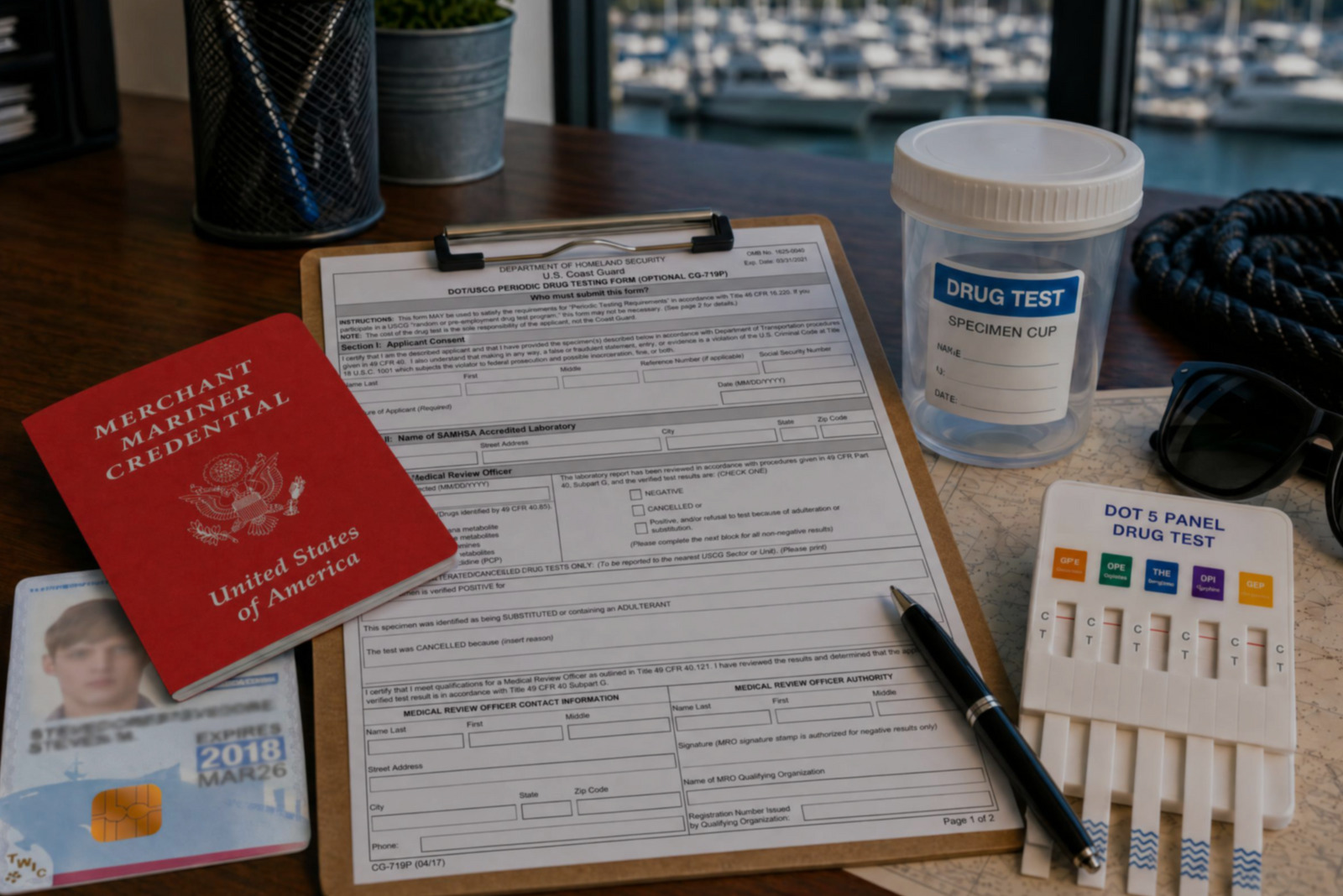

Discover the three types of drug tests working captains must submit to even after they’ve met the initial USCG drug testing requirements for their license.
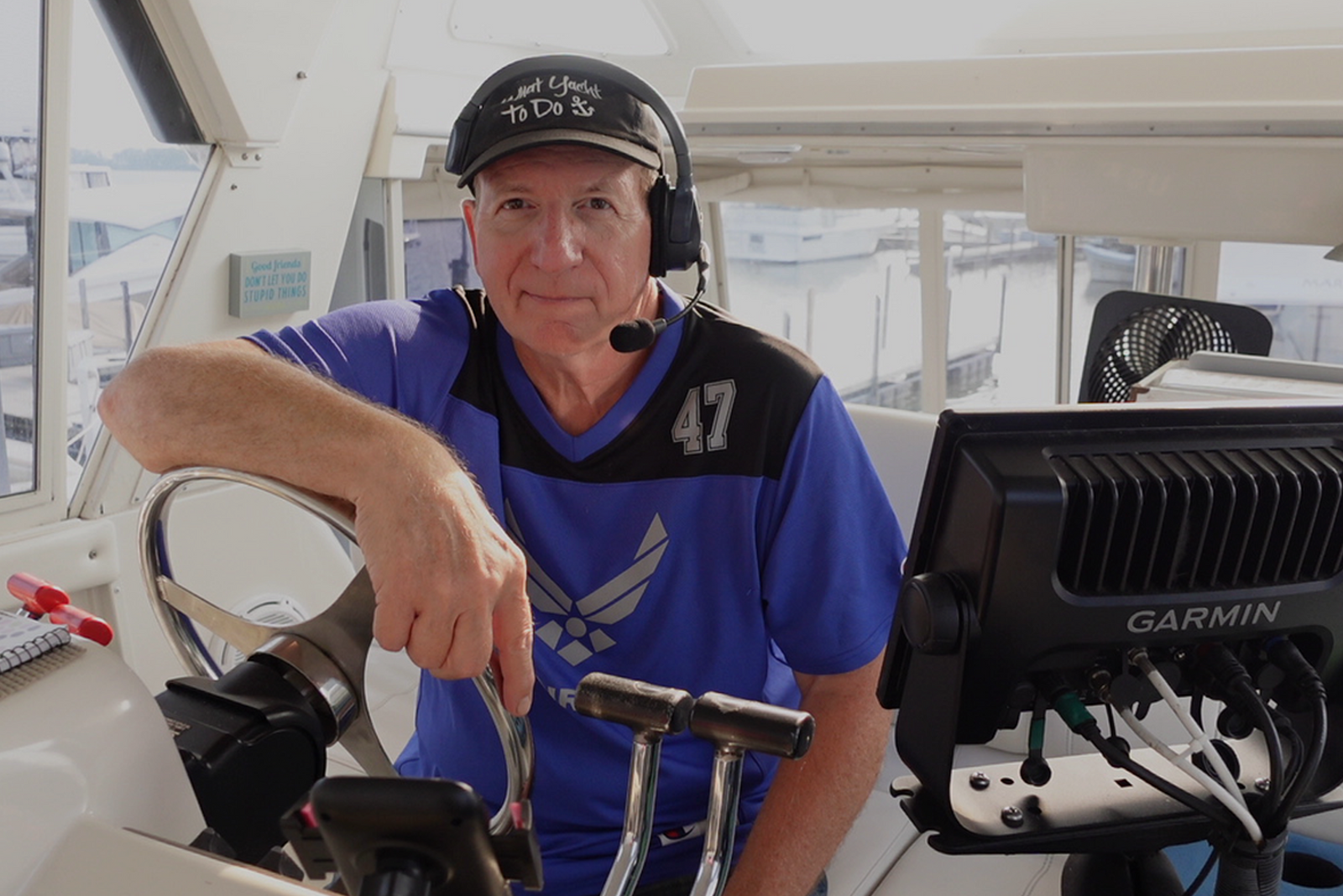

Discover how a retired airline pilot became obsessed with the Great Loop and built a thriving captain training business through Mariners Learning System.


Learn which substances the MMC drug test looks for, plus how masking agents and false positives factor in.


Discover the five most common mistakes mariners make on the captain’s license physical, plus a checklist for how to avoid them.
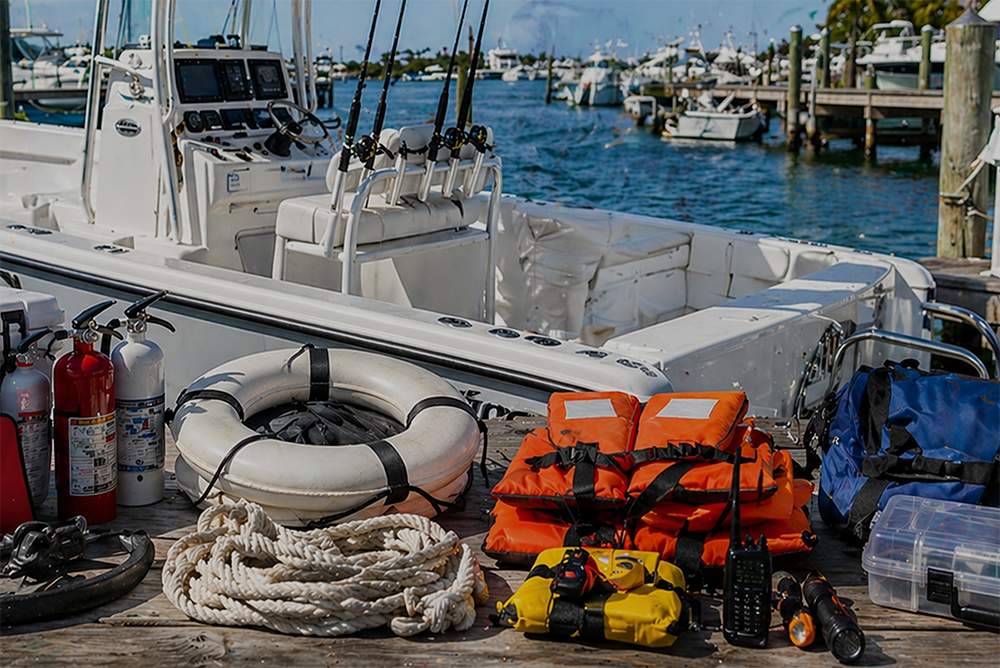

Discover why so many charter captains run out of money and how to plan every startup cost from your vessel purchase to guest-ready outfitting.


Learn how to build a charter business plan that covers pricing, expenses, and marketing so your captain’s license leads to lasting profit.


Transform how you talk about price with proven anchoring strategies and value-first framing that stops charter guests from shopping around.


Discover how charter captains use hybrid pricing models and seasonal adjustments to increase revenue and simplify bookings for every guest type.