

Meet Navi: Your 24/7 AI Instructor Inside the MLS Classroom
Unlock 24/7 access to Navi, an AI instructor trained on MLS course material, so you can ask questions, run practice quizzes, and nail your captain’s exam.
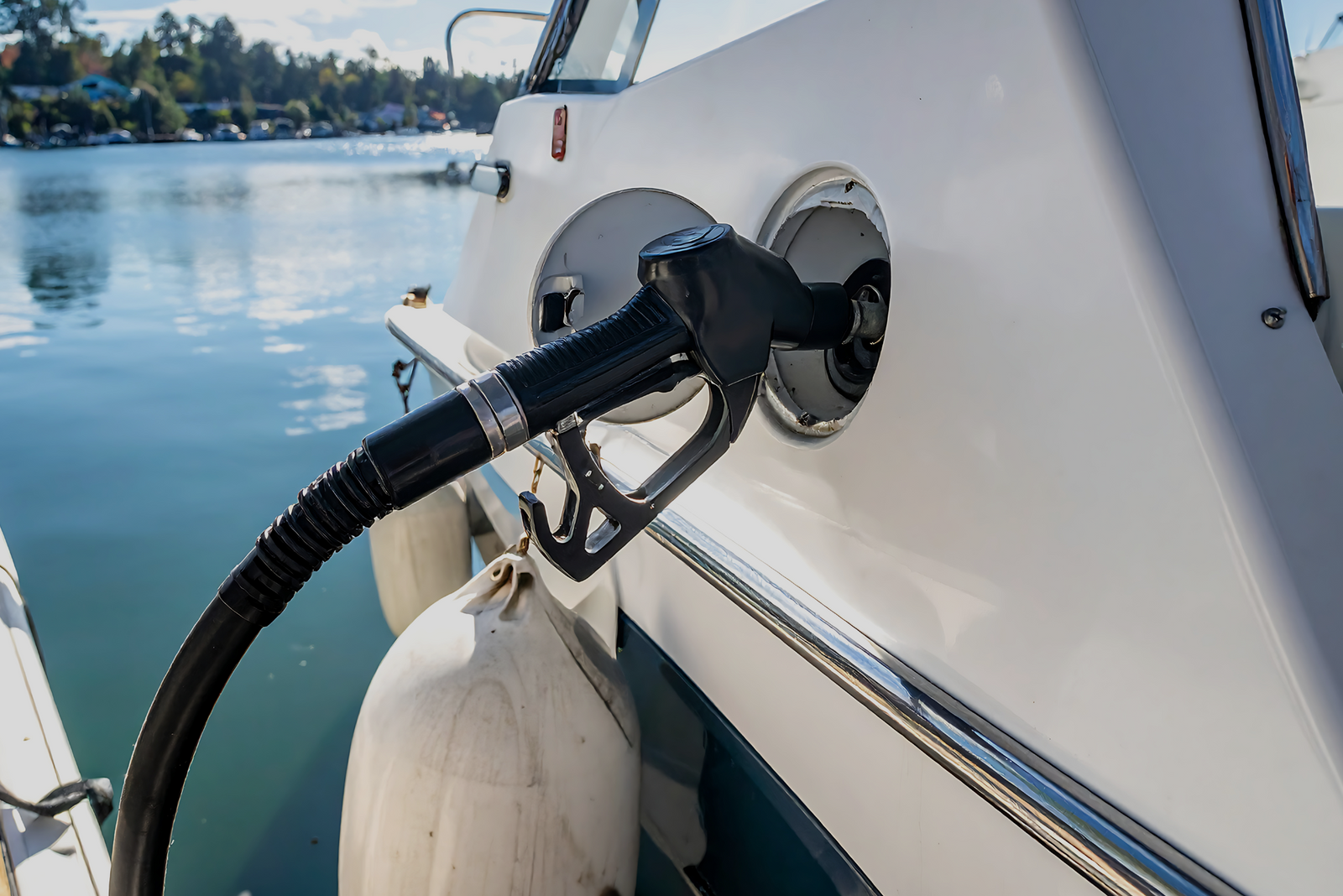

You quote a rate of $300 for a half-day fishing trip. After fuel, bait, and dock fees, you pocket $150. Not bad, right?
Then you realize you forgot about insurance. And the monthly slip rental. And that boat payment. Suddenly, you’re working for less than minimum wage.
This scenario plays out every season. Without knowing your true costs, your charter operation subsidizes other people’s vacations with your time and money.

Running a charter operation involves three distinct types of costs. Miss any one of them, and your pricing will leave you broke.

Fixed costs hit your bank account whether you run zero trips or 20. These expenses keep your doors open whether the phone rings or not.
Your monthly boat payment or depreciation doesn’t pause when bookings slow down. Neither does your insurance premium, slip rental, or website hosting fee. If you haven’t reviewed your boat insurance options lately, your coverage might not match your actual operation.
Captain Tom operates out of Miami Beach. His fixed costs total $2,800 monthly: $1,200 for his boat payment, $800 for insurance, $500 for his slip, and $300 for permits and administrative expenses. Whether he books two charters or 20, these bills arrive like clockwork.
Break down your fixed costs per trip by dividing monthly expenses by your average number of bookings. If you run 20 trips monthly with $2,000 in fixed costs, each charter needs to cover $100 in overhead alone.
Variable costs only appear when you leave the dock. These directly affect what you pocket from each charter.
Fuel consumption changes by distance, weather, and boat type. A four-hour offshore trip burns more fuel than a two-hour harbor cruise. Captains running different charter models see wildly different fuel numbers depending on their trip style.
Your mate expects payment for each trip worked. Guests expect ice, water, and basic refreshments.
Captain Lisa discovered her variable costs were eating her profits. She tracked expenses for a month and found each trip cost $145: $50 in fuel, $60 for her mate, $15 for drinks and ice, $20 in credit card processing and platform fees.
Track variable costs for at least 10 trips to establish reliable averages. Weather, guest requests, and seasonal changes all affect these numbers.
Opportunity cost is what you sacrifice when you make a choice. These costs don’t appear on expense reports, but they absolutely affect your bottom line.
You accept a discounted group rate for Saturday afternoon. Two hours later, a family calls wanting to book your premium sunset package. You’re already committed to the discount group.
Captain Mike learned this lesson the expensive way. He accepted a barter deal with a local restaurant: free advertising in exchange for a charter. The same weekend, three cash-paying customers called. The “free” advertising cost him $1,200 in lost revenue.
Every discounted trip, promotional giveaway, or low-margin booking has an opportunity cost. Look at what you’re giving up alongside what you’re gaining.
Captain Sarah runs two-hour sunset cruises from her 26-foot center console. She charges $325 and thinks she’s making good money. Knowing the true cost of running a charter goes beyond the license itself.
Her monthly fixed costs total $1,200. Running 20 trips monthly means $60 per trip in overhead.
Variable costs per trip include:
Her direct costs (fixed plus variable) reach $217.50 per trip. That $325 charter yields only $107.50 in profit.
But wait. She ran this Tuesday evening charter instead of keeping Saturday evening open. A Saturday sunset cruise commands $425. The opportunity cost? Another $100 in lost premium pricing.
Her true profit drops to $7.50.
Captains who ignore their true costs face predictable problems. They undercharge, guessing at expenses instead of calculating them. They burn out trying to compensate with volume. And one overlooked regulation or permit requirement can pile on unexpected costs that make the situation worse.
Repair bills arrive with no money to pay them. Marketing budgets don’t exist. The business becomes a treadmill where you run faster but never get ahead.
Captain Dave ran budget fishing trips for two seasons. He charged $250 when his actual costs were $230. After working 60-hour weeks all summer, he netted less than $5,000.
His boat needed engine work the following spring. He couldn’t afford it and lost his entire season.
Smart pricing starts with knowing your numbers. Period.
Start tracking your expenses today. Create three categories: fixed, variable, and opportunity.
List every fixed monthly expense. Include insurance, dockage, loan payments, permits, and administrative costs. Divide by your expected monthly trips.
Document variable costs for your next 10 charters. Track fuel, crew, supplies, and fees. Calculate averages for different trip types. Captains looking to build a fishing charter business need this data before they set a single price.
Define your opportunity costs. What’s your time worth? What premium bookings might you miss?
Captain Rachel spent one afternoon calculating her true costs. She discovered she’d been losing $40 on every “quick morning trip” she offered. She eliminated that option, raised her base rate by $75, and doubled her profit within two months.
You can’t build a sustainable charter business on guesswork. Every successful captain knows their numbers cold.
Your fixed costs establish your baseline. Your variable costs determine your margins. Your opportunity costs protect your time and growth potential.
Without this knowledge, you’re guessing your way toward burnout.
Ready to price professionally? Start by tracking your real expenses for 30 days, then build prices that support your business goals.
Visit Mariners Learning System to access business planning resources for charter captains.
Ask a question, share an experience, or add a helpful tip related to this article. Comments may appear after review to prevent spam.
Unlock 24/7 access to Navi, an AI instructor trained on MLS course material, so you can ask questions, run practice quizzes, and nail your captain’s exam.


Learn what questions to ask and how to prepare for a captain’s license drug test to ensure you avoid the most common application delays.
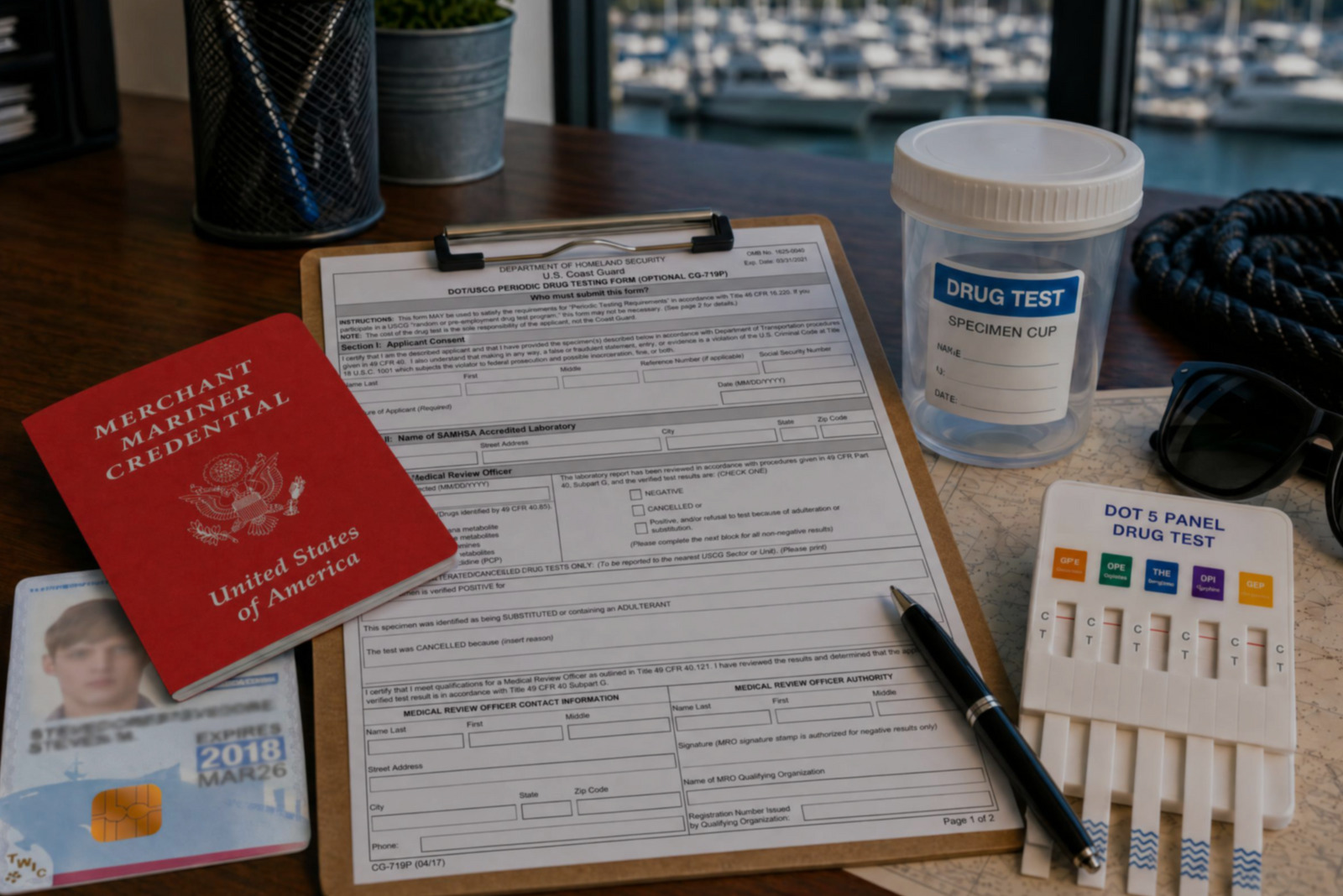

Discover the three types of drug tests working captains must submit to even after they’ve met the initial USCG drug testing requirements for their license.
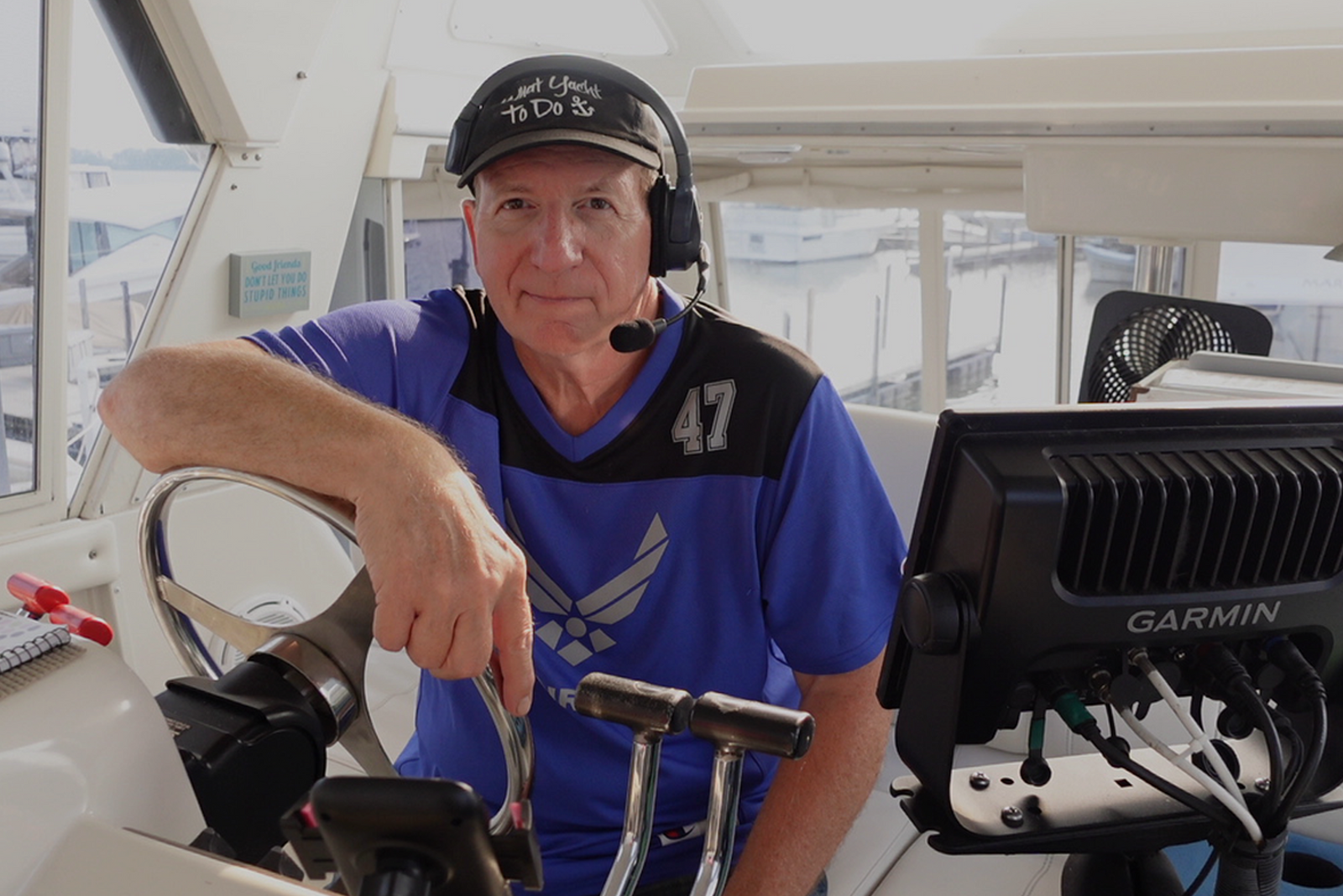

Discover how a retired airline pilot became obsessed with the Great Loop and built a thriving captain training business through Mariners Learning System.


Learn which substances the MMC drug test looks for, plus how masking agents and false positives factor in.


Discover the five most common mistakes mariners make on the captain’s license physical, plus a checklist for how to avoid them.
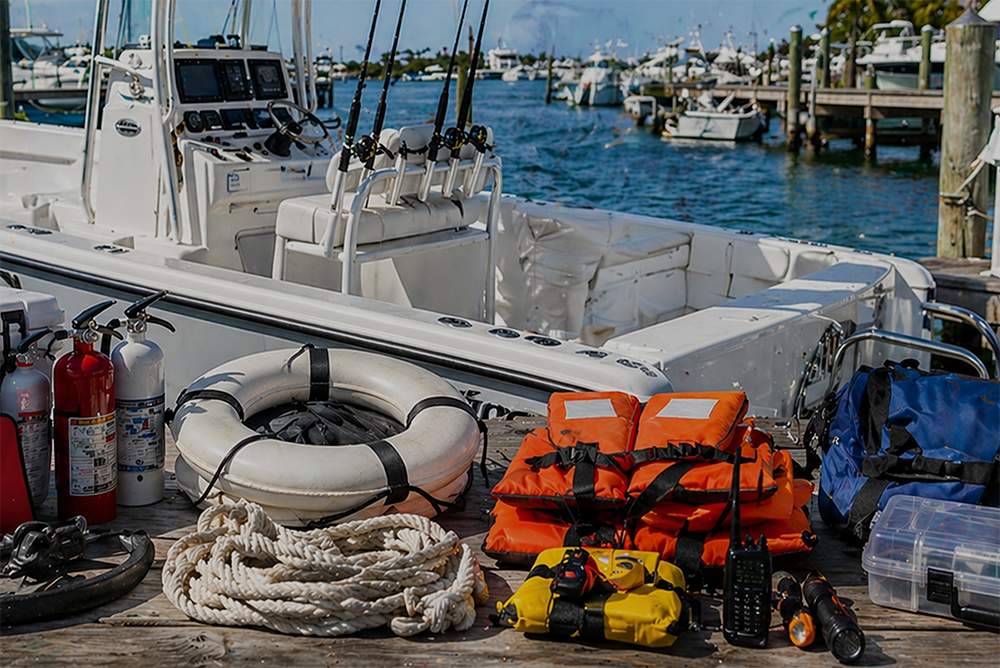

Discover why so many charter captains run out of money and how to plan every startup cost from your vessel purchase to guest-ready outfitting.
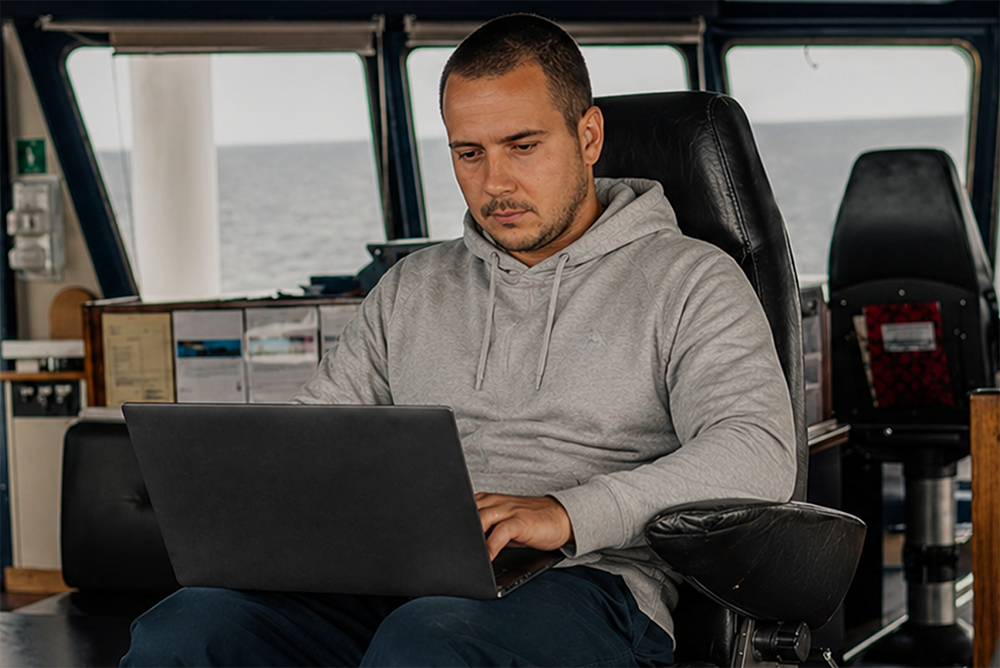

Learn how to build a charter business plan that covers pricing, expenses, and marketing so your captain’s license leads to lasting profit.


Transform how you talk about price with proven anchoring strategies and value-first framing that stops charter guests from shopping around.


Discover how charter captains use hybrid pricing models and seasonal adjustments to increase revenue and simplify bookings for every guest type.