

Meet Navi: Your 24/7 AI Instructor Inside the MLS Classroom
Unlock 24/7 access to Navi, an AI instructor trained on MLS course material, so you can ask questions, run practice quizzes, and nail your captain’s exam.
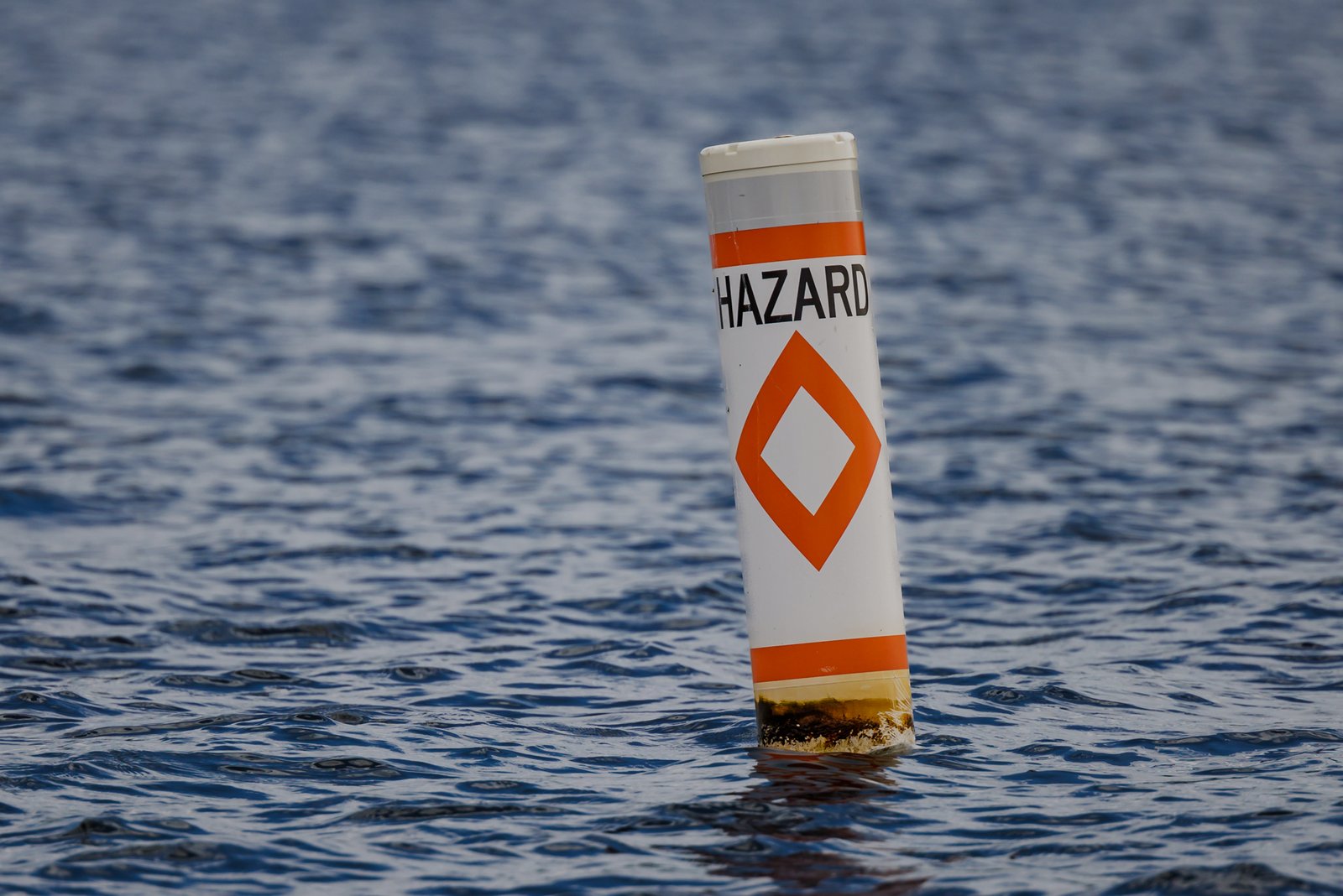

Captain Joe had been running charters for three months when the Marine Patrol stopped him. He’d anchored in a restricted zone he didn’t know existed. The $500 fine hurt, but the online reviews mentioning “police involvement” hurt worse.
Every waterway has rules that don’t appear on standard charts. Security zones, environmental restrictions, and local regulations can end your trip, trigger fines, or destroy your reputation.
Knowing these hidden hazards separates professional captains from expensive amateurs. This guide covers the local knowledge and restricted areas every charter captain must master before taking paying customers on the water.

Local knowledge is the awareness of how your waterway actually behaves versus how it appears on paper. This awareness comes from experience, observation, and learning from others who work these waters.
Tidal currents might run differently than charts suggest. A bridge might delay openings during rush hour despite being listed as “on demand.” The sandbar that was navigable last month might have shifted after storms.
These details affect every trip you run.
Marina fuel docks have personalities, too. Some welcome transients, while others prioritize members. Some offer easy alongside docking, while others require backing into tight slips.
Knowing these details before arriving with passengers saves embarrassment and time.
Bridge tenders also have patterns that charts don’t capture. The railroad bridge might open quickly on weekday mornings but take 30 minutes on weekend afternoons. Building relationships with bridge operators often means faster openings when you need them.
Federal security zones surround military facilities, power plants, cruise terminals, and other critical infrastructure. Violating these zones triggers an immediate law enforcement response, regardless of your intentions.
Naval bases typically require a 500-yard minimum standoff distance. Some facilities extend restrictions further. Crossing these boundaries can result in armed boarding, detention, and federal charges. Ignorance offers no protection.
Consider Captain Sarah, who operates near a submarine base where security is taken seriously. She programs GPS waypoints marking the security boundary and briefs passengers about photography restrictions.
One tourist with a telephoto lens could trigger serious consequences for everyone aboard. She learned this after witnessing another charter get boarded for approaching too close.
Fuel terminals and chemical plants also have mandatory security zones extending 150 yards or more. These facilities monitor approaches with cameras and coordinate with Coast Guard patrols. Even drifting into these zones while fishing brings enforcement attention.
Bridge security zones prohibit loitering, anchoring, and fishing within 100 feet of critical spans. What seems like a good spot to wait for a bridge opening might actually be illegal. Check the Coast Guard Local Notice to Mariners for specific bridge restrictions.
Environmental restrictions change seasonally and sometimes weekly. Manatee zones in Florida, whale protection areas in Hawaii, and seal haul-outs in California all carry strict regulations with serious penalties.
Manatee zones require specific speeds during certain months. Violating these restrictions brings fines starting at $500. Killing a manatee can result in $100,000 in penalties and criminal charges. Check current zone maps before every trip during manatee season.
Bird nesting islands often prohibit approach during breeding season. These closures might last months and extend hundreds of yards offshore. State wildlife agencies post updates, but it’s up to captains to know the current restrictions.
Coral reef areas require special anchoring considerations. Many locations prohibit anchoring, requiring mooring balls or drift tactics. Damaging coral brings massive fines plus civil liability for restoration costs that can reach millions.
Captain Sam learned about seagrass protection after a close call with law enforcement. His area has seasonal seagrass beds where anchoring incurs automatic fines.
He invested in detailed habitat maps and programmed his GPS with no-anchor zones. His preparation protects both the environment and his business from costly violations.
State waters often have restrictions outside of federal rules. Some states require additional permits for charter operations. Others mandate specific safety equipment beyond Coast Guard requirements.
Local municipalities add another layer of complexity. City ordinances might restrict commercial dock use, require business licenses, or limit operating hours. That public boat ramp might prohibit commercial launching without an annual permit.
Captain Amy made an expensive discovery about local requirements. Her city required a “commercial dock use permit” costing $1,200 annually.
The harbor master explained that three other charter operators had been fined for operating without permits. She gladly paid rather than risk her reputation and received preferred dock access as a permitted operator.
Some areas designate “swim only” zones, paddlecraft areas, or wakeboard courses with specific restrictions. These local rules might only be posted at launch ramps or marina bulletin boards, not on charts or apps.
Noise ordinances affect some waterways, particularly near residential areas. Running charters before 7 a.m. or after sunset might violate local codes, for instance. Check municipal websites for waterway-specific regulations.
Government sources provide official regulations but often lack practical details. NOAA charts only show basic restrictions. The Coast Guard Local Notice to Mariners updates just once a week with temporary changes. State wildlife agencies post environmental closures.
Official sources miss practical knowledge that affects daily operations. Community intelligence fills these gaps.
Other charter captains share information about enforcement patterns, seasonal changes, and unwritten rules. Join local captain associations or marine trade organizations. These groups often maintain restriction databases and send alerts about changes. The small membership fee pays for itself by preventing one violation.
Marina staff and fuel dock attendants know what happens on the water daily. Build relationships with these information hubs.
Buy fuel regularly, tip well, and ask questions. They’ll warn you about new restrictions or enforcement campaigns before you learn the hard way.
Harbor patrol and marine law enforcement officers prefer education over enforcement. Approach them at the dock and ask about common violations. They’ll often share specific areas to avoid or times when restrictions change.
Local knowledge does more than keep you legal. It creates memorable moments that generate referrals and repeat bookings.
For instance, knowing where dolphins feed at specific tides lets you promise wildlife viewing with confidence, and recognizing seasonal baitfish movements means better fishing success.
Captain Tom of Sarasota discovered a protected cove where water stays calm during afternoon winds. He times his trips so he arrives there during the roughest conditions, and his passengers stay comfortable while other boats pound through chop. This single piece of local knowledge has generated countless positive reviews.
Historical knowledge adds value, too. That channel marker might commemorate a shipwreck. The mansion on the point might have a scandalous history. These stories engage passengers and demonstrate expertise beyond just driving the boat.
Share knowledge strategically. Don’t overwhelm passengers with every detail you know. Choose relevant, interesting information that enhances their specific interests — fishing groups want different information from architecture tours, for example.

Violating restricted zones brings immediate tangible consequences.
Fines range from hundreds to thousands of dollars. Multiple violations trigger license review or suspension. Federal violations can mean criminal prosecution.
Legal consequences pale compared to business damage. News of violations spreads quickly through marina gossip and online reviews. One passenger posting about “getting stopped by police” can destroy months of marketing effort.
Insurance companies may deny claims for incidents in restricted areas. Your liability coverage likely excludes losses arising from illegal activities. This leaves you personally exposed to damages, injuries, or legal defense costs.
Captain Joe knows firsthand what one violation can do. He anchored in a protected seagrass bed, not knowing it was restricted. The $750 fine was just the beginning. He lost his preferred dock space because the marina didn’t want to associate with operators who damaged the environment.
Rebuilding his reputation took an entire season.
Create a systematic approach to gathering and organizing local knowledge. Keep a notebook or digital file with restrictions, seasonal changes, and operational notes for your area.
Map restricted zones in your GPS or chart plotter. Update these seasonally as wildlife restrictions change. Include buffer zones to prevent accidental violations caused by wind or current drift.
Document bridge schedules, fuel dock hours, and pump-out locations. Note which facilities offer easy access and which require advance notice. Track which docks welcome charter operators and which merely tolerate them.
Build relationships strategically. Identify key information sources: experienced captains, marine patrol officers, bridge tenders, and fuel dock staff. Cultivate these relationships through consistent professional interaction.
Local knowledge and regulatory awareness form the invisible foundation of successful charter operations. Customers won’t applaud you for avoiding restricted zones or knowing unwritten rules, but they’ll definitely remember if your ignorance ruins their trip.
Ask a question, share an experience, or add a helpful tip related to this article. Comments may appear after review to prevent spam.
Unlock 24/7 access to Navi, an AI instructor trained on MLS course material, so you can ask questions, run practice quizzes, and nail your captain’s exam.


Learn what questions to ask and how to prepare for a captain’s license drug test to ensure you avoid the most common application delays.
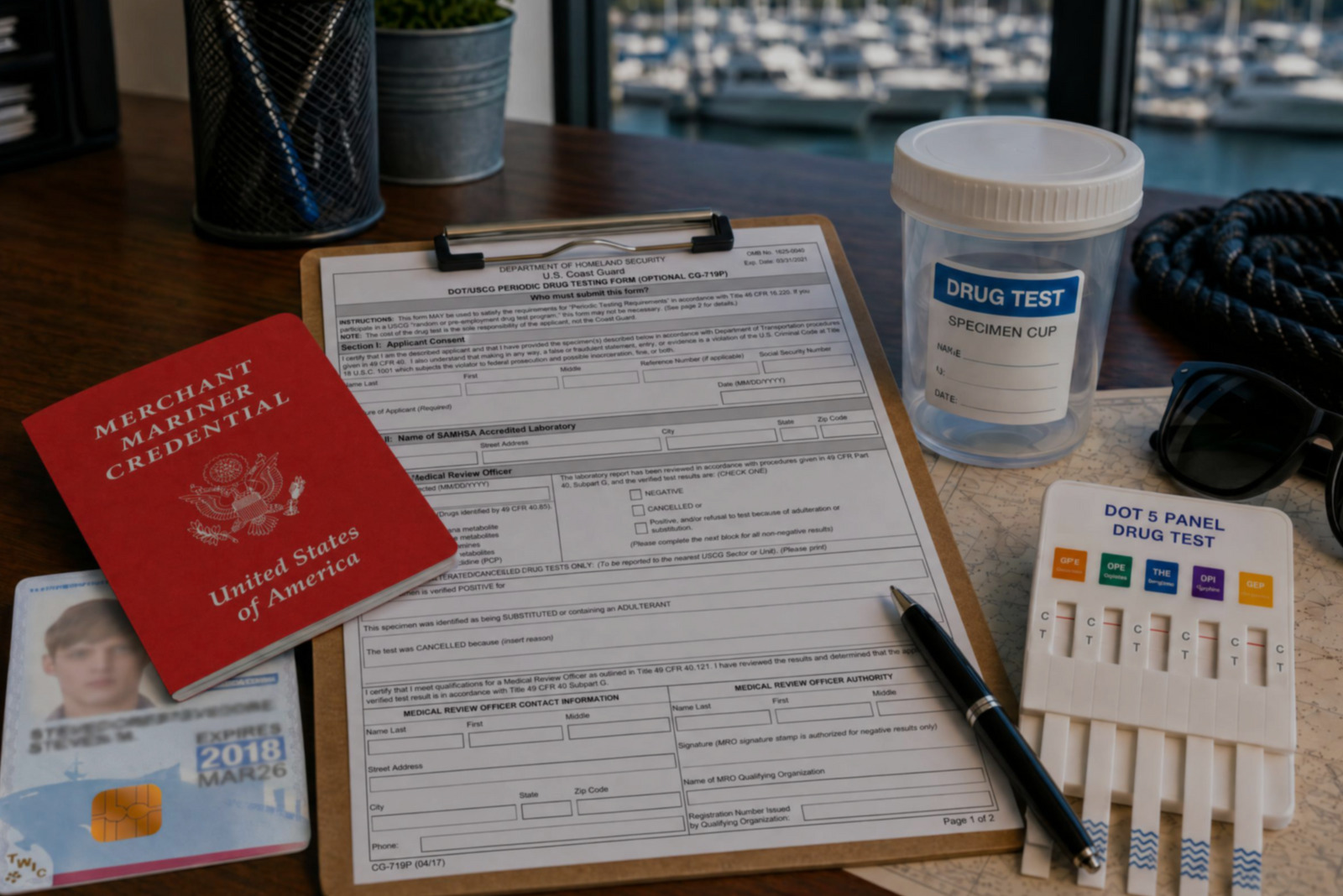

Discover the three types of drug tests working captains must submit to even after they’ve met the initial USCG drug testing requirements for their license.

Discover how a retired airline pilot became obsessed with the Great Loop and built a thriving captain training business through Mariners Learning System.


Learn which substances the MMC drug test looks for, plus how masking agents and false positives factor in.


Discover the five most common mistakes mariners make on the captain’s license physical, plus a checklist for how to avoid them.
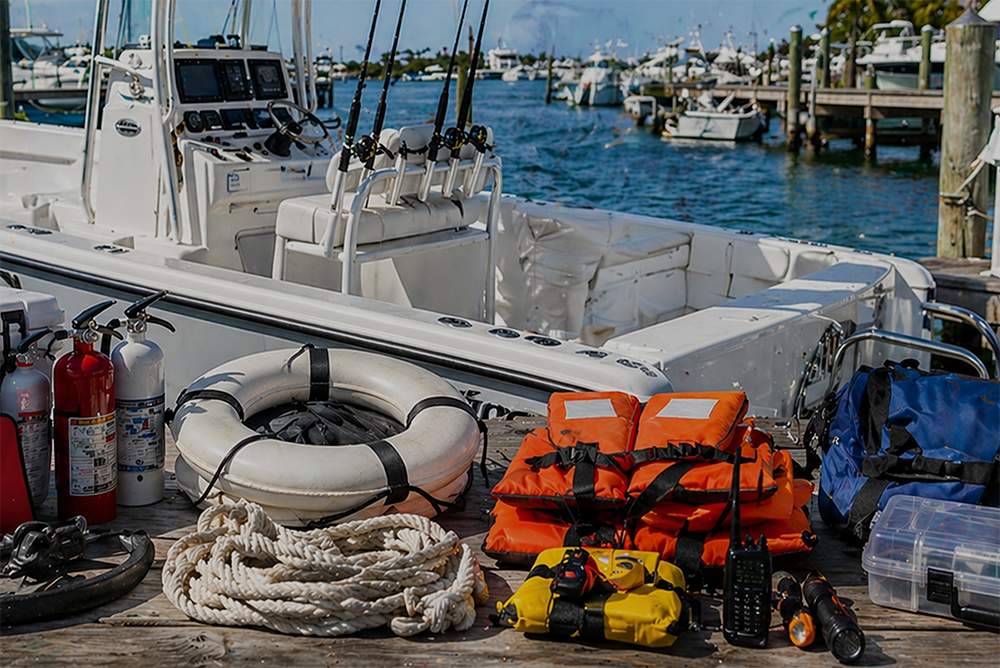

Discover why so many charter captains run out of money and how to plan every startup cost from your vessel purchase to guest-ready outfitting.


Learn how to build a charter business plan that covers pricing, expenses, and marketing so your captain’s license leads to lasting profit.

Transform how you talk about price with proven anchoring strategies and value-first framing that stops charter guests from shopping around.


Discover how charter captains use hybrid pricing models and seasonal adjustments to increase revenue and simplify bookings for every guest type.