

Meet Navi: Your 24/7 AI Instructor Inside the MLS Classroom
Unlock 24/7 access to Navi, an AI instructor trained on MLS course material, so you can ask questions, run practice quizzes, and nail your captain’s exam.


When most boaters think about Coast Guard inspections, they picture a local Coast Guard Auxiliary volunteer checking their safety equipment at the beginning of the season.
If you’re considering larger-scale commercial operations, however, you’ll need something quite different: a Coast Guard Certificate of Inspection.
The Certificate of Inspection, also known as a COI, is a thorough and comprehensive vessel evaluation conducted by the U.S. Coast Guard. Unlike a simple safety check, this inspection determines everything from how many passengers your vessel can safely carry to what routes it’s authorized to operate on professionally.
Let’s look at what’s involved in the Coast Guard Certificate of Inspection, who needs one, and how it impacts maritime operations.
First, we’ll talk terminology — specifically, the difference between uninspected and inspected passenger vessels.
Uninspected passenger vessels don’t have a Certificate of Inspection, and on them you’re limited to carrying six paying passengers plus one crew member. You can operate an uninspected vessel with either an OUPV/Six-Pack license or a Master captain’s license.
Inspected passenger vessels have undergone the comprehensive USCG vessel inspection process and received their Certificate of Inspection. These vessels can carry more than six paying passengers — up to the number determined by the inspection — but must be operated by someone with a Master captain’s license.
When you’re deciding which type of captain’s license to pursue, I typically recommend aiming for the highest-level license you qualify for. Even if you don’t initially plan to operate larger passenger vessels, you never know what opportunities will come your way in the future. Having your Master captain’s license could open doors that would remain closed to a Six-Pack captain.

A Coast Guard Certificate of Inspection is an official document issued after an extensive USCG vessel inspection that certifies a vessel meets all federal safety standards for carrying more than six paying passengers.
As I mentioned, this isn’t your typical safety inspection. It’s an extensive documentation of the boat to make sure that — with so many lives aboard — you’re operating safely. Once issued, the Certificate of Inspection documents everything the Coast Guard determined about that specific boat’s capabilities and limitations.
When the Coast Guard conducts a USCG vessel inspection to issue a Certificate of Inspection, they evaluate every aspect of the vessel’s design, construction, and safety systems. They then issue specific determinations and requirements for that vessel, valid until the Certificate of Inspection renewal date they set in the documentation.
Any vessel that carries more than six paying passengers must have a Coast Guard Certificate of Inspection and be operated by a captain with their Master’s license. Often, this includes:

Understanding Certificate of Inspection requirements can significantly impact your business planning and growth potential.
If you’re currently operating with an OUPV/Six-Pack license but want to expand beyond six passengers, you’ll need both a Master’s license and access to a vessel with a valid Coast Guard Certificate of Inspection.
Getting a Certificate of Inspection for your own vessel can certainly be lucrative, but it can also be complex and expensive. The inspection process can take months and involves significant costs for surveys, modifications, and compliance upgrades, which is why captains may choose to work with established companies that already have inspected vessels.
If you’re already working with an OUPV/Six-Pack license but want to grow your operation, you have the option of upgrading to a Master captain’s license. But remember: To take out more than six passengers, you’ll still need access to a vessel with a Coast Guard Certificate of Inspection.
The Certificate of Inspection isn’t just a formality — it’s your vessel’s permission slip, ensuring safe and legal operation in the commercial maritime world. Vessel inspection isn’t a step any Master captain can skip.
Ask a question, share an experience, or add a helpful tip related to this article. Comments may appear after review to prevent spam.
Unlock 24/7 access to Navi, an AI instructor trained on MLS course material, so you can ask questions, run practice quizzes, and nail your captain’s exam.


Learn what questions to ask and how to prepare for a captain’s license drug test to ensure you avoid the most common application delays.
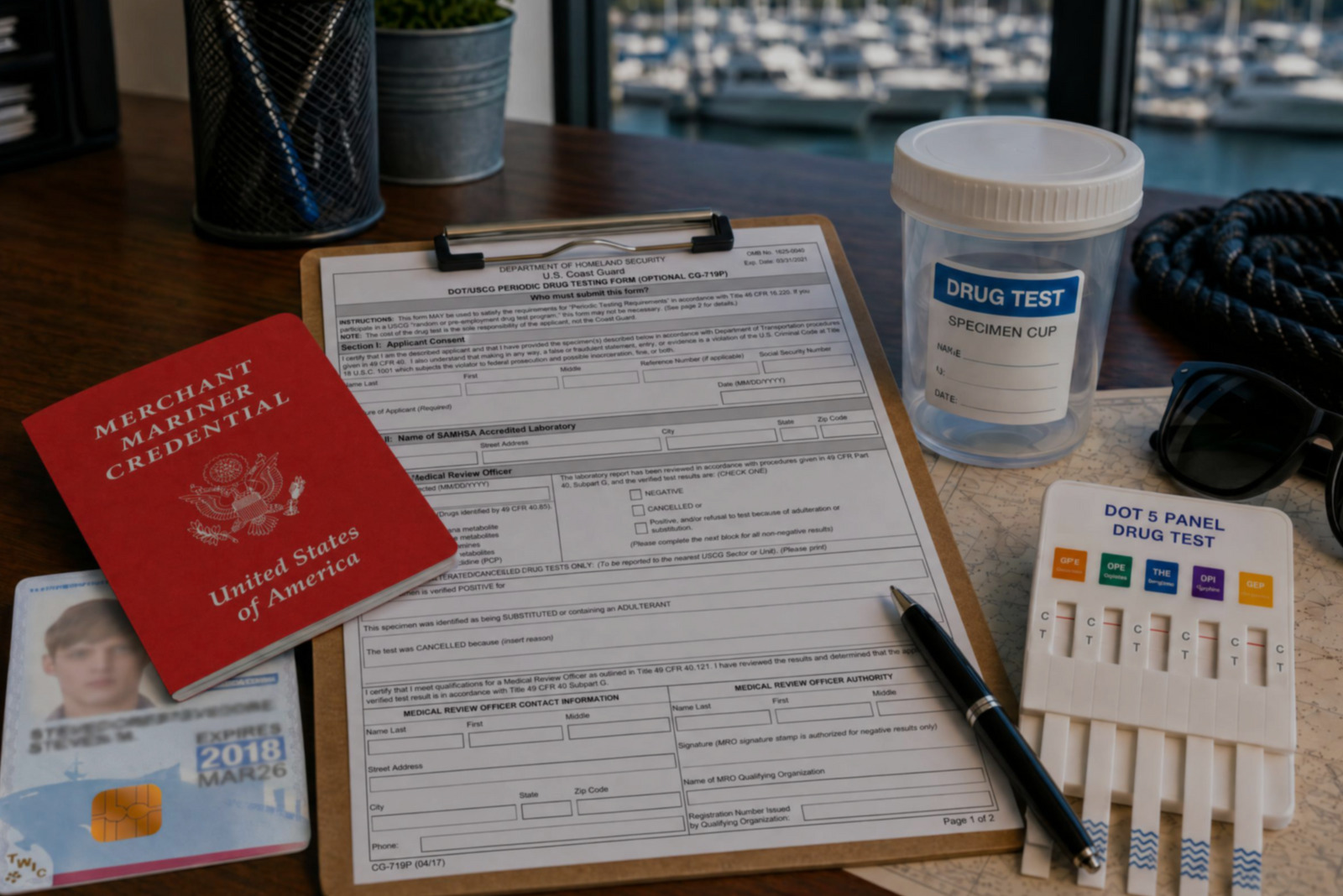

Discover the three types of drug tests working captains must submit to even after they’ve met the initial USCG drug testing requirements for their license.
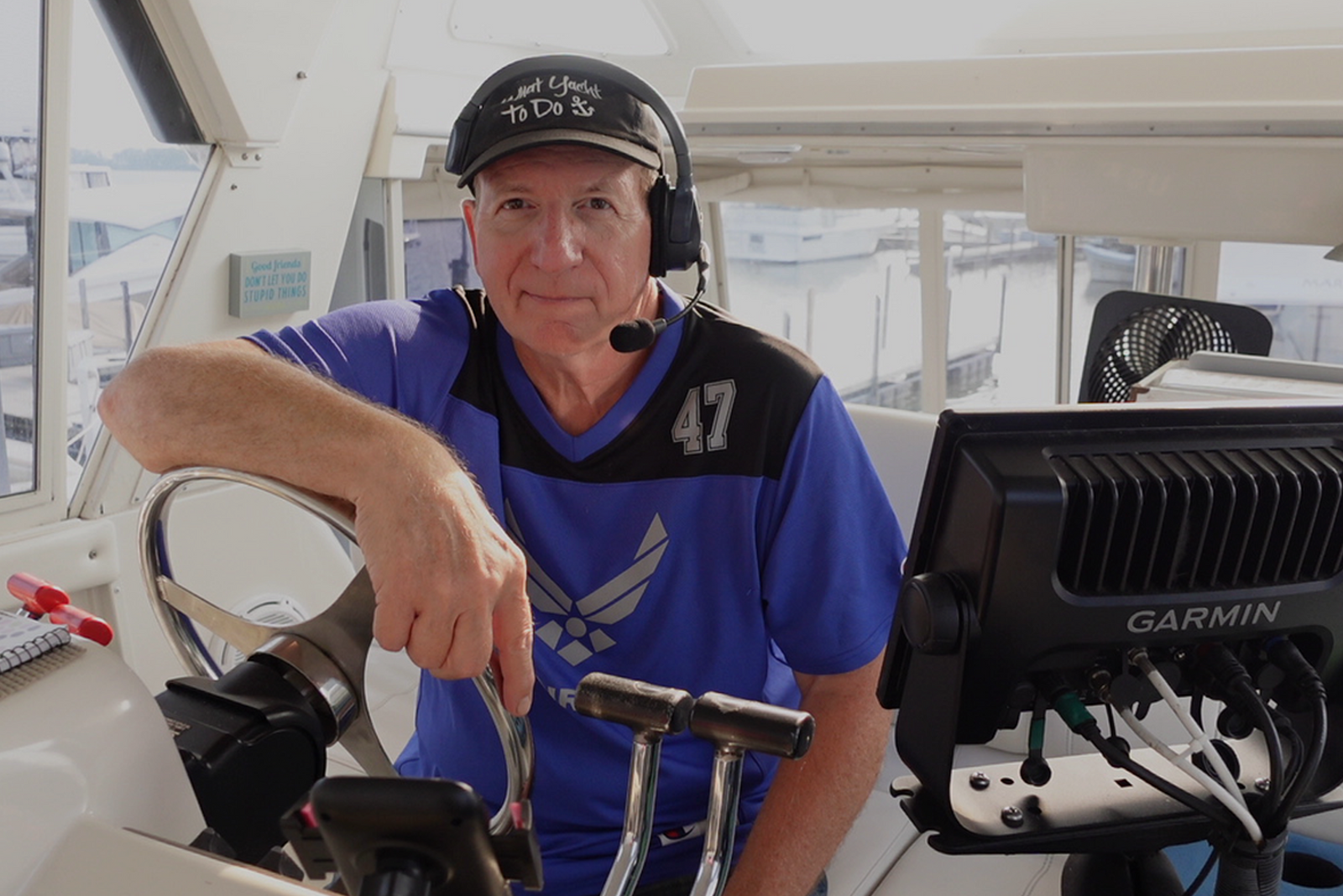

Discover how a retired airline pilot became obsessed with the Great Loop and built a thriving captain training business through Mariners Learning System.


Learn which substances the MMC drug test looks for, plus how masking agents and false positives factor in.


Discover the five most common mistakes mariners make on the captain’s license physical, plus a checklist for how to avoid them.
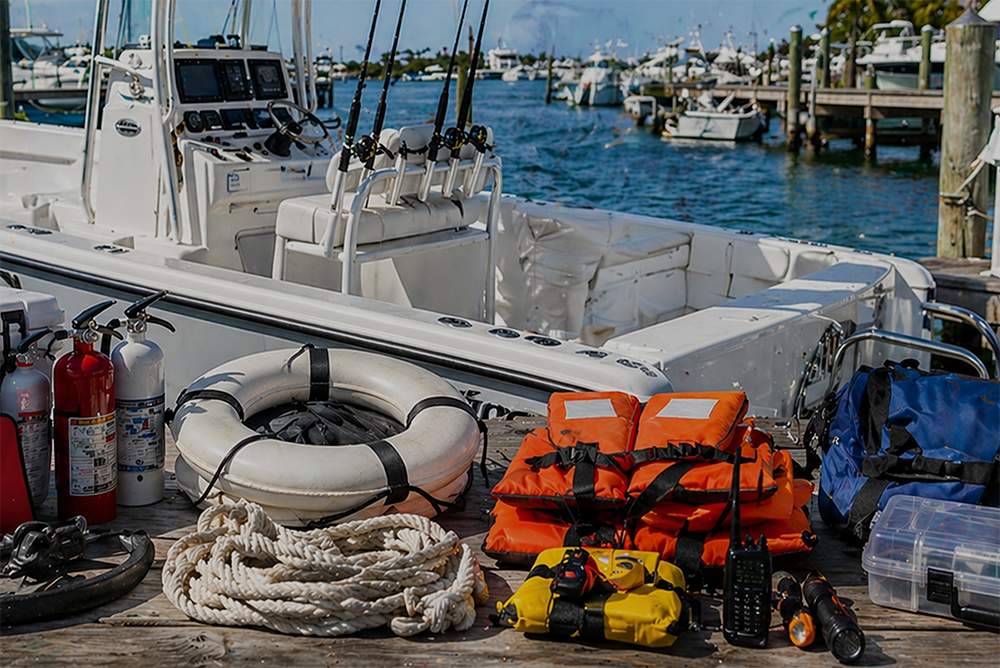

Discover why so many charter captains run out of money and how to plan every startup cost from your vessel purchase to guest-ready outfitting.

Learn how to build a charter business plan that covers pricing, expenses, and marketing so your captain’s license leads to lasting profit.

Transform how you talk about price with proven anchoring strategies and value-first framing that stops charter guests from shopping around.

Discover how charter captains use hybrid pricing models and seasonal adjustments to increase revenue and simplify bookings for every guest type.