

Meet Navi: Your 24/7 AI Instructor Inside the MLS Classroom
Unlock 24/7 access to Navi, an AI instructor trained on MLS course material, so you can ask questions, run practice quizzes, and nail your captain’s exam.


This fall, the U.S. Coast Guard made a significant change to captain’s license requirements that could make it easier for mariners to enter or re-enter the industry.
If you’ve been working toward your license or considering an upgrade, this update could significantly shorten the time it takes you to accrue adequate sea time.
With that in mind, let’s talk about the USCG recency requirement.
Getting your captain’s license involves checking off quite a few items on the Coast Guard’s must-have list. These requirements ensure you have the knowledge, experience, and qualifications to safely operate a vessel commercially:
That last requirement comes with an important detail: the USCG recency requirement.
The Coast Guard wants to ensure you’re current with your skills, not rusty from years away from the water. So it’s not enough to simply have 360 total days on the water. You need to show you’ve been active recently.
Until this fall, that meant 90 of your 360 days had to occur within the three years before your application date.

Here’s the big change: The USCG has extended its recency requirement from three years to seven years.
Under the old rule, if you had boating experience from four or five years ago, that time didn’t count toward recency (though it could qualify as part of overall sea time). If you didn’t have at least 90 days in the previous three years, you’d need to get back on the water and log more recent days before applying for your license.
The new rule allows you to use qualifying sea service from up to seven years ago to meet the recency requirement.

The Coast Guard’s policy update “harmonizes the recency period across all mariners,” according to their policy letter. Previously, those with relevant maritime experience in the uniformed services already had a seven-year recency window, while everyone else was limited to three years. Now all licensing follows the same standard.
According to a USCG notice on the policy change, the extended window also makes provision for the fact that life happens. In their words, the policy change “will allow mariners who had taken a short sabbatical from the maritime industry to re-enter the industry and use previously obtained sea service to raise the grade of their credentials without having to reacquire recent sea service.”
Maybe health issues kept you off the water for a year. Maybe you had to care for a family member. Under the new USCG recency requirement, you have much more breathing room to cite recent experience on the water.
If you previously applied for a captain’s license or upgrade and were denied because you didn’t meet the three-year recency requirement, you can reapply.
The policy letter specifically addresses this: “Mariners who had previously applied for a national officer endorsement that was denied because of having less than the required recent sea service may reapply if they meet the new recent service provisions described in this policy letter.”
You’ll need to submit a new application and pay the required fees again. But if your sea service now falls within that seven-year window, you could qualify where you didn’t before.
This update is a significant change that could make earning a captain’s license more attainable for many mariners.
If you’ve been hesitant to pursue your license because of the three-year recency requirement, take another look at your total experience. Days that were too old to count under the old rule might qualify with the new seven-year window.
The USCG recognizes the reality of how careers and lives unfold, even as they work to ensure the safety of commercial operations on the water. So check that sea time, count those days, and see if you’re closer to qualifying than you thought.
Ask a question, share an experience, or add a helpful tip related to this article. Comments may appear after review to prevent spam.
Unlock 24/7 access to Navi, an AI instructor trained on MLS course material, so you can ask questions, run practice quizzes, and nail your captain’s exam.


Learn what questions to ask and how to prepare for a captain’s license drug test to ensure you avoid the most common application delays.
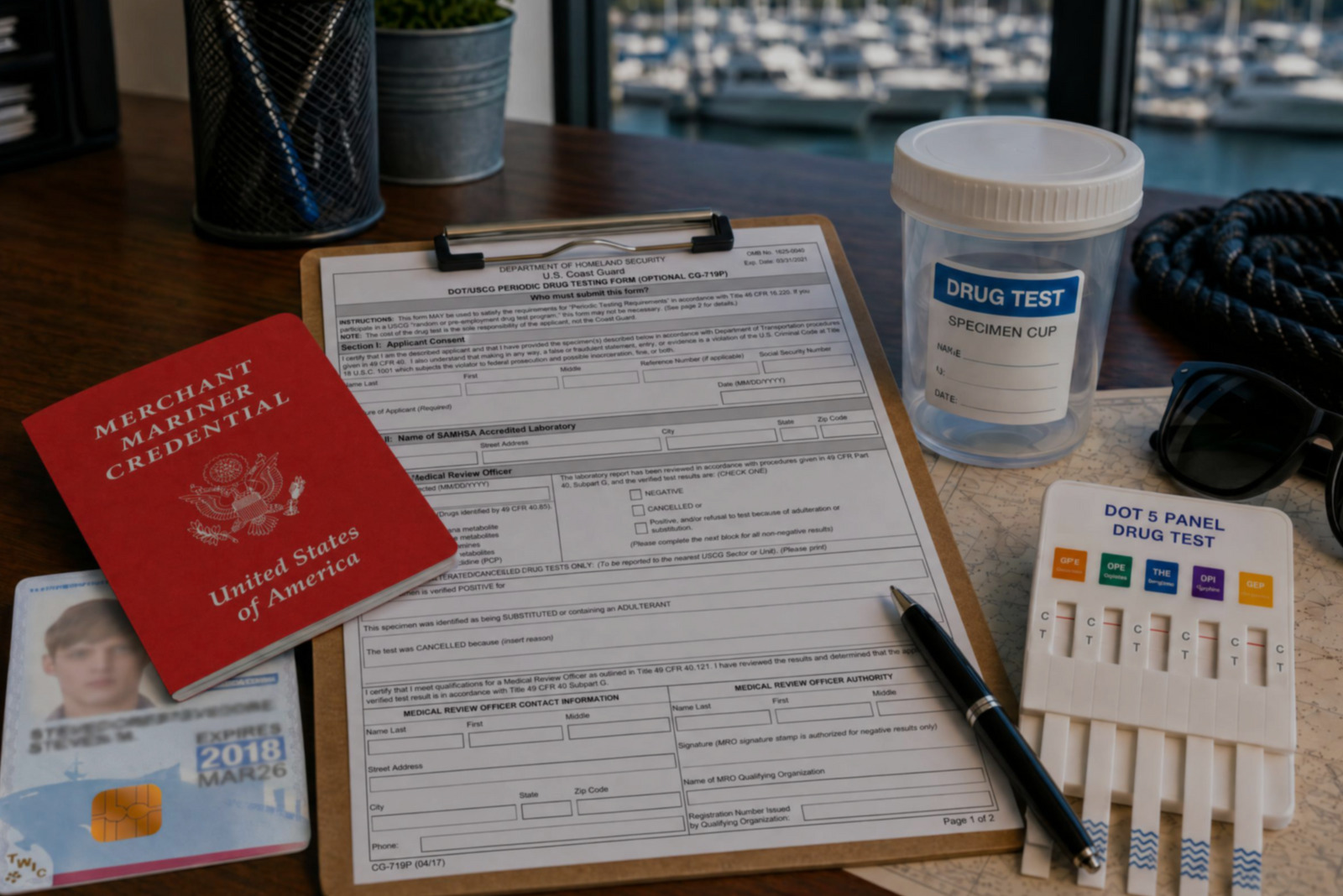

Discover the three types of drug tests working captains must submit to even after they’ve met the initial USCG drug testing requirements for their license.
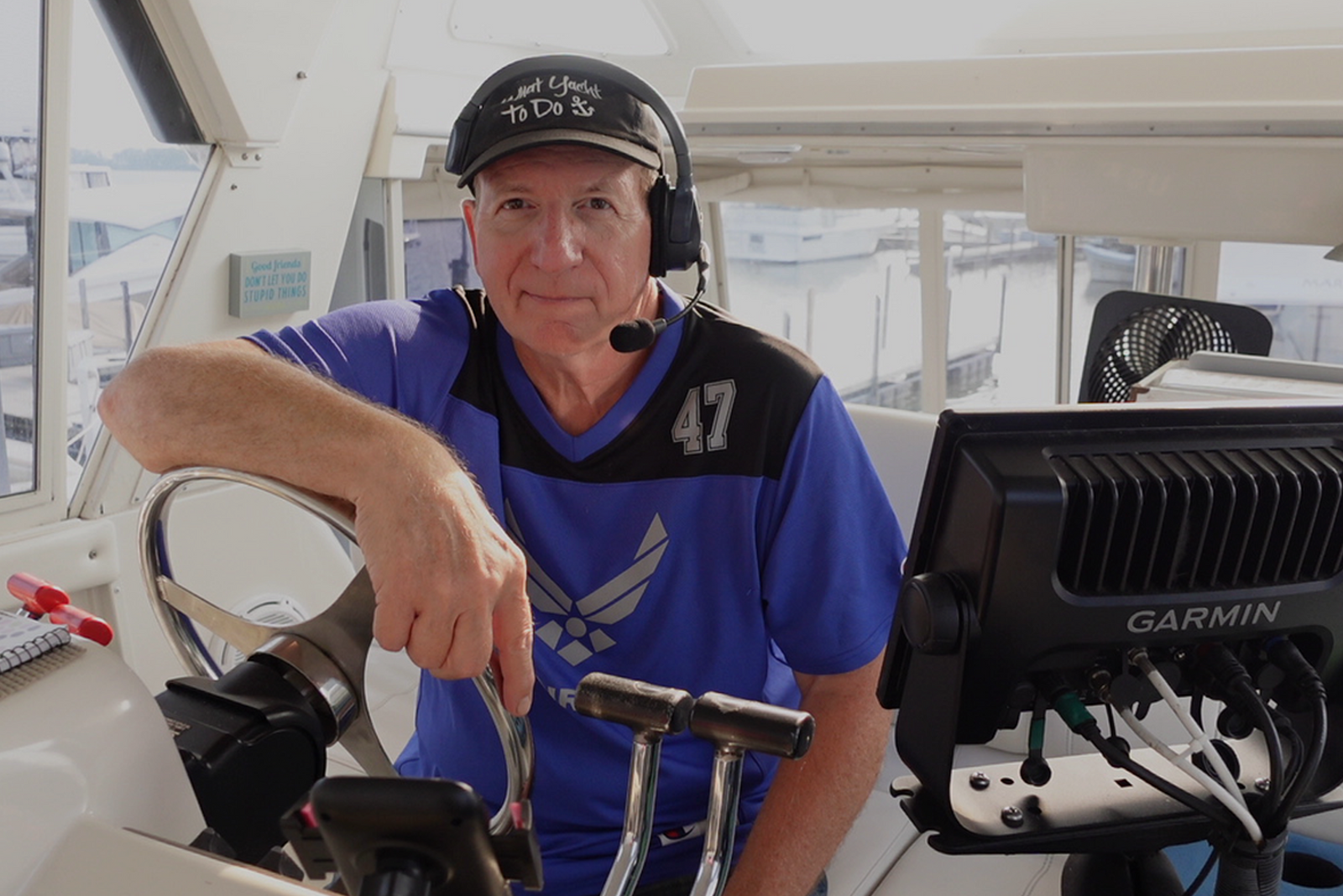

Discover how a retired airline pilot became obsessed with the Great Loop and built a thriving captain training business through Mariners Learning System.


Learn which substances the MMC drug test looks for, plus how masking agents and false positives factor in.


Discover the five most common mistakes mariners make on the captain’s license physical, plus a checklist for how to avoid them.
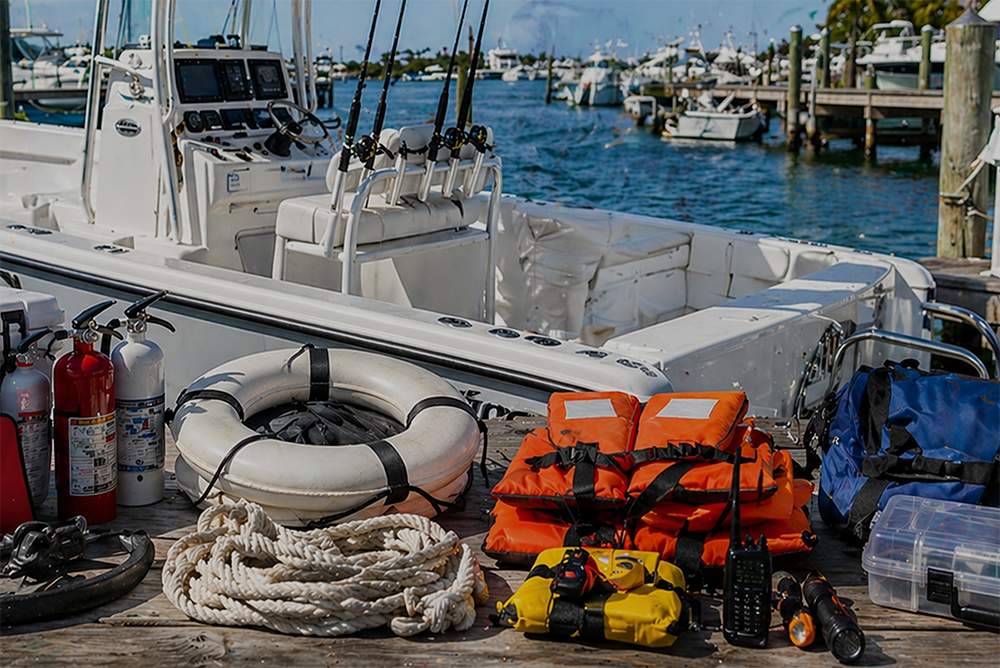

Discover why so many charter captains run out of money and how to plan every startup cost from your vessel purchase to guest-ready outfitting.

Learn how to build a charter business plan that covers pricing, expenses, and marketing so your captain’s license leads to lasting profit.


Transform how you talk about price with proven anchoring strategies and value-first framing that stops charter guests from shopping around.


Discover how charter captains use hybrid pricing models and seasonal adjustments to increase revenue and simplify bookings for every guest type.