

Meet Navi: Your 24/7 AI Instructor Inside the MLS Classroom
Unlock 24/7 access to Navi, an AI instructor trained on MLS course material, so you can ask questions, run practice quizzes, and nail your captain’s exam.
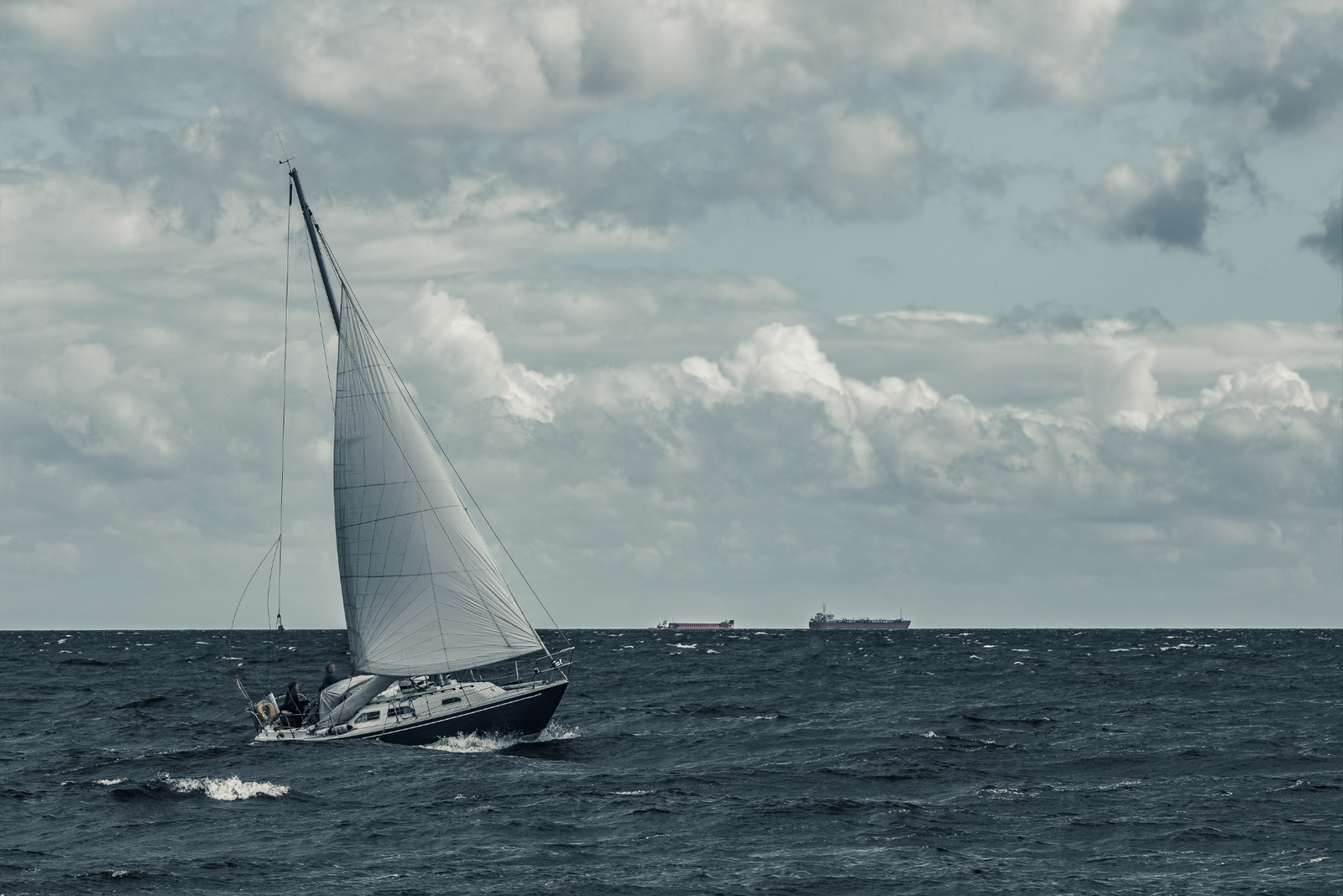

I once ran a charter on the Chesapeake Bay. It was a beautiful day, and my passengers had a great time. But the experience turned dangerous when a sudden storm rolled in. We faced thunder, lightning, horizontal rain, and rough waves.
The Chesapeake Bay is a large body of water, so it’s common for afternoon storms to develop suddenly. They can get severe, with whiteouts limiting visibility and winds accelerating from five to 50 knots in minutes. Storms create chaos and dangerous situations when surrounded by other boaters.
But, earlier, when the sun was still shining, I did what I always do: I taught my passengers what to expect in a storm and how to respond. As chaos kicked up around us, they saw me doing what I told them I would, and they followed my lead.
Preparation made our boat calm in the middle of the storm. Everyone knew what to do, and we safely returned to shore.
This experience reinforced several key lessons:
What should you do if caught in severe storm conditions? First, don’t panic. Next, follow these guidelines to stay safe.

If a weather forecaster is right 50% of the time, they’re a superstar. So when you can’t trust your favorite weather app, rely on your preparation and experience.
Here are four ways to prepare for severe weather:
Simply talking about your emergency plans goes a long way toward keeping people safe in an emergency. Teach everyone on board what to do in case of severe weather. This knowledge keeps passengers calm, and you’ll have less to worry about as a captain.
The situation will end better if you have a group of prepared individuals you direct rather than a group looking to you to resolve the emergency.
Hands-on practice with safety equipment and emergency procedure run-throughs helps passengers prepare for storms, man-overboard situations, and evacuations.
Be sure to offer safety training correctly: project calm confidence, not impending doom. You’ll get a better response from your passengers.
No matter the forecast, you must conduct a thorough equipment safety check before you leave the dock. This includes inspecting gear, such as flares, fire extinguishers, first aid kits, and life jackets.
Water pumps are especially critical during a storm. To stay afloat, you must drain water out of your boat faster than it comes in. I always double- and triple-check my bilge pumps before heading out.
Lights and battery-powered emergency backups are also important pieces of equipment. Ensure your lights work should you lose power. If you have multiple light lenses, inspect them all, including red lenses that protect your night vision.
Pay special attention to your radio and phone before you leave the dock. When caught in severe storm conditions, they’re your lifelines, so ensure they transmit and receive correctly.
While you check your radio equipment, show one or two responsible passengers what you’re doing. Familiarizing additional people with the radio equipment can save everyone if a storm incapacitates you.
Additionally, ensure someone on land knows where you are and how long you plan to be on the water. This is called a float plan, and it ensures someone comes looking for you if you aren’t on time.
Finally, have a map and GPS ready for navigation. If you need help, you need to pinpoint your exact location.
Look up the weather before you head out, then check it during your trip. In addition, check the weather forecast through apps or Coast Guard updates on your VHF radio.
Of course, the easiest way to track the weather is to watch it yourself. Over time (and through study), you’ll learn to spot the signs of worsening weather. For example, I may not know all the clouds’ scientific names, but I recognize which might brew into a storm.
Barometers offer another simple early-warning system for storms. If it drops quickly, look for shelter!
If you notice a storm brewing, immediately protect yourself, your passengers, and your vessel. Aside from seeking shelter, you must:
You need to make many quick decisions if caught in severe weather. The most important decision is whether to seek shelter or ride out the storm.
Several factors influence this decision, such as:
Abandoning your boat is the last resort in a life-threatening situation. Your boat is always a better place to be than the water unless a fire gets out of control. Even then, stay on your boat as long as possible.
But if worse comes to worst, you need to know the proper procedure to leave the boat quickly and safely in a storm. Follow these steps:
If you decide to abandon ship, follow these tips to avoid common mistakes:
Many people unknowingly put themselves at risk, but the Coast Guard acts as their insurance policy. Beyond immediate emergencies, the Coast Guard plays a key role in keeping boaters safe before, during, and after storms.
The Coast Guard regulates boaters to ensure they’re prepared for emergencies and effective rescues. They set rules regarding safety equipment and standards, distress calls, and what to do if caught in severe weather conditions.
The Coast Guard also requires that boats have the proper safety gear on board, including life jackets, signaling devices, and communication equipment. These are minimum requirements. I always encourage students to purchase extra or premium safety gear.
During an emergency, the Coast Guard will come to your aid. Follow these procedures when you need help:
After a rescue, boaters must report incidents to the Coast Guard or other authorities. This information includes accidents, injuries, deaths, or significant boat damage.
Accurate reporting creates helpful safety statistics, leading to changes in regulations that prevent future incidents.
Knowing what to do if caught in severe weather conditions is crucial for you and your passengers. If you want to learn more about staying safe in all conditions, pursue a captain’s course with Mariners Learning System.

Ask a question, share an experience, or add a helpful tip related to this article. Comments may appear after review to prevent spam.
Unlock 24/7 access to Navi, an AI instructor trained on MLS course material, so you can ask questions, run practice quizzes, and nail your captain’s exam.


Learn what questions to ask and how to prepare for a captain’s license drug test to ensure you avoid the most common application delays.
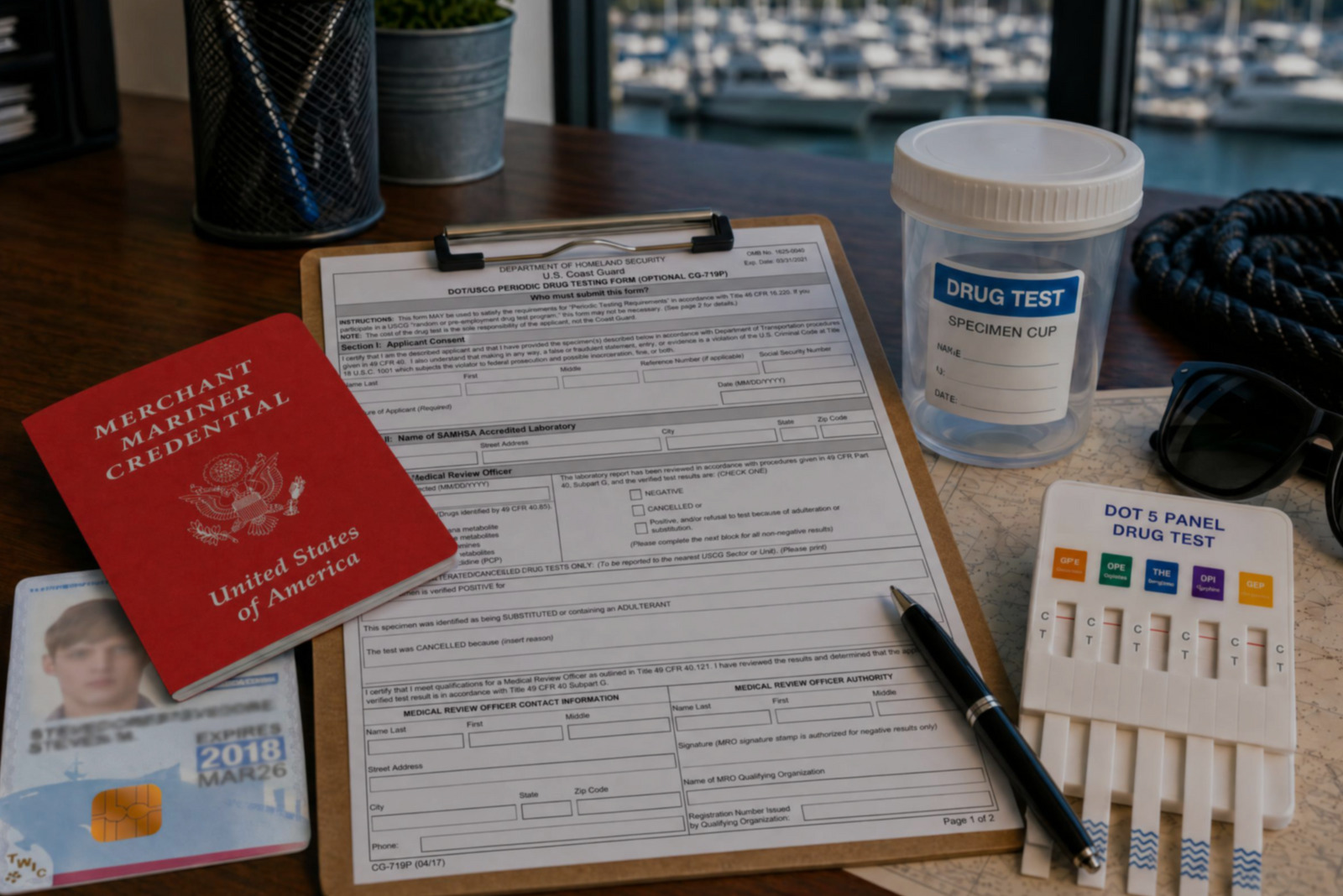

Discover the three types of drug tests working captains must submit to even after they’ve met the initial USCG drug testing requirements for their license.

Discover how a retired airline pilot became obsessed with the Great Loop and built a thriving captain training business through Mariners Learning System.


Learn which substances the MMC drug test looks for, plus how masking agents and false positives factor in.
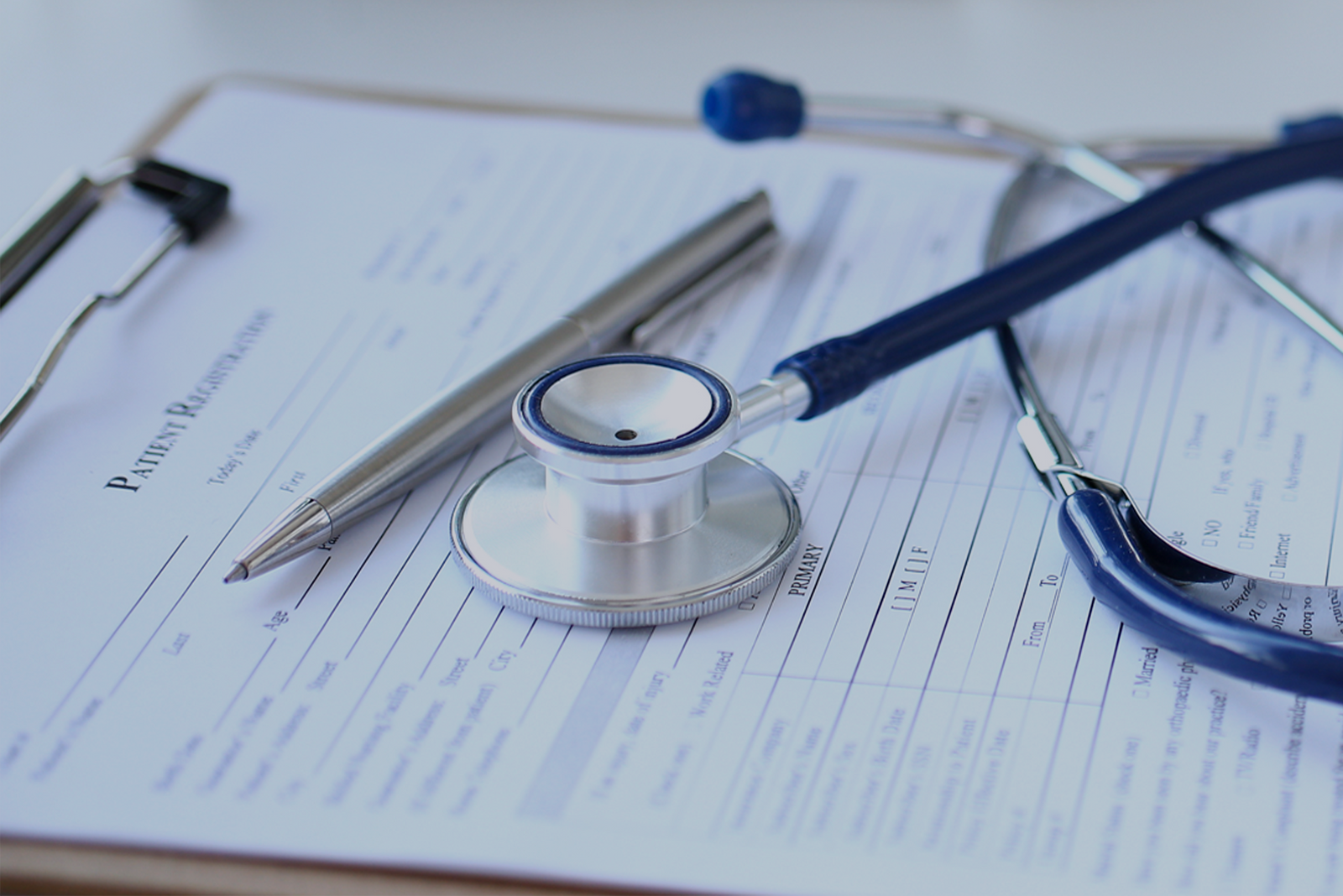

Discover the five most common mistakes mariners make on the captain’s license physical, plus a checklist for how to avoid them.
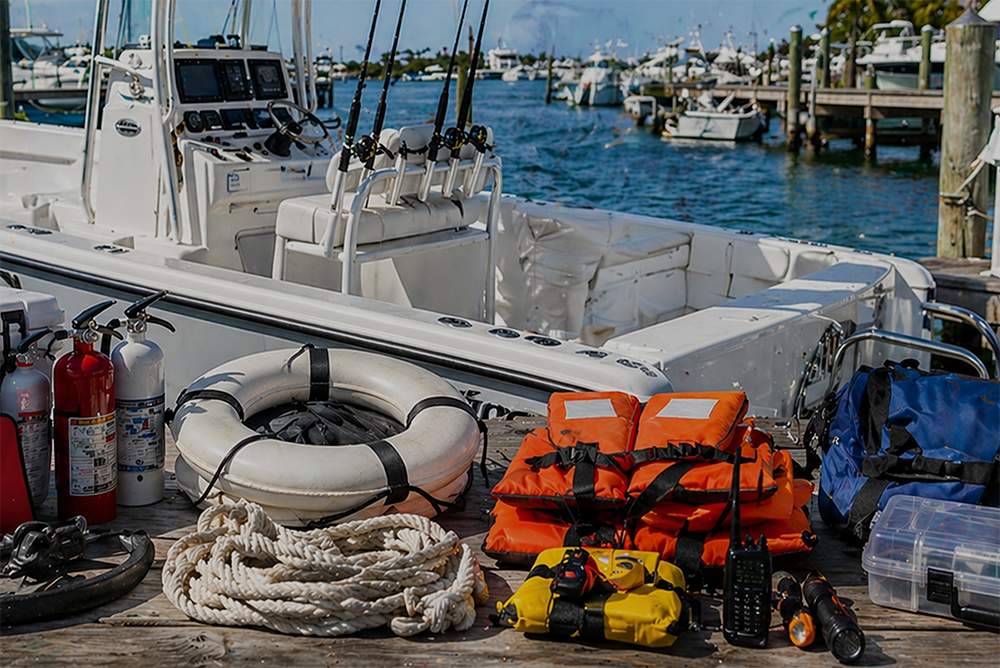

Discover why so many charter captains run out of money and how to plan every startup cost from your vessel purchase to guest-ready outfitting.
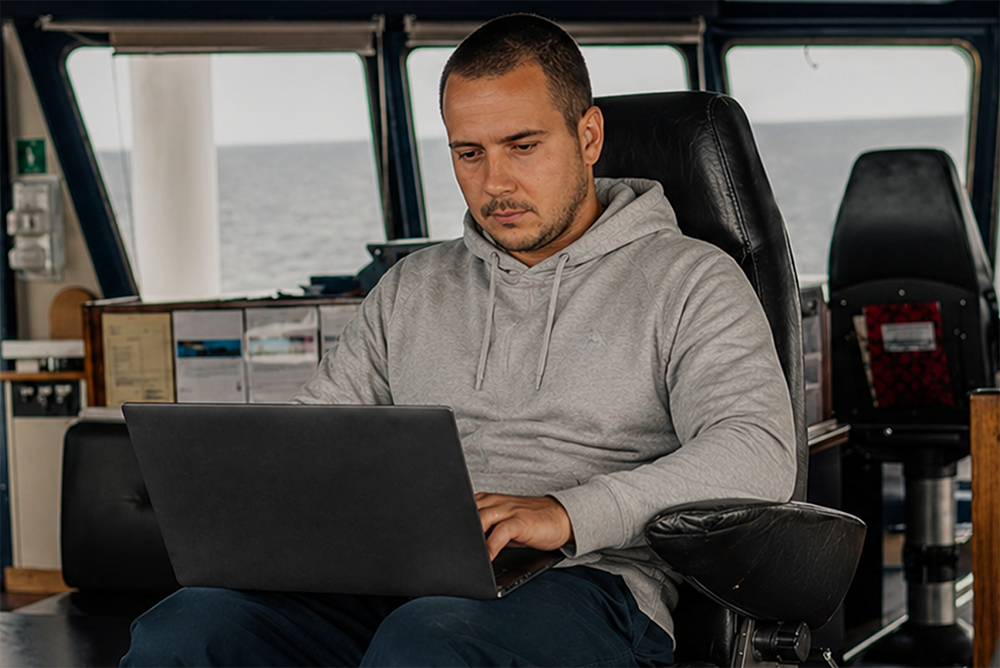

Learn how to build a charter business plan that covers pricing, expenses, and marketing so your captain’s license leads to lasting profit.
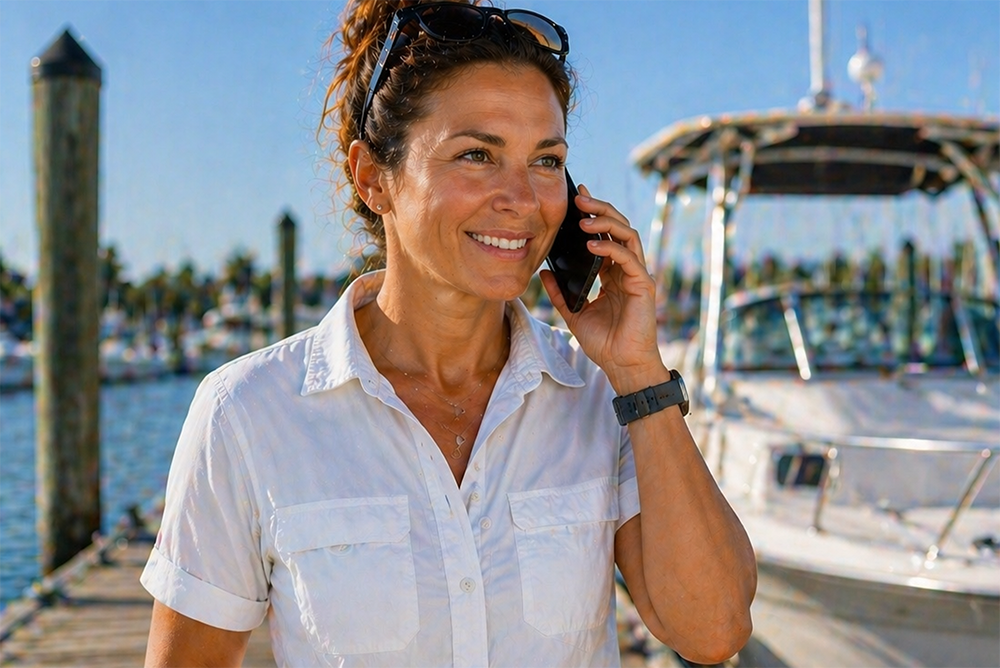

Transform how you talk about price with proven anchoring strategies and value-first framing that stops charter guests from shopping around.

Discover how charter captains use hybrid pricing models and seasonal adjustments to increase revenue and simplify bookings for every guest type.