

Meet Navi: Your 24/7 AI Instructor Inside the MLS Classroom
Unlock 24/7 access to Navi, an AI instructor trained on MLS course material, so you can ask questions, run practice quizzes, and nail your captain’s exam.


The captain’s license physical is a medical exam to qualify for a Merchant Mariner Credential and is completed on Coast Guard form CG-719K. It must be performed by a licensed physician, physician’s assistant, or nurse practitioner, and it must be completed within 12 months of your application date. Common errors that delay license approval include using an outdated form, missing signatures or dates, and having the exam performed by an unqualified provider.
After nearly 25 years helping aspiring captains earn their Merchant Mariner Credential, I can tell you with certainty that the captain’s license physical itself isn’t what trips most people up. It’s the paperwork around the physical.
The captain’s license physical exam is straightforward once you know what’s expected. But when it comes to delayed applications, I see the same errors come up again and again. They’re small mistakes, and every one of them is preventable.
Here’s what to watch out for, and what to do instead.

The captain’s license physical is documented on an official Coast Guard form called the CG-719K. Every version of this form has an approval date printed in the upper right-hand corner.
If the date on your form has passed, the Coast Guard may not accept it. I always tell students to download the form directly from the Mariners Learning System website right before their appointment, not months in advance. That way, you know you’re working with the most up-to-date version.
The CG-719K is a 10-page document. I want you to read that number again: 10 pages. That surprises a lot of people who expect a simple one-page checkup form.
Your examining provider will complete the majority of the form, but it’s your job to make sure every page and every line actually gets filled out. A single missing checkbox or blank field can land your application in what I call the “wrong pile” at the National Maritime Center, and getting it back on track could cost you months.

Doctors are busy. They move from patient to patient, and most don’t fill out the CG-719K on a daily basis. Even if they fill out all the medical information on your form, it’s very easy for them to sign one page and forget another, or to sign without writing the date.
A signature without a date is worthless to the Coast Guard. Every required signature on the form must be accompanied by a date, so check the form before you walk out of that office.
The Coast Guard is very specific about who can sign off on your captain’s license physical. It must be one of three types of licensed providers: a medical doctor, a nurse practitioner, or a physician’s assistant.
That’s it. Not a chiropractor. Not a registered nurse. Not your neighbor who happens to be a retired cardiologist but isn’t your treating physician. If the person who performed your exam doesn’t fall into one of the three categories above, the form is invalid and you’ll be starting over.
Once your examining provider signs the CG-719K, the clock starts ticking. You have exactly 12 months from that date to submit your completed form to the Coast Guard.
I’ve watched people have to repeat their physical because they pushed up against that deadline and didn’t make it. There’s no grace period here, so it’s important to stay on top of the schedule.
Before you ever set foot in a clinic, download the CG-719K and read through it. You don’t need to fill it out, but you want to understand exactly what the doctor will be evaluating. That way, nothing catches you off guard and you’ll have an easier time reviewing the form for errors or omissions later.
This also gives you the chance to gather what you’ll need to bring to the exam: a list of your current medications, a list of any past surgeries or diagnoses with approximate dates, and any relevant records if you have an existing medical condition.
Most clinics don’t perform the captain’s license physical frequently. Some have never seen the CG-719K before.
I’ve had students tell me that bringing printed instructions to their appointment made the whole process go more smoothly. By handing the provider both the form and a clear explanation of what’s required, you’re taking control of the process rather than leaving things to chance.
Don’t assume your doctor’s office can perform this exam. Call ahead and confirm that the provider you’re seeing is a U.S.-licensed physician, physician’s assistant, or nurse practitioner.
It’s a 30-second step and can save you an entire wasted trip.
This is the single most important tip I give. Before you leave the exam room, check every page of the CG-719K. Look for signatures, dates, the provider’s credentials, and any sections that may have been left blank.
Doctors are thorough, but they’re also human. A few of my students have caught missing checkboxes on the spot and gotten them corrected before walking out the door. You won’t have that opportunity once you’re home.
The best reason not to wait until the last minute to schedule your physical is simple: If something needs to be corrected or redone, you’ll have time to fix it.
Understanding the broader application timeline is important here as well. A captain’s license physical is valid for 12 months, but your drug test is only valid for six months. I generally recommend completing both near the end of your coursework so the timelines align and you’re not racing to submit before something expires.
The Coast Guard doesn’t require a physical just to make your application difficult. They require it to confirm that you’re medically fit to operate a commercial vessel and take responsibility for the people on board. That’s a reasonable standard, and meeting it is absolutely achievable (even for those with certain medical issues).
For most people, the greatest hurdle related to the captain’s license physical is the paperwork. But with a few simple precautions and a helpful checklist, you can keep your application out of the “wrong pile” and moving forward.
At Mariners Learning System, we’ve helped more than 200,000 students in their captain’s license pursuit. If you have questions about the physical, the forms, or any part of the application process, reach out. We’re here to help you get this right.
Ask a question, share an experience, or add a helpful tip related to this article. Comments may appear after review to prevent spam.
Unlock 24/7 access to Navi, an AI instructor trained on MLS course material, so you can ask questions, run practice quizzes, and nail your captain’s exam.


Learn what questions to ask and how to prepare for a captain’s license drug test to ensure you avoid the most common application delays.
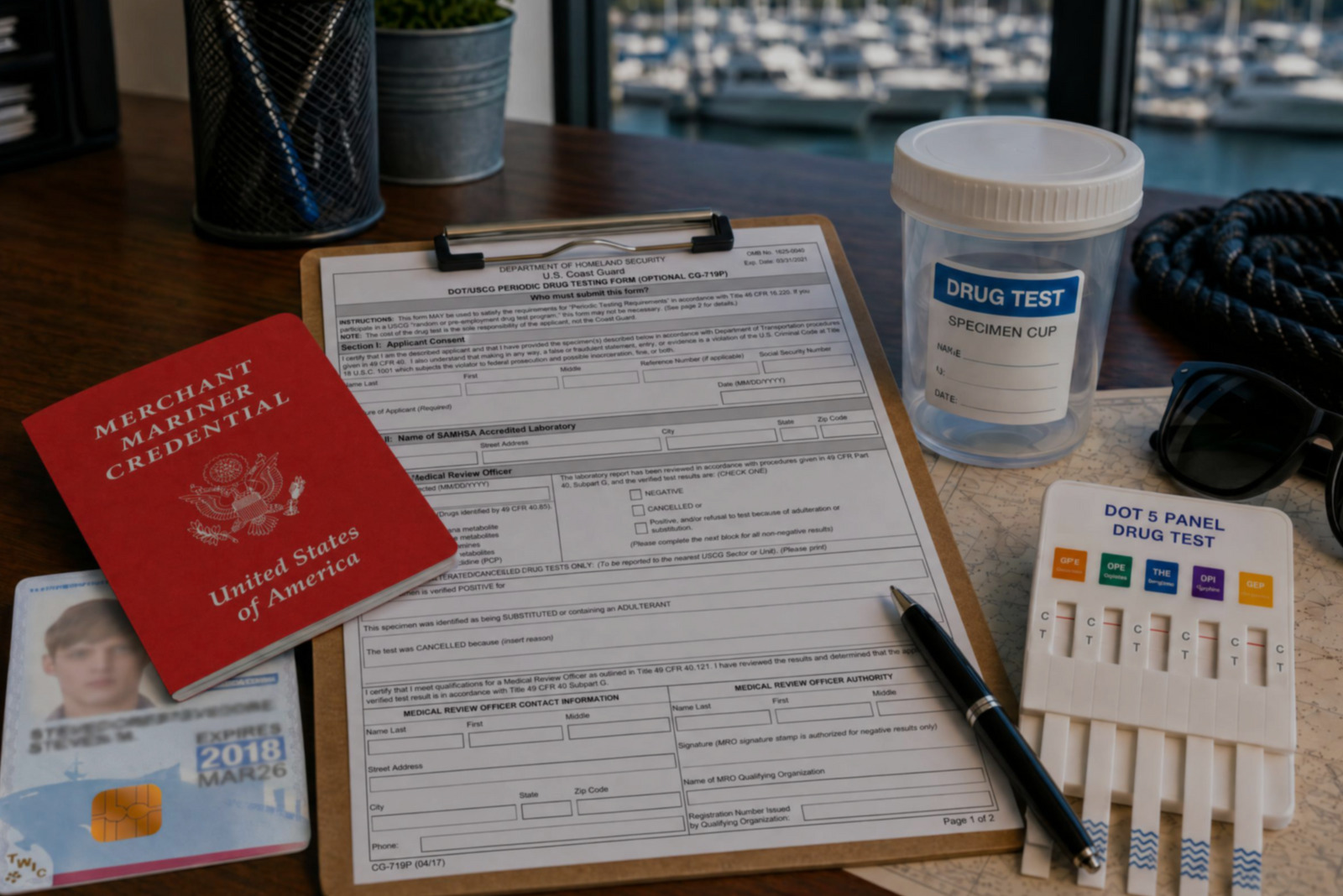

Discover the three types of drug tests working captains must submit to even after they’ve met the initial USCG drug testing requirements for their license.
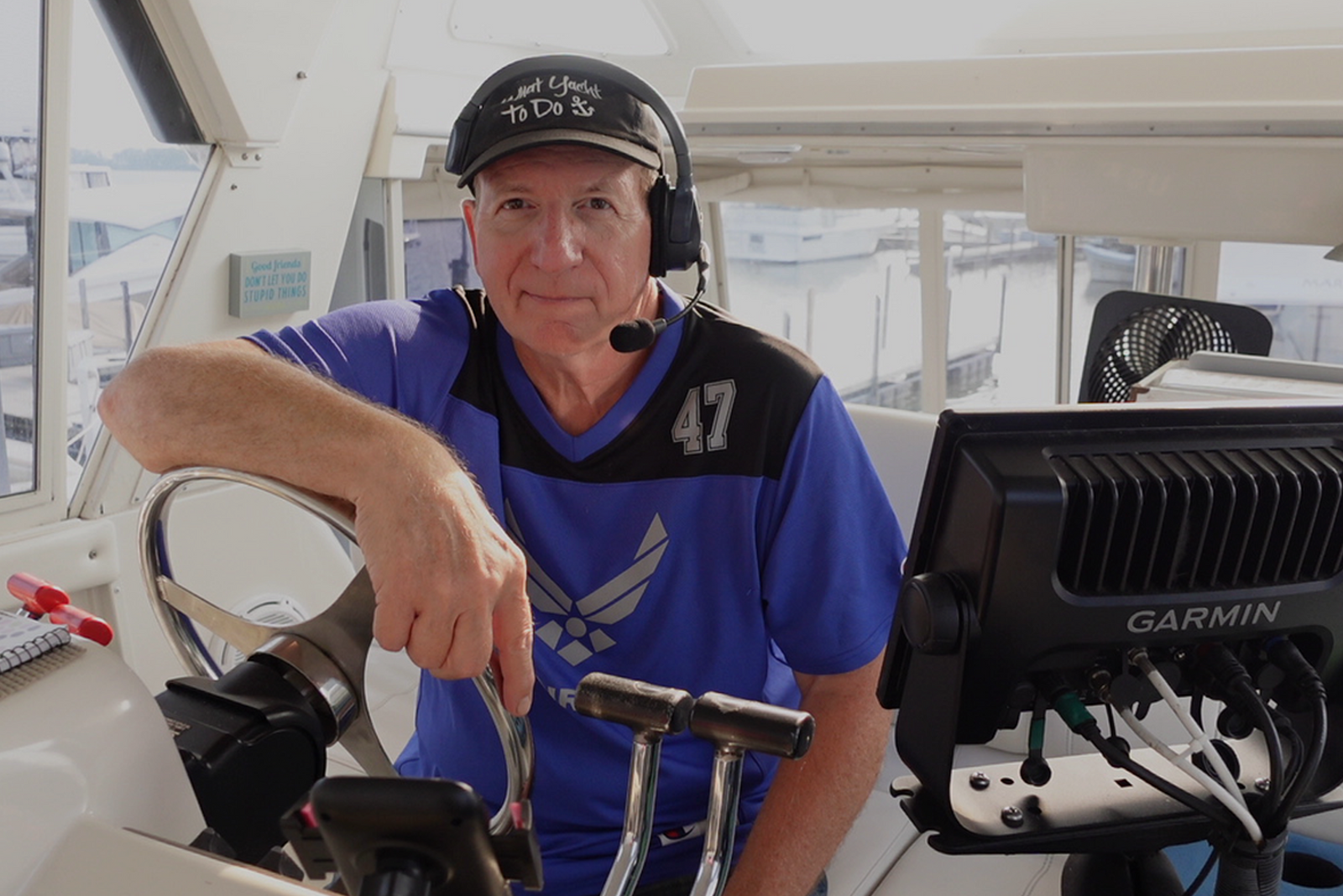

Discover how a retired airline pilot became obsessed with the Great Loop and built a thriving captain training business through Mariners Learning System.
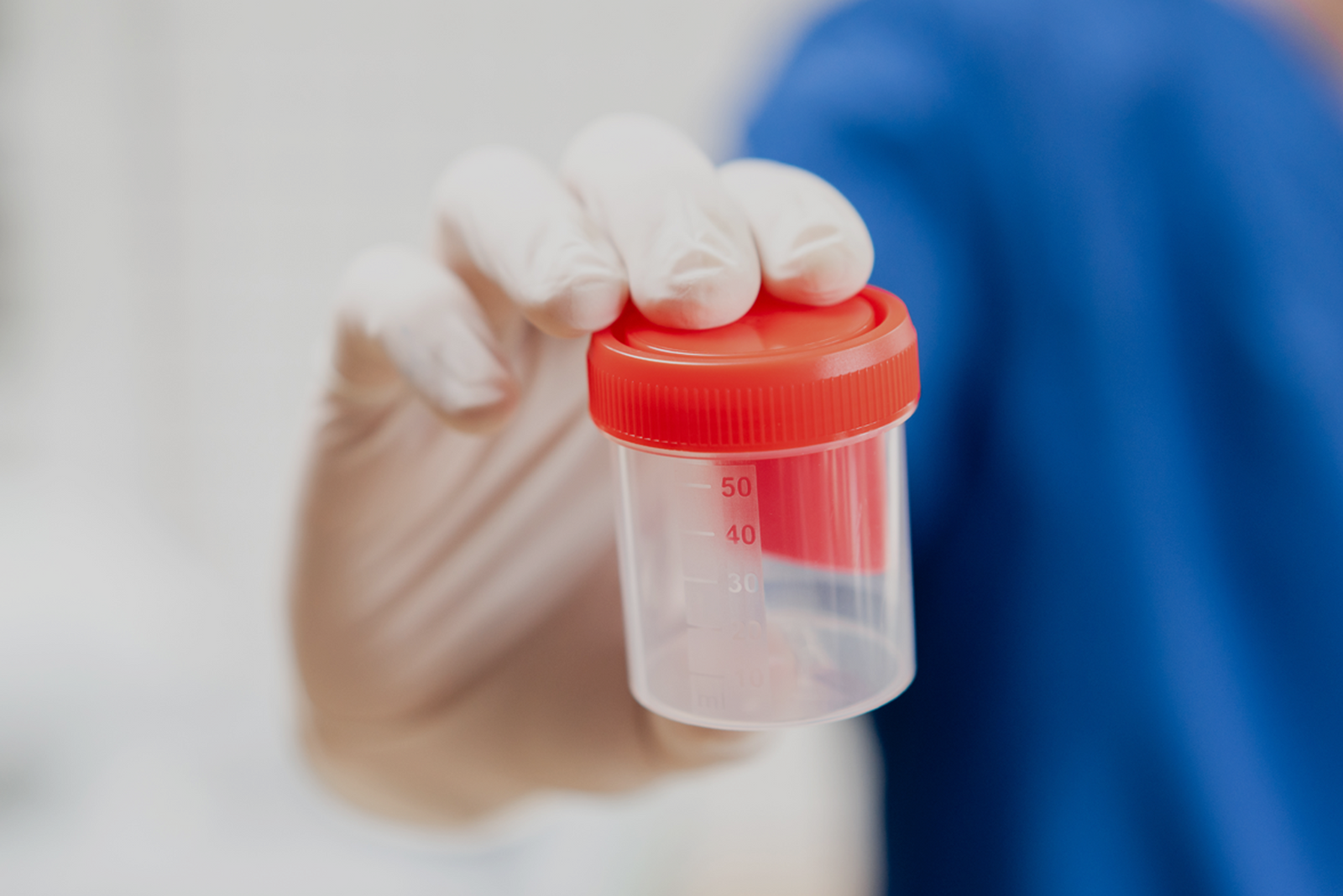

Learn which substances the MMC drug test looks for, plus how masking agents and false positives factor in.
Discover the five most common mistakes mariners make on the captain’s license physical, plus a checklist for how to avoid them.
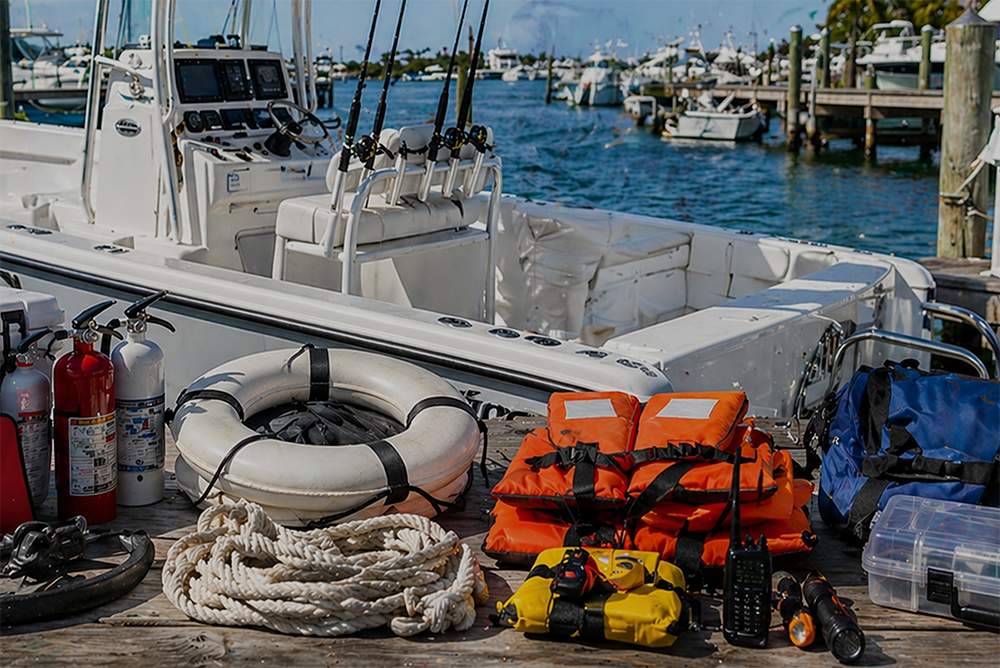

Discover why so many charter captains run out of money and how to plan every startup cost from your vessel purchase to guest-ready outfitting.

Learn how to build a charter business plan that covers pricing, expenses, and marketing so your captain’s license leads to lasting profit.

Transform how you talk about price with proven anchoring strategies and value-first framing that stops charter guests from shopping around.

Discover how charter captains use hybrid pricing models and seasonal adjustments to increase revenue and simplify bookings for every guest type.