

Meet Navi: Your 24/7 AI Instructor Inside the MLS Classroom
Unlock 24/7 access to Navi, an AI instructor trained on MLS course material, so you can ask questions, run practice quizzes, and nail your captain’s exam.


A captain’s license drug test is a DOT 5-panel urine test collected at a SAMHSA-certified lab, reviewed and signed by a Medical Review Officer (MRO), and submitted within six months of your application date. The most common mistakes that delay approval include going to the wrong facility, missing MRO documentation, and waiting too long to submit. Knowing exactly what to ask and how to vet a facility will help keep your application on track.

After more than 25 years in this industry, I can tell you that the captain’s license drug test is one of the most straightforward steps in the licensing process. But it’s also one of the most commonly botched.
Not because people fail the test. Having drugs in your system, of course, is the fastest way to delay your progress.
But most of the problems I see over and over again have nothing to do with the person’s test results. They have to do with going to the wrong facility, missing a required signature, or not timing the test correctly relative to the rest of the application.
The good news is that every one of these mistakes is avoidable. Follow this practical, step-by-step guide to getting the details of your captain’s license drug test right the first time.

This is where most problems start. People often search online, find a drug-testing facility nearby, and book an appointment without asking the right questions. Then they find out after the fact that the results won’t be accepted.
The Coast Guard has specific requirements for where and how your captain’s license drug test must be collected:
To avoid an unpleasant surprise and delay in your application, I recommend calling a facility ahead of time to verify they offer what you need. Ask exactly this:
“Do you offer the DOT 5-panel drug test with MRO review and chain of custody documentation for a Coast Guard captain’s license?”
A qualified facility will know what you’re talking about. If they hesitate or seem uncertain, call the next facility.
If you’re having trouble finding an approved location in your area, searching “DOT 5-panel drug test” along with your location is a good starting point.
The captain’s license drug test is valid for six months from the date of collection. That may sound like plenty of time, but I’ve watched students create headaches for themselves by testing too early.
Maybe you plan to finish your course at lightning speed, so you schedule your drug test around the same time you start your first lesson. But then life gets in the way, and the course takes longer than you intended. You may find yourself needing to retest before you submit your application.
At Mariners, we generally recommend waiting until you’re near the end of your course before scheduling your test. That way, the six-month window aligns with when you’ll actually be applying.
Timing matters on the other end, too. Don’t wait until the absolute last minute to schedule. If something goes wrong and you need to retest, you want time to get it done before your window closes.
This step costs nothing and prevents a surprising number of problems.
When you arrive at your chosen facility, tell them specifically that you need a drug test for a United States Coast Guard captain’s license. Don’t just ask for a DOT drug test and leave it at that.
Why does this matter? Some facilities offer multiple types of testing, and not all testing includes the MRO review or chain of custody documentation the Coast Guard requires. By telling the facility up front what the test is for, you’re giving them the information they need to make sure the right process is followed from the start.
One of my students in the Midwest had this exact experience. When they initially asked about a DOT drug test, one lab was ready to run the panel. However, the facility didn’t have a relationship with an MRO to certify the results. When the student clarified they needed the test for a Coast Guard license, the lab realized they couldn’t fulfill the requirements and redirected the student to another facility, preventing a further waste of time or money.
Before you walk into a drug-testing facility, download and print the Coast Guard drug testing form, CG-719P, from the Mariners Learning System website. We’ll always have the most current form available, so you know it’s valid.
Facilities that can handle captain’s license drug testing should have it on hand, but it’s a good idea to print your own to ensure you have the most up-to-date version.
Wherever possible, confirm that your name, date of collection, and identifying information are all correctly recorded on all documentation, including on the test collection. These details sound minor, but a mismatch between your test results and your application will cause a rejection.
You won’t be able to verify chain of custody or the MRO signature on the spot since those happen after the fact, but you can ensure the lab uses an MRO. You can also make sure your form is complete and accurate.
Once your results are finalized and the MRO has signed off, keep a copy of the complete documentation for your own records. Scan it and save a digital backup as well.
You’ll be submitting your application as a PDF to the Coast Guard. Having clean, complete, clearly scanned documentation, without shadows or blurs, makes the process easier and reduces the risk of something being flagged for illegibility or missing information.
The captain’s license drug test itself is simple. What causes delays is, most often, a problem with the details surrounding it. But if you follow the steps above, the drug test won’t be what slows you down.
At Mariners Learning System, we’ve helped more than 200,000 aspiring captains with details like these. We never want paperwork to be the roadblock that slows you down. If you have questions about any part of the process, reach out to our team. We’re here to help.
Ask a question, share an experience, or add a helpful tip related to this article. Comments may appear after review to prevent spam.
Unlock 24/7 access to Navi, an AI instructor trained on MLS course material, so you can ask questions, run practice quizzes, and nail your captain’s exam.
Learn what questions to ask and how to prepare for a captain’s license drug test to ensure you avoid the most common application delays.
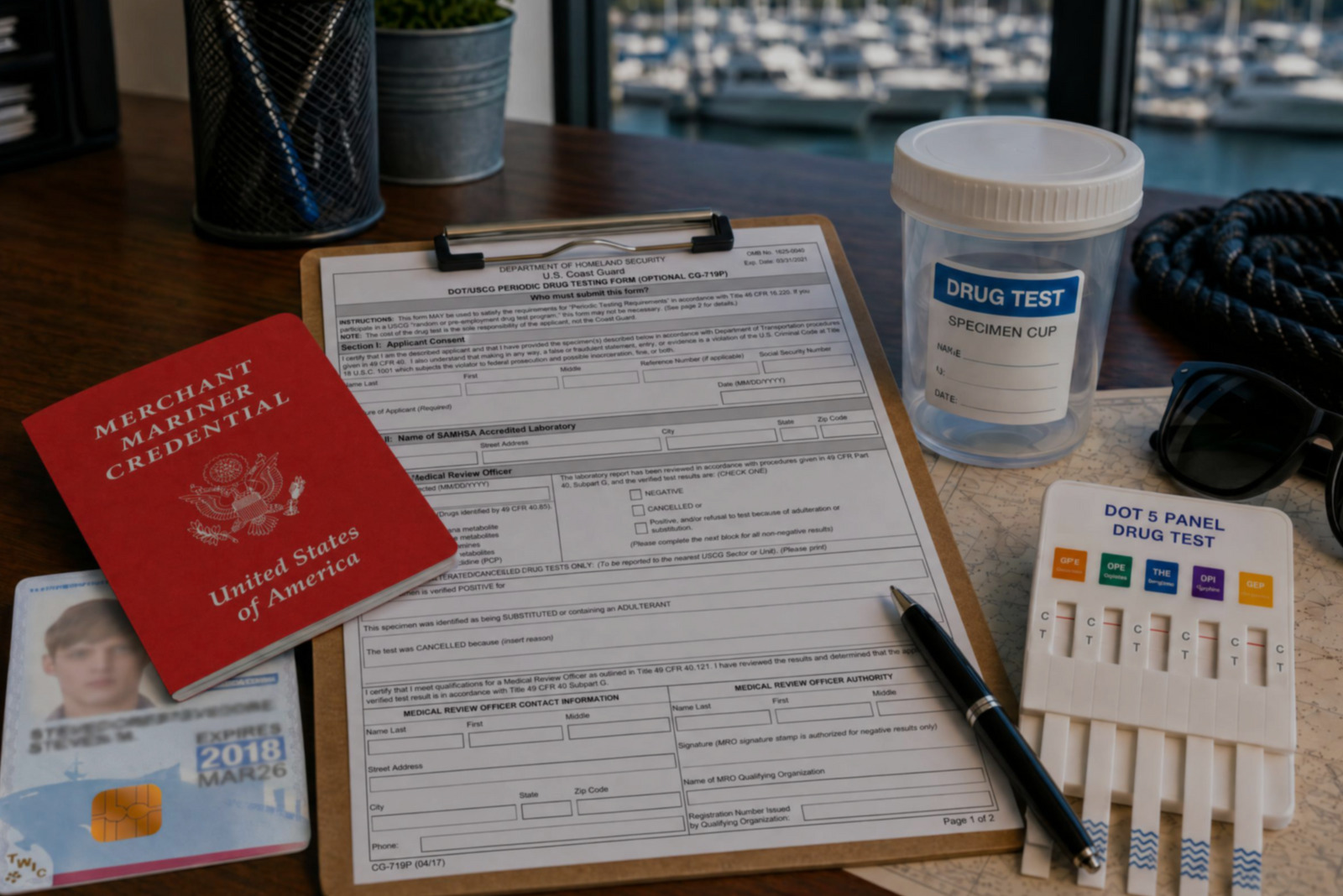

Discover the three types of drug tests working captains must submit to even after they’ve met the initial USCG drug testing requirements for their license.

Discover how a retired airline pilot became obsessed with the Great Loop and built a thriving captain training business through Mariners Learning System.
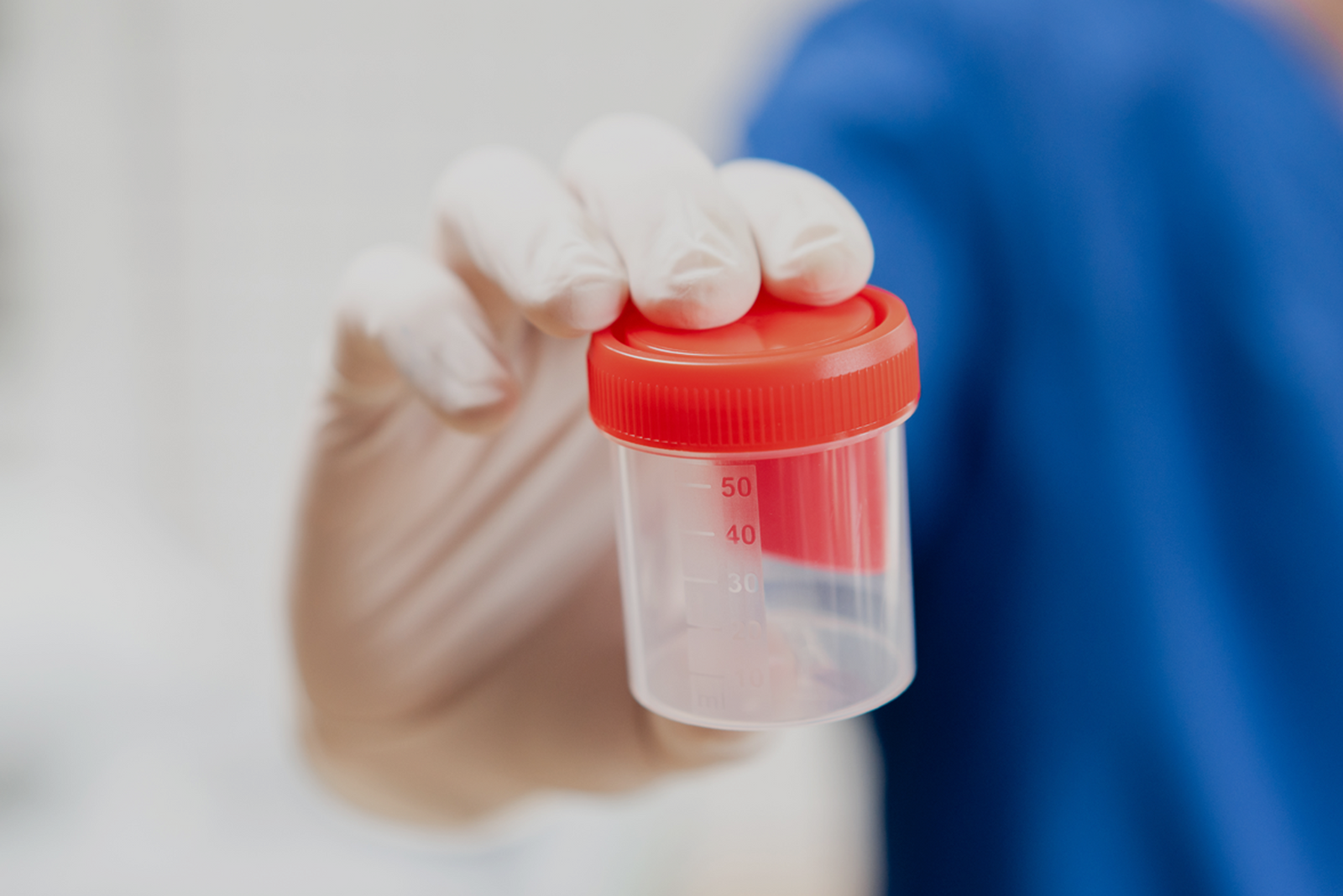

Learn which substances the MMC drug test looks for, plus how masking agents and false positives factor in.
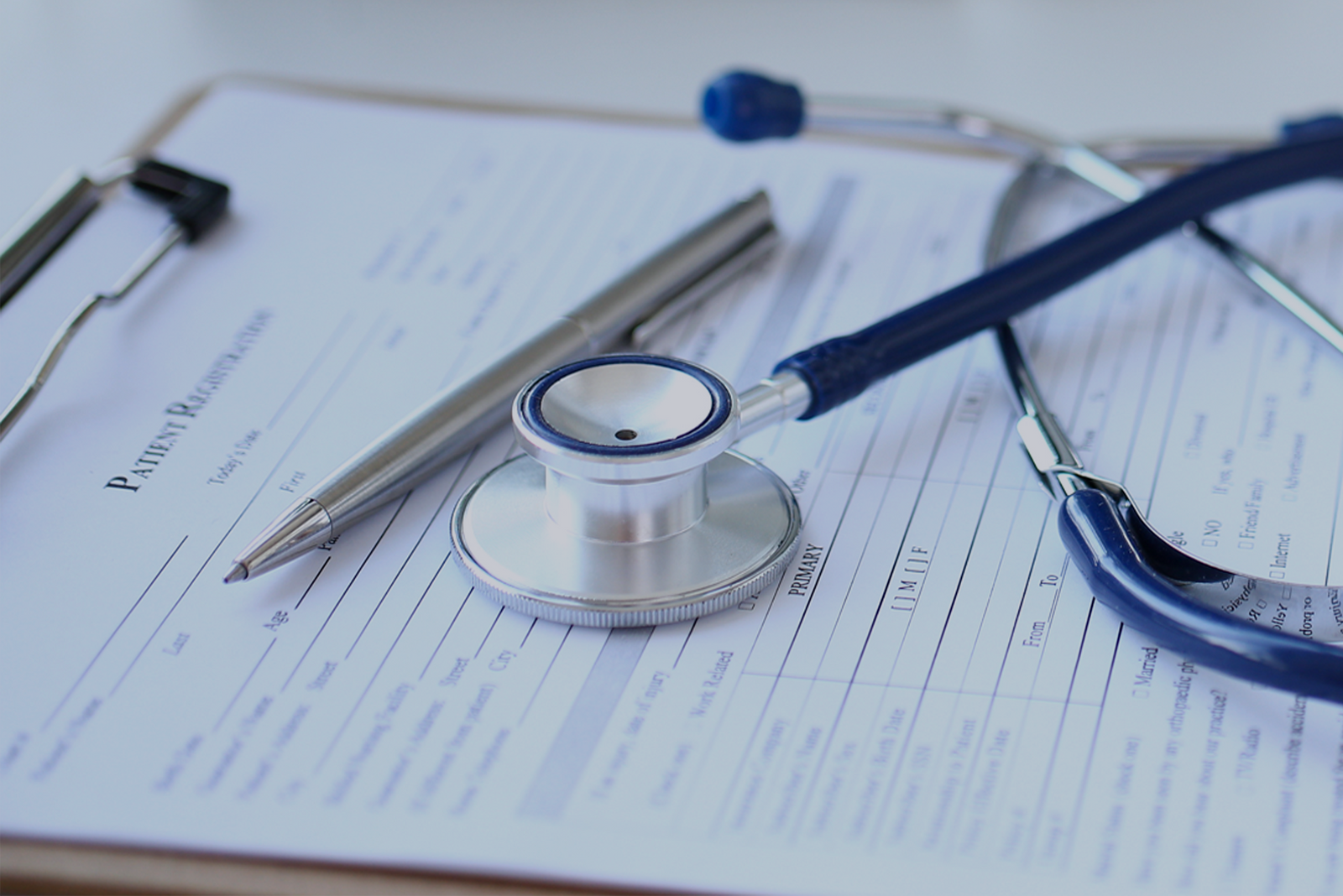

Discover the five most common mistakes mariners make on the captain’s license physical, plus a checklist for how to avoid them.
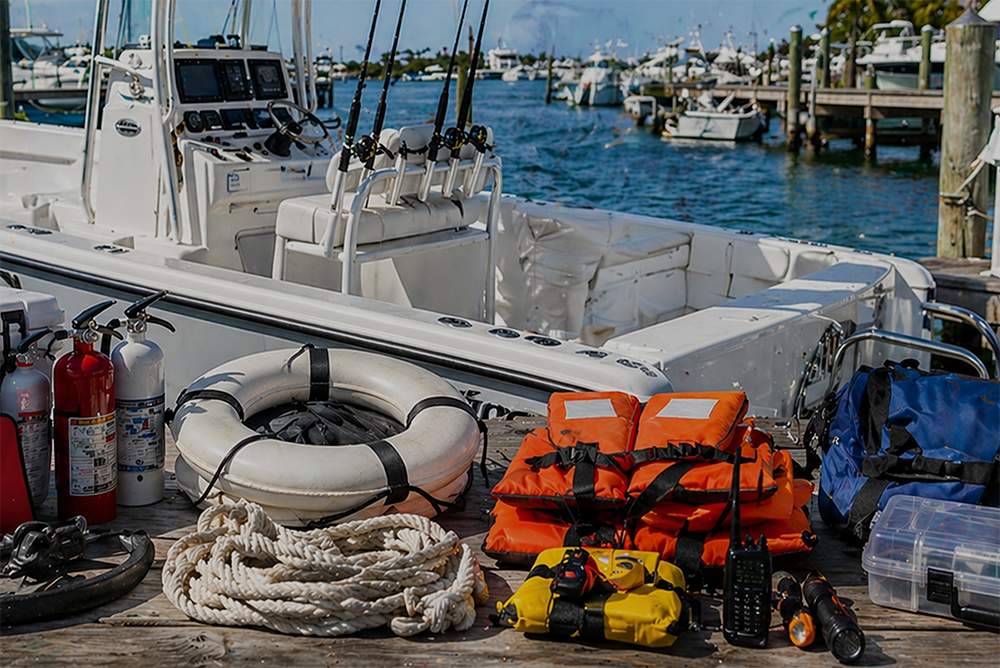

Discover why so many charter captains run out of money and how to plan every startup cost from your vessel purchase to guest-ready outfitting.

Learn how to build a charter business plan that covers pricing, expenses, and marketing so your captain’s license leads to lasting profit.

Transform how you talk about price with proven anchoring strategies and value-first framing that stops charter guests from shopping around.

Discover how charter captains use hybrid pricing models and seasonal adjustments to increase revenue and simplify bookings for every guest type.