

Meet Navi: Your 24/7 AI Instructor Inside the MLS Classroom
Unlock 24/7 access to Navi, an AI instructor trained on MLS course material, so you can ask questions, run practice quizzes, and nail your captain’s exam.
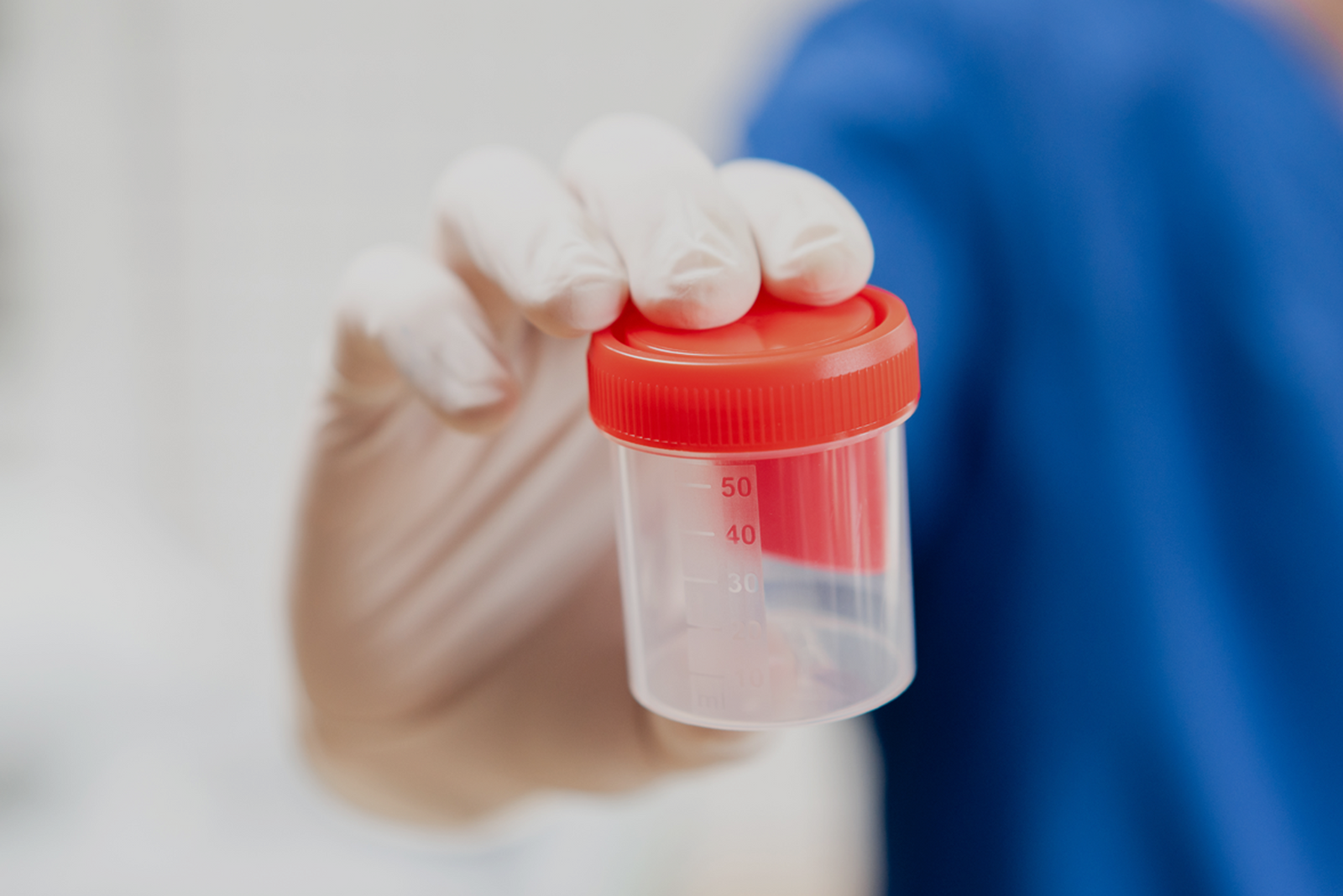

The MMC drug test is a DOT 5-panel urine test required for all USCG captain’s license applicants. It screens for marijuana, cocaine, amphetamines, opiates, and PCP. The sample must be collected by a SAMHSA-certified lab, reviewed and signed by a Medical Review Officer (MRO), and submitted within six months of your testing date.
I’ve had aspiring captains tell me the Merchant Mariner Credential (MMC) drug test was the hardest part of the licensing process to prepare for. I always have to laugh at that one a little.
This isn’t the kind of test you study for. It’s the kind of test where you should know exactly what the results will be before you ever walk into the facility. No surprises.
That said, there’s more to the MMC drug test than just showing up and providing a sample. The requirements around where you go, who reviews your results, and what the test actually screens for matter quite a bit. Get any piece of it wrong and your application gets delayed.
Here’s what you need to know.

The MMC drug test is a DOT 5-panel screening. The “5-panel” part refers to the five specific drugs it tests for:

That’s the complete list. And remember, this is a urine test. If you walk into a facility and they try to draw your blood, walk right back out again. That’s the wrong test.
I live in a state where recreational marijuana is legal, as do many of my students. And every year, I have students who fail the MMC drug test because they thought their state’s law protected them.
Your captain’s license is a federal credential issued by the United States Coast Guard. Federal law does not consider recreational marijuana legal. Even medical marijuana will get you disqualified. So, regardless of what your state allows, if THC shows up in your sample, you fail.
When you fail a drug test during the licensing process, you’re required to wait a full year before you can retest. By then, your certificate of completion from your course may have expired. Your physical may have expired. The cascade of consequences from one mistake is significant.
I’ve had students call me after failing because they had “just one gummy.” That one gummy cost them a year. If THC is going to be in your system, don’t take the test. It really is that simple.
Some people think they can use products sold online to mask drug use and alter their test results. Let me tell you now: The Coast Guard is aware of these agents and tests for them.
If a masking agent shows up in your sample, the testing facility knows exactly why it’s there. There is no innocent explanation. You will fail, and the consequences are the same as testing positive for a controlled substance.
The false positive issue is worth paying attention to because it can happen even if you’re doing everything right.
Certain over-the-counter and prescription medications can trigger a positive result for one of the five prohibited substances. This happened to me personally during a random drug test years into my career. I had been taking an over-the-counter medication for a cold and it caused a failure. It was alarming, to say the least.
The good news, though, is that approved facilities work with Medical Review Officers (MROs), which are specially trained physicians who review and sign off on drug test results for merchant mariners. Because I had a documented physician visit and a legitimate reason for taking the medication that caused the false positive, an MRO allowed me to retest, and the issue was resolved.
The lesson here is twofold. First, bring a complete list of every medication you’re taking to your drug test appointment, both prescription and over-the-counter. Second, if you’re concerned about a specific medication ahead of time, contact the National Maritime Center, an approved testing facility, or our team here at Mariners to get more information. A little communication is much better than getting a surprise result on your test.
This is where a lot of people run into trouble. You can’t go to just any drug testing location for your MMC drug test. The Coast Guard requires that your sample be collected by a SAMHSA-certified lab, and the results must be reviewed and signed by a Medical Review Officer (MRO).
Without that MRO signature on your final report, the test is incomplete, even if you passed. The MRO is the gatekeeper, and the Coast Guard won’t accept results that haven’t gone through that review.
A Chain of Custody form must also travel with your sample from the moment it’s collected. This ensures that no one tampers with the sample and that it’s definitively yours. If that form gets separated from your sample at any point during the process, you’re going back to test again.
I strongly recommend calling to check out a facility ahead of time. However, don’t just ask if they do drug tests. Ask specifically: “Do you offer the DOT 5-panel drug test with MRO review and chain of custody documentation for a Coast Guard captain’s license?” If they know what they’re doing, they’ll say yes without hesitation. If they seem unsure, keep looking.
Your MMC drug test results are valid for six months from the date of collection. After that, the Coast Guard won’t accept them, and you’ll have to test again.
This is the tightest deadline in the entire application process, and it’s one I talk about frequently.
My standard advice is to wait until you’re close to finishing your coursework before scheduling your drug test. That way, you’re not creating an artificial deadline for yourself. The last thing you want is to pass the test in January, have life get in the way, and then find yourself scrambling to submit your application before July.
The MMC drug test requirements aren’t complex. What most often gets people in trouble is not paying attention to the details.
To the Coast Guard, the test requirements are black and white. Was it a DOT 5-panel? Yes or no. Was the lab SAMHSA-certified? Yes or no. Did the MRO sign the final report? Yes or no.
There’s no gray area. But prepare accordingly, and you’ll be fine.
If you have questions about the MMC drug test or any other part of the application process, the team at Mariners Learning System is here to help. We’ve guided more than 200,000 students through this process, and we’re not going to let paperwork be the reason you don’t get your license.
Ask a question, share an experience, or add a helpful tip related to this article. Comments may appear after review to prevent spam.
Unlock 24/7 access to Navi, an AI instructor trained on MLS course material, so you can ask questions, run practice quizzes, and nail your captain’s exam.


Learn what questions to ask and how to prepare for a captain’s license drug test to ensure you avoid the most common application delays.
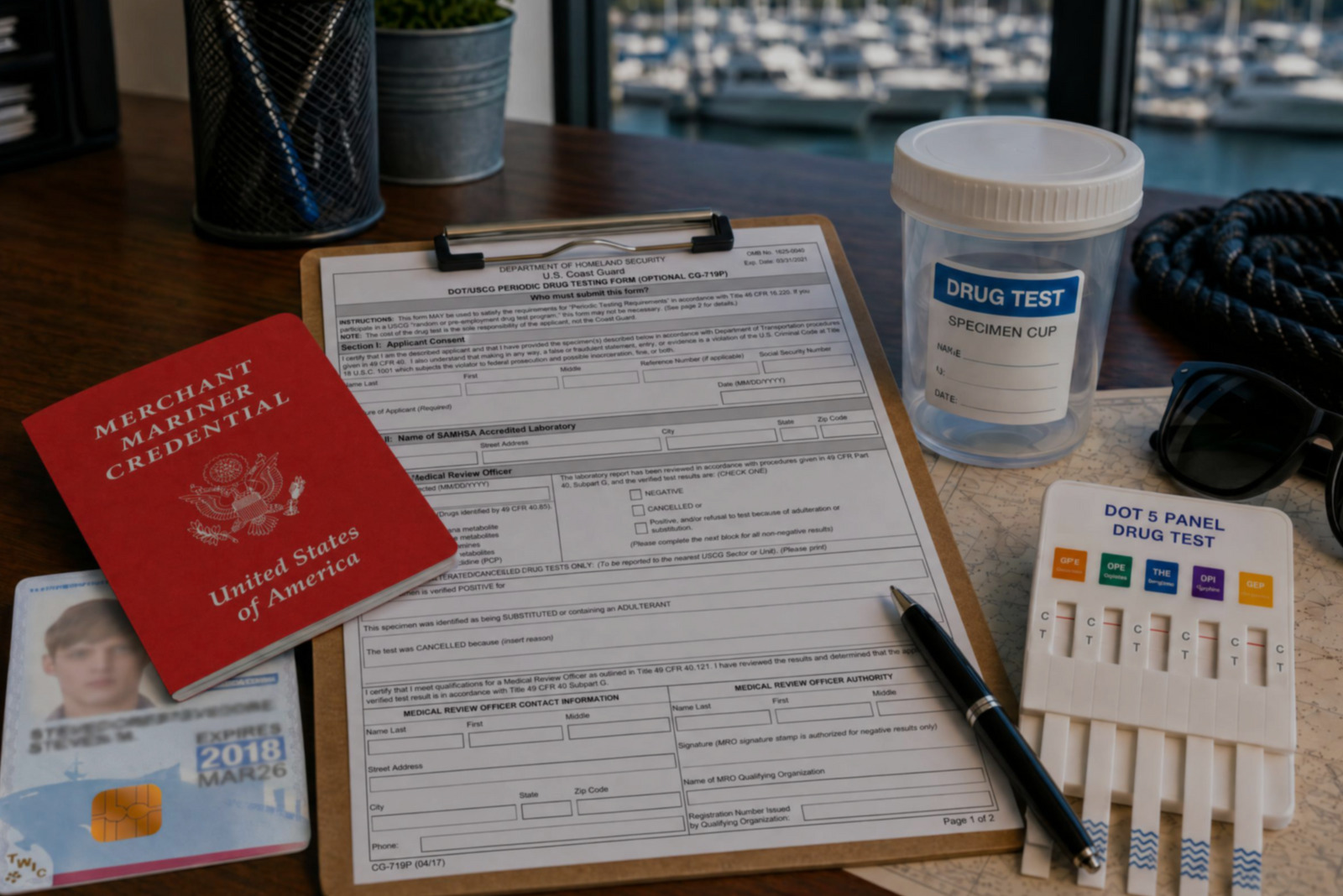

Discover the three types of drug tests working captains must submit to even after they’ve met the initial USCG drug testing requirements for their license.
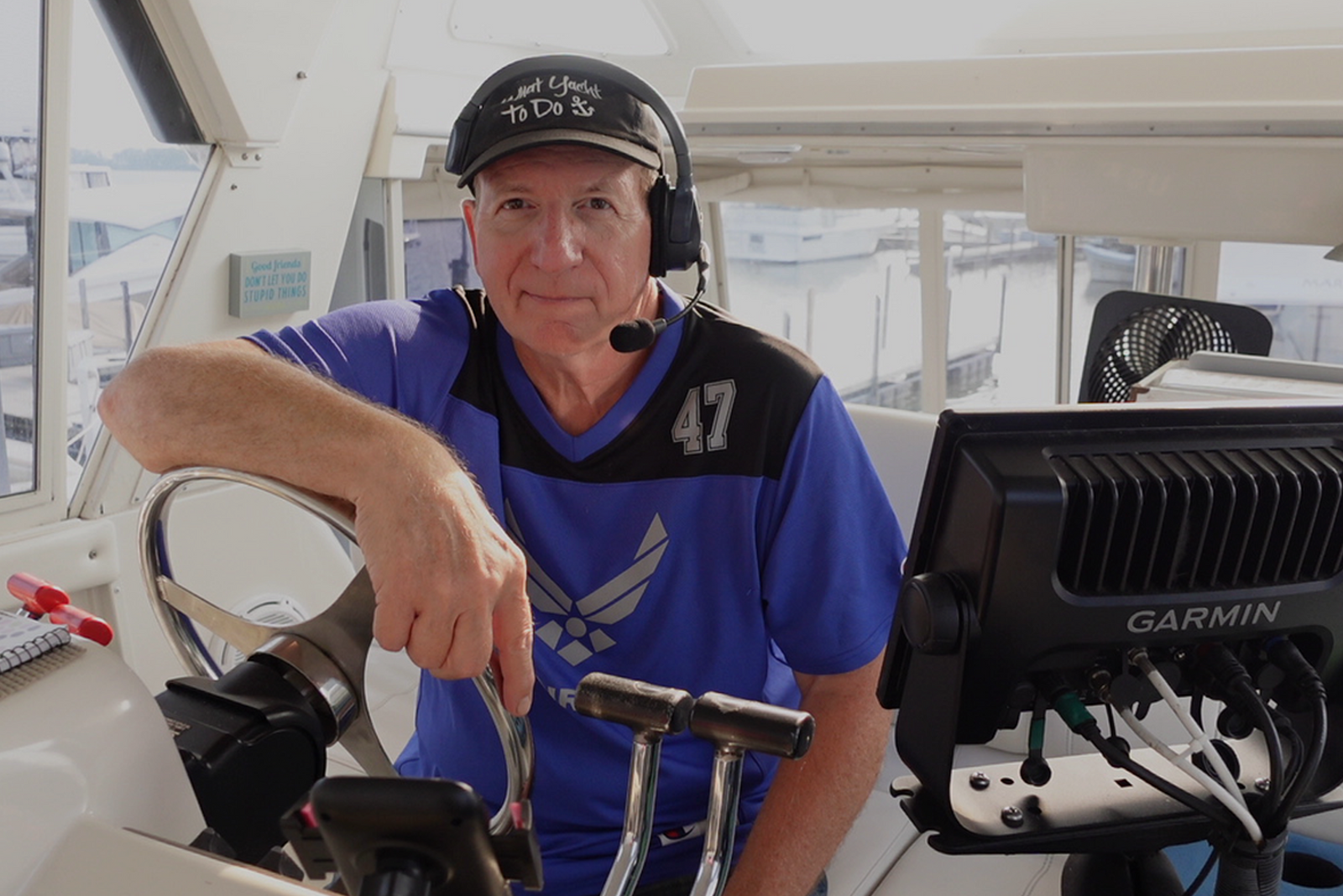

Discover how a retired airline pilot became obsessed with the Great Loop and built a thriving captain training business through Mariners Learning System.
Learn which substances the MMC drug test looks for, plus how masking agents and false positives factor in.
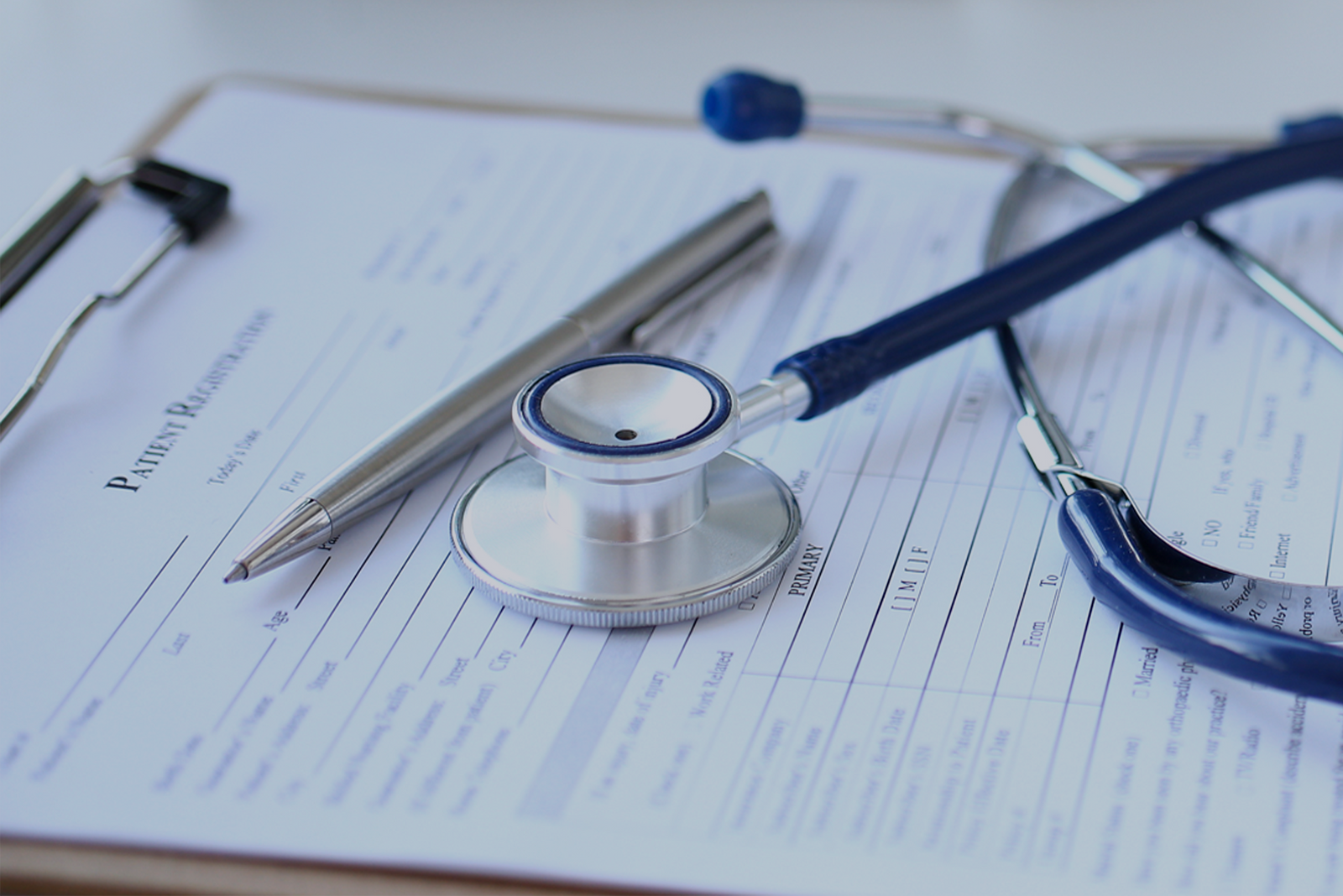

Discover the five most common mistakes mariners make on the captain’s license physical, plus a checklist for how to avoid them.
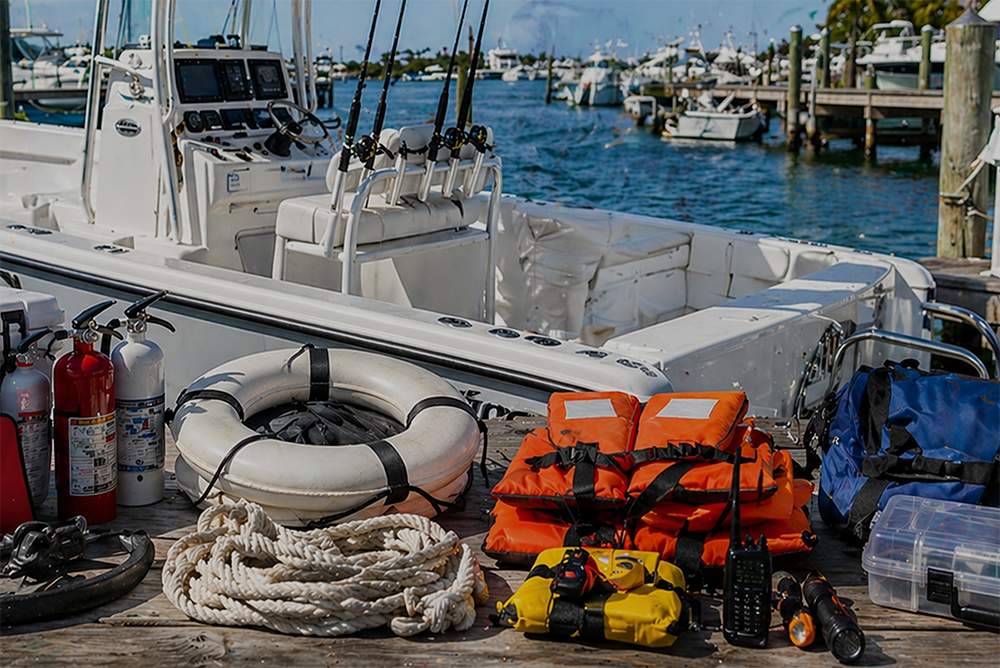

Discover why so many charter captains run out of money and how to plan every startup cost from your vessel purchase to guest-ready outfitting.

Learn how to build a charter business plan that covers pricing, expenses, and marketing so your captain’s license leads to lasting profit.

Transform how you talk about price with proven anchoring strategies and value-first framing that stops charter guests from shopping around.

Discover how charter captains use hybrid pricing models and seasonal adjustments to increase revenue and simplify bookings for every guest type.