
Meet Navi: Your 24/7 AI Instructor Inside the MLS Classroom
Unlock 24/7 access to Navi, an AI instructor trained on MLS course material, so you can ask questions, run practice quizzes, and nail your captain’s exam.
Free Shipping on Orders $50+
Your Knowledge Starts Here
Explore answers to common questions about getting a captain’s license, choosing a recreational boating course, preparing for FCC commercial radio operator exams, and finding helpful information about Mariners Learning System.
Find answers to common questions about captain’s license requirements, sea time, testing, application steps, renewal, and career opportunities.
A captain’s license is a U.S. Coast Guard-issued credential that allows you to operate certain vessels legally with paying passengers aboard. The two main types of captain's licenses issued are the OUPV/Six-Pack license and the 25/50/100-Ton Master license.
The OUPV, often called the Six-Pack license, allows you to carry up to six paying passengers on an uninspected vessel.
A Master license allows you all the abilities of the OUPV/Six-Pack license, in addition to operating inspected vessels that can carry 7+ paying passengers.
Mariners Learning System recommends going for the highest license you qualify for. In many cases, students can skip applying for the OUPV/Six-Pack and go directly to a Master license, as long as they meet the requirements.
No. You do not have to earn an OUPV/Six-Pack license first before getting a Master license. If you meet the Coast Guard requirements, you can obtain a Master's license as your first captain’s license.
With an OUPV/Six-Pack license, you can operate an uninspected vessel, which is most of your recreational boats, up to 100 GRT, with up to six paying passengers.
With a Master license, you can operate inspected and uninspected vessels, depending on the tonnage and route of your credential.
A captain’s license can be used for both personal and commercial purposes. Common uses include charter fishing, tour cruises, scuba diving boats, dinner cruises, water taxis, yacht delivery, sea trials, and instruction for boat owners.
Yes. A captain’s license can lead to paid work such as fishing charters, water taxis, yacht delivery, sea trials, and training new boat owners. Earnings vary by job type, location, and whether you work part-time, full-time, or run your own operation.
There are six basic steps to obtain a captain's license: pass a written test (which is what Mariners Learning System can help with), document qualifying sea time, pass a drug test, pass a physical exam, complete CPR and First Aid, and pass a security review that includes obtaining a TWIC card.
For most people, the part that takes the longest is building the required boating experience, since you need at least 360 days of sea time after age 16. Once you meet that requirement, the rest of the process usually depends on how quickly you complete the course, pass the written exam, and gather your application items like your physical, drug test, CPR/First Aid, and TWIC. After you submit a complete application package, the National Maritime Center’s processing goal is typically about 4 to 6 weeks.
You need at least 360 days of boating experience since age 16, with 90 of those days occurring within the last seven years.
To learn more about this, visit our article on "Understanding Sea Service Requirements".
No. Once you complete our course, you will test online through Mariners Learning System. After you pass with us, you have satisfied the written exam requirement, so no testing at a Coast Guard Regional Exam Center is required.
Yes, applicants must pass a Department of Transportation (DOT) drug screening that tests for marijuana, cocaine, opiates, phencyclidine, and amphetamines.
To learn more about this requirement, read our Help Center article "What You Need to Know About Drug Testing for Captain’s Licenses".
Applicants must obtain a Transportation Worker Identification Credential, or TWIC card, as part of the security review process.
Watch our video regarding the Transportation Worker Identification Credential (TWIC) and background checks here.
Yes. Applicants must pass a physical exam to confirm they are fit to perform the duties of a licensed captain and help keep crew and passengers safe.
Some medical conditions may disqualify an applicant or require a waiver, including cardiac disease, diabetes, psychiatric disorders, sleep apnea, and chronic narcotic use.
Yes. You must complete Adult CPR and Basic First Aid training so you are prepared to respond if a medical emergency happens aboard.
Interested in learning more about this requirement? Check out our article here.
You must renew your captain's license every 5 years to keep it active.
Find answers to common questions about Mariners Learning System recreational boating courses, including which certification to choose, how testing works, and how these programs compare to state boating courses and captain’s licensing.
These certifications are designed to help recreational boaters build knowledge, confidence, and command on the water.
Mariners Learning System recreational boating certifications are educational programs designed to help boaters build seamanship, confidence, and command on the water. They are intended for personal, non-commercial use and do not authorize commercial activity.
These courses are designed for a wide range of boaters, including brand-new boat owners, experienced recreational boaters, families, retirees, solo boaters, and people preparing for charter trips or long-term cruising goals.
The right program depends on your boating experience, the type of vessel you operate, and your goals on the water. Mariners offers Crew, Skipper, Master Skipper of Power, Master Skipper of Sail, and Master Skipper of Power and Sail, so you can choose the path that best fits your experience and boating plans.
Getting certified is a flexible, self-paced process. You choose your course, study online at your own pace, take a secure online proctored exam, and earn your Course Completion Certificate by passing with a score of 90% or higher.
Each recreational boating program includes a secure, online proctored final exam that is available on demand. This allows students to take the test from home on their own schedule without needing to travel to a physical testing center.
No. State boating courses are typically designed to meet minimum legal safety requirements, while Mariners recreational certifications are designed to take the next step and build practical skills, seamanship, confidence, and leadership beyond the basics.
No. A U.S. Coast Guard captain’s license is a professional credential required for carrying paying passengers, while Mariners recreational certifications are for personal, non-commercial boating education. They can be a strong educational foundation, but they do not authorize commercial operation.
A Mariners recreational certification shows that you have gone beyond minimum requirements and are committed to responsible, knowledgeable, and confident boating. It can help build credibility as a skipper, earn the trust of your crew, and serve as a stepping stone toward more advanced training.
Find answers to common questions about FCC commercial radio operator licenses and exams, including who needs a license, which license to choose, what exam elements are required, how online testing works, fees, and what happens after you pass.
Mariners Learning System offers online FCC testing as an approved Commercial Operator License Examination Manager (COLEM).
A Federal Communications Commission (FCC) commercial radio operator license is a credential required for certain radio operation, maintenance, and repair duties on specified ship and aircraft radio stations. The FCC requires the appropriate commercial license for certain types of maritime and aviation radio work.
You may need an FCC commercial radio operator license to operate or maintain certain ship and aircraft radio stations, including some vessels carrying more than six passengers for hire, vessels using MF or HF radios, ships sailing to foreign ports, and certain aircraft radio stations.
No. Many recreational boaters do not need one. For example, you do not need a commercial operator license for ship stations operating only on VHF frequencies that do not travel to foreign ports or make international communications, unless other specific conditions apply.
Mariners Learning System offers online testing for the Marine Radio Operator Permit (MP), General Radiotelephone Operator License (PG), GMDSS Radio Operator’s License (DO), Restricted GMDSS Radio Operator’s License (RG), GMDSS Radio Maintainer’s License (DM), GMDSS Radio Operator/Maintainer License (DB), and Ship Radar Endorsement.
The right license depends on the type of vessel or station, the radio equipment involved, and whether your duties involve operation only or also maintenance and repair.
Download our Definitive Guide to FCC Commercial Radio Operator Licensing here to match yourself with the correct license.
Yes, Mariners Learning System is an FCC-approved COLEM and offers testing online for FCC commercial radio operator licensing. No need to schedule in advance!
That depends on the license. For example, the Marine Radio Operator Permit requires Element 1, the General Radiotelephone Operator License requires Elements 1 and 3, the GMDSS Radio Operator’s License requires Elements 1 and 7, and the Ship Radar Endorsement requires Element 8.
After you pass, Mariners Learning System electronically files on your behalf after receiving the necessary documents from you. No additional fee!
Curious about the application forms? You can look them over on our Help Center.
Yes. After FCC approval, applicants receive an email from the FCC and typically have 10 days to pay the FCC issuance fee, which is listed as $35 for most applications, to finalize the license.
Most commercial radio operator licenses covered in the guide are issued for the lifetime of the holder and do not need renewal if issued on or after May 20, 2013.
Find answers to common questions about contacting Mariners Learning System, support hours, self-help resources, purchasing, payments, shipping, course access, certificates, and other general account and order information.
You can contact Mariners Learning System by phone at (609) 303-0664, by email at [email protected], by submitting a support ticket, through the website, or by chatting with Captain AI 24/7.
Standard support hours are Monday through Friday, 9 a.m. to 5 p.m. EST. After-hours support is available Monday through Friday, 5 p.m. to 10 p.m. EST for general questions, while more complex issues are escalated for follow-up the next business day.
Mariners Learning System offers 24/7 live technical support for common technical issues, such as password resets or downloading testing software. To reach technical support, call (609) 303-0664 and press 3 when prompted.
You can browse the Mariners Learning System Help Center anytime for answers to common questions about purchasing, payments, shipping, course access, certificates, and more.
Mariners Learning System offers flexible payment options, including credit cards (American Express, Discover, Mastercard, and Visa), PayPal, and express checkout options (Shop Pay, Google Pay, and Apple Pay).
Yes. Promotion codes can be entered during checkout for eligible discounts, and gift cards can be redeemed for courses, endorsements, study materials, and other store items.
Mariners Learning System is proud to offer our internal American Hero Fund. Qualified veterans, active-duty service members, and first responders can receive 25% off sitewide after verifying eligibility through ID.me.
Mariners Learning System provides guidance for purchasing a course for another person so it can be transferred correctly without activation issues.
To learn about purchasing for someone else, read our Help Center article here.
Yes. Course extension options are available for students who need additional time to complete their online program.
Read the product page carefully to learn the full scope of this purchase.
If you have a physical product that needs to be shipped, during the checkout process, you will be able to select your shipping method.

Unlock 24/7 access to Navi, an AI instructor trained on MLS course material, so you can ask questions, run practice quizzes, and nail your captain’s exam.

Learn what questions to ask and how to prepare for a captain’s license drug test to ensure you avoid the most common application delays.

Discover the five most common mistakes mariners make on the captain’s license physical, plus a checklist for how to avoid them.
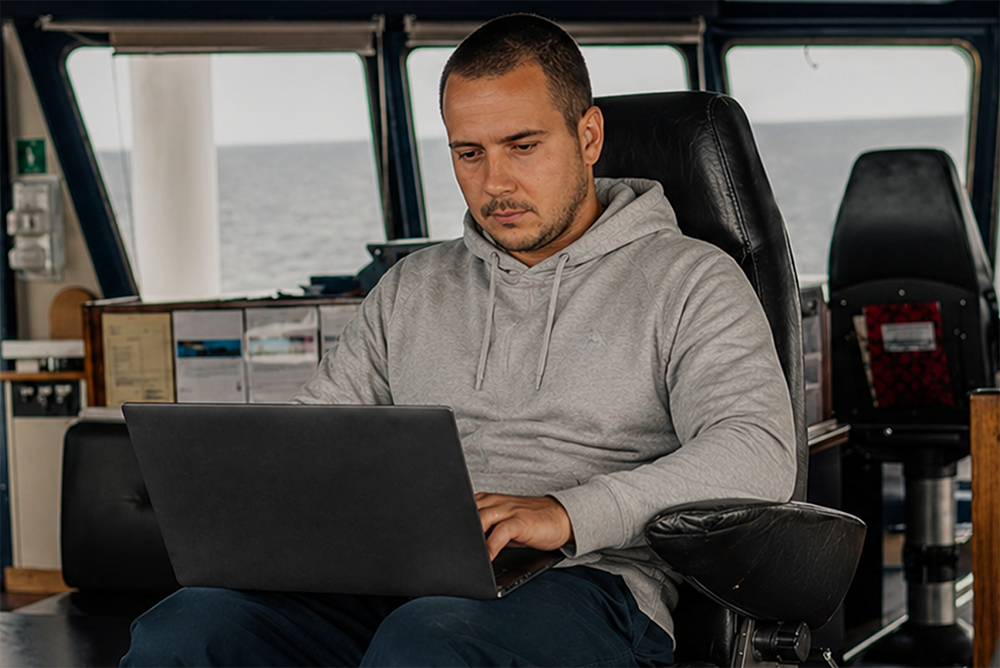
Learn how to build a charter business plan that covers pricing, expenses, and marketing so your captain’s license leads to lasting profit.
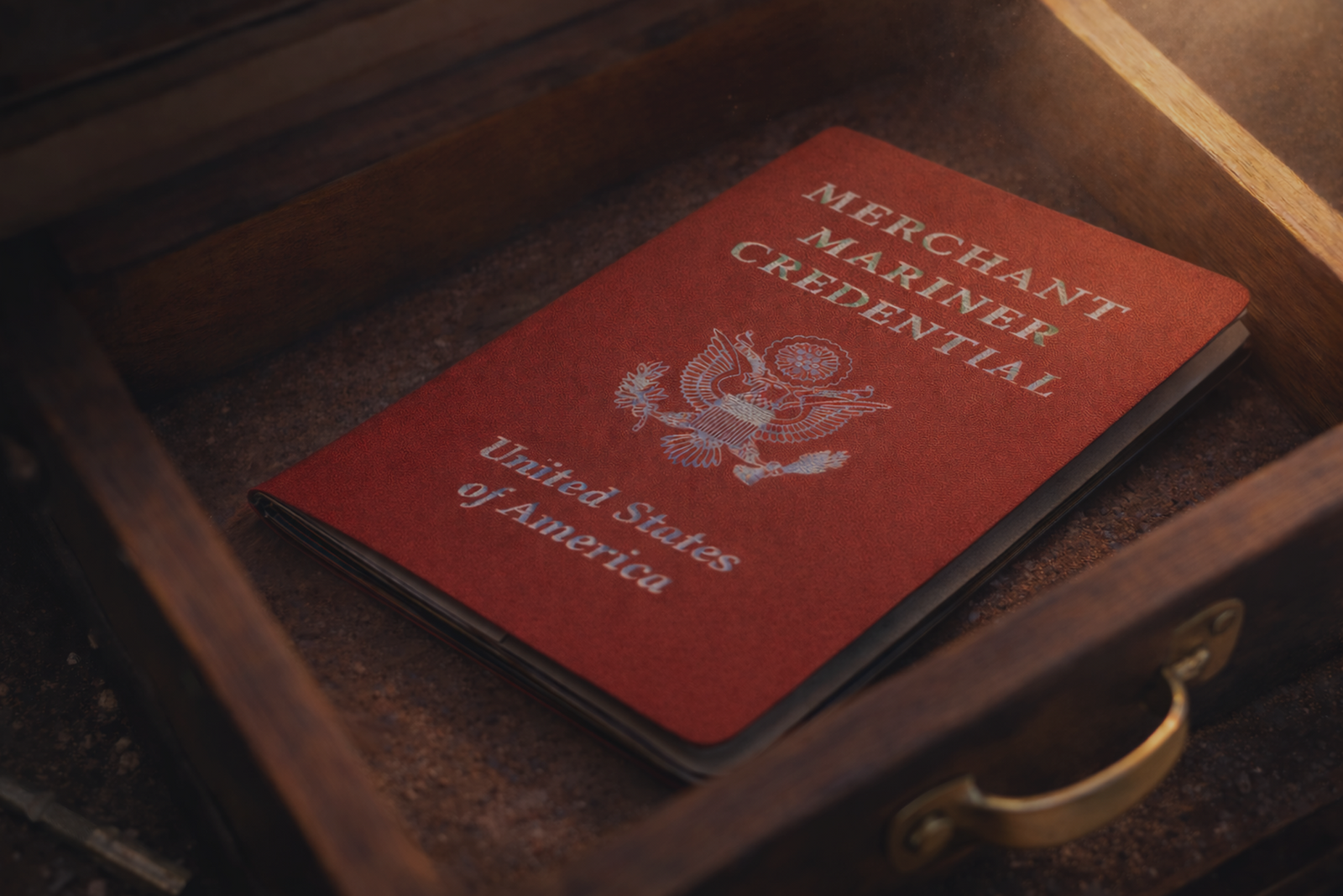
If your captain’s license expired a long time ago, learn what you’ll need to get licensed again and how to avoid the same situation once you do.

Learn why you have to report expunged convictions on your captain’s license application, what the Coast Guard is looking for, and what to do if you’re unsure.
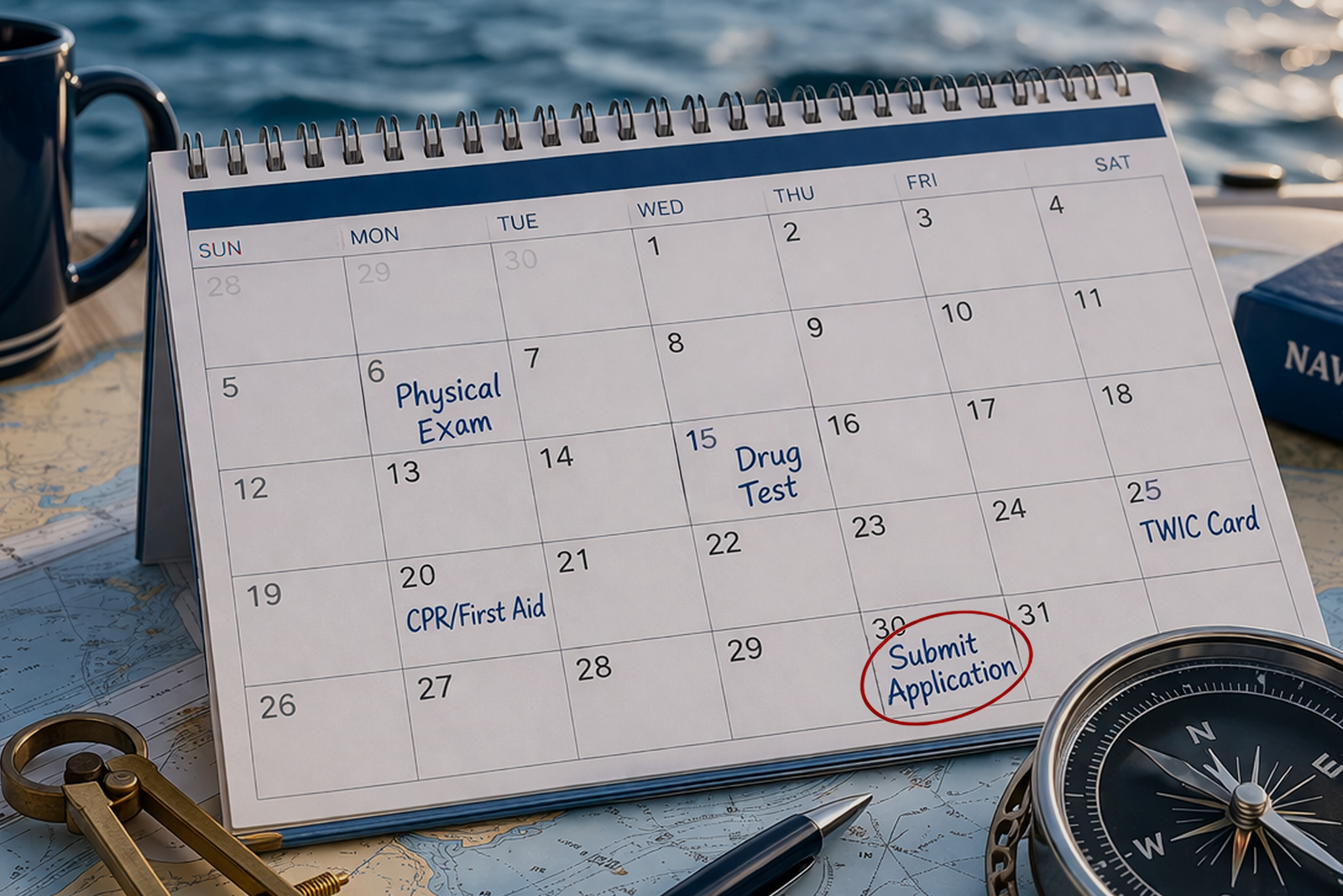
Learn about important captain’s license deadlines for the various requirements for both original applications and renewals.

Learn how long it takes to finish a captain’s license course with Mariners Learning System, whether it’s a Six-Pack, a Master’s, an upgrade, or an endorsement.

Discover how a lifelong Miami boater turned his passion into a profession while making his community waters safer for everyone.
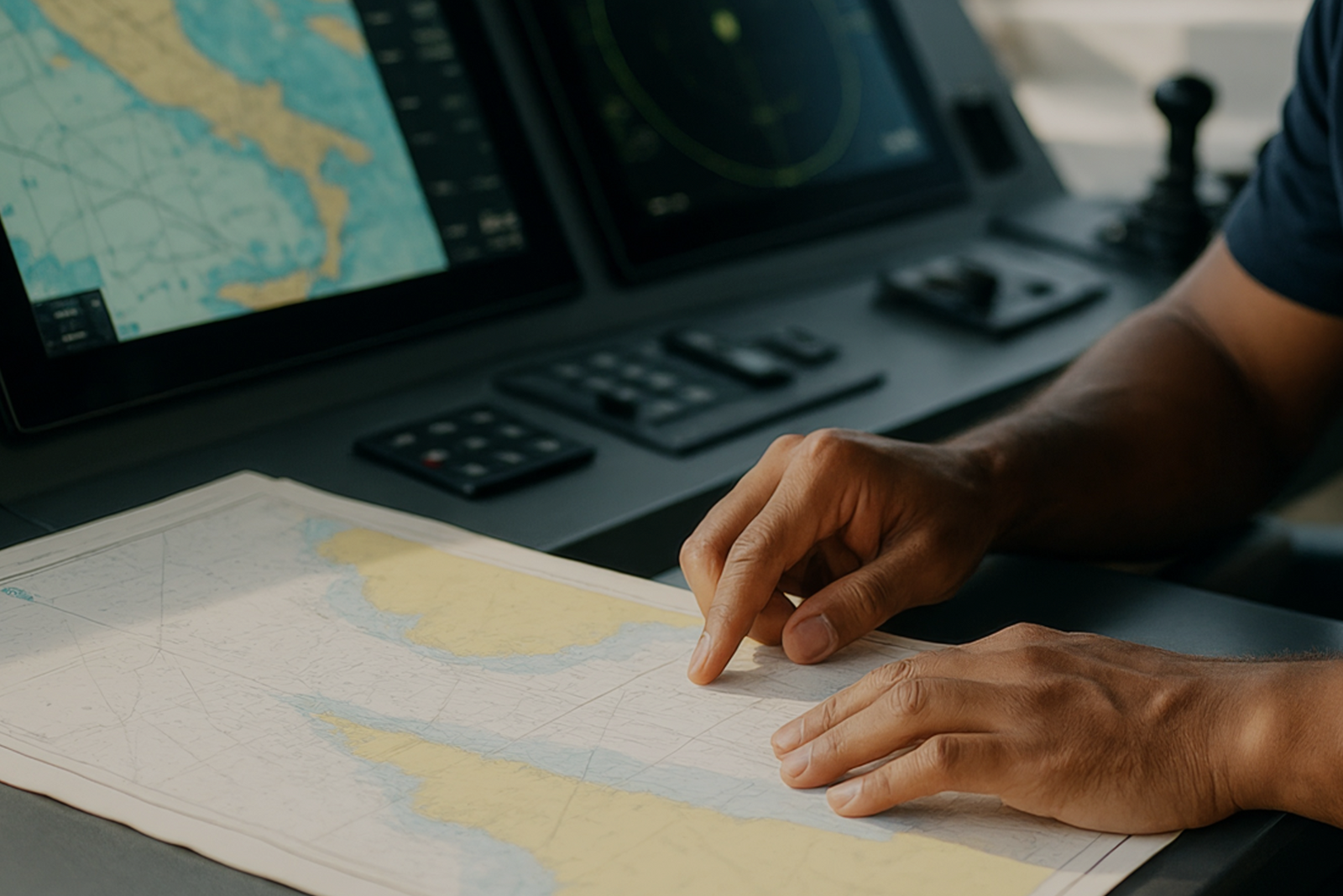
What is the USCG boundary line? Learn where this line commonly falls, how to find it, and why mariners get tripped up in certain areas.
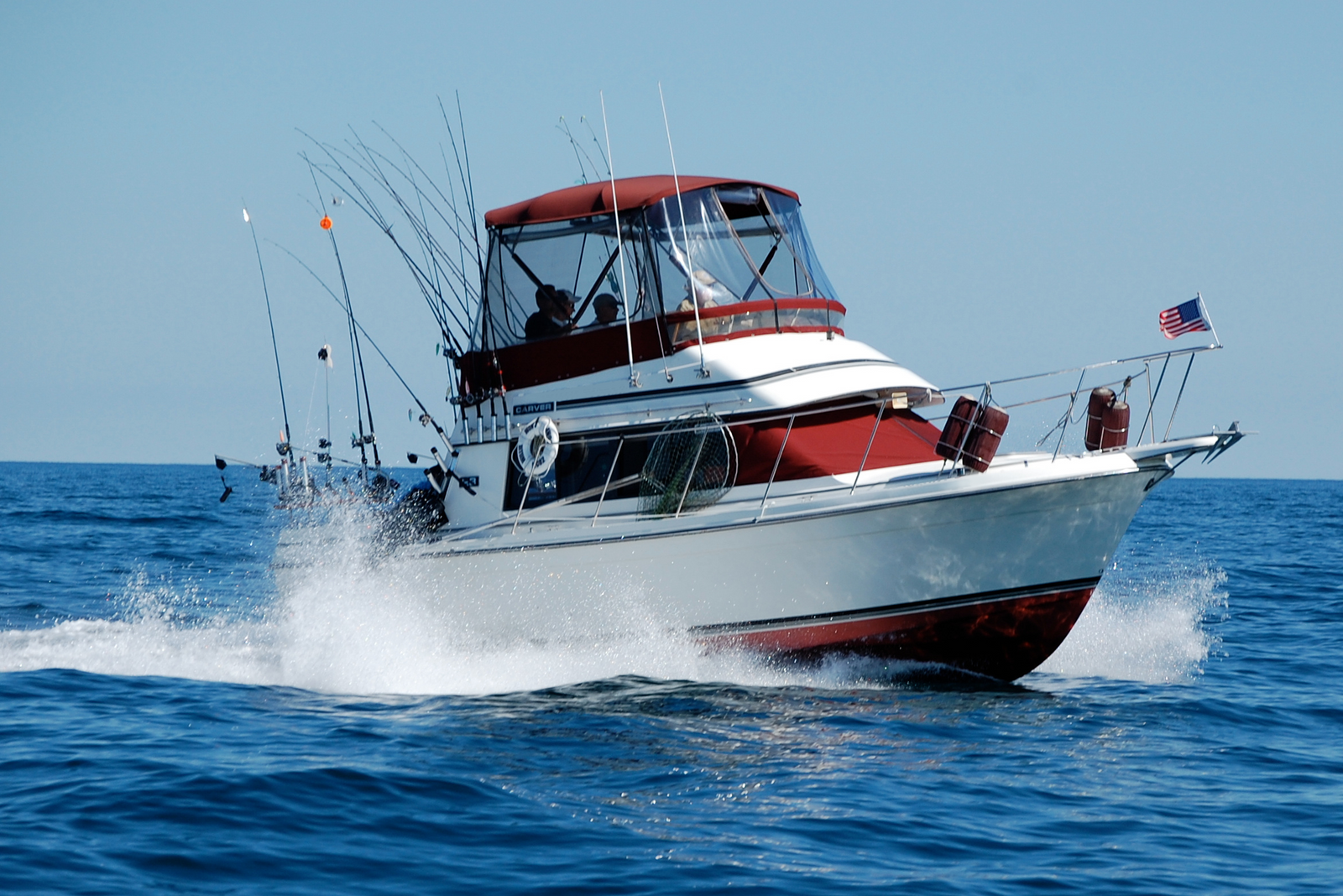
Discover why the dual-purpose captain’s license has become a popular option in the face of daunting sea time requirements for the Near Coastal Master’s.
Learn about the updated USCG recency requirement for mariners seeking a first-time captain’s license or an upgrade to their existing license.