

Meet Navi: Your 24/7 AI Instructor Inside the MLS Classroom
Unlock 24/7 access to Navi, an AI instructor trained on MLS course material, so you can ask questions, run practice quizzes, and nail your captain’s exam.
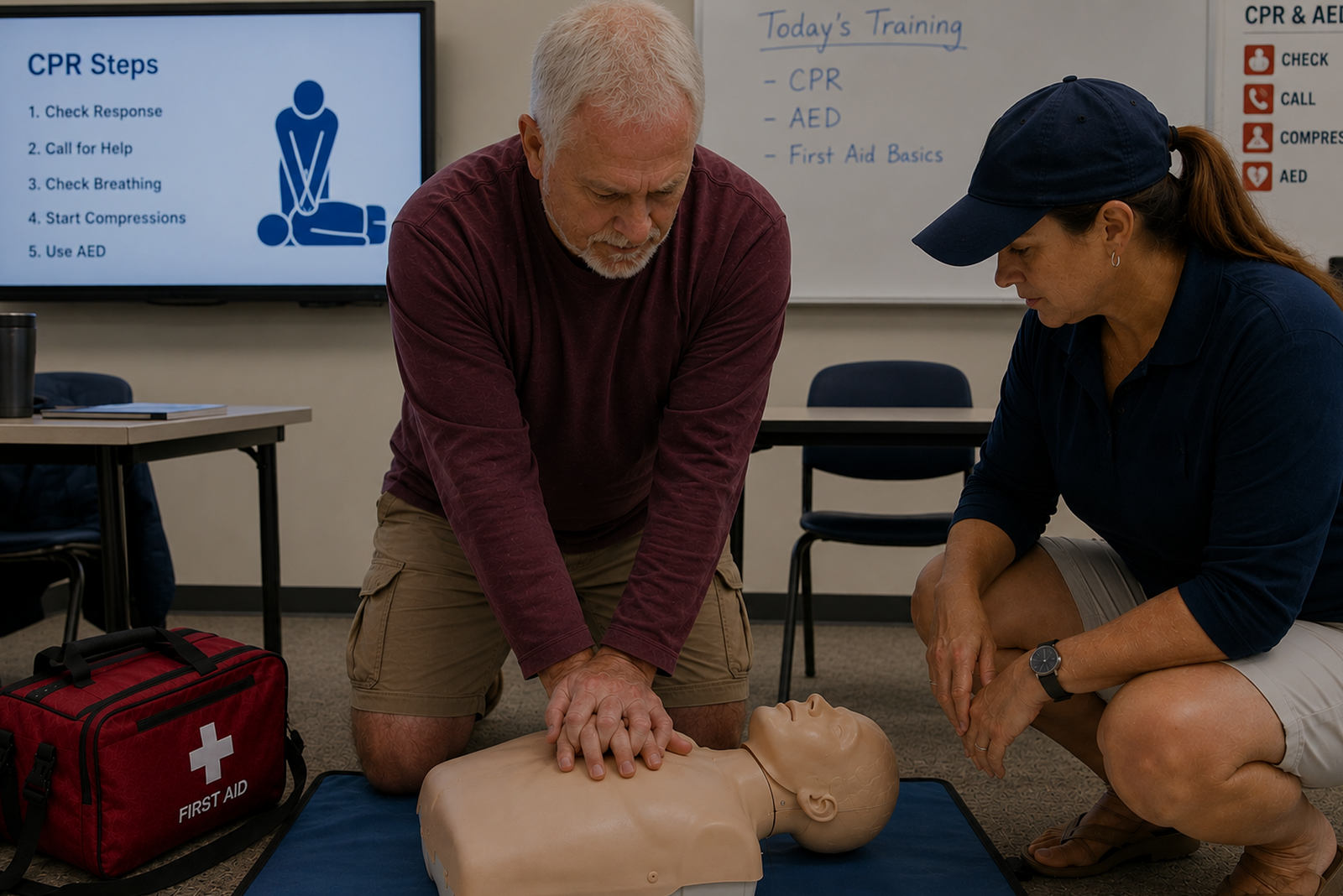

The Coast Guard requires original captain’s license applicants to provide proof of First Aid and CPR training under 46 CFR 11.201(i). First Aid must have been completed within the 12 months before you submit your application, and your CPR certification must be valid on the application date. Upload your proof of completion to the matching requirement in your Navita™ Merchant Mariner Credential application.
One of the most common questions we get at Mariners Learning System is about CPR and First Aid requirements. Aspiring captains tend to focus on the bigger items, like sea time and the written exam, and leave CPR for the last minute.
Don’t. The Coast Guard is specific about what they’ll accept, and a rejected card can delay your entire application.
Here’s exactly what you need, where to get it, and how to avoid the mistakes that slow people down.
The requirement comes from a federal regulation: 46 CFR 11.201(i). It applies to every first-time applicant for an officer endorsement, including both the OUPV/Six-Pack captain’s license and the Master captain’s license. Two separate certifications are required:
Adult CPR (Cardiopulmonary Resuscitation): The certificate must be currently valid when you apply.
Basic First Aid: The course must have been completed within 12 months before you submit your application.
Many providers offer combined courses that address both requirements in one class. Confirm that the exact course and delivery format are accepted for a Merchant Mariner Credential before enrolling.
Course-code requirements depend on the provider. Proof of completion from the specified American Red Cross First Aid courses, American Red Cross CPR, or American Heart Association CPR does not require a Coast Guard course code. Other Coast Guard-approved First Aid or CPR courses require a completion certificate showing the appropriate course code and approval number.
Not every CPR or First Aid class meets the Coast Guard’s standards. The following providers offer courses that the USCG accepts:
|
Provider |
Accepted Course |
In-Person Requirement |
Notes |
|
American Red Cross |
First Aid/CPR/AED |
Yes, skills component required |
Most widely available. Card must NOT say “Online Only.” |
|
American Heart Association |
Heartsaver First Aid/ CPR/AED |
Yes, skills component required |
Must include all elective sections. Requires certificate, not just a card. |
|
USCG-Approved Course Provider |
Varies |
Yes |
Check the NMC approved courses list for current providers. |
The American Red Cross, American Heart Association, and USCG-approved course providers all offer training the Coast Guard accepts, but every course must include an in-person skills component. If your Red Cross card says “Online” anywhere on it, the Coast Guard won’t accept it.
The NMC released a bulletin on common First Aid and CPR documentation delays. It’s worth reviewing before you sign up for a class.
Upload a clear PDF of your qualifying card or course-completion certificate to your Merchant Mariner Credential (CG-719B) application in Navita™. Review the full captain’s license application requirements before submitting.
Sign in to the Navita™ Mariner Portal through Login.gov.
Start or resume your Merchant Mariner Credential (MMC) (719B) application.
Open the Application Requirements checklist.
Locate the First Aid and CPR requirement.
Upload the applicable card or completion certificate as a PDF.
Confirm that the requirement shows as satisfied before submitting the application.
Before uploading, verify that:
The First Aid course was completed within the previous 12 months.
The CPR certificate is currently valid.
The document clearly shows your name, course, provider, and completion date.
A course code and approval number appear when required for that provider.
Do not upload your CG-719K physical exam form with these documents. The Medical Certificate requires a separate Medical Certificate (719K/719K/E) application in Navita™. The complete application checklist covers the documents used across both applications.
For complete instructions covering the MMC submission process, follow our guide to submitting your captain’s license application through Navita™.
The requirement applies in specific situations. Here’s when you need a current card and when you don’t:

CPR and First Aid documentation is required for an original captain’s license application, but it is generally not resubmitted for upgrades, increases in scope, or renewals. An employer or another applicable rule may impose separate ongoing training requirements.
If you’re renewing your captain’s license, you generally won’t need to submit new First Aid and CPR documentation with the renewal application.
The Coast Guard also accepts qualifying STCW Basic Training or continued competence as meeting the First Aid and CPR requirements in certain cases. Mariners who already hold or recently completed Basic Training should review the current NMC guidance before taking another course.
Prices vary by provider and location. Many community hospitals, local fire departments, and first aid squads offer courses at a discount or sometimes for free. Check with the American Red Cross and American Heart Association for current pricing in your area. Factor this into your overall captain’s license cost.
The requirements are located in 46 CFR 11.201(i), which lists the training requirements for original officer endorsements. This section specifies the accepted course providers and the 12-month validity window. Learn more about OUPV/Six-Pack requirements.
No. Your CPR certification must be valid when you apply, and your First Aid course must have been completed within the previous 12 months. The captain’s license application timeline can help you plan when to take the class.
The Coast Guard wants the class to be in person. If you find a hybrid or online format, contact the National Maritime Center (NMC) to confirm acceptance before you sign up. The safest path is a classroom-based course from the American Red Cross or American Heart Association. For more details on the online vs. in-person question, read our full guide on USCG First Aid and CPR requirements.
Yes. Even licensed physicians, nurses, and paramedics need to provide a valid Adult CPR and Basic First Aid card when applying for their first captain’s license. The Coast Guard applies the same standard to everyone. Learn more about becoming a licensed captain.
CPR and First Aid are among the simplest items on your captain’s license checklist, but they’re also among the easiest to get wrong. Choose an accepted course, confirm that your documentation contains the information required for that provider, and schedule First Aid close enough to your application to remain within the 12-month window.
If you have questions about CPR and First Aid certification or any other part of the application process, the team at Mariners Learning System is here to help. We’ve guided more than 200,000 students through this process, and we’re not going to let paperwork be the reason you don’t get your license.

Coast Guard requirements change. This article reflects current USCG guidance as of the date above. For the most current information, contact the National Maritime Center or a Mariners Learning System licensing specialist.
Ask a question, share an experience, or add a helpful tip related to this article. Comments may appear after review to prevent spam.
Unlock 24/7 access to Navi, an AI instructor trained on MLS course material, so you can ask questions, run practice quizzes, and nail your captain’s exam.


Learn what questions to ask and how to prepare for a captain’s license drug test to ensure you avoid the most common application delays.
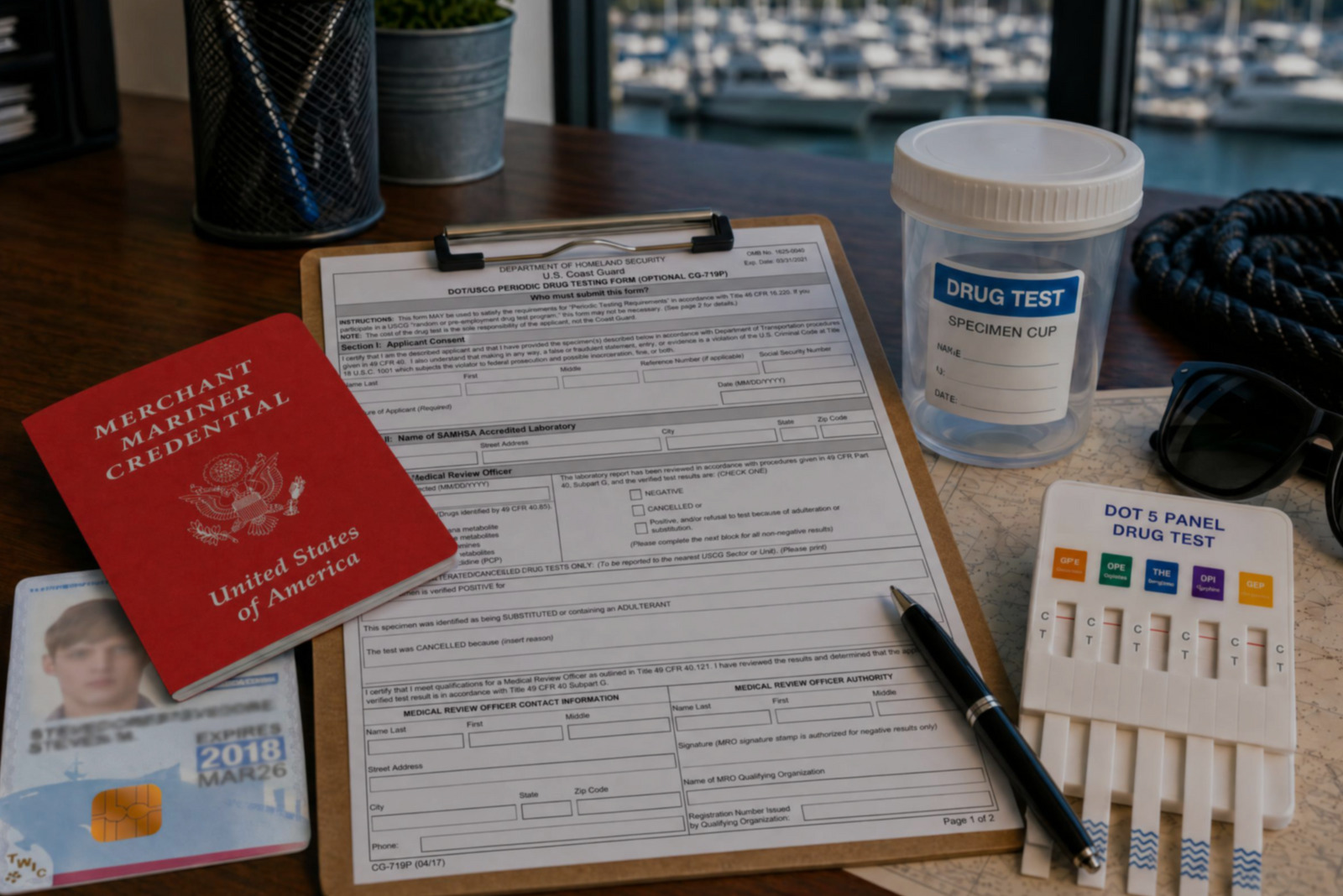

Discover the three types of drug tests working captains must submit to even after they’ve met the initial USCG drug testing requirements for their license.
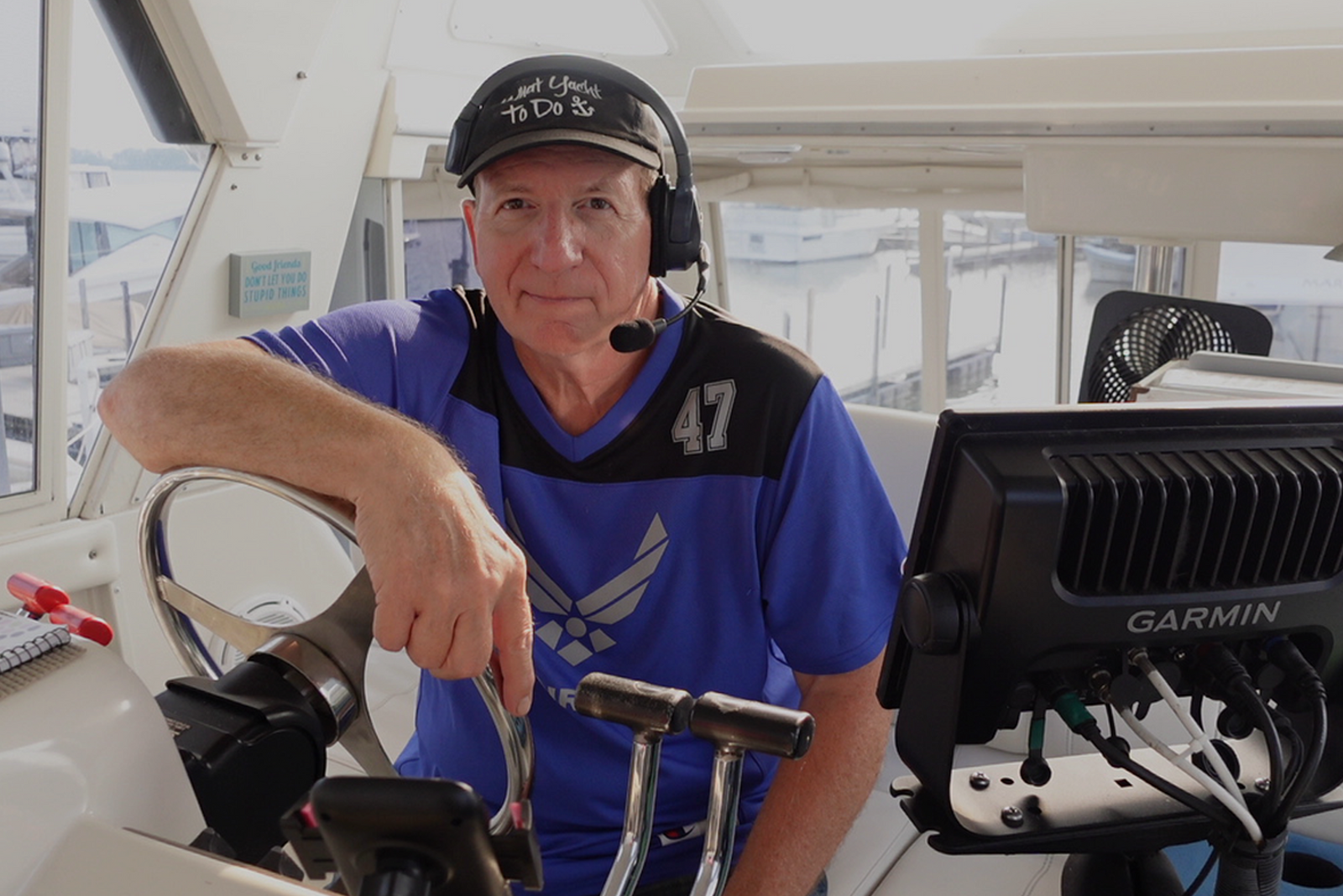

Discover how a retired airline pilot became obsessed with the Great Loop and built a thriving captain training business through Mariners Learning System.
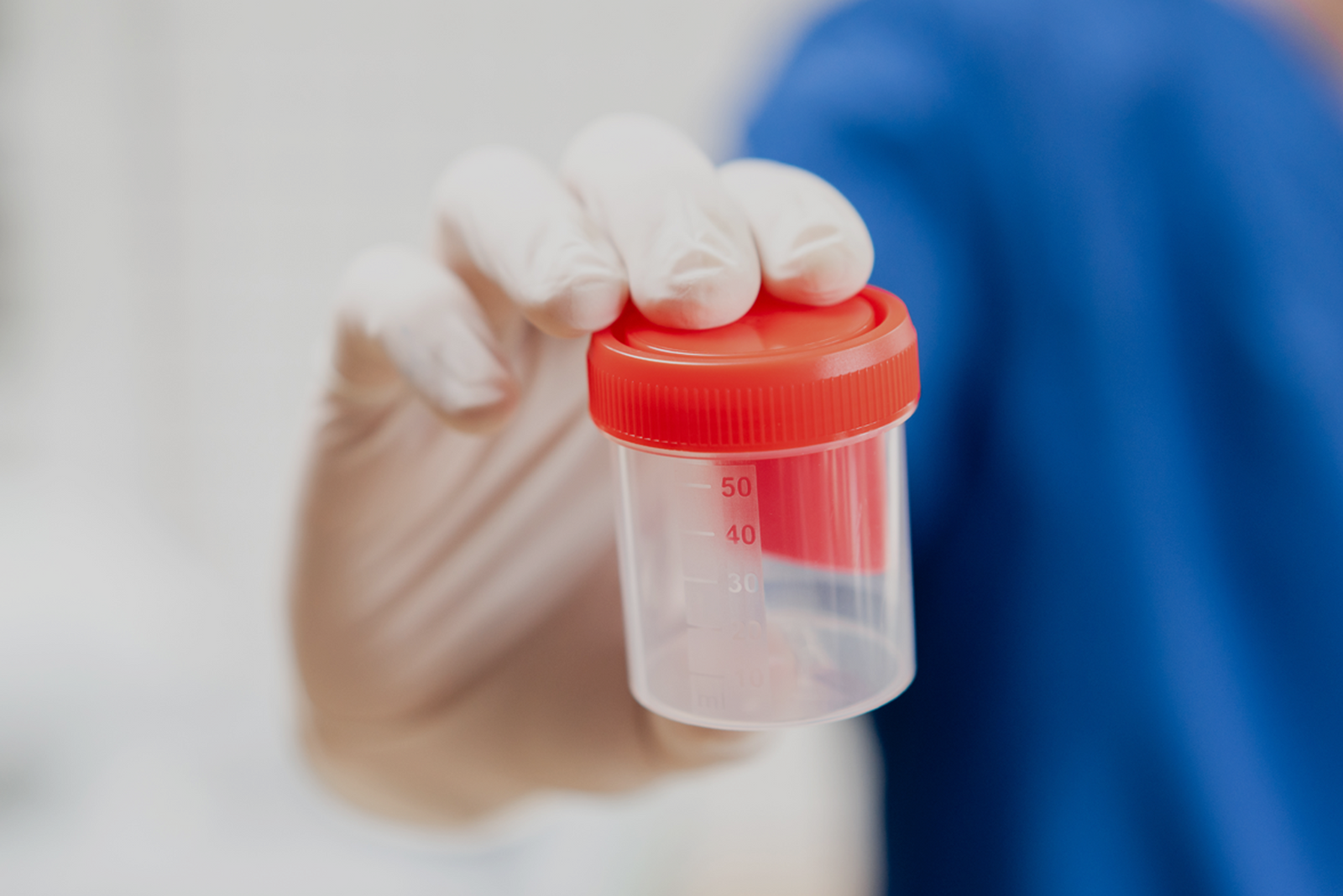

Learn which substances the MMC drug test looks for, plus how masking agents and false positives factor in.


Discover the five most common mistakes mariners make on the captain’s license physical, plus a checklist for how to avoid them.
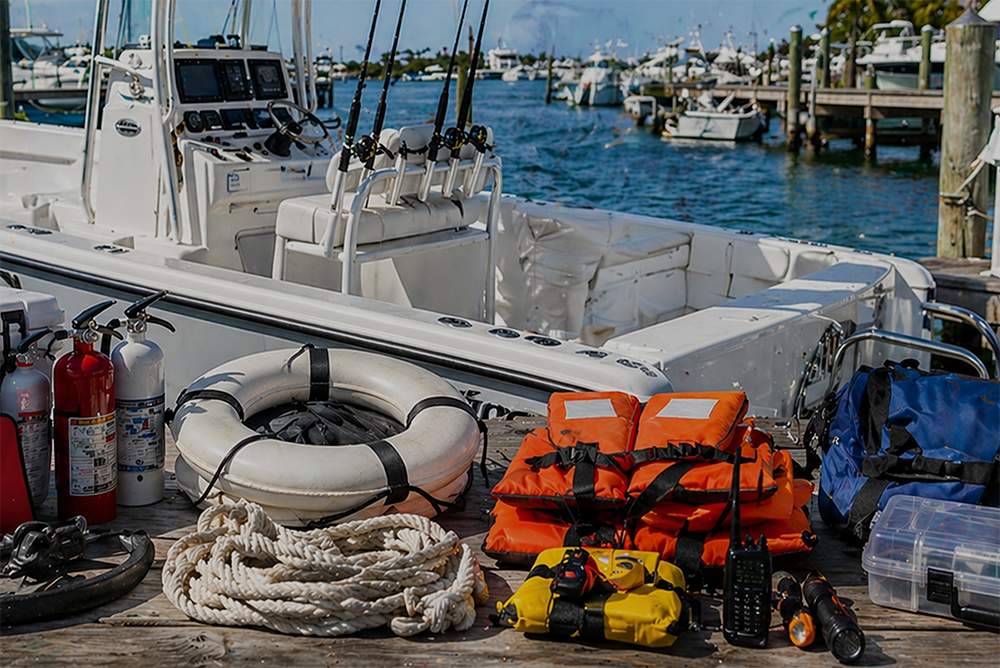

Discover why so many charter captains run out of money and how to plan every startup cost from your vessel purchase to guest-ready outfitting.

Learn how to build a charter business plan that covers pricing, expenses, and marketing so your captain’s license leads to lasting profit.

Transform how you talk about price with proven anchoring strategies and value-first framing that stops charter guests from shopping around.

Discover how charter captains use hybrid pricing models and seasonal adjustments to increase revenue and simplify bookings for every guest type.