

Meet Navi: Your 24/7 AI Instructor Inside the MLS Classroom
Unlock 24/7 access to Navi, an AI instructor trained on MLS course material, so you can ask questions, run practice quizzes, and nail your captain’s exam.
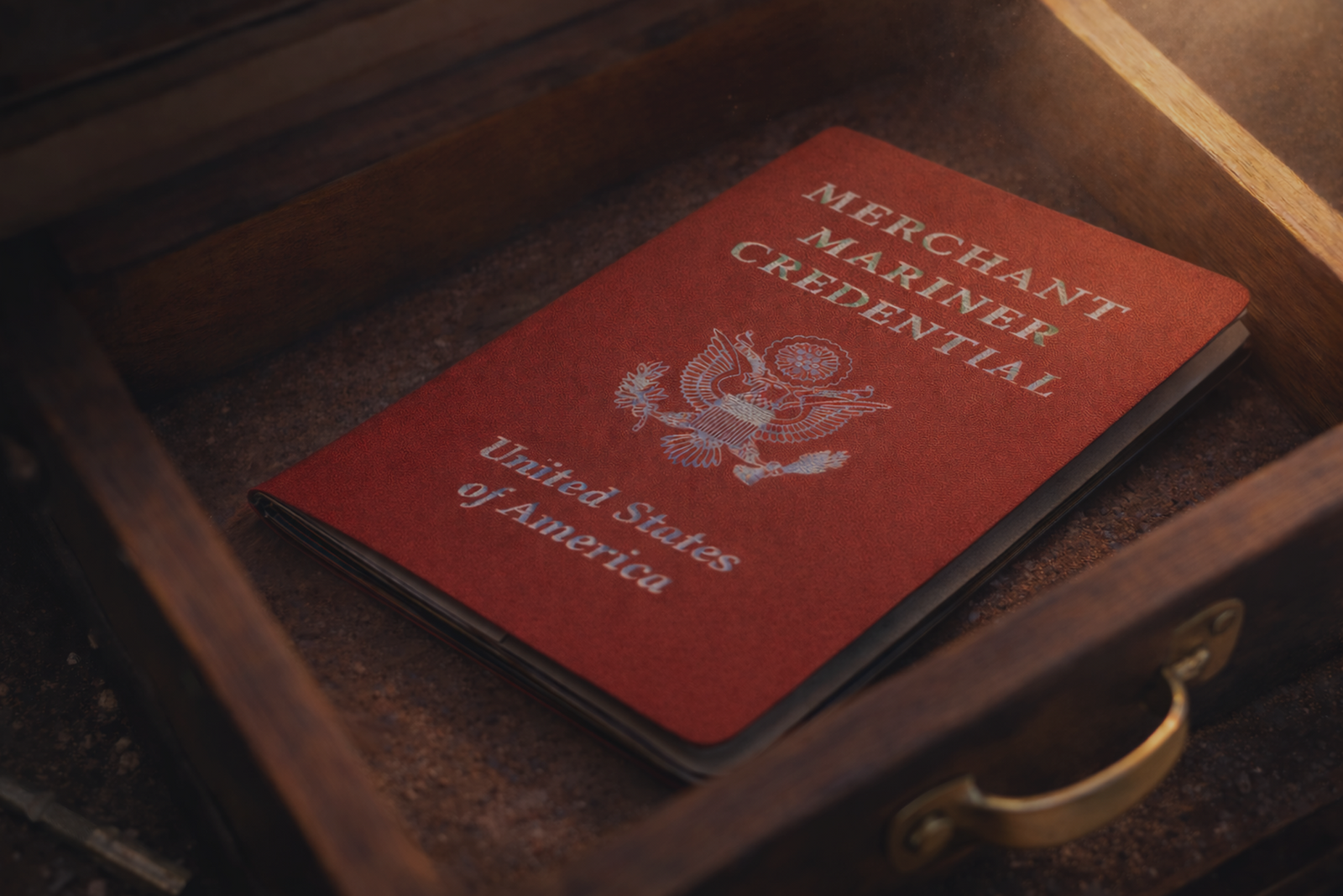

You did the work. You logged the sea time, finished the course, and passed the exam. You earned your captain’s license.
But life happens. Maybe you stepped away from the water for a while. Maybe the renewal window slipped by before you realized it. Now it’s been more than a few years, and you’re wondering what comes next.
Has the grace period closed? Can you still renew your license if it expired a long time ago?
The answer here is a good news/bad news situation. Let me walk you through both sides.
Your captain’s license is valid for five years. After it expires, the Coast Guard provides a six-year grace period during which you can still renew without starting over. To be clear, though, you can’t actually use an expired license, even during the grace period. (Note: The grace period timeline is technically temporary, so be sure to check periodically for changes.)
If your license expired more than six years ago, however, the Coast Guard treats it as if it never existed.
I know that’s hard to hear if you went through the full licensing process. But it’s the reality, and it’s important to understand clearly. If your license has been expired for more than six years, you’re no longer in a “renewing” situation. You’re applying for a brand-new license, and you’ll have to go through the full process again.
That process includes:
That’s the entirety of the bad news. It’s a full restart. There’s no way around it.
Now for the good news. First, the Coast Guard has no prohibition against you applying for a new license just because yours expired.
Second, though the process itself requires a full restart, you aren’t starting from scratch. All your knowledge and experience are still with you.
Your sea service time still counts all the way back to your 16th birthday. You’re perfectly free to submit the days you turned in to earn your original license, though you’ll need at least 90 within the last seven years to show recent experience on the water.
Also working in your favor is your existing knowledge. Yes, you’ll have to retake the course and exam, but you’ve already studied the material and passed it once. You know what it means to be a captain. The concepts aren’t new to you. You have a genuine head start over someone setting out for the first time.
So don’t let starting over discourage you. In fact, think of it less as starting over and more as getting a refresher so you can pick up where you left off.

Once you have your license in hand, you won’t want it to expire again. But, as I said at the beginning, life happens. What if you don’t get the 360 days of sea time before the next renewal? Or what if you have a medical issue and can’t pass the physical?

More good news: The Coast Guard has provisions for that.
If your only issue is low sea time, you can simply take a shorter, Coast Guard-approved course in lieu of those days on the water. We offer one here at Mariners, and once you pass the test, you just submit the course completion certificate along with your renewal application.
If you can’t take the course in time to renew, or if you have another issue like an injury or illness that prevents you from renewing, you still have an option. It’s called “continuity.”
A Document of Continuity allows you to “pause” your license, giving you time to resolve any issues without letting your credential lapse. You can’t use your license to operate commercially during this time, but you get the opportunity to work through whatever is holding you back.
Continuity is a useful safety valve, and not enough captains know about it.
Earning a captain’s license takes real time, real effort, and real commitment. If your license expired a long time ago, the path back requires that same commitment. But you’re not starting from zero.
Your sea time still counts. Everything you learned the first time is still with you. You know what the course is like. You know what to expect on the test.
That’s not nothing.
If you’re ready to get back in business on the water, Mariners Learning System is here to help you navigate the process from start to finish. Learn more about our captain’s license courses and take the first step toward being a licensed captain again.
Ask a question, share an experience, or add a helpful tip related to this article. Comments may appear after review to prevent spam.
Unlock 24/7 access to Navi, an AI instructor trained on MLS course material, so you can ask questions, run practice quizzes, and nail your captain’s exam.


Learn what questions to ask and how to prepare for a captain’s license drug test to ensure you avoid the most common application delays.
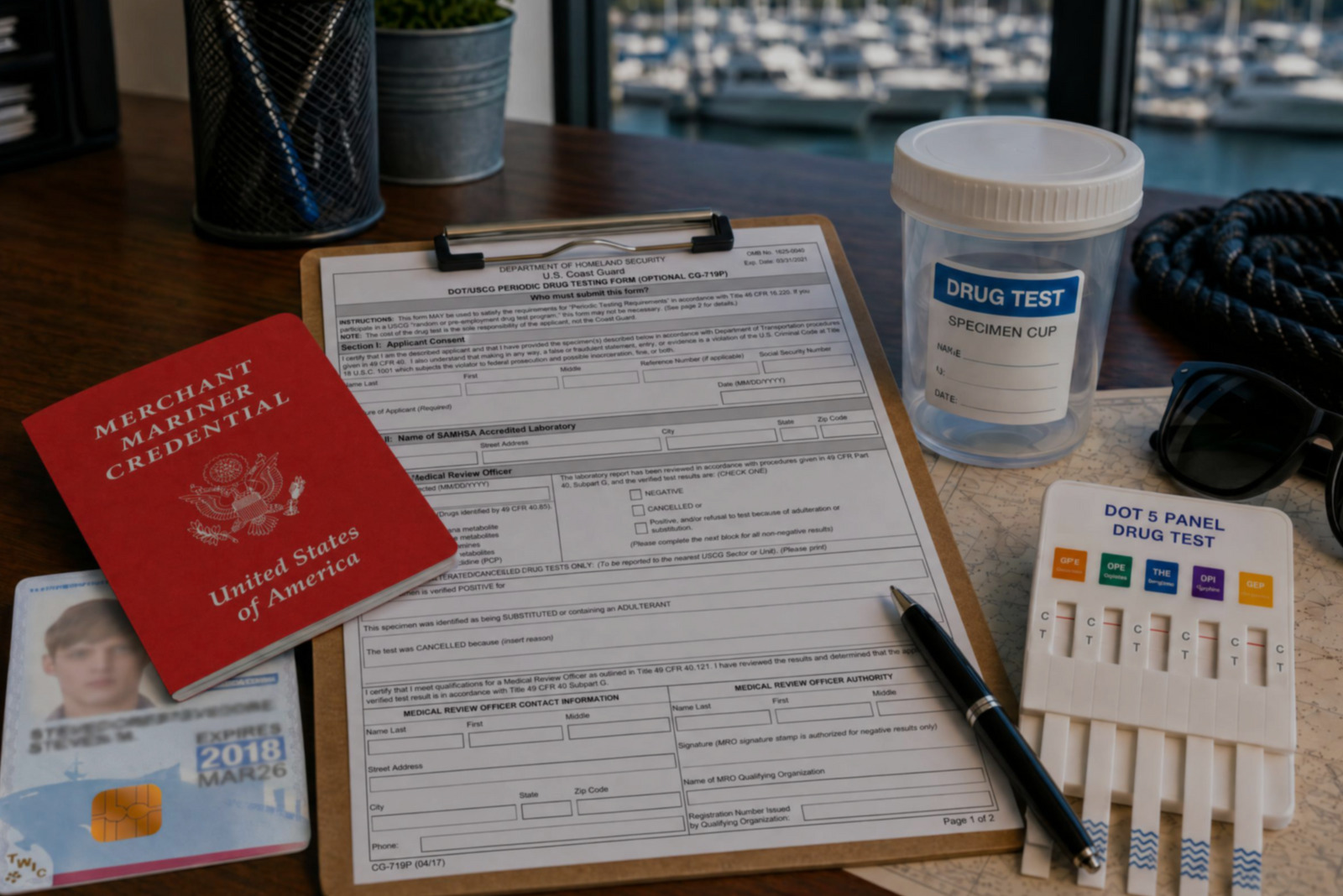

Discover the three types of drug tests working captains must submit to even after they’ve met the initial USCG drug testing requirements for their license.
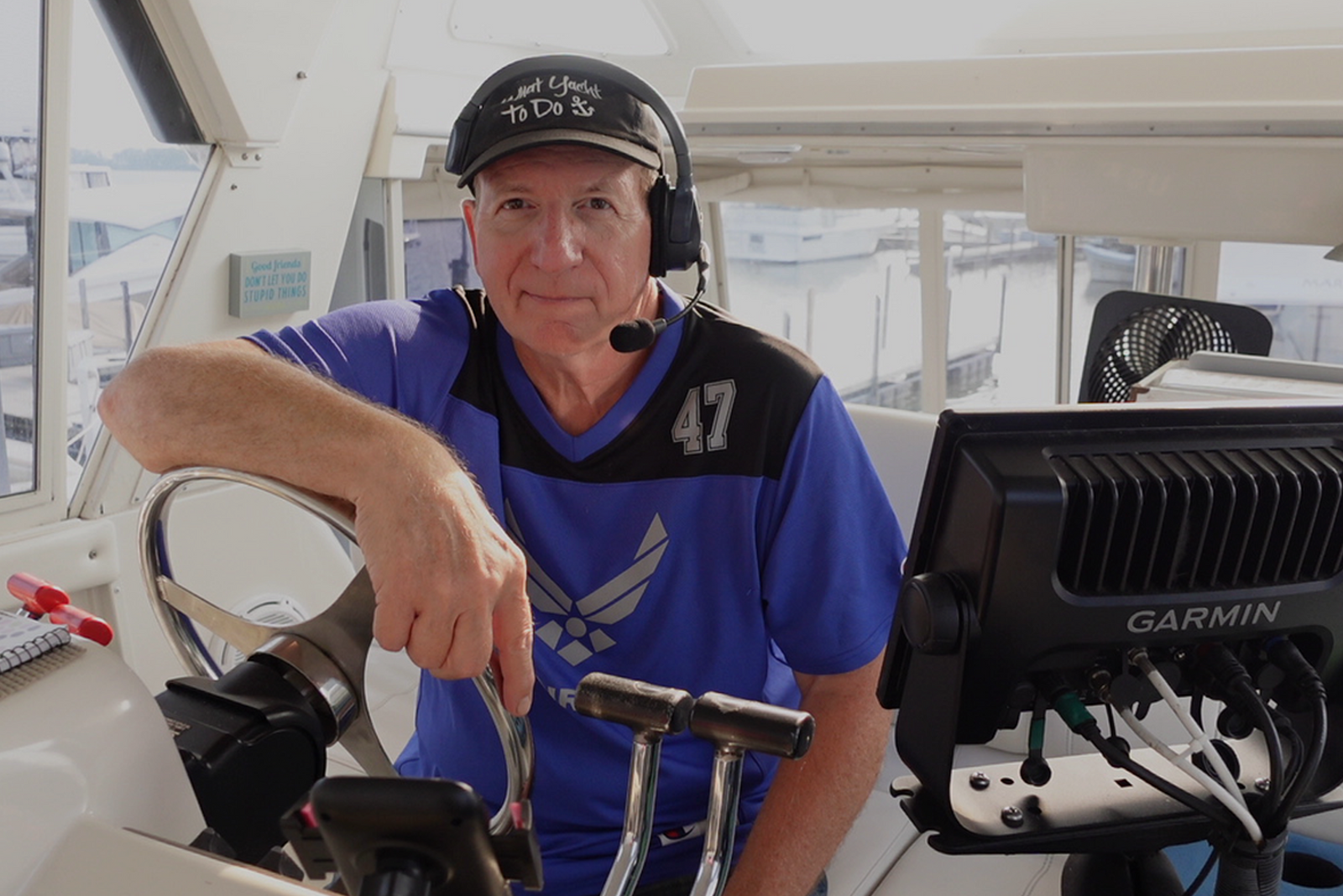

Discover how a retired airline pilot became obsessed with the Great Loop and built a thriving captain training business through Mariners Learning System.


Learn which substances the MMC drug test looks for, plus how masking agents and false positives factor in.


Discover the five most common mistakes mariners make on the captain’s license physical, plus a checklist for how to avoid them.
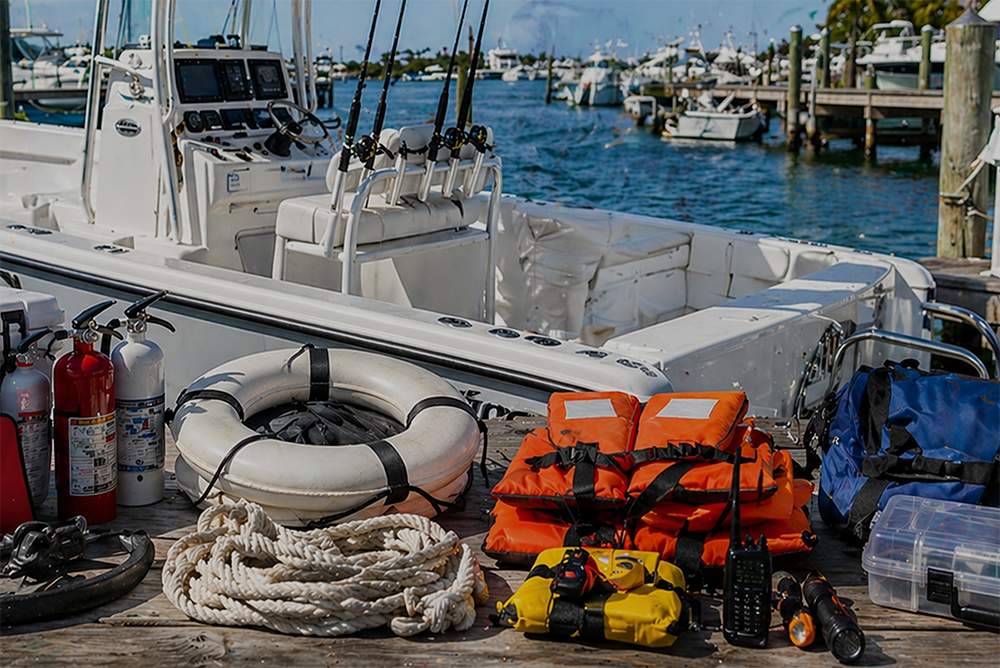

Discover why so many charter captains run out of money and how to plan every startup cost from your vessel purchase to guest-ready outfitting.

Learn how to build a charter business plan that covers pricing, expenses, and marketing so your captain’s license leads to lasting profit.

Transform how you talk about price with proven anchoring strategies and value-first framing that stops charter guests from shopping around.

Discover how charter captains use hybrid pricing models and seasonal adjustments to increase revenue and simplify bookings for every guest type.