

Meet Navi: Your 24/7 AI Instructor Inside the MLS Classroom
Unlock 24/7 access to Navi, an AI instructor trained on MLS course material, so you can ask questions, run practice quizzes, and nail your captain’s exam.
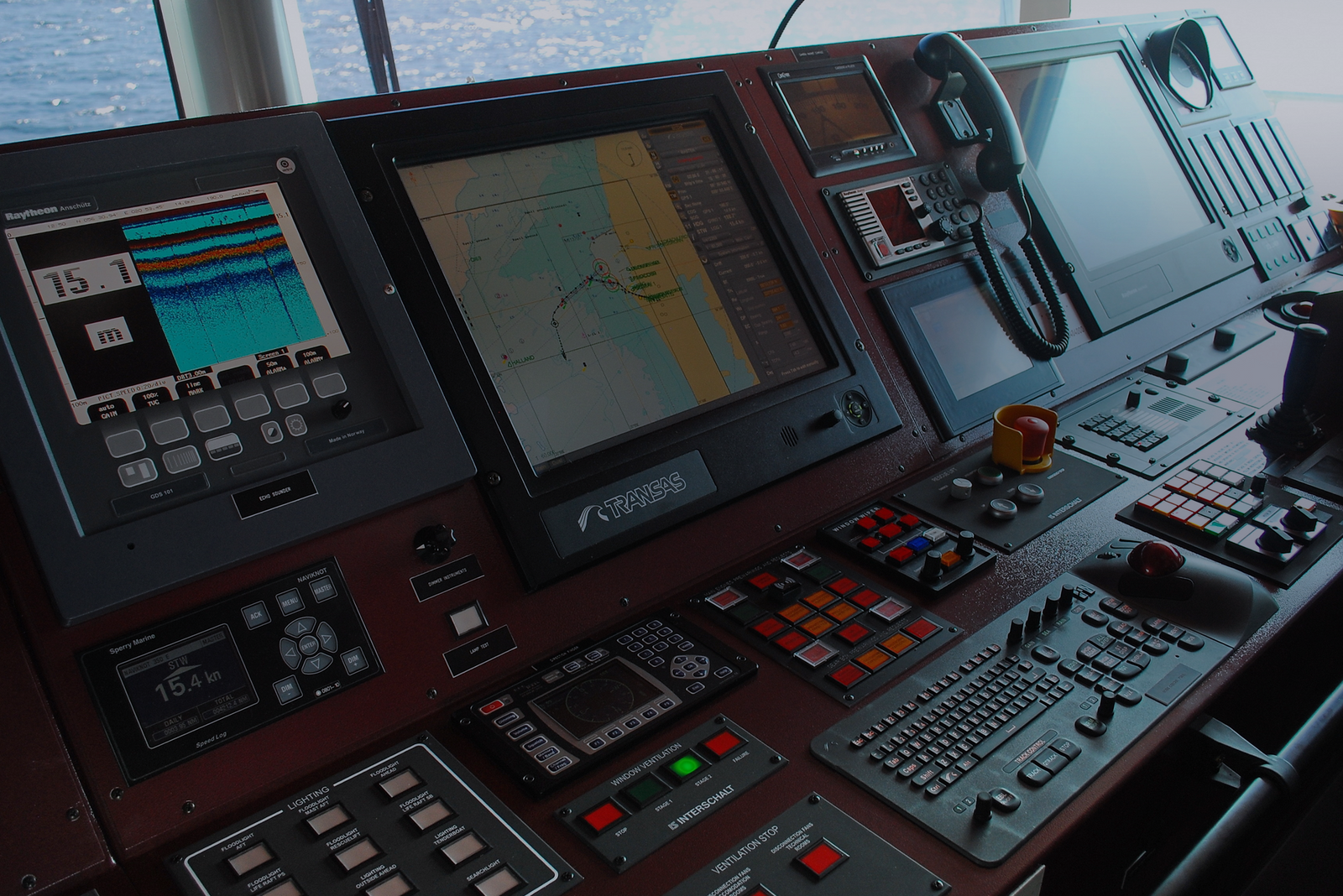

Federal Communications Commission (FCC) commercial radio operator licenses are required to operate radiotelephone stations on vessels over 300 gross tons, vessels carrying more than six passengers for hire, and certain Great Lakes and international-voyage vessels. The most common license for mariners is the Marine Radio Operator Permit (MROP), which requires passing a 24-question Element 1 exam and is issued for the holder’s lifetime.
Most licensed captains don’t think about FCC requirements until someone tells them they need a permit. If you operate a commercial vessel that carries more than six passengers for hire, or if your vessel is over 300 gross tons, federal law requires you to hold an FCC commercial radio operator license to operate the ship’s radio equipment.
The permit process is separate from your USCG captain’s license, but for many commercial captains, the two go hand in hand. Here’s what you need to know about eligibility, the different license types, and the exams you’ll take.

The FCC mandates that licensees of ship and aircraft radio stations allow only individuals holding the appropriate FCC-issued commercial operator license to operate, maintain, or repair specified radio equipment. If you’re operating a commercial vessel with paying passengers, you’ll likely need at least the Marine Radio Operator Permit (MROP).
You need an FCC commercial radio operator license to operate:
You do not need a commercial operator license to operate ship stations that exclusively use VHF frequencies, don’t travel to foreign ports, don’t make international communications, and don’t carry more than six passengers for hire or exceed 300 gross tons. Recreational boaters using a standard VHF marine radio typically fall into this exemption.
For a deeper look at when an FCC license applies, see our guide on whether you need an FCC license to operate a marine radio.
The FCC issues several types of commercial radio operator licenses. Each requires passing specific written examination elements. The table below shows the license, its abbreviation, and which elements you’ll need.
|
License Type |
Abbreviation |
Required Elements |
Common Use |
|
Marine Radio Operator Permit |
MP (MROP) |
Element 1 |
Operating radio on commercial vessels with passengers for hire |
|
General Radiotelephone Operator License |
PG (GROL) |
Elements 1 and 3 |
Maintaining and repairing radiotelephone transmitters; includes all MROP privileges |
|
Restricted GMDSS Radio Operator’s License |
RG |
Elements 1 and 7R |
Operating GMDSS equipment on vessels sailing within 20 nautical miles of shore |
|
GMDSS Radio Operator’s License |
DO |
Elements 1 and 7 |
Operating GMDSS equipment on all voyages; includes MROP privileges |
|
GMDSS Radio Maintainer’s License |
DM |
Elements 1, 3, and 9 |
Maintaining and repairing GMDSS equipment at sea |
|
GMDSS Radio Operator/Maintainer License |
DB |
Elements 1, 3, 7, and 9 |
Full GMDSS operating and maintenance authority |
|
Ship Radar Endorsement |
No official abbreviation |
Element 8 |
Installing, maintaining, and repairing ship radar equipment |
For most commercial captains holding an OUPV/Six-Pack or Master captain’s license, the MROP is the license you’ll need. Mariners whose vessels require Global Maritime Distress and Safety System (GMDSS) equipment will need the DO or RG, depending on their route.
If your charter vessel carries more than six passengers for hire, start with the MROP. It covers radio operation on commercial passenger vessels and is common among captains running charter business models like fishing trips, eco tours, and sunset cruises. If your vessel also requires GMDSS equipment, you’ll need the DO or RG in addition to or instead of the MROP.
Each FCC element exam covers a specific area of radio knowledge. Here’s what to expect.
Element 1 covers basic radio law and operating practice that every maritime radio operator needs. The exam has 24 questions, and you need at least 18 correct answers to pass.
Element 3 covers general radiotelephone questions, including electronic fundamentals, circuit components, radio wave propagation, signals and emissions, and techniques for adjusting, repairing, and maintaining radio transmitters and receivers. The exam has 100 questions, and you need at least 75 correct answers.
Element 7 covers GMDSS radio operating practice, including narrow-band direct printing, INMARSAT, NAVTEX, digital selective calling, and survival craft procedures. The exam has 100 questions, and you need at least 75 correct answers.
Element 7R covers restricted GMDSS radio operating practice for vessels sailing exclusively in sea area A1 (within about 20 nautical miles of shore). The exam has 50 questions, and you need at least 38 correct answers.
Element 8 covers ship radar techniques, including installation, servicing, and maintenance of ship radar equipment used for marine navigation. The exam has 50 questions, and you need at least 38 correct answers.
Element 9 covers GMDSS radio maintenance practice and procedure, including radio system theory, amplifiers, power sources, troubleshooting, digital theory, and GMDSS equipment regulations. The exam has 50 questions, and you need at least 38 correct answers.
Yes. The FCC may change the number of questions or the passing score for any element at any time. The Commission issues a public notice when changes occur. Confirm current exam details with an FCC-approved Commercial Operator License Examination Manager (COLEM) before testing.
To qualify for an FCC commercial radio operator license, you must meet two requirements beyond passing the correct exam elements:
There’s no sea time requirement and no prerequisite license needed. The FCC’s eligibility bar is straightforward: pass the exam and meet the two criteria above.
FCC commercial operator licenses issued after March 25, 2008, are valid for the holder’s lifetime and don’t require renewal. That includes the MROP, GROL, and all GMDSS licenses. The only exception involves the Ship Radar Endorsement and certain legacy telegraph licenses, which have their own terms.
For captains also pursuing their USCG license, note that the FCC permit process is separate from the Coast Guard application requirements. You’ll submit FCC paperwork through a COLEM, not through the National Maritime Center.

Mariners Learning System is an FCC-approved COLEM, which means we can administer your examination and file your FCC application paperwork on your behalf. Here’s how the process works:
The FCC MROP Online Course and Exam bundles the Element 1 prep course with the exam and FCC application filing. No surprise fees, and you can study and test on your own schedule.
FCC processing times vary. After your COLEM submits the application, you’ll wait for the FCC to issue your official license. Contact MLS or the FCC for current processing estimates.
Most recreational boaters using a standard VHF radio on domestic voyages don’t need one. The requirement applies to the vessel types listed in the “Who Needs an FCC License” section above.
Our guide on how to become a licensed captain explains when different licenses and permits apply.
Yes. The FCC licensing process is completely independent of USCG captain’s licensing. You don’t need a captain’s license to get a radio license. Some people need it for work, separate from the captain’s industry entirely.
You can retake the exam. Just call Mariners Learning System and pay for a re-attempt. There’s no waiting period to test again.
The FCC license process is simpler than most captains expect. For the majority of commercial operators, it comes down to one exam, two eligibility requirements, and a lifetime license. Don’t let an unfamiliar acronym keep you from a credential you may need the day you take paying passengers aboard.
If you have questions about FCC licensing or any other part of the application process, the team at Mariners Learning System is here to help. We’ve guided more than 200,000 students through this process, and we’re not going to let paperwork be the reason you don’t get your license.
FCC regulations and exam formats may change. Always verify current requirements with the FCC or an FCC-approved COLEM before testing. This blog post was reviewed for accuracy by the Mariners Learning System team.
Ask a question, share an experience, or add a helpful tip related to this article. Comments may appear after review to prevent spam.
Unlock 24/7 access to Navi, an AI instructor trained on MLS course material, so you can ask questions, run practice quizzes, and nail your captain’s exam.


Learn what questions to ask and how to prepare for a captain’s license drug test to ensure you avoid the most common application delays.
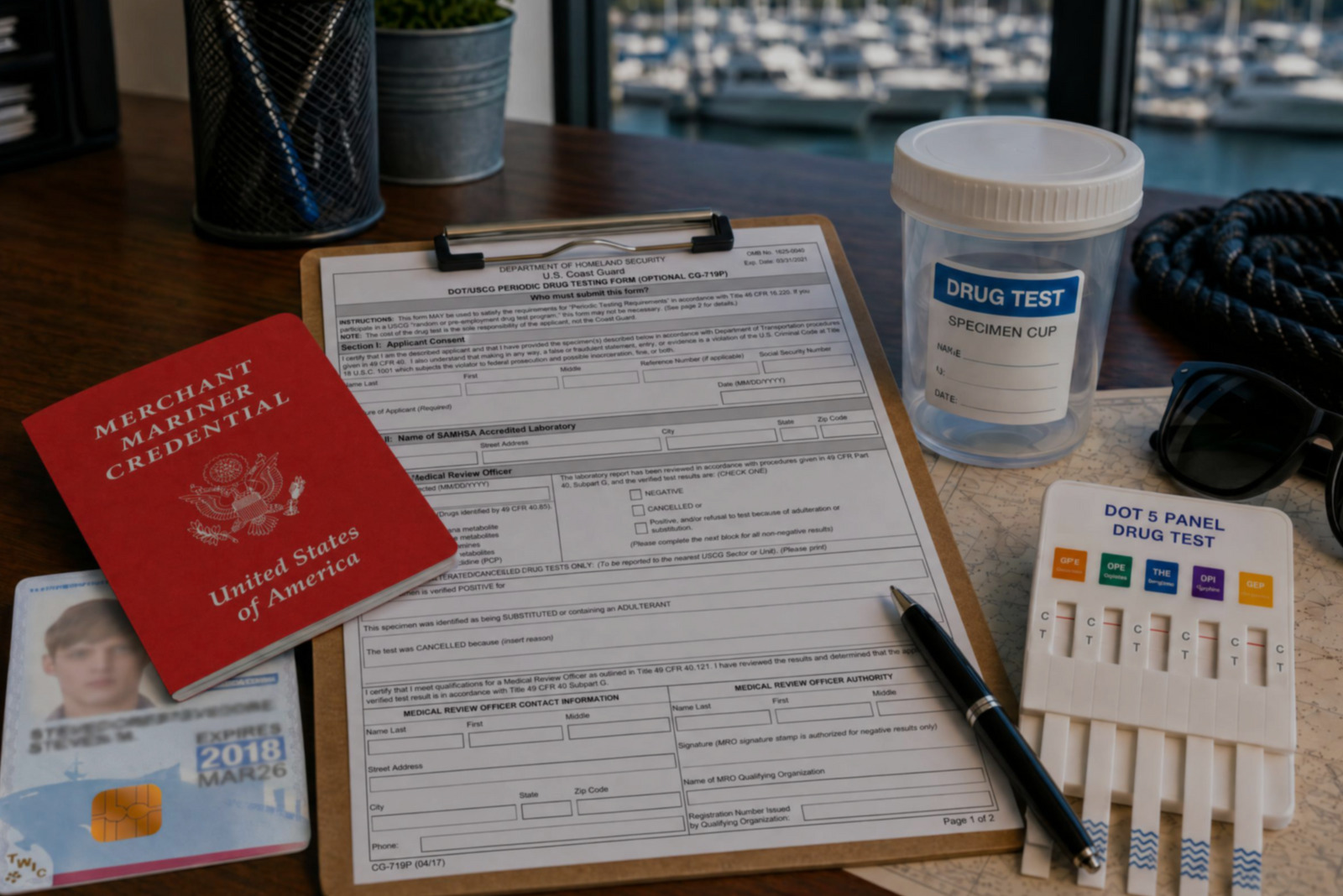

Discover the three types of drug tests working captains must submit to even after they’ve met the initial USCG drug testing requirements for their license.
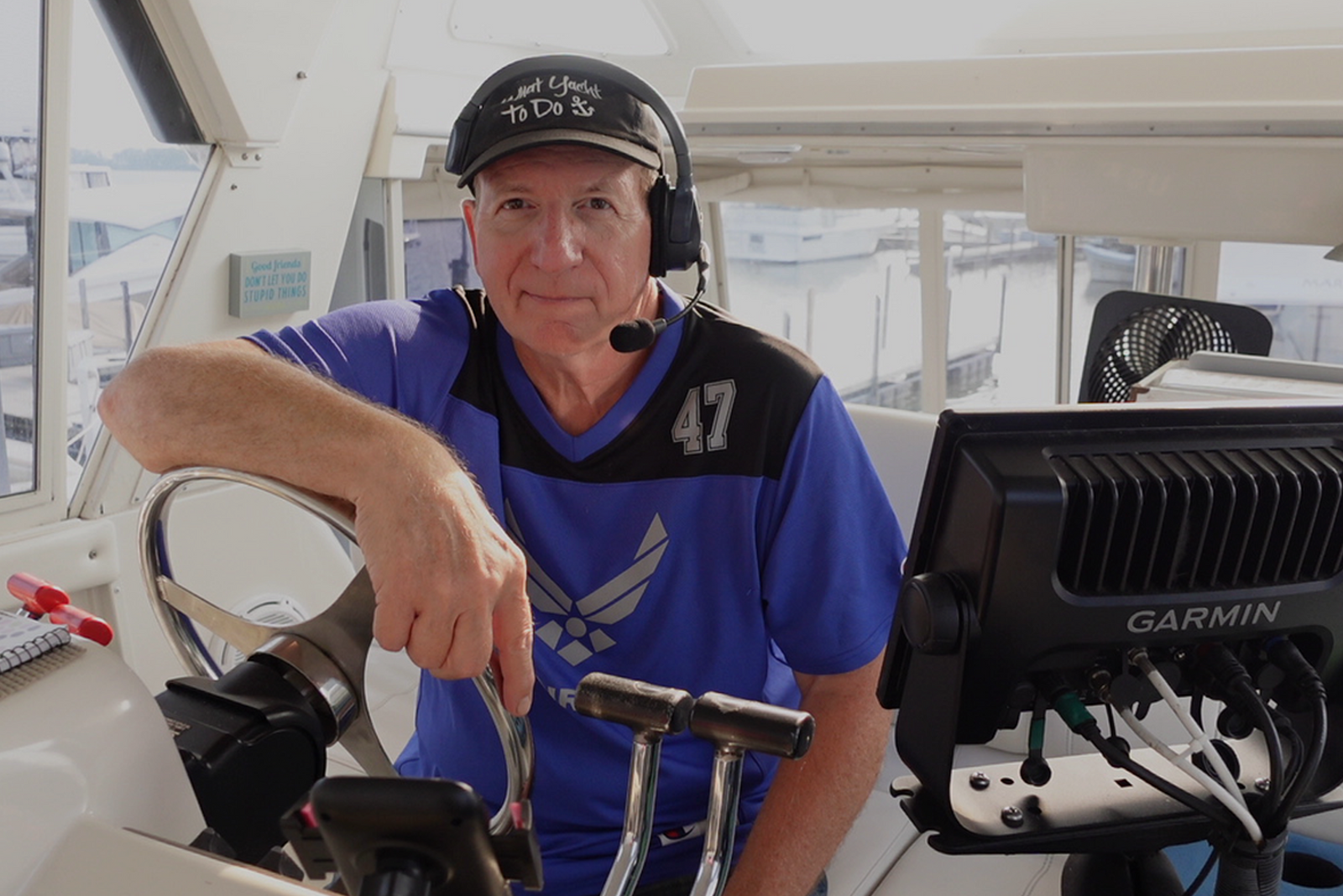

Discover how a retired airline pilot became obsessed with the Great Loop and built a thriving captain training business through Mariners Learning System.


Learn which substances the MMC drug test looks for, plus how masking agents and false positives factor in.


Discover the five most common mistakes mariners make on the captain’s license physical, plus a checklist for how to avoid them.

Discover why so many charter captains run out of money and how to plan every startup cost from your vessel purchase to guest-ready outfitting.

Learn how to build a charter business plan that covers pricing, expenses, and marketing so your captain’s license leads to lasting profit.

Transform how you talk about price with proven anchoring strategies and value-first framing that stops charter guests from shopping around.

Discover how charter captains use hybrid pricing models and seasonal adjustments to increase revenue and simplify bookings for every guest type.