

Meet Navi: Your 24/7 AI Instructor Inside the MLS Classroom
Unlock 24/7 access to Navi, an AI instructor trained on MLS course material, so you can ask questions, run practice quizzes, and nail your captain’s exam.
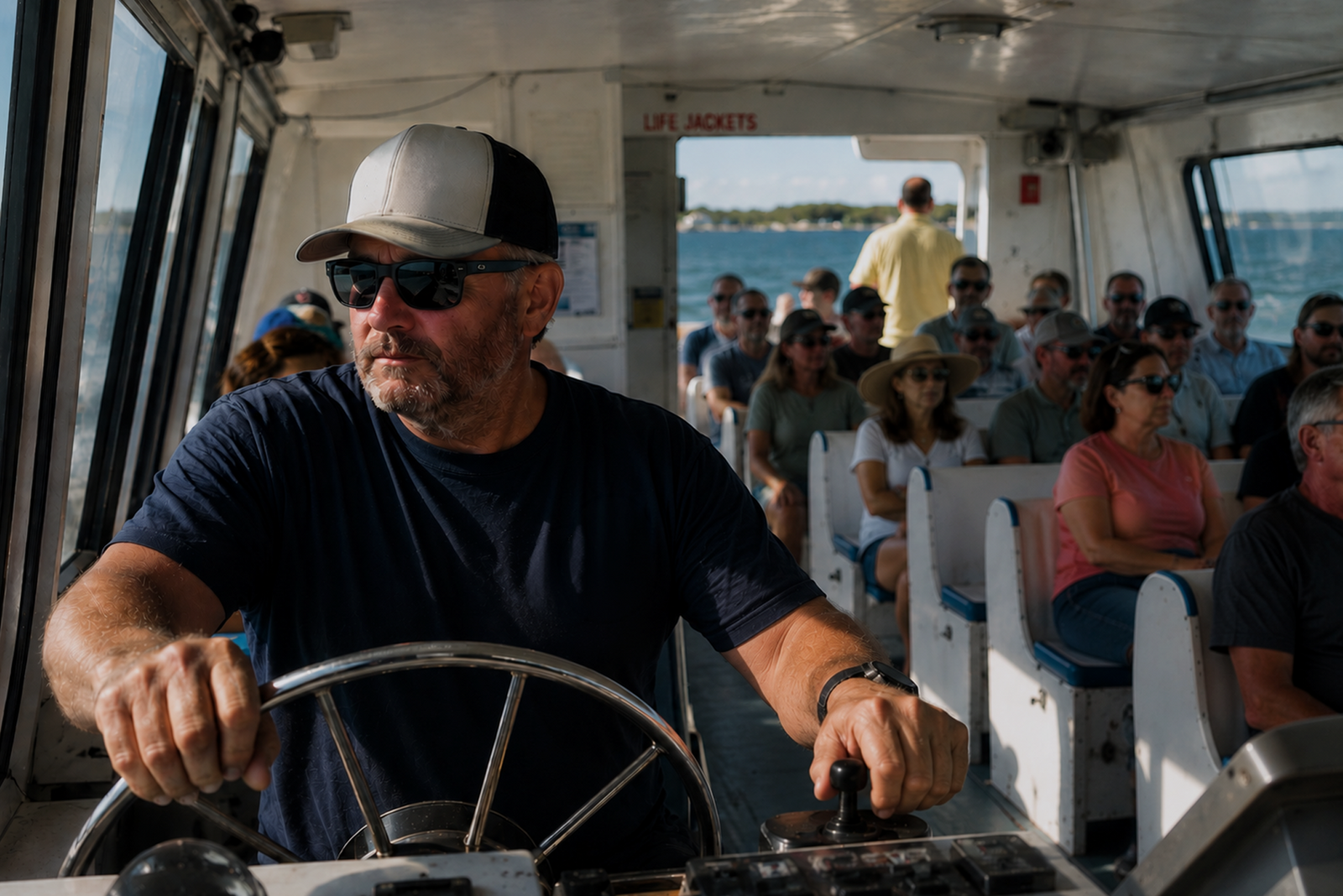

To upgrade from an OUPV/Six-Pack to a Master captain’s license, you need to be at least 19 years old, hold U.S. citizenship, possess a Transportation Worker Identification Credential (TWIC) card, complete additional sea time (if necessary), and pass a USCG-approved upgrade course and exam. The specific sea time depends on whether you’re pursuing a Master Inland or Master Near Coastal endorsement and the tonnage level you qualify for.
If you already hold an OUPV/Six-Pack license and want to carry seven or more paying passengers on inspected vessels, upgrading to a Master captain’s license is the next step. It’s not starting over. The upgrade builds on the credential you’ve already earned, and the additional coursework is shorter than what you completed the first time.
We’ve walked mariners through this upgrade at Mariners Learning System. The process is straightforward once you understand which type of captain’s license matches your sea time and career goals.

Every version of the Master captain’s license shares the same baseline requirements, regardless of whether you’re pursuing Inland, Near Coastal, or a specific tonnage level. The difference between the 25-ton, 50-ton, and 100-ton designations comes down to the size of vessels you’ve documented experience on.
The baseline requirements are:
We recommend contacting the NMC at (888) 427-5662 before submitting to confirm whether your existing CG-719P (drug test) and CG-719K (physical exam) paperwork is still valid from your original application.
A Master Inland license requires a minimum of 360 days of sea time on any waters, with 90 of those days completed within the last seven years for recency (per the NMC checklist). This is the same total day count as the OUPV Inland, so if you already met the 360-day threshold for your Six-Pack, you may not need any additional time on the water.
The tonnage of vessels you’ve operated on determines whether the Coast Guard issues a 25-ton, 50-ton, or 100-ton Master. Here’s how the sea time documentation breaks down by tonnage (per 46 CFR 11.422):
|
Tonnage Level |
Vessel-Size Requirement |
|
100 GRT |
90 days (25%) on vessels 51 GRT or above, or 180 days (50%) on vessels 34 GRT or above |
|
50 GRT |
90 days (25%) on vessels 26 GRT or above, or 180 days (50%) on vessels 17 GRT or above |
|
25 GRT |
271 days (75%) or more on vessels 5 GRT or less, or 90 days (25%) on vessels 1 to 25 GRT, or 180 days (50%) on vessels 1 to 16 GRT |
If you don’t meet the tonnage calculation for 50 GRT or above, you’re still eligible for the 25 GRT Master.
A Master Near Coastal license requires 720 days of total sea time, with 360 of those days completed outside the USCG Boundary Line (seaward of the Demarcation) per 46 CFR 11.428. Ninety of the 720 total days must fall within the last seven years for recency.
That’s twice the sea time required for the OUPV Near Coastal, which needs only 360 total days (with 90 days outside the Boundary Line). If you hold an OUPV Inland and want to pursue the Master Near Coastal, you’ll need both the higher day count and the offshore experience.
There’s a middle ground many mariners overlook: the Master Inland with an OUPV Near Coastal endorsement, known as a dual-purpose license. This combination requires 360 total days, with 90 of those days outside the Boundary Line. It gives you Master-level authority on inland waters and OUPV-level authority on near-coastal waters, all at the 360-day threshold.
|
License Path |
Total Sea Time |
Offshore Requirement |
Recency (Last 7 Years) |
|
Master Inland |
360 Days |
None |
90 Days |
|
Master Inland + OUPV Near Coastal |
360 Days |
90 days outside Boundary Line |
90 Days |
|
Master Near Coastal |
720 Days |
360 days outside Boundary Line |
90 Days |
The upgrade doesn’t require retaking the full captain’s license exam from scratch. You complete the OUPV/Six-Pack Upgrade to 25/50 or 100-Ton Master course, pass the upgrade final exam, and submit a new application to the NMC. The upgrade course at Mariners Learning System is designed as a 24-hour online program. Most students finish in 10 to 15 hours due to its self-paced format.
However, if you have an OUPV Inland and want the Master Near Coastal, in addition to the boating experience and our written requirement, the Coast Guard has another written requirement.
The course is $375 and includes one year of access to the full narrated lecture and interactive learning system, plus the final proctored exam at no additional fee. When you’re ready to submit your application, our licensing support team walks you through the process.
Yes. If you have the required sea time for a Master license, you can apply using the Master captain’s license requirements for your tonnage level without earning the OUPV first. The OUPV isn’t a prerequisite for the Master.
Many mariners with extensive experience go this route.
It depends on which Master you’re pursuing. For a Master Inland, 360 days is the minimum, so you may already qualify. For a Master Near Coastal, you need 720 days, with 360 of those outside the Boundary Line.
Check how much sea time you need carefully before enrolling.
A Master captain’s license authorizes you to operate inspected vessels carrying seven or more paying passengers. This opens doors to water taxis, dive boats, large fishing charters, tour boats, and ferry operations that the OUPV/Six-Pack doesn’t cover. See the full range of career paths for licensed captains.
The upgrade from OUPV to Master is the most common next step for working captains who want to grow their authority and their business. The coursework is shorter, the process builds on what you’ve already earned, and the expanded credential pays for itself the first time you take on a job that requires more than six passengers.
If you’re ready to upgrade, or if you’re not sure whether your sea time qualifies, reach out to the team at Mariners Learning System. We’ve helped more than 200,000 students become licensed captains, and we can tell you exactly where you stand.

Ask a question, share an experience, or add a helpful tip related to this article. Comments may appear after review to prevent spam.
Unlock 24/7 access to Navi, an AI instructor trained on MLS course material, so you can ask questions, run practice quizzes, and nail your captain’s exam.


Learn what questions to ask and how to prepare for a captain’s license drug test to ensure you avoid the most common application delays.
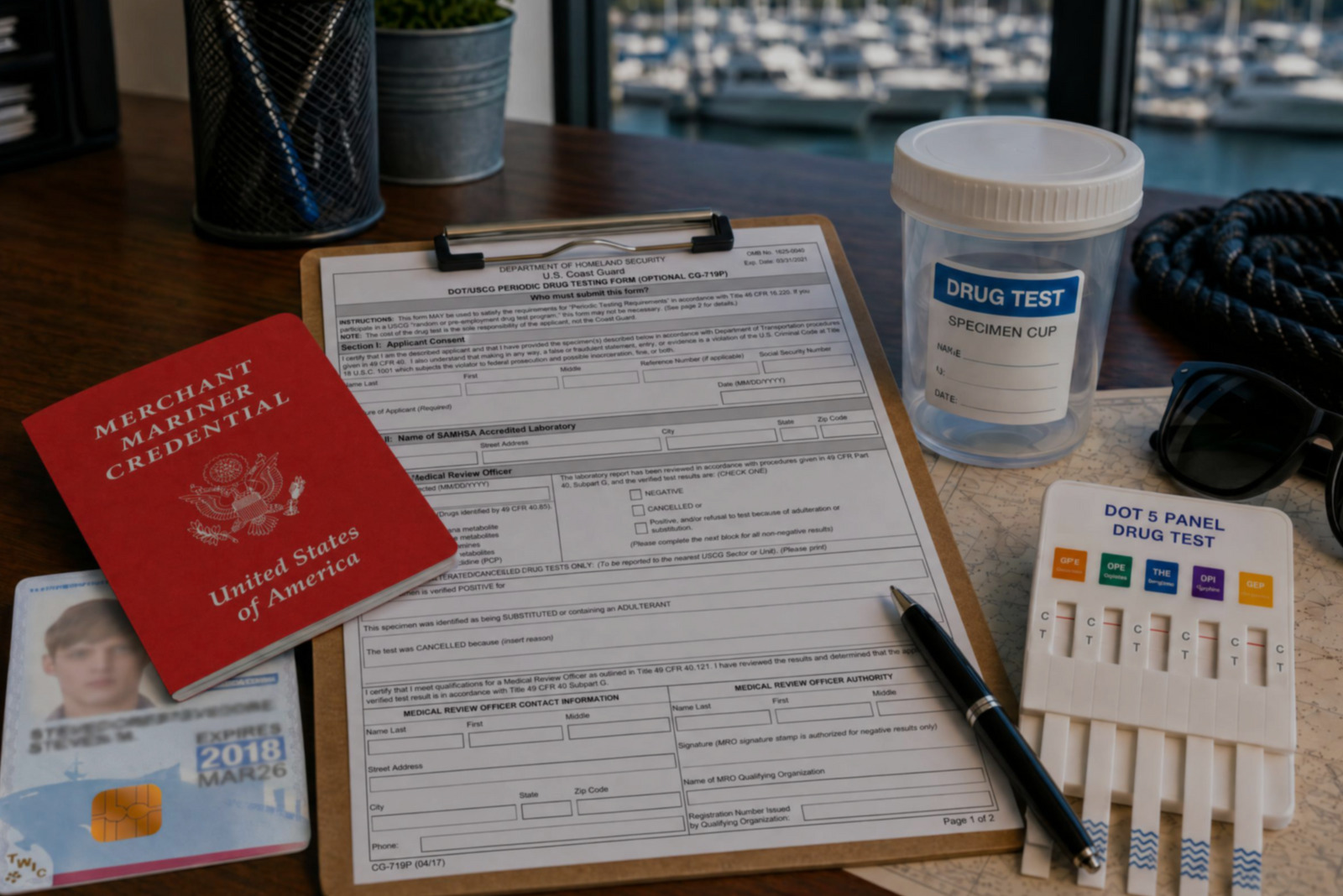

Discover the three types of drug tests working captains must submit to even after they’ve met the initial USCG drug testing requirements for their license.
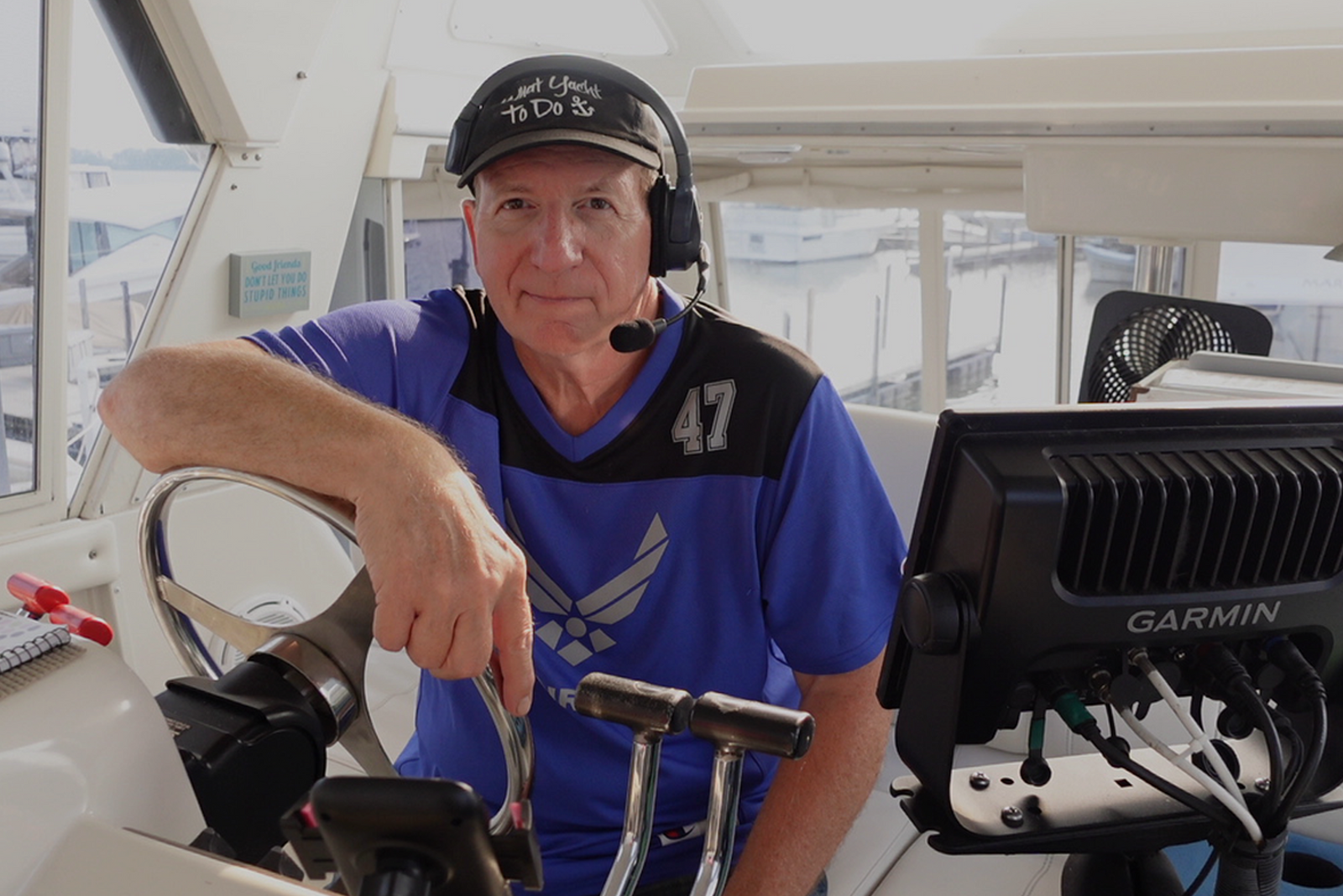

Discover how a retired airline pilot became obsessed with the Great Loop and built a thriving captain training business through Mariners Learning System.
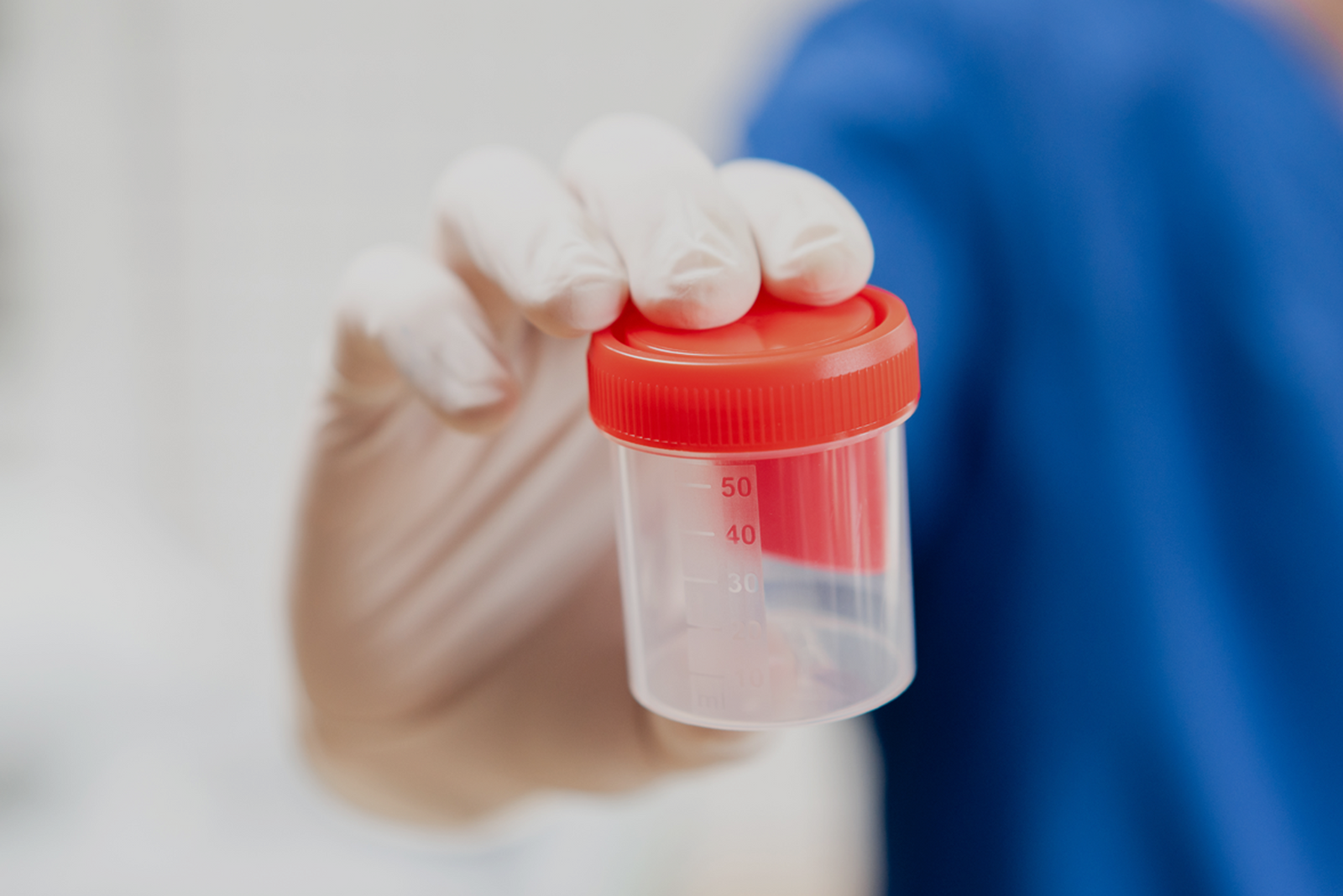

Learn which substances the MMC drug test looks for, plus how masking agents and false positives factor in.


Discover the five most common mistakes mariners make on the captain’s license physical, plus a checklist for how to avoid them.
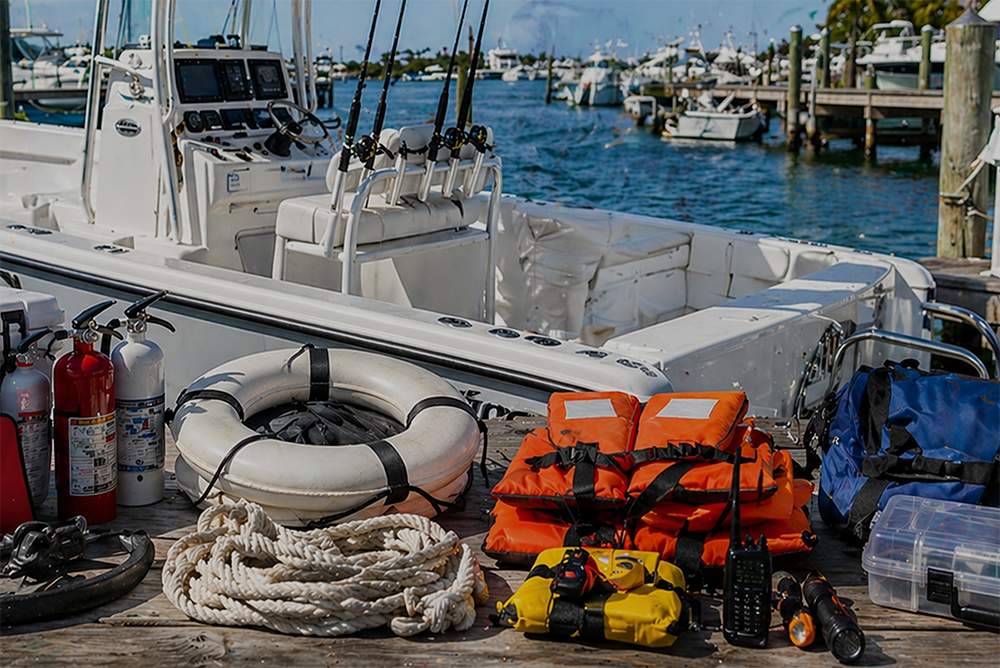

Discover why so many charter captains run out of money and how to plan every startup cost from your vessel purchase to guest-ready outfitting.

Learn how to build a charter business plan that covers pricing, expenses, and marketing so your captain’s license leads to lasting profit.

Transform how you talk about price with proven anchoring strategies and value-first framing that stops charter guests from shopping around.

Discover how charter captains use hybrid pricing models and seasonal adjustments to increase revenue and simplify bookings for every guest type.