

Meet Navi: Your 24/7 AI Instructor Inside the MLS Classroom
Unlock 24/7 access to Navi, an AI instructor trained on MLS course material, so you can ask questions, run practice quizzes, and nail your captain’s exam.
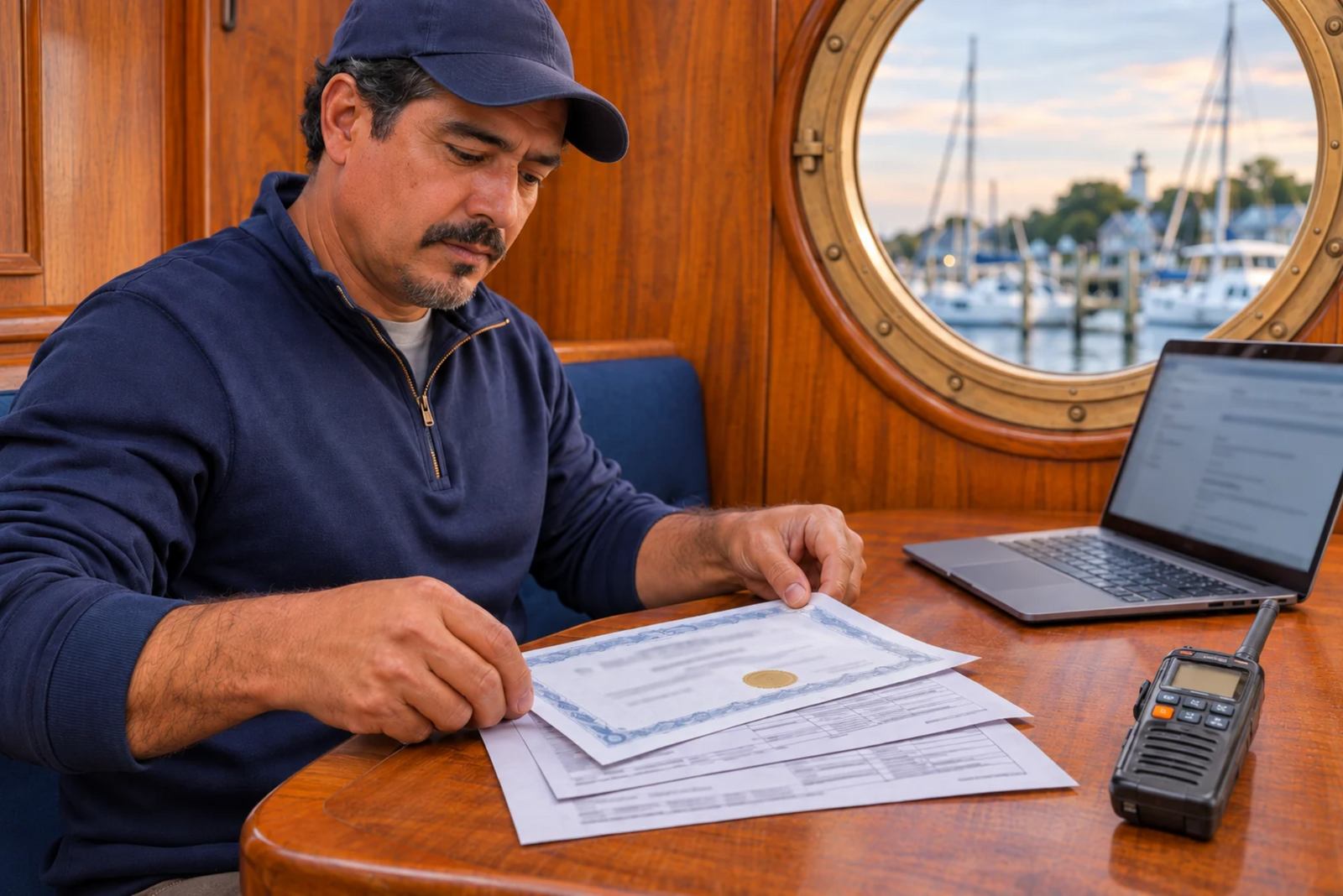

After you pass the required FCC element exam through Mariners Learning System, we file your license application with the Federal Communications Commission (FCC) electronically on your behalf at no additional cost. You’ll need to email us your MLS Certificate of Completion, a completed FCC 605 Main Form, and a completed FCC Form Schedule E.
Most students are surprised at how simple this part is. The exam is the hard work. The application itself is a handful of forms and one email.
That said, a few details in the FCC application process trip people up. A missing form, an incomplete field, or a wrong email address can delay your license. Here’s how to get it right on the first try.

The FCC radio operator license application requires three documents, all sent in one email to the Mariners Learning System team. Here’s exactly what to include:
Both FCC forms cover a wide range of radio licenses, so some sections won’t apply to you. If a question doesn’t make sense for your license type, leave it blank. We’ve highlighted the key sections you need to complete in the copies we provide.
Once you’ve gathered everything, email the three documents to [email protected].
An FRN (FCC Registration Number) is a unique 10-digit identification number issued by the Federal Communications Commission (FCC). It uniquely identifies individuals, so your FRN will follow you through the rest of your journey with the FCC. You do NOT apply for a new one each application.
Item #9 on the FCC 605 Main Form requires your FRN. If you don’t already have one, register for free at the FCC’s CORES registration page before filling out the form.
If you check “Yes” for Item #28 on the 605 Main Form, you’ll need to provide additional documentation. See our article on documenting a court conviction in your FCC application for the full list of what to include.
Once we receive your complete application packet, our team reviews it and, if everything checks out, submits your application electronically to the FCC on your behalf. There’s no additional fee for this service; it’s included in the cost of your FCC exam purchase.
If anything is missing or unclear, we’ll contact you to resolve it before submitting. We’d rather catch a problem early than send an incomplete packet to the FCC.
Processing times vary, but most students receive their FCC license within a few days of submission (unless you have a conviction; then, it can be weeks).
Under 47 CFR 13.15, commercial radio operator licenses, including the Marine Radio Operator Permit (MROP), are valid for the lifetime of the holder. Once you have it, you won’t need to renew it.
|
Item |
Details |
|
Documents Required |
MLS Certificate of Completion, FCC 605 Main Form, FCC Schedule E |
|
FRN Required |
Yes, register free at FCC CORES |
|
Application Fee |
None (included with your MLS exam purchase, but there may be an FCC issuance fee, normally $35 for your original license) |
|
Who Files |
Mariners Learning System files electronically on your behalf |
|
License Validity |
Lifetime under 47 CFR 13.15 |
|
Typical Processing Time |
A few days after submission, but prior convictions could extend that timeline |
The FCC issues several types of commercial radio operator licenses. The one most relevant to captains is the Marine Radio Operator Permit (MROP). It’s required for anyone operating radiotelephone stations aboard vessels of more than 300 gross tons or vessels carrying more than six passengers for hire in open sea or tidewater areas of the United States.
The FCC Marine Radio Operator Permit (MROP) requires passing FCC Element 1, a 24-question written exam. The MLS MROP course is about four hours long, and the exam has a maximum testing time of two hours.
Mariners Learning System is a Commercial Operator License Examination Manager (COLEM). That means you can take the course, pass the exam, and have your application filed, all through one provider.
MLS also offers individual element exams for higher-level FCC licenses. If you’re pursuing additional credentials, the application process follows the same steps: pass the exams, send us the forms, and we file on your behalf.
One note on fees: MLS doesn’t charge for the filing itself, but the FCC may charge a separate issuance fee once your application is approved.
Technically, yes. You would need to request an official printed certificate with an embossed seal from us, which would significantly slow down your ability to file on your own.
But when you complete your exam through Mariners Learning System, we handle the filing for you at no extra cost, which is the easiest and quickest path. Most students prefer to let us manage the paperwork to avoid delays from form errors.
These are two different credentials issued by two different federal agencies. Your United States Coast Guard captain’s license (such as an OUPV/Six-Pack or Master) authorizes you to operate a commercial vessel. A Federal Communications Commission radio operator license authorizes you to operate the vessel’s radio equipment.
Depending on your vessel’s size and route, you may need both.
Nothing extra. The filing is included with your exam purchase.
The FCC application process is straightforward when you know what to send and where to send it. Pass your exam, email us three documents, and we take it from there.
If you have questions about the FCC application process, the team at Mariners Learning System is here to help.
This article is for informational purposes and reflects FCC requirements as of October 2026. FCC rules can change. For the most current information, contact the FCC directly or reach out to our team at Mariners Learning System.
Ask a question, share an experience, or add a helpful tip related to this article. Comments may appear after review to prevent spam.
Unlock 24/7 access to Navi, an AI instructor trained on MLS course material, so you can ask questions, run practice quizzes, and nail your captain’s exam.


Learn what questions to ask and how to prepare for a captain’s license drug test to ensure you avoid the most common application delays.
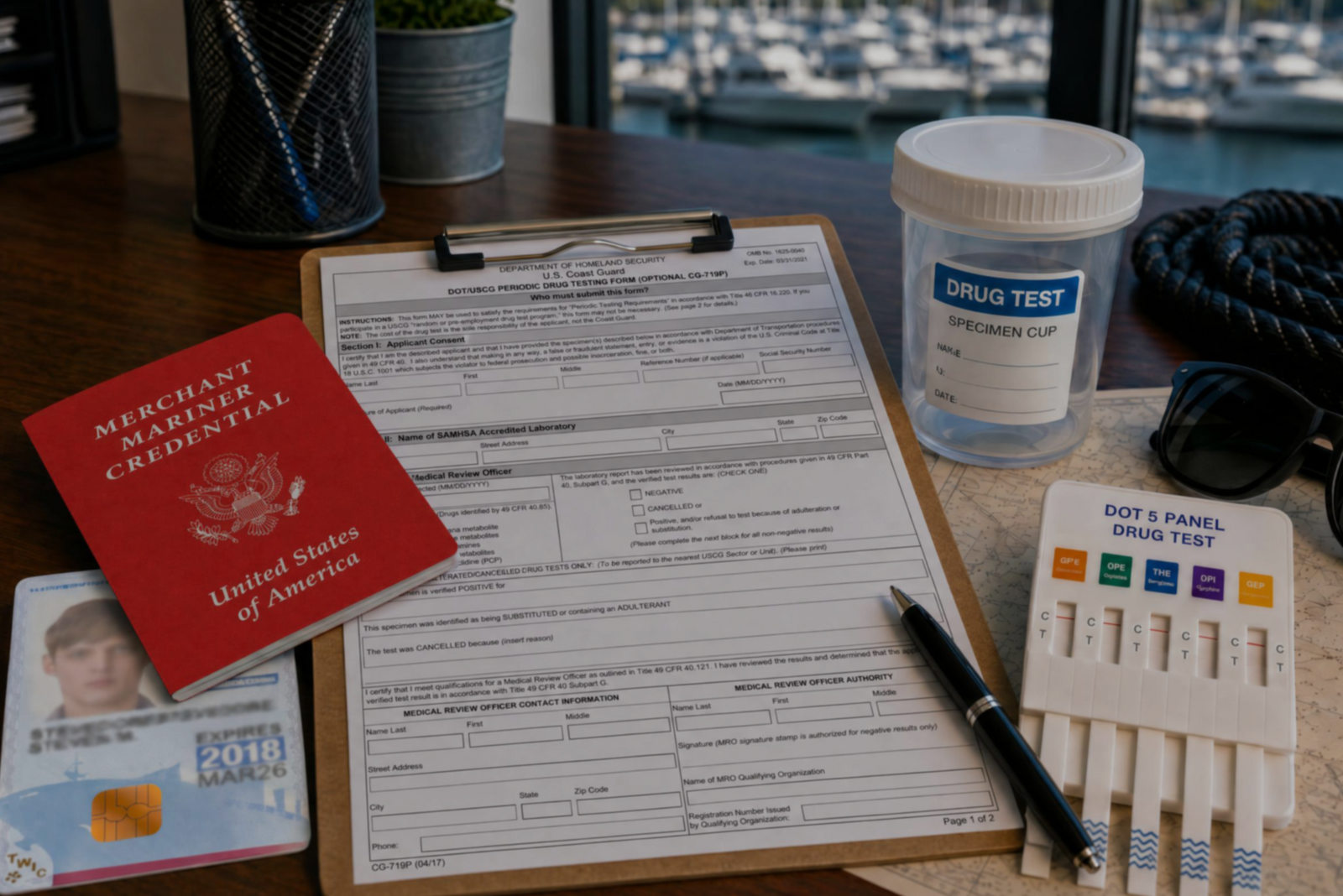

Discover the three types of drug tests working captains must submit to even after they’ve met the initial USCG drug testing requirements for their license.
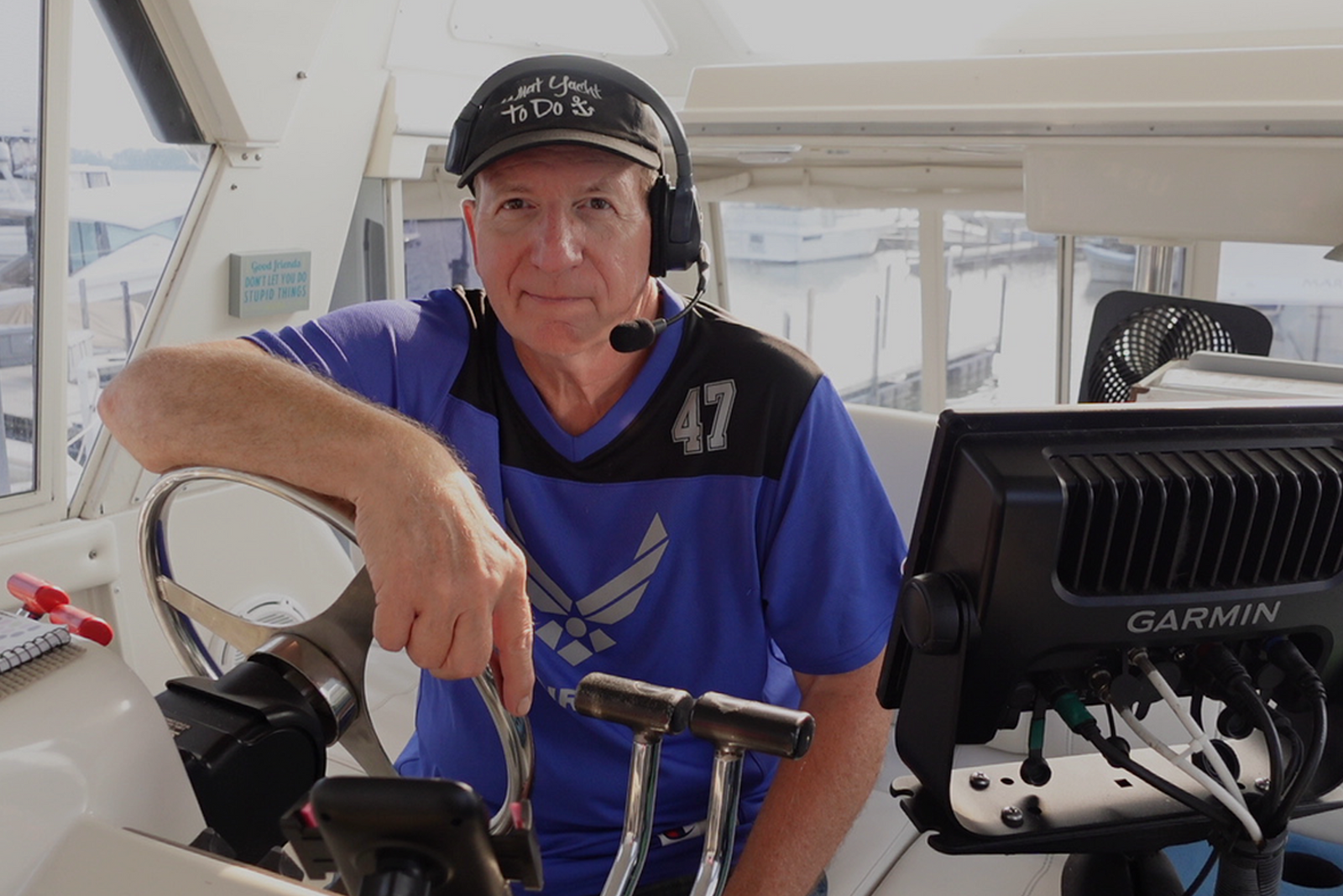

Discover how a retired airline pilot became obsessed with the Great Loop and built a thriving captain training business through Mariners Learning System.


Learn which substances the MMC drug test looks for, plus how masking agents and false positives factor in.


Discover the five most common mistakes mariners make on the captain’s license physical, plus a checklist for how to avoid them.

Discover why so many charter captains run out of money and how to plan every startup cost from your vessel purchase to guest-ready outfitting.

Learn how to build a charter business plan that covers pricing, expenses, and marketing so your captain’s license leads to lasting profit.

Transform how you talk about price with proven anchoring strategies and value-first framing that stops charter guests from shopping around.

Discover how charter captains use hybrid pricing models and seasonal adjustments to increase revenue and simplify bookings for every guest type.