

Meet Navi: Your 24/7 AI Instructor Inside the MLS Classroom
Unlock 24/7 access to Navi, an AI instructor trained on MLS course material, so you can ask questions, run practice quizzes, and nail your captain’s exam.
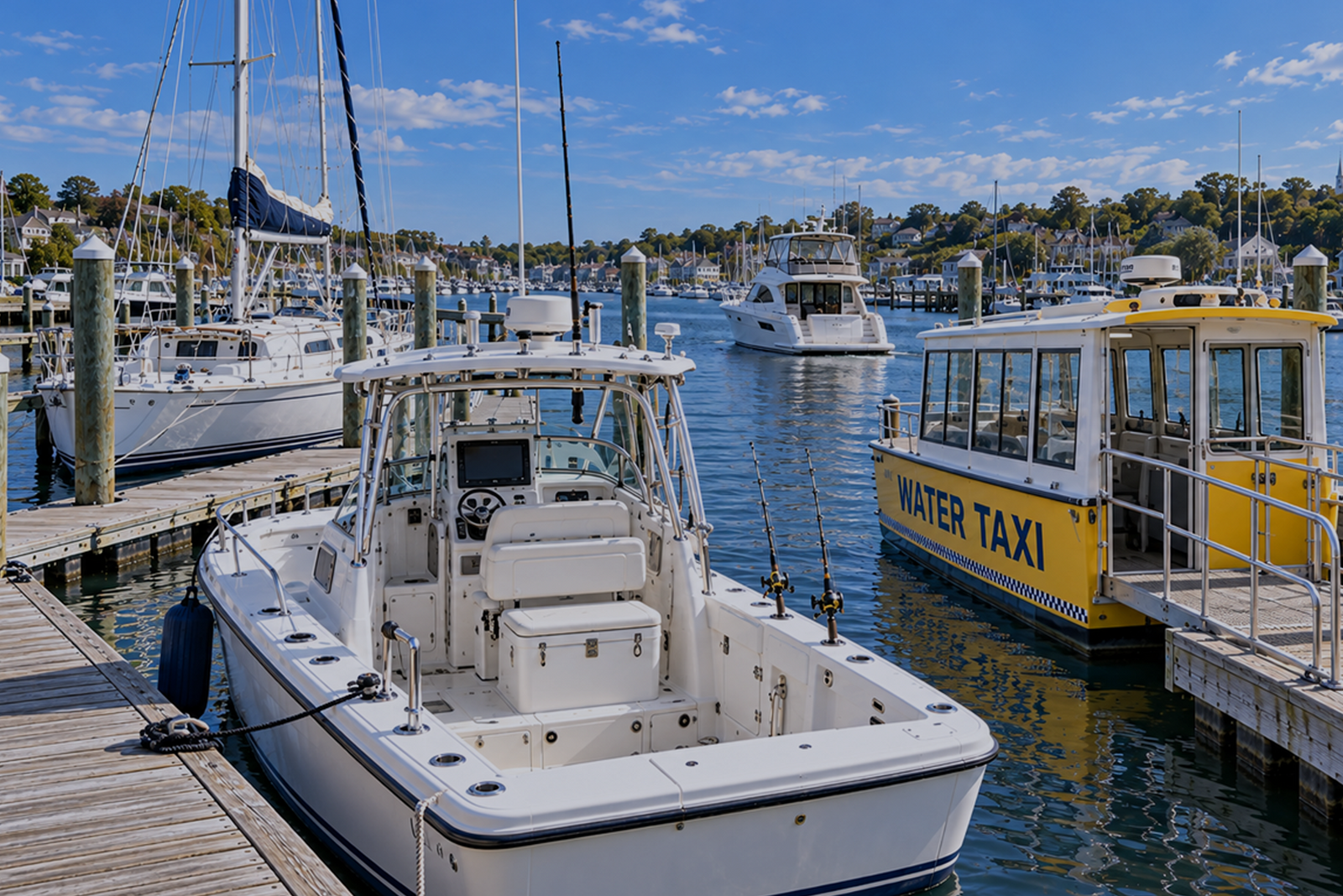

A captain’s license is a federal credential issued by the United States Coast Guard (USCG) that authorizes you to operate commercial vessels and carry paying passengers. It opens career paths in charter fishing, tour operations, yacht delivery, and water taxi services, and it gives recreational boaters verified safety credentials and potential insurance savings.
Most people who earn a captain’s license don’t use it full-time. About 80% of Mariners Learning System students never operate commercially. They earn the license for the education, the confidence, and the doors it opens if an opportunity comes up. It takes most people years to build up the boating experience required to earn their license, so for many, it’s also a way to show off that experience and take pride in officially putting “Captain” in front of their name.
The other 20% turn it into income, whether that’s a weekend fishing charter, a full-time ferry operation, or a seasonal eco-tour business. Either way, a captain’s license is one of the few credentials that pays for itself in both knowledge and earning potential.
Here’s what a captain’s license actually gets you.

A captain’s license qualifies you to operate commercial vessels and carry paying passengers under federal law. The exact scope depends on which license you hold: an OUPV/Six-Pack captain’s license (Operator of Uninspected Passenger Vessels, up to six paying passengers) or a 25/50/100-Ton Master captain’s license, which adds authority over inspected vessels and seven or more passengers.
Licensed captains work in charter fishing, harbor tours, water taxis, yacht delivery, dive boat operations, ferry services, and maritime instruction. Networking and word of mouth drive most hiring in this industry. Boat brokers and marinas are reliable entry points for delivery and instructor work.
Common career paths include fishing charter captain, eco-tour operator, sunset cruise captain, water taxi driver, yacht delivery captain, sailing instructor, ferry boat captain, and dive boat operator. Some licensed captains also work as marine surveyors, sea trial conductors for boat dealers, or maritime safety instructors. Many look at their area and note what’s currently offered to identify niches they can fill.
The license you choose determines the size of vessel you can operate, the number of paying passengers you can carry, and the types of commercial work available to you. Here’s how the two main license types compare.
|
Feature |
OUPV/Six-Pack |
Master (25/50/100-Ton) |
|
Vessel Type |
Uninspected vessels up to 100 gross tons |
Up to 100 gross tons |
|
Paying Passengers |
Up to six |
Up to the vessel’s Certificate of Inspection (COI) limit (normally 7+ paying passengers) |
|
Power and Sail |
Both power and sail (uninspected) |
Power only for inspected; power and sail for uninspected |
|
Sea Service Required |
360 days |
360 days inland / 720 days near coastal (360 on offshore waters) |
|
Typical Careers |
Fishing charters, small eco tours, dive trips, instruction |
Head boats, ferries, water taxis, large tour vessels, overnight charters |
|
MLS Course Price |
$695 |
$895 |
The license you hold determines what commercial work you can take. We recommend going for the highest license you qualify for. Even if you don’t plan to use it in its full scope initially, it opens doors as they may come your way, and you don’t need to deal with the Coast Guard twice.
If you qualify for the Master, going directly to that license saves you a second Coast Guard application and fee compared to earning the OUPV first and upgrading later. See our guide on choosing the right captain’s license type.
Yes. MLS offers an OUPV/Six-Pack Upgrade to Master course. You may need the additional sea service time to qualify. If you already meet the Master requirements, going directly to the Master license is the more efficient path.
Licensed captains earn income in many ways. Pay varies by region, vessel type, whether you’re full- or part-time, and whether you work for someone else or run your own operation.
A charter fishing captain can charge roughly $350–$780 or more for a four-hour trip, depending on location, vessel, and target species; a yacht delivery captain typically earns $400–$800 per day, plus travel and crew expenses; and ferry boat captains nationally earn about $36,000–$86,000 annually, with an average near $78,000, depending on the operation’s size and location. Water taxi work pays less per hour but offers steady, year-round income in many port cities.
Captains who start their own charter business can write off expenses like vessel maintenance, fuel, insurance, and license renewal fees. For boat owners who already carry monthly costs, commercial use turns a financial drain into a revenue source.
Yes. Federal law requires a captain’s license any time you carry paying passengers or receive any form of compensation (money, fuel, food) for operating a vessel. Operating without a license carries steep fines, and your insurance won’t cover you.
Not every benefit of a captain’s license shows up on a pay stub. Many mariners earn the credential for personal and practical reasons unrelated to commercial work.
A captain’s license gives you verified safety training, potential insurance discounts, and professional credibility on the water. In some states, insurance providers offer reduced premiums for licensed captains. The education behind the license covers navigation, rules of the road, weather, emergency procedures, and vessel handling, which makes you a safer, more confident operator.
The license also signals commitment. If you’re wondering whether you need a license to drive a boat recreationally, the answer varies by state, but a captain’s license goes well beyond the minimum and can open access to larger vessels and more responsibilities.
Some insurance providers offer discounts for licensed captains. Policies and discounts vary by provider and state, so contact your insurance company directly to ask about captain’s license discounts for your specific coverage.

Earning a captain’s license involves seven steps: pass a written exam, document qualifying boating service, pass a drug test, complete a physical exam on Coast Guard form CG-719K, complete CPR and First Aid training, pass a background check that includes obtaining a TWIC card (Transportation Worker Identification Credential), and pay an application fee to the National Maritime Center.
You need a minimum of 360 days of documented sea service to qualify for either the OUPV or Master Inland license (per the NMC application checklist). You must be a U.S. citizen for officer-level endorsements under 46 CFR 10.221, with a narrow exception for lawful permanent residents seeking an OUPV on undocumented vessels.
For a complete walkthrough of each step, timing, and common mistakes, see the captain’s license requirements checklist.
Most students complete the MLS course within a few weeks and receive their license from the National Maritime Center (NMC) after submitting their application packet. The timeline depends on how quickly you complete the coursework, gather your documents, and submit your application.
See the captain’s license timeline for a realistic breakdown.
Yes. A captain’s license is valid for both commercial and personal use. You don’t need one for recreational boating, but the training and credentials carry over to every time you’re on the water.
The MMC is a U.S. federal credential. If you plan to operate in another country’s waters, check that country’s laws and regulations for additional requirements. Some nations accept the USCG credential; others require local licensing.
A boating license (or boater education card) is a state-level requirement for recreational boating. A captain’s license is a federal credential from the USCG that authorizes commercial operation. The two are separate. See what size boat requires a captain’s license for more on when you need each.
The MLS OUPV/Six-Pack course and exam costs $695. The Master course costs $895. There’s no separate exam fee. Additional costs include your physical exam, drug test, TWIC card ($125.25), and application fees.
See the OUPV/Six-Pack captain’s license requirements for more details.
A captain’s license doesn’t lock you into one career. It puts the decision in your hands. Run charters on weekends, deliver yachts seasonally, teach boating full-time, or keep the credential in your pocket for the day the right opportunity appears.
If you have questions about which license fits your goals, the team at Mariners Learning System is here to help. We’ve guided more than 200,000 students through this process, and we’re not going to let paperwork be the reason you don’t get your license.
To learn more about safe marine operation of all kinds, find a course that’s right for you with Mariners Learning System. From recreational boating to commercial charters, we detail everything you need to know to keep you, your boat, and your passengers safe on the water. Learn how to become a USCG-licensed captain.
Regulations change. This article reflects USCG guidance as of the date above. For the most current requirements, contact the National Maritime Center or a Mariners Learning System licensing specialist. Reviewed for accuracy against current USCG guidance by the Mariners Learning System team.
Ask a question, share an experience, or add a helpful tip related to this article. Comments may appear after review to prevent spam.
Unlock 24/7 access to Navi, an AI instructor trained on MLS course material, so you can ask questions, run practice quizzes, and nail your captain’s exam.


Learn what questions to ask and how to prepare for a captain’s license drug test to ensure you avoid the most common application delays.
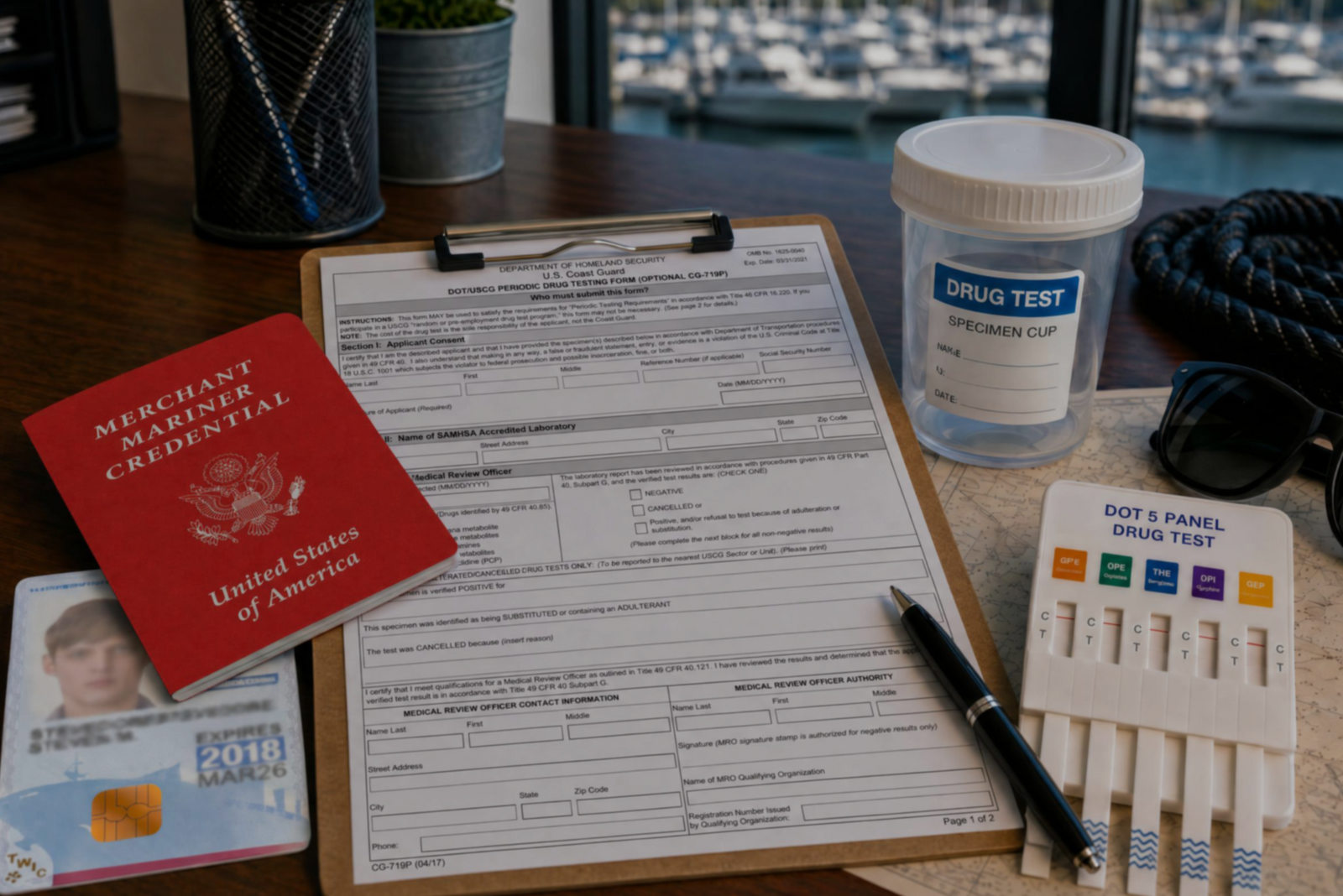

Discover the three types of drug tests working captains must submit to even after they’ve met the initial USCG drug testing requirements for their license.
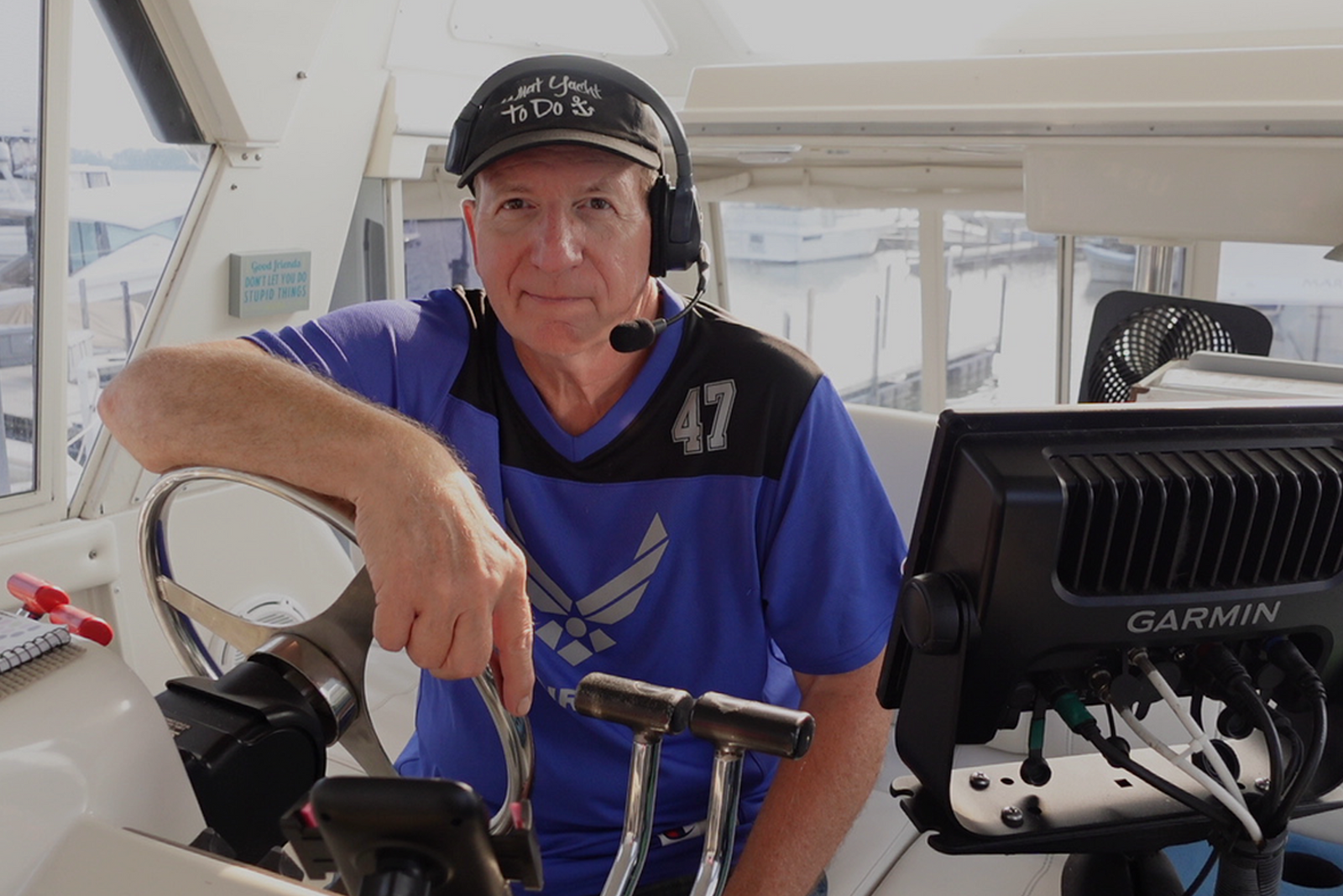

Discover how a retired airline pilot became obsessed with the Great Loop and built a thriving captain training business through Mariners Learning System.


Learn which substances the MMC drug test looks for, plus how masking agents and false positives factor in.


Discover the five most common mistakes mariners make on the captain’s license physical, plus a checklist for how to avoid them.
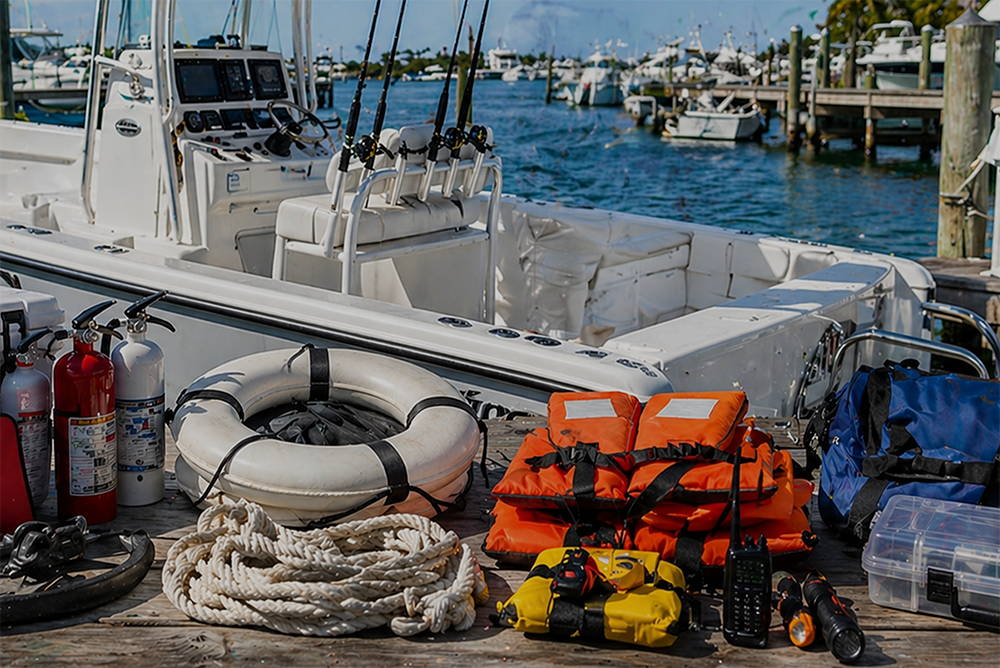

Discover why so many charter captains run out of money and how to plan every startup cost from your vessel purchase to guest-ready outfitting.

Learn how to build a charter business plan that covers pricing, expenses, and marketing so your captain’s license leads to lasting profit.

Transform how you talk about price with proven anchoring strategies and value-first framing that stops charter guests from shopping around.

Discover how charter captains use hybrid pricing models and seasonal adjustments to increase revenue and simplify bookings for every guest type.