

Meet Navi: Your 24/7 AI Instructor Inside the MLS Classroom
Unlock 24/7 access to Navi, an AI instructor trained on MLS course material, so you can ask questions, run practice quizzes, and nail your captain’s exam.
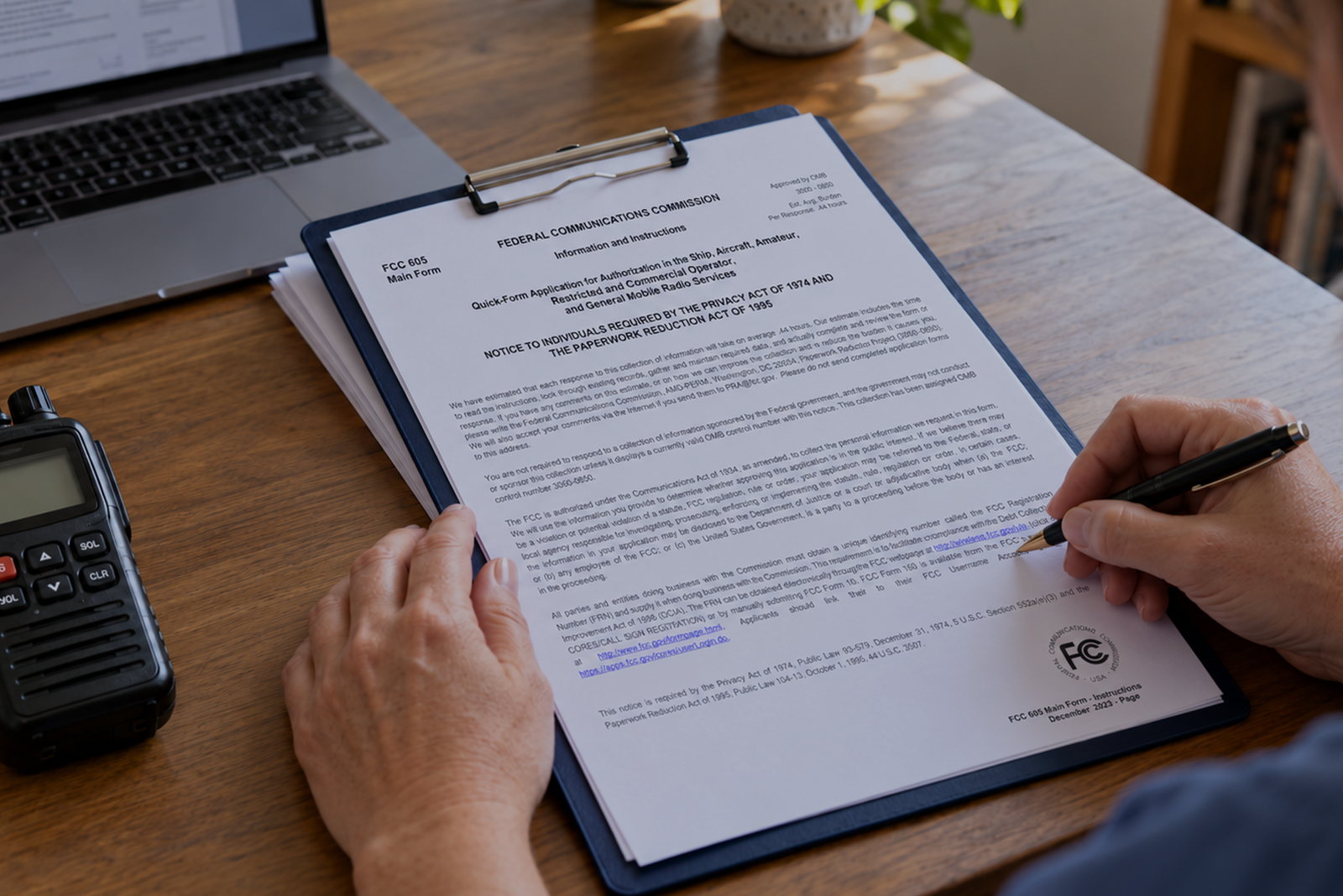

The FCC 605 Main Form is the application form required for all Federal Communications Commission (FCC) commercial radio operator credentials, including the Marine Radio Operator Permit (MROP). Pages 1 through 9 are instructions. Pages 10 through 12 are the sections you complete and submit. Mariners Learning System files your application with the FCC on your behalf once you pass your exam and send in your forms.
Download the form here: FCC 605 Main Form (fillable PDF)
The FCC 605 Main Form is one of two forms you’ll submit as part of your FCC license application packet (the other is the FCC 605 Schedule E). The form itself is straightforward, but it covers a range of FCC licenses, so not every section applies to your situation.
This guide walks through the sections that matter for MLS students, including the fields that trip people up most often.
The FCC 605 Main Form is a multi-purpose application used for all FCC commercial radio credentials, covering initial applications, upgrades, and license modifications. The form is published by the Federal Communications Commission under OMB control number 3060-0850.
The FCC 605 Main Form is required for every application filed for an FCC commercial radio operator license, including the Marine Radio Operator Permit that many captains pursue alongside their USCG credential. It’s the same form whether you’re applying for the first time, upgrading to a higher license class, or adding an endorsement like Ship Radar.
Download the form before your appointment (FCC 605 Main Form). Save it to your desktop before filling it out. If it opens in your browser, download the file first, then open the saved copy. This prevents data-entry errors when the form tries to render inside a browser tab.
For an overview of the full application process, see the FCC license application overview.
No. The FCC 605 is for FCC radio licenses only. If you’re pursuing a USCG captain’s license without an FCC radio credential, you don’t need this form. Many captains do pursue the Marine Radio Operator Permit (MROP) alongside their captain’s license because it’s required for certain commercial radio operations.
The fillable PDF highlights the sections MLS needs you to complete. Leave other sections blank if they don’t apply. Here are the fields that generate the most questions.
|
Section |
What to Enter |
|
#2: Application Purpose |
Select NE (New) for original applications, even upgrades. Select MD (Modification) only for adding an endorsement like Ship Radar. |
|
#8: Attachments |
Select No unless you’re documenting a court conviction. |
|
#9: FRN |
Enter your FCC Registration Number. Register for one at FCC CORES if you don’t have one. |
|
#28: Basic Qualifications |
If you answer Yes (felony conviction), also mark Yes on #8 and include required documentation. |
|
#30: Signature |
E-sign with a verified method (Adobe Sign) or print, hand-sign, and scan to PDF. A typed name won’t be accepted. |
Complete only the highlighted sections on pages 10 through 12 and leave non-applicable fields blank. MLS reviews your form and contacts you if anything is missing before filing with the FCC.
For guidance on the companion form, see how to fill out the FCC 605 Schedule E.
Pages 10 through 12 only. The first nine pages are instructions. Don’t include them in your application packet.
An FRN (FCC Registration Number) is a unique identifier the FCC assigns to every applicant. You’ll need one before completing Section #9 on the 605 Main Form.
Every FCC applicant needs an FRN, and registration is free through the FCC’s CORES system. If you don’t already have one, visit FCC CORES to register. The FCC also published a video walkthrough showing the registration process step by step.
Your FRN stays with you for all future FCC interactions, including renewals and modifications. Keep it in a safe place alongside your other licensing documents.
See the FCC application submission guide for details on assembling your complete application packet.
Use your existing FRN. Each person has one FRN. Don’t register for a new one if you already have one on file.

If you answer “Yes” to #28 (Basic Qualifications) on the 605 Main Form, you’ll need to take two additional steps.
First, mark “Yes” on #8 (Attachments) on the same form. Second, prepare a written supplement that includes a list of all felony charges you were convicted of, an explanation of the incidents behind those charges, the dates of each incident, the sentences imposed, and whether those sentences have been served.
A “Yes” on #28 requires additional documentation, but it doesn’t automatically disqualify you from receiving an FCC license. The FCC reviews each case individually. This disclosure requirement applies to felonies committed as a minor, convictions that have been expunged, and convictions for which a pardon has been granted.
For full guidance, see the FCC court conviction documentation guide.
Section #30 requires your signature. The FCC accepts electronic signatures through verified methods like Adobe Sign. You can also print the form, sign by hand, and scan the signed pages back into a PDF.
A printed (typed) name won’t be accepted as a signature on the FCC 605 Main Form. Use an e-signature tool or a handwritten signature. If you’re scanning, make sure the signature is legible and the scan is clear.
Once the form is complete and signed, email it to Mariners Learning System along with your MLS Certificate(s) of Completion and the FCC 605 Schedule E. We’ll review your packet and submit it to the FCC on your behalf at no additional charge. Check the MLS course and program overview for the full list of credentials we support.
Processing times vary. Once MLS submits your application, the FCC reviews it and issues your license electronically. There may be an issuance fee the FCC charges once your application is approved.
You can, but MLS handles the electronic submission for you at no extra cost. This reduces errors and speeds up the process. Just email your completed forms and certificates to the MLS FCC team.
No. There are no additional fees from MLS for submitting your FCC application packet. FCC-imposed issuance fees, if any, are separate and paid directly to the FCC.
The FCC 605 Main Form is quick to complete when you know which sections to fill out. Getting it wrong can delay your license by weeks. Download the form, fill out the highlighted sections, sign it properly, and send it to MLS with your certificates and Schedule E.
If you have questions about any section of the form or the FCC application process, reach out. We review every packet before it goes to the FCC, and we’ll contact you if anything needs fixing.

FCC requirements and forms can change. This article reflects FCC guidance as of the date above. For the most current information, visit fcc.gov or contact a Mariners Learning System licensing specialist. Reviewed for accuracy by the Mariners Learning System team.
Ask a question, share an experience, or add a helpful tip related to this article. Comments may appear after review to prevent spam.
Unlock 24/7 access to Navi, an AI instructor trained on MLS course material, so you can ask questions, run practice quizzes, and nail your captain’s exam.


Learn what questions to ask and how to prepare for a captain’s license drug test to ensure you avoid the most common application delays.
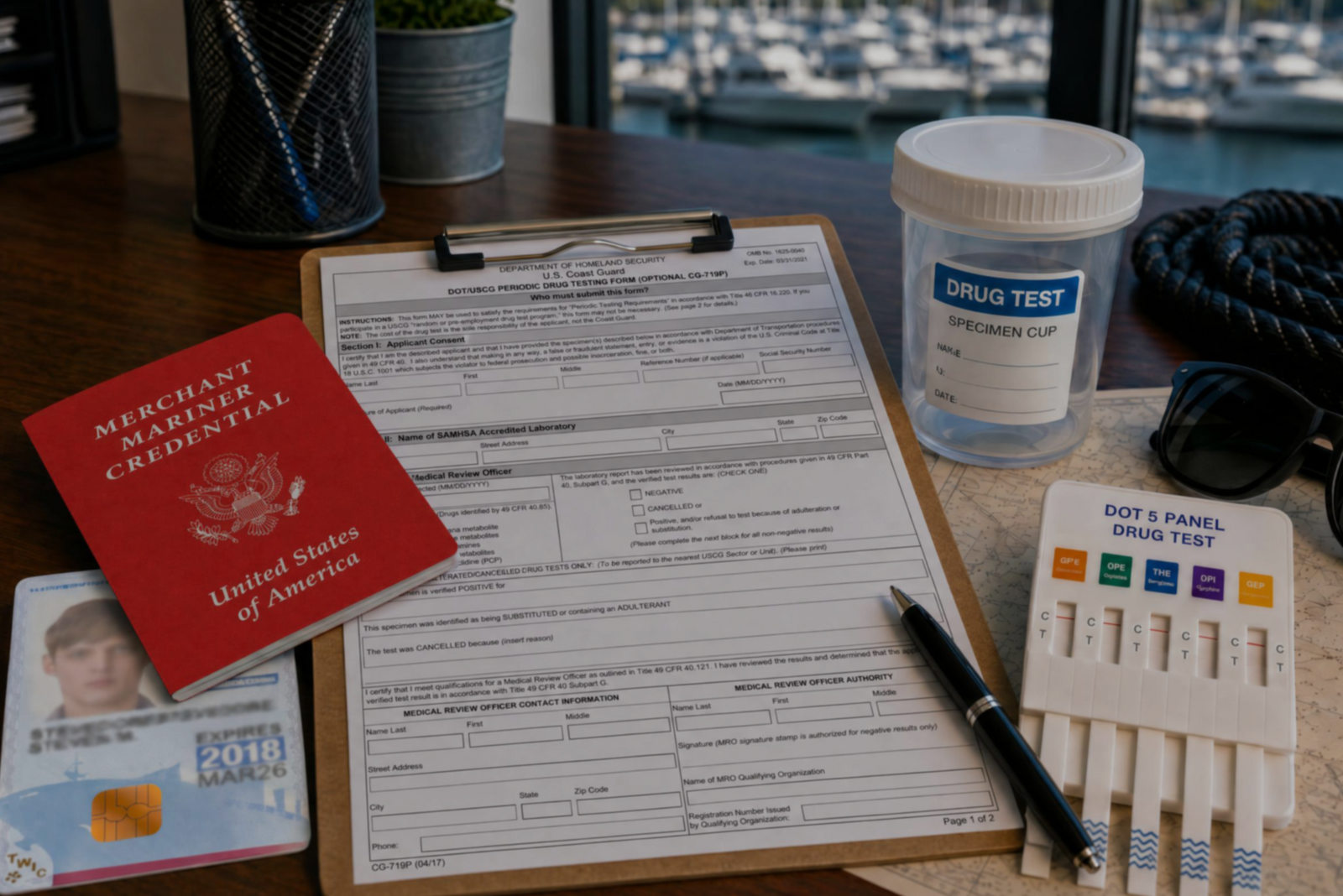

Discover the three types of drug tests working captains must submit to even after they’ve met the initial USCG drug testing requirements for their license.
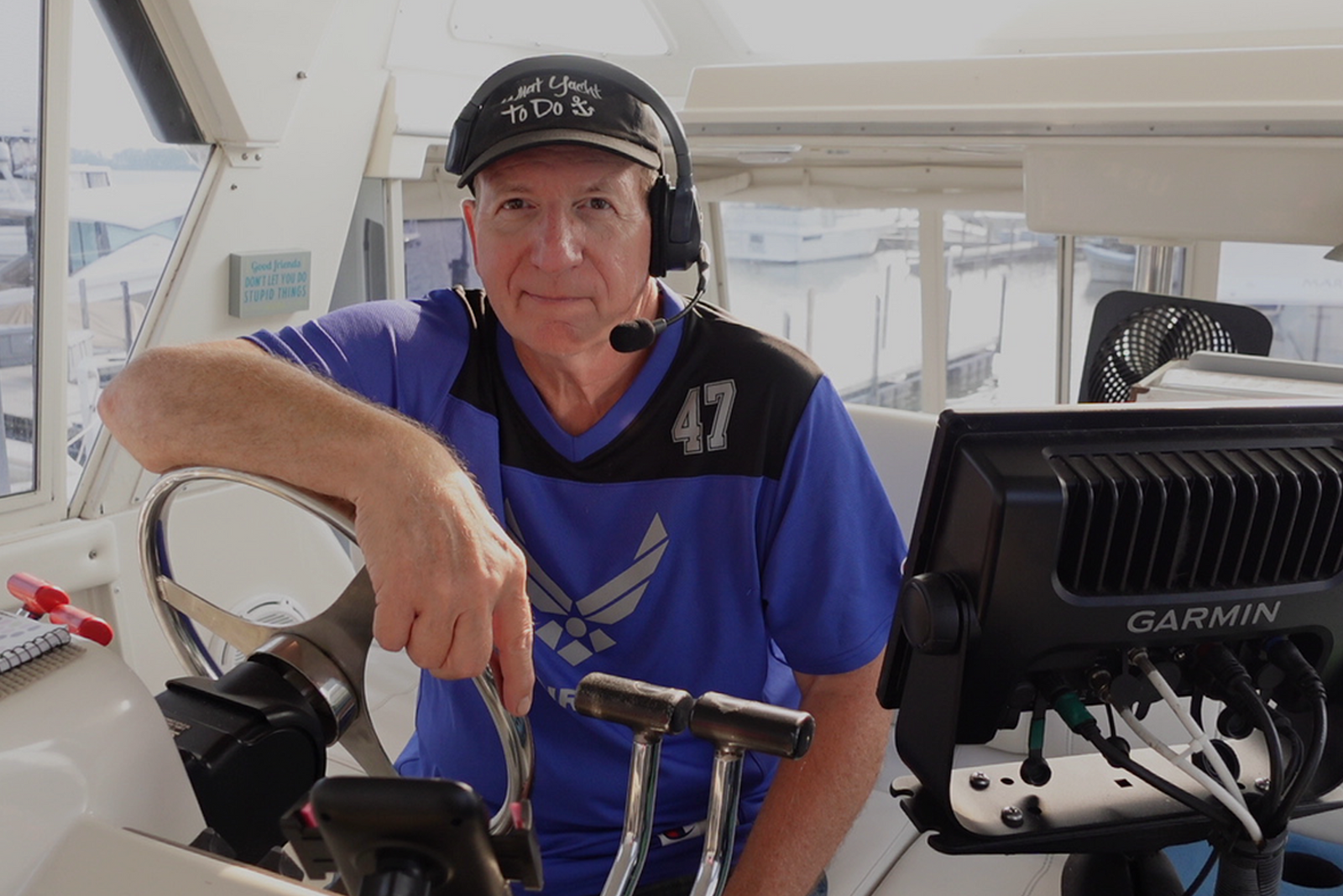

Discover how a retired airline pilot became obsessed with the Great Loop and built a thriving captain training business through Mariners Learning System.


Learn which substances the MMC drug test looks for, plus how masking agents and false positives factor in.


Discover the five most common mistakes mariners make on the captain’s license physical, plus a checklist for how to avoid them.

Discover why so many charter captains run out of money and how to plan every startup cost from your vessel purchase to guest-ready outfitting.

Learn how to build a charter business plan that covers pricing, expenses, and marketing so your captain’s license leads to lasting profit.

Transform how you talk about price with proven anchoring strategies and value-first framing that stops charter guests from shopping around.

Discover how charter captains use hybrid pricing models and seasonal adjustments to increase revenue and simplify bookings for every guest type.