

Meet Navi: Your 24/7 AI Instructor Inside the MLS Classroom
Unlock 24/7 access to Navi, an AI instructor trained on MLS course material, so you can ask questions, run practice quizzes, and nail your captain’s exam.
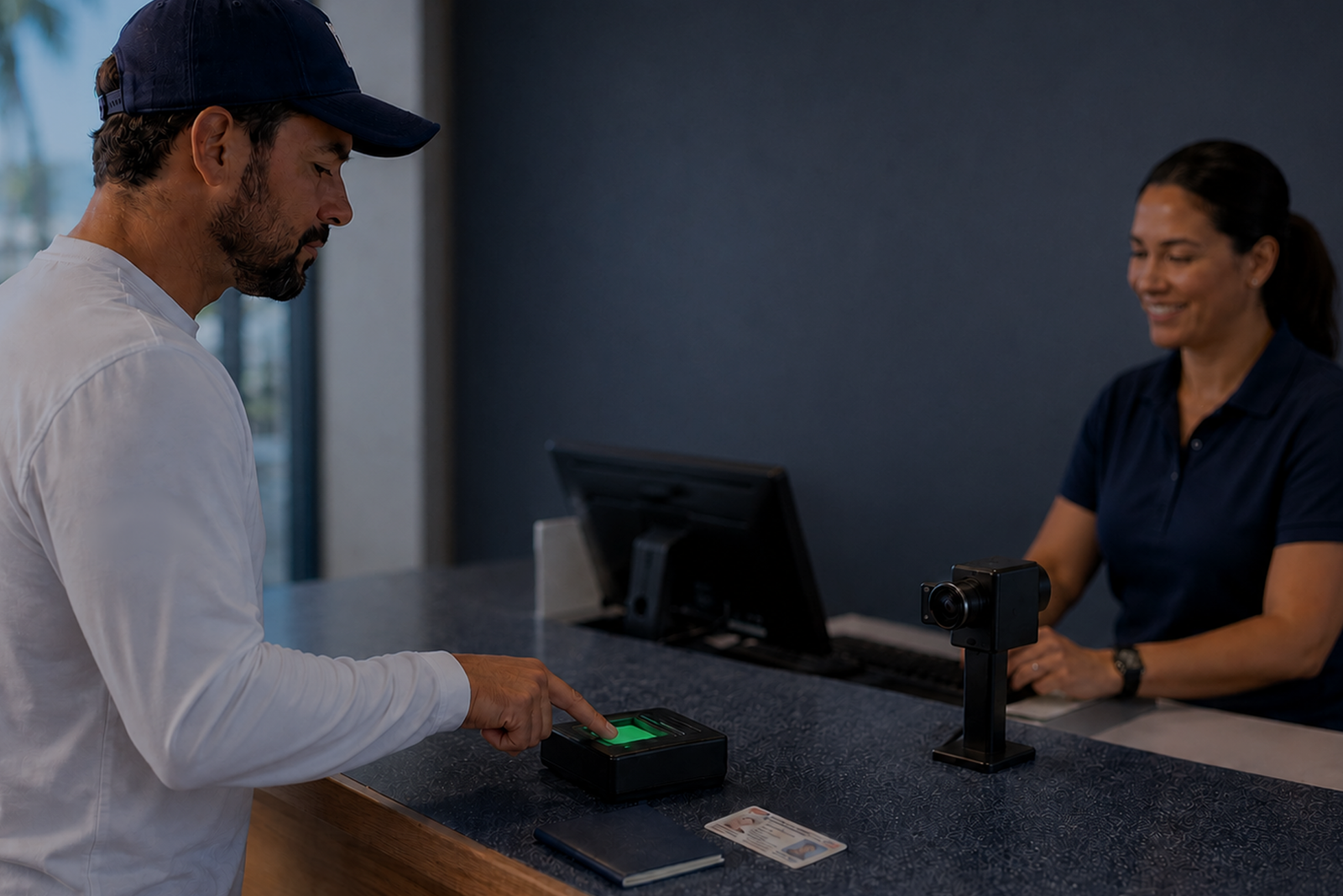

Yes. A Transportation Worker Identification Credential (TWIC) card is required for every original captain’s license application. Under 46 CFR 10.203, the Coast Guard (USCG) won’t issue a Merchant Mariner Credential (MMC) until it confirms you hold a valid TWIC. The card costs $125.25 per TSA, takes roughly 60 days to process, and is valid for five years.
Most aspiring captains don’t think much about the TWIC card until it’s time to submit their application. That’s a mistake. The Transportation Security Administration (TSA) runs a full background check before issuing the card, and the process takes longer than people expect.
If you wait until the last minute, the TWIC can become the bottleneck that delays your entire license.
We see this at Mariners Learning System every application cycle. Start the TWIC process early, and the rest of your application timeline stays on track.

The TWIC card is a tamper-resistant biometric credential issued by the TSA under the Maritime Transportation Security Act (MTSA). It confirms that the holder has passed a federal security threat assessment and is cleared for unescorted access to secure areas of ports, vessels, and maritime facilities across the United States.
The National Maritime Center (NMC), which is the office that reviews all captain’s license applications, uses the TSA as its primary source for background investigations. Your TWIC enrollment triggers that investigation. Without it, the NMC can’t process your file.
More than one million workers hold a TWIC card, including USCG-licensed captains, longshoremen, port employees, and other credentialed merchant mariners.
Every captain’s license issued by the USCG requires a TWIC card as part of the original application per 46 CFR 10.203. This includes both the OUPV/Six-Pack (Operator of Uninspected Passenger Vessels, for up to six paying passengers) and the 25/50/100-Ton Master (for seven or more paying passengers on inspected vessels).
|
License Type |
TWIC Required for Original Application? |
TWIC Required for Renewal? |
|
OUPV/Six-Pack Captain’s License |
Yes |
May be waived |
|
25/50/100-Ton Master Captain’s License |
Yes |
May be waived |
|
Towing Endorsement |
Yes |
May be waived |
|
Sailing Endorsement |
Yes |
May be waived |
|
Deck License Renewal |
Yes (if original TWIC expired and access is needed) |
Case by case |
If you’re just beginning the process, the TWIC is one of the first items on the captain’s license application requirements list.

To obtain a TWIC card, you’ll complete an enrollment process through the TSA that includes identity verification, fingerprinting, and a federal background check. Here’s how it works:
TSA recommends enrolling at least 60 days before you need a valid TWIC, and that timeline can stretch if there are documentation issues. The captain’s license checklist includes the TWIC alongside your other application requirements.
A new TWIC card costs $125.25 for in-person enrollment, and the credential is valid for five years. Online renewals cost $117.25. If you hold a valid Hazardous Materials Endorsement (HME) or a Free and Secure Trade (FAST) card, the fee drops to about $93 because TSA has already completed a comparable background check.
Payment is due at enrollment. TSA enrollment centers accept Visa, MasterCard, American Express, and Discover credit cards, as well as money orders and certified checks made out to IDEMIA. Cash and personal checks aren’t accepted.
|
Fee Type |
Cost |
|
New Enrollment (In-Person) |
$125.25 |
|
Renewal (Online) |
$117.25 |
|
Renewal (In-Person) |
$125.25 |
|
Reduced Rate (HME or FAST Holders) |
~$93 |
|
Replacement (Lost, Stolen, or Damaged) |
$60 |
The TWIC fee is separate from the Coast Guard’s $100 evaluation fee and $45 issuance fee for the MMC itself. For a walkthrough of those charges, see our guide to paying the MMC application fee.
The TSA runs a security threat assessment that checks criminal history, immigration status, and terrorism databases. Certain offenses can disqualify you permanently, while others may disqualify you for a set period.
Permanent disqualifiers include espionage, treason, sedition, and certain terrorism-related convictions. Interim disqualifiers, which cover a rolling seven-year window, include crimes like assault with intent to kill, kidnapping, unlawful possession of explosives, and certain drug offenses. A full list is published in 49 CFR 1572.103 and 1572.105.
If you have any criminal history, pull your own record before applying. A denial after you’ve paid the fee is nonrefundable.
If you’re concerned about a specific conviction, the team at Mariners can point you in the right direction before you enroll. The process for captain’s license applicants with convictions runs parallel to the TWIC vetting.
The requirement for a TWIC card may be waived when you apply for a captain’s license renewal. If you have a valid TWIC, include it with your renewal application. If your TWIC has expired since you originally got your license and you don’t work in a position that requires access to secure maritime facilities, you may not need to renew it.
The key distinction is between captains who are actively working in commercial positions that require facility access and those who hold the license for recreational or occasional use. If you’re unsure, contact the NMC at (888) 427-5662 before submitting your renewal application.
Yes. The TWIC card is a TSA-issued biometric credential and is your primary identification document under 46 CFR 10.203. While your MMC verifies your qualifications, the TWIC verifies your identity.
You carry both when working. If you’re wondering whether you need a license for your boat, the TWIC is specific to the federal credentialing process and isn’t required for recreational boating.
TSA’s stated processing goal is 60 days from enrollment. Some applicants clear in a few weeks; others take the full window depending on the complexity of the background check. Once approved, the card arrives within about 10 days.
Start early. A delayed TWIC is the most common reason application packets stall at the NMC.
Getting your TWIC card is one of the simplest parts of the captain’s license process, but only if you give it enough lead time. The background check runs on the government’s clock, not yours.
If you have questions about the TWIC card or any other part of the application process, the team at Mariners Learning System is here to help. We’ve guided more than 200,000 students through this process, and we’re not going to let paperwork be the reason you don’t get your captain’s license.
Ask a question, share an experience, or add a helpful tip related to this article. Comments may appear after review to prevent spam.
Unlock 24/7 access to Navi, an AI instructor trained on MLS course material, so you can ask questions, run practice quizzes, and nail your captain’s exam.


Learn what questions to ask and how to prepare for a captain’s license drug test to ensure you avoid the most common application delays.
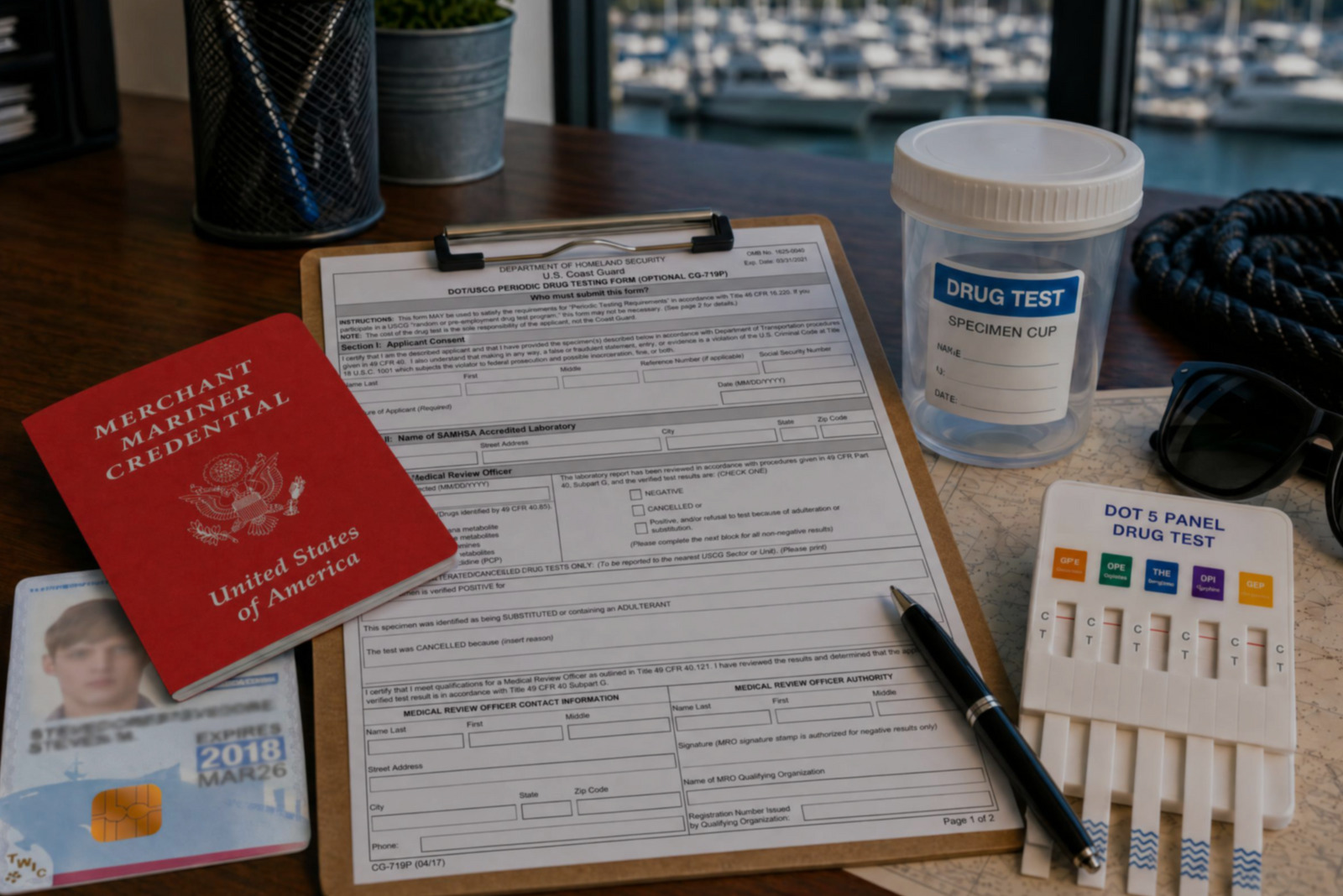

Discover the three types of drug tests working captains must submit to even after they’ve met the initial USCG drug testing requirements for their license.
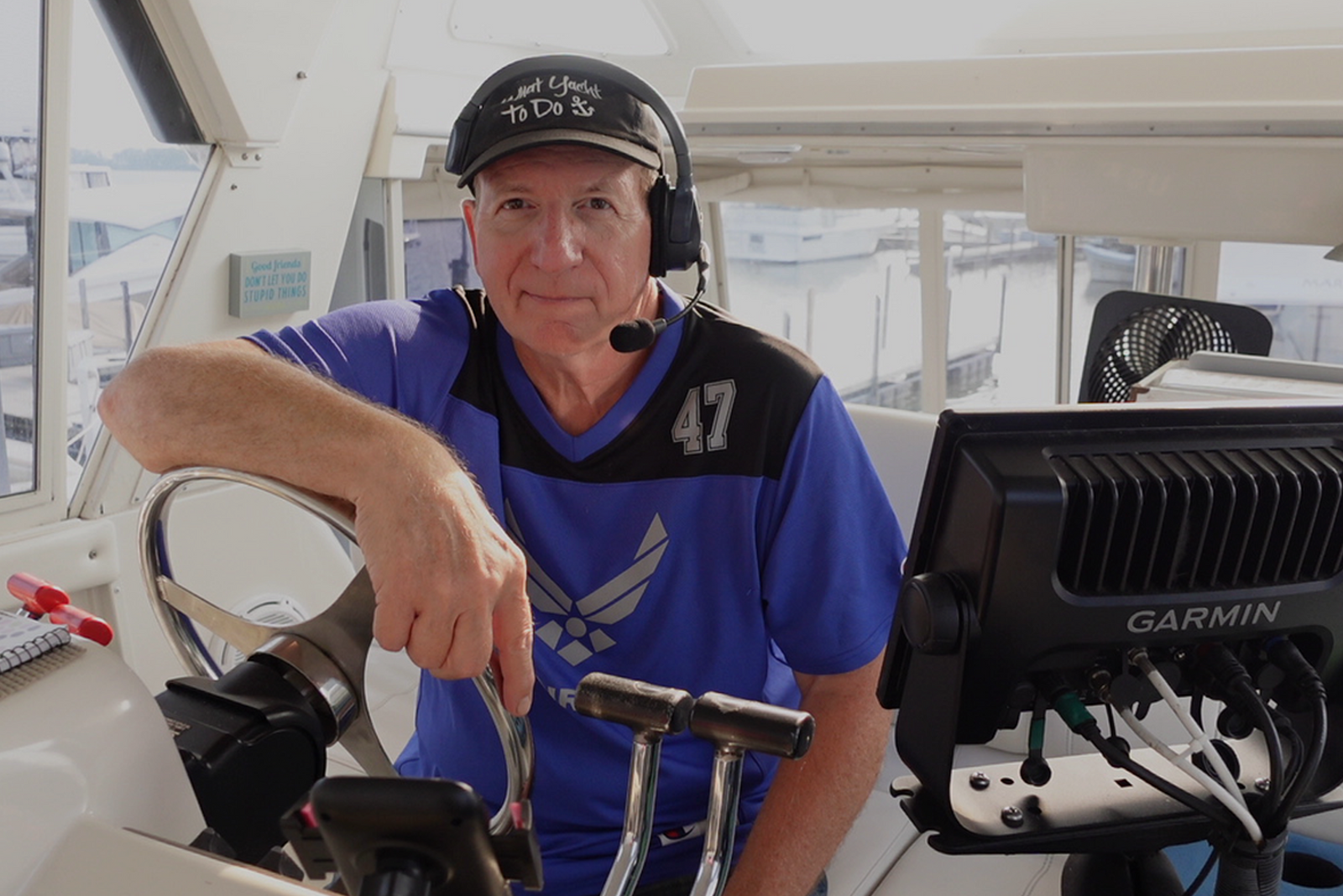

Discover how a retired airline pilot became obsessed with the Great Loop and built a thriving captain training business through Mariners Learning System.


Learn which substances the MMC drug test looks for, plus how masking agents and false positives factor in.


Discover the five most common mistakes mariners make on the captain’s license physical, plus a checklist for how to avoid them.
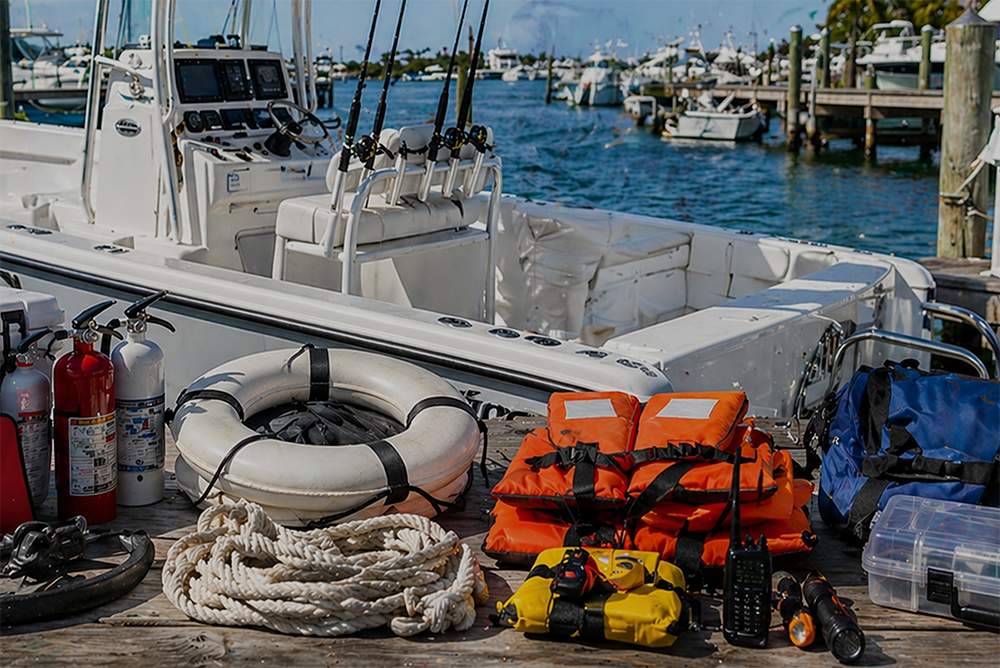

Discover why so many charter captains run out of money and how to plan every startup cost from your vessel purchase to guest-ready outfitting.
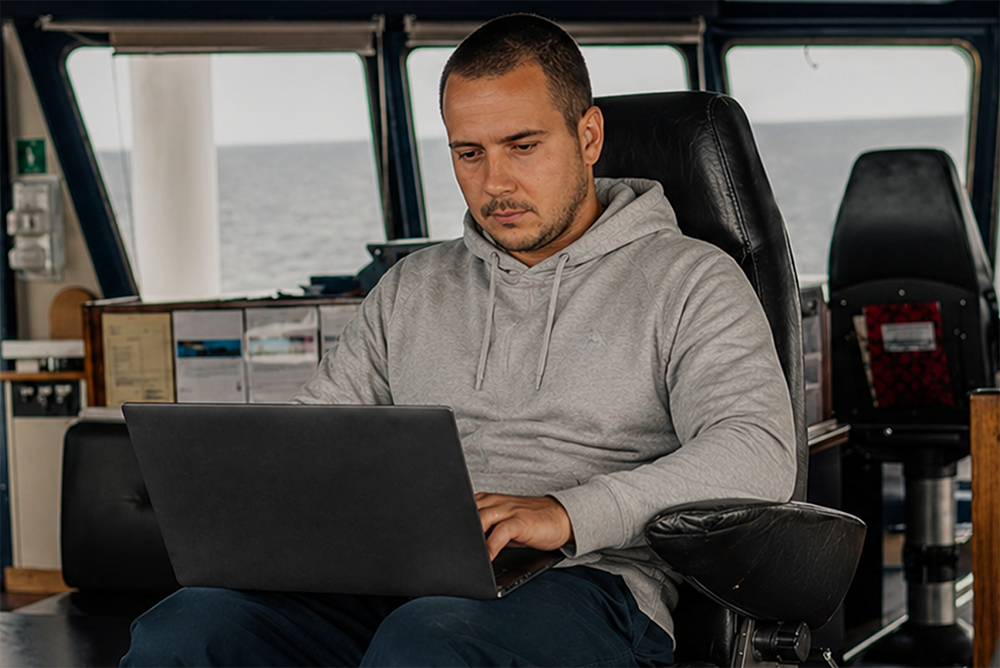

Learn how to build a charter business plan that covers pricing, expenses, and marketing so your captain’s license leads to lasting profit.


Transform how you talk about price with proven anchoring strategies and value-first framing that stops charter guests from shopping around.


Discover how charter captains use hybrid pricing models and seasonal adjustments to increase revenue and simplify bookings for every guest type.