

Meet Navi: Your 24/7 AI Instructor Inside the MLS Classroom
Unlock 24/7 access to Navi, an AI instructor trained on MLS course material, so you can ask questions, run practice quizzes, and nail your captain’s exam.
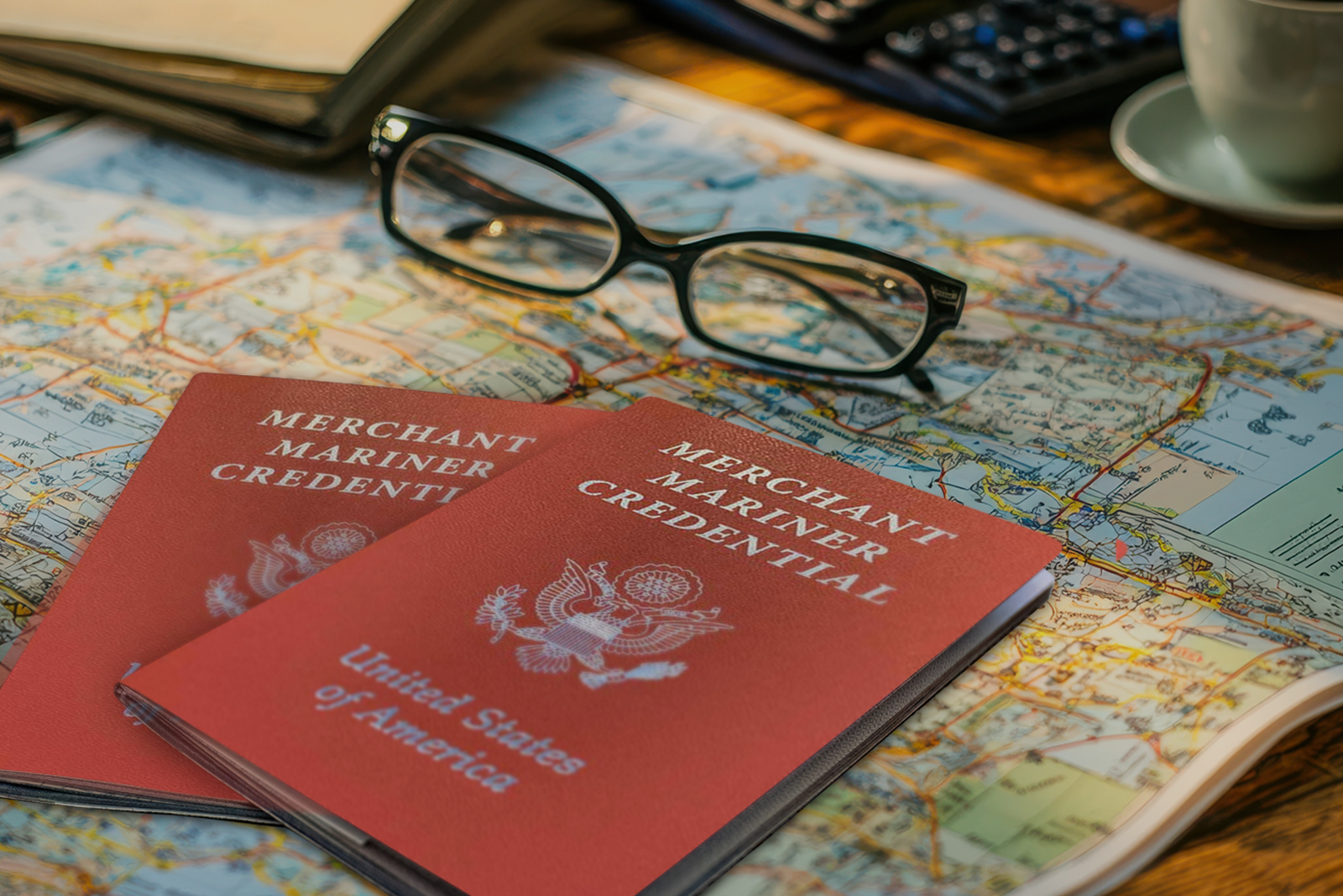

I recently got a question from an aspiring captain who’s planning to retire from up north and move down to Florida. He wanted to know if his captain’s license would still be valid after the move, or if he’d need to go through some kind of transfer process or reapply in his new state.
The short answer: Yes, your captain’s license is absolutely still good if you move to a new state.
But let me explain the details, because while your captain’s license travels with you, there are a few things you should know when relocating.
The key factor to understand for this topic is that captain’s licenses aren’t issued by cities or states. They’re federal credentials issued by the U.S. Coast Guard.
This means your captain’s license has nationwide validity from the moment it’s issued. You could earn it in New Jersey, move to California, relocate to Texas, and later retire to Florida, and your license would remain valid throughout every move.
The OUPV/Six-Pack license is a domestic license that’s good for all the United States and its possessions. Whether you’re running private luxury charters in New York, guiding fishing trips in the Gulf, or operating a water taxi in Puget Sound, your license covers you.
The same principle applies to the Master’s license. It’s valid nationwide, allowing you to operate commercially anywhere in U.S. waters, regardless of where you originally earned the credential.

While your captain’s license itself is good everywhere in the country, that doesn’t mean you won’t run into other requirements when you move to a new state or municipality.
Different locations may have their own regulations for commercial or even recreational boating. These can include:
Requirements will vary significantly by location, so it’s important to research what’s needed in your new area to avoid any operational hiccups or fines. That way, you’ll know what to expect, what additional credentials or permits to pursue, and how to stay in compliance with local laws.
Another point to consider when changing your scenery is just that: the scenery. If you have an Inland license and move to a coastal locale, you may become interested in running charters outside the Boundary Line. Just remember, an Inland license does not authorize you to operate commercially outside that line.
If you decide you want to pursue commercial operations in this environment, you’ll need to get the necessary sea time to apply for a Near Coastal license.
One benefit of a U.S. Master license over an OUPV/Six-Pack license is that it isn’t just recognized throughout the United States. It’s an internationally recognized credential as well.
Consequently, your Master captain’s license can serve as the foundation for operating professionally in other countries. If you’re considering working abroad, delivering boats internationally, or running charters in foreign waters, your U.S. Master’s can open those doors.
That said, some countries do have additional requirements beyond the license. For example, they may require STCW (Standards of Training, Certification and Watchkeeping for Seafarers) certification, which is additional safety training recognized internationally.
Different countries have different regulations, so if you’re planning to work outside U.S. waters, research what’s required in your destination. But the good news is that plenty of countries will accept a U.S. Master captain’s license as the primary credential, with any additional requirements being relatively straightforward to meet.
Whether you’re moving across town or across the country, your captain’s license remains valid. It’s a federal credential that gives you the authority to operate commercially anywhere in U.S. waters.
Just remember that while the license itself moves seamlessly, you’ll still need to make sure your insurance, your business, and any other necessary credentials all comply with the laws in your new location.
So research well, pack up, and enjoy the waters wherever you may roam!

Ask a question, share an experience, or add a helpful tip related to this article. Comments may appear after review to prevent spam.
Unlock 24/7 access to Navi, an AI instructor trained on MLS course material, so you can ask questions, run practice quizzes, and nail your captain’s exam.


Learn what questions to ask and how to prepare for a captain’s license drug test to ensure you avoid the most common application delays.
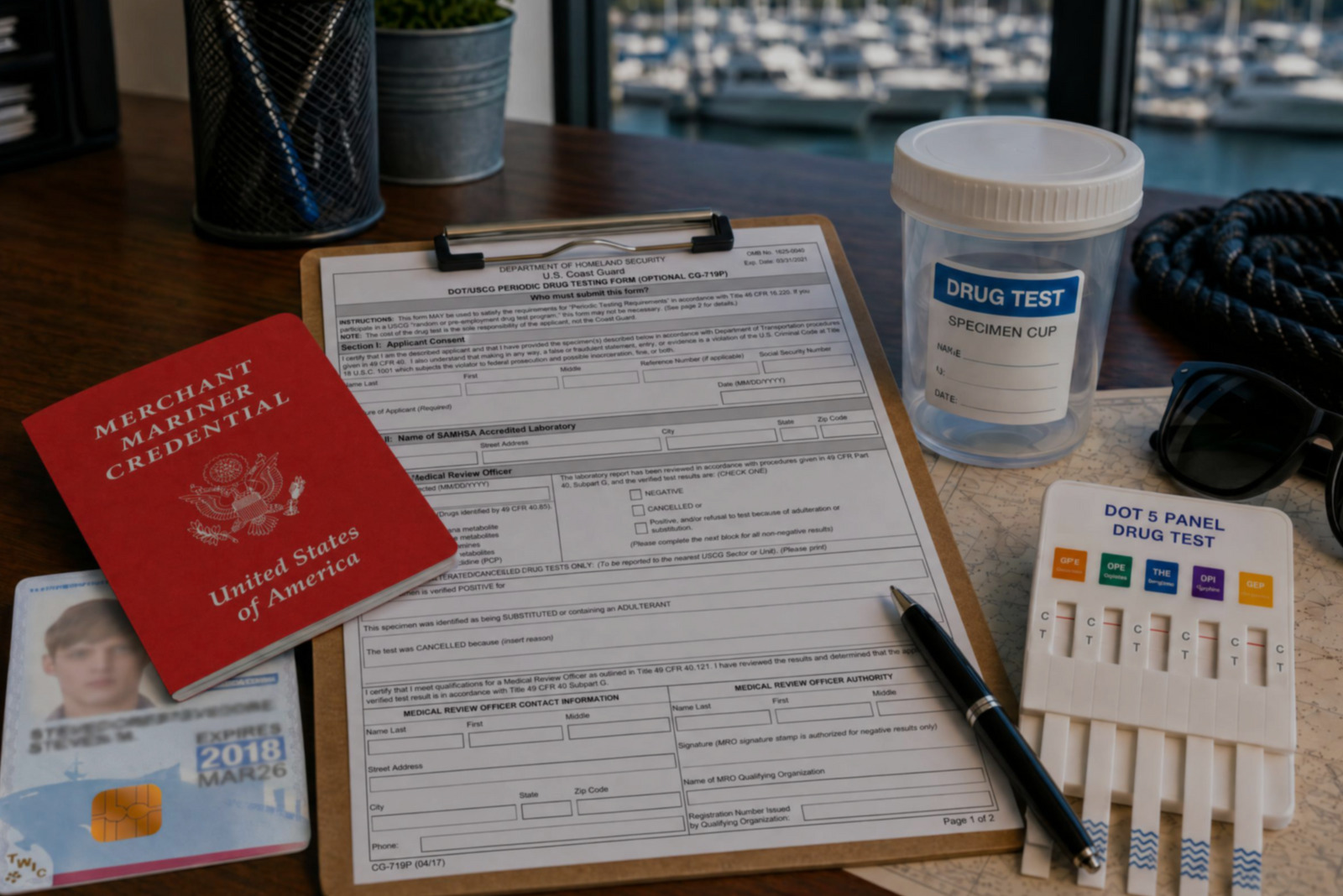

Discover the three types of drug tests working captains must submit to even after they’ve met the initial USCG drug testing requirements for their license.
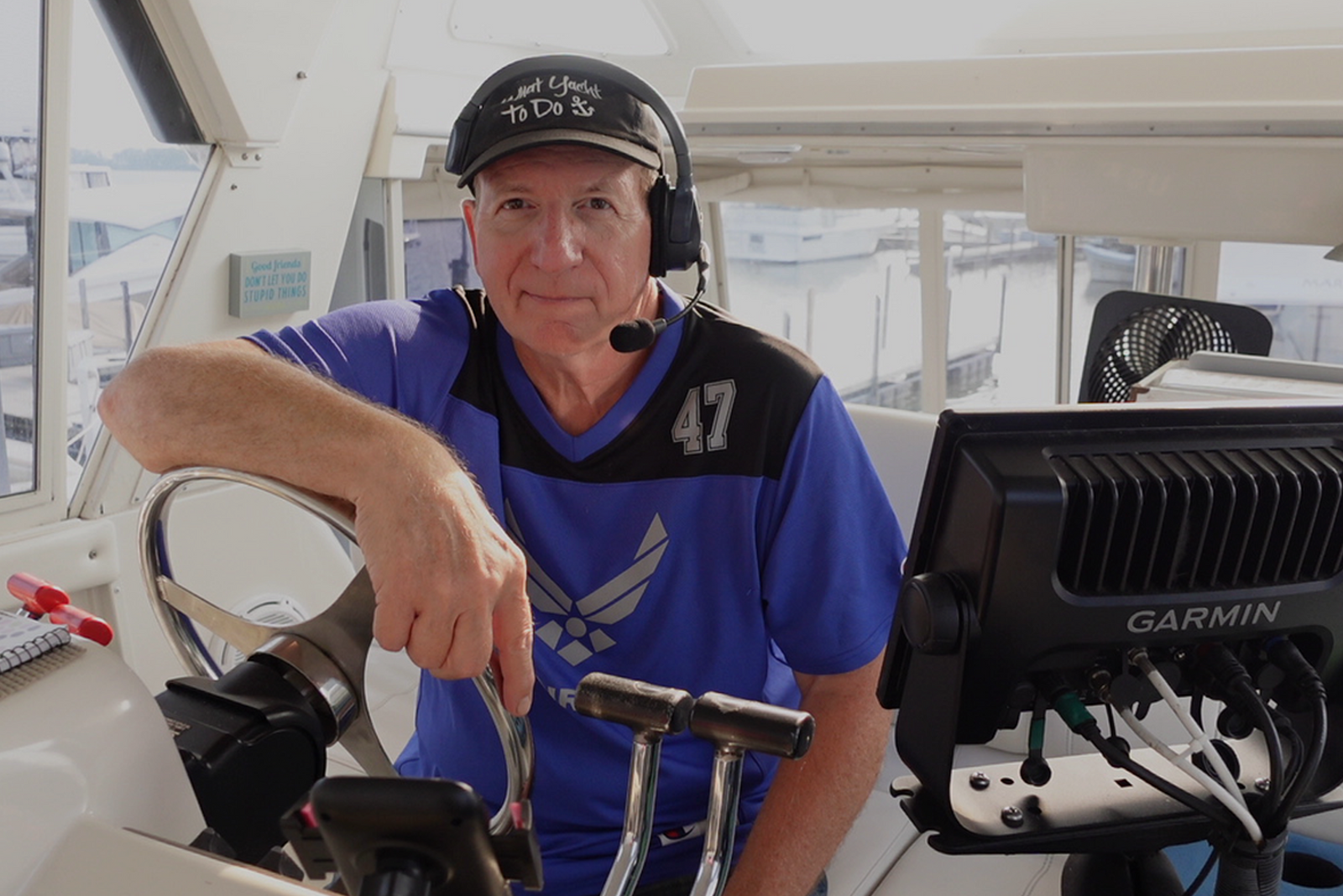

Discover how a retired airline pilot became obsessed with the Great Loop and built a thriving captain training business through Mariners Learning System.


Learn which substances the MMC drug test looks for, plus how masking agents and false positives factor in.


Discover the five most common mistakes mariners make on the captain’s license physical, plus a checklist for how to avoid them.

Discover why so many charter captains run out of money and how to plan every startup cost from your vessel purchase to guest-ready outfitting.

Learn how to build a charter business plan that covers pricing, expenses, and marketing so your captain’s license leads to lasting profit.

Transform how you talk about price with proven anchoring strategies and value-first framing that stops charter guests from shopping around.

Discover how charter captains use hybrid pricing models and seasonal adjustments to increase revenue and simplify bookings for every guest type.