

Meet Navi: Your 24/7 AI Instructor Inside the MLS Classroom
Unlock 24/7 access to Navi, an AI instructor trained on MLS course material, so you can ask questions, run practice quizzes, and nail your captain’s exam.
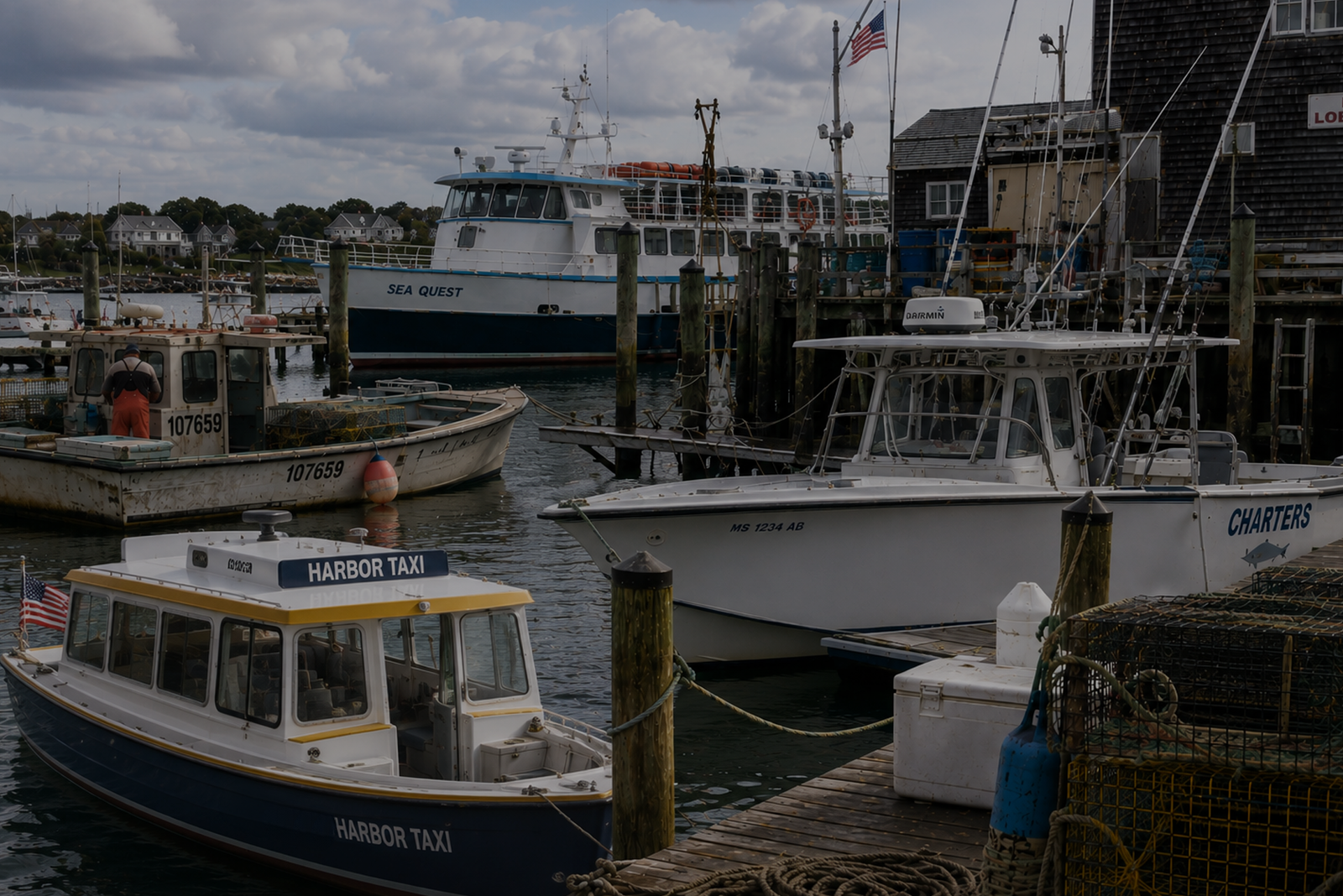

A USCG captain’s license, a type of Merchant Mariner Credential (MMC), qualifies you to operate commercial vessels carrying paying passengers. The two main license types are the OUPV/Six-Pack (up to six passengers for hire) and the 25/50/100-Ton Master (seven or more passengers on inspected vessels). Benefits include commercial career access, higher earning potential, insurance advantages, and recognized safety expertise.
You’d be surprised how many people think a captain’s license is only for career mariners running charter boats seven days a week. About 80% of Mariners Learning System students never intend to use their license commercially. They earn it for the knowledge, the safety training, and the confidence that comes from knowing they can handle anything the water throws at them.
Whether you’re looking to launch a charter business, offset the cost of owning a boat, or simply become a more capable mariner, a captain’s license opens doors that stay closed without one.

A captain’s license gives you legal authorization to carry paying passengers on U.S. waters navigable by the Army Corps of Engineers. Without one, charging anyone to step aboard your vessel violates federal law, and the penalties for operating a charter without a license are steep.
The license opens access to a range of commercial career paths, from part-time weekend work to a full-time profession. Here are the most common:
For a deeper look at the range of what licensed captains do, see our guide on career paths with a captain’s license.
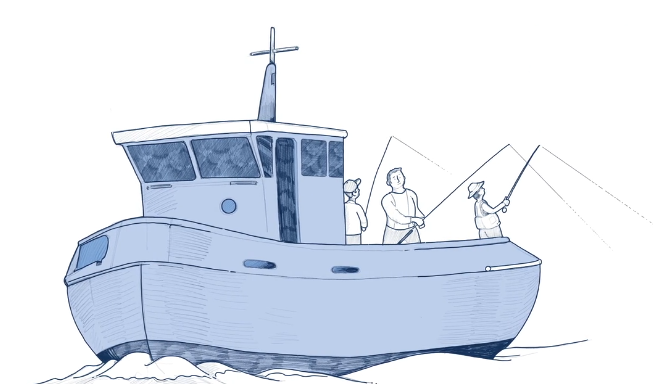
Earnings vary widely by market, license type, location, and specialization. A ferry boat captain typically earns $45,000 to $85,000 or more per year. Charter fishing captains in high-traffic destinations can earn well above that during peak season. Part-time captains running weekend charters or yacht deliveries treat it as supplemental income rather than a primary career.
Not every captain’s license is the same, and the one you choose determines what you’re authorized to do. The U.S. Coast Guard issues two main license types.
|
|
OUPV/Six-Pack |
25/50/100-Ton Master |
|
Passengers for Hire |
Up to six |
Seven or more (on inspected vessels with a Certificate of Inspection) |
|
Vessel Type |
Uninspected vessels only |
Uninspected and inspected vessels |
|
Sea Time Required |
360 days total, 90 in the last seven years |
Inland: Same as OUPV Near Coastal: 720 days total with 360 on near-coastal or ocean waters |
|
Tonnage Limit |
Up to 100 gross tons |
25, 50, or 100 gross tons, depending on experience |
|
Cost at MLS |
$695 (course and exam included) |
$895 (course and exam included) |
|
Best For |
Weekend charters, fishing guides, small tours, personal safety |
Full-time charter operations, larger vessels, ferry captains, water taxis |
We recommend pursuing the highest-level license you can qualify for. If you meet the sea time for the Master, go for it. A Master license includes everything the OUPV authorizes and opens the door to inspected passenger vessels and larger commercial operations.
No. Recreational boaters aren’t required to hold a USCG captain’s license. Many earn one anyway for the safety knowledge, the insurance benefits, and the confidence it provides. For more on whether you need a license, it depends on whether you plan to charge people to come aboard.
The most common reason students give for earning their license isn’t money. It’s safety.
A captain’s license course covers navigation, weather, rules of the road, emergency procedures, fire safety, and vessel handling. You’ll learn how to read the water, respond to an emergency, and make decisions under pressure, skills that protect you, your crew, and your passengers every time you leave the dock.
This knowledge matters even if you never take a single paying passenger. Captains who’ve been through formal training are better prepared for the situations that catch recreational boaters off guard: sudden weather changes, equipment failures, man-overboard scenarios, and navigating unfamiliar waters.
For parents, even basic boating safety tips can be worth the investment. Knowing what to do when something goes wrong on the water isn’t optional when your family is aboard.
Completing a USCG-approved course demonstrates formal training and competency, and some boat insurance providers factor that into their coverage decisions. Check with your insurer about how a captain’s license affects your policy.
A captain’s license can also be the difference between being allowed to help and being told to stand down. During natural disasters and flooding events, licensed captains are cleared for search and rescue operations when unlicensed boaters aren’t, because their credentials cover the liability.
And if you ever decide to start a charter business, a captain’s license is a baseline requirement for commercial marine insurance.
Holding a captain’s license places you in a recognized community of mariners with verified skills and federal credentials. It’s not a weekend certificate or a participation trophy. The USCG doesn’t issue credentials to people who can’t demonstrate real competency.
That credibility matters when you’re looking for work, seeking insurance, or trying to build a reputation in the marine industry. Employers, marinas, and boat clubs take licensed captains more seriously because the license proves you’ve passed the same standards the Coast Guard applies to every commercial operator on the water.
For those exploring what path to take, our guide on choosing the right license breaks down the options based on your goals and experience.
You’ll need documented sea time (minimum 360 days), a physical exam on Coast Guard form CG-719K, a DOT 5-panel drug test, a background check, adult CPR and first-aid certification, and completion of a USCG-approved course with a passing exam score. Our complete requirements checklist covers every step.
The course itself takes most students a few weeks of part-time study. The full timeline, including gathering documents, scheduling a physical, and submitting your application to the Coast Guard, varies by individual. See our realistic timeline and process guide for details.
The USCG captain’s license is a U.S. credential. If you plan to operate commercially in another country’s waters, check that nation’s laws first. You may need additional credentials or certifications specific to their jurisdiction.
Many of our students think so. The safety training, insurance savings, and confidence gained from formal education are the primary drivers for recreational boaters. If you ever decide to take paying passengers in the future, you’ll already have the credential in hand.

A captain’s license is a federally recognized credential that proves you can operate a vessel safely, make decisions under pressure, and take responsibility for the people aboard. Whether that means launching a fishing charter, delivering yachts on weekends, or knowing you’re the most capable person on your own boat, the license gives you options no amount of experience alone can provide.
To learn more about safe marine operation of all kinds, find a course that’s right for you with Mariners Learning System. From recreational boating to commercial charters, we detail everything you need to know to keep you, your boat, and your passengers safe on the water.
Regulations, earnings figures, and market conditions vary. Always verify current USCG requirements with the National Maritime Center or a Mariners Learning System licensing specialist before making decisions based on this article. This blog post was reviewed for accuracy by the Mariners Learning System team.
Ask a question, share an experience, or add a helpful tip related to this article. Comments may appear after review to prevent spam.
Unlock 24/7 access to Navi, an AI instructor trained on MLS course material, so you can ask questions, run practice quizzes, and nail your captain’s exam.


Learn what questions to ask and how to prepare for a captain’s license drug test to ensure you avoid the most common application delays.
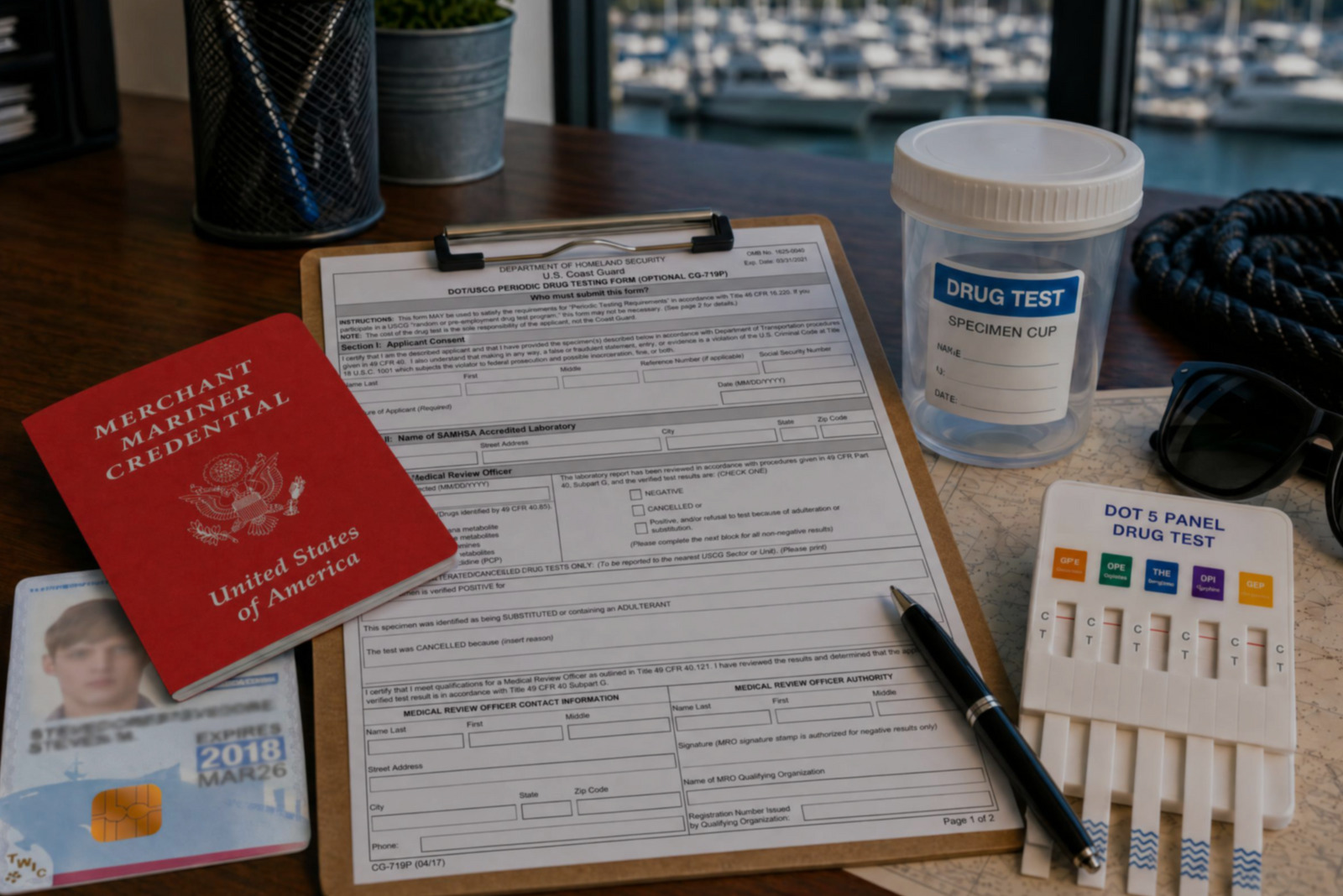

Discover the three types of drug tests working captains must submit to even after they’ve met the initial USCG drug testing requirements for their license.
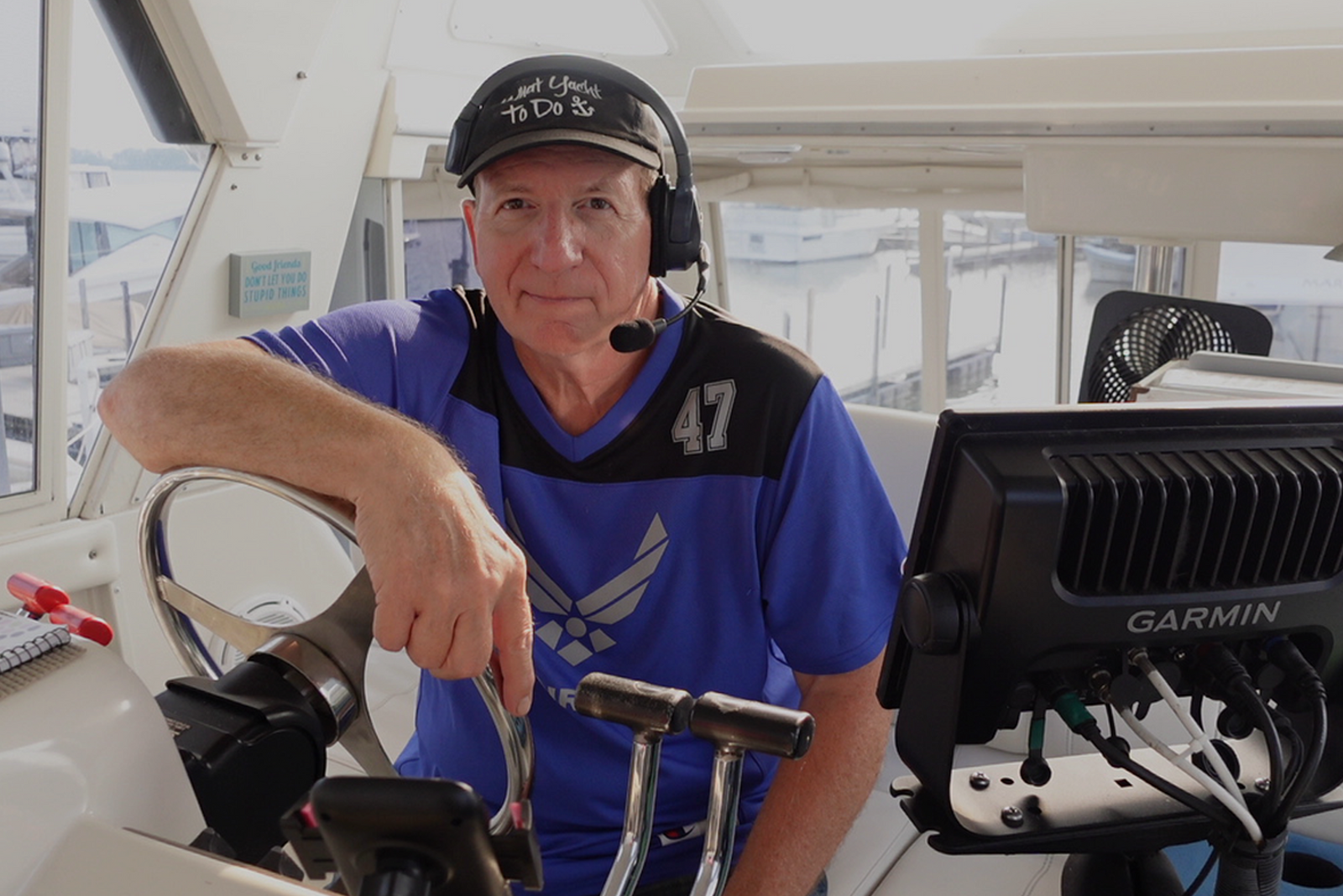

Discover how a retired airline pilot became obsessed with the Great Loop and built a thriving captain training business through Mariners Learning System.


Learn which substances the MMC drug test looks for, plus how masking agents and false positives factor in.


Discover the five most common mistakes mariners make on the captain’s license physical, plus a checklist for how to avoid them.
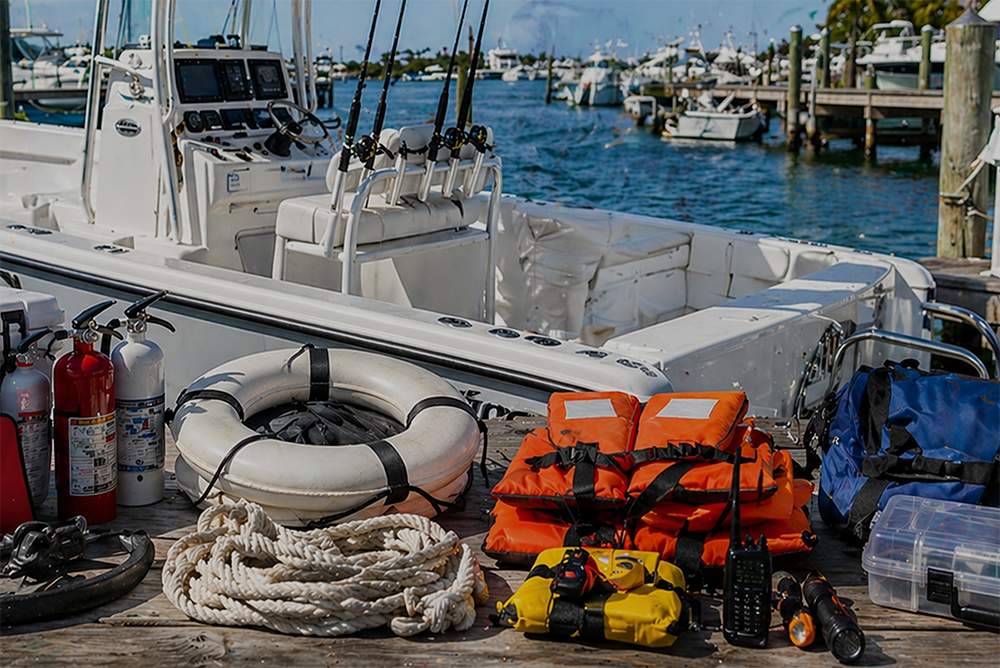

Discover why so many charter captains run out of money and how to plan every startup cost from your vessel purchase to guest-ready outfitting.

Learn how to build a charter business plan that covers pricing, expenses, and marketing so your captain’s license leads to lasting profit.

Transform how you talk about price with proven anchoring strategies and value-first framing that stops charter guests from shopping around.

Discover how charter captains use hybrid pricing models and seasonal adjustments to increase revenue and simplify bookings for every guest type.