

Meet Navi: Your 24/7 AI Instructor Inside the MLS Classroom
Unlock 24/7 access to Navi, an AI instructor trained on MLS course material, so you can ask questions, run practice quizzes, and nail your captain’s exam.
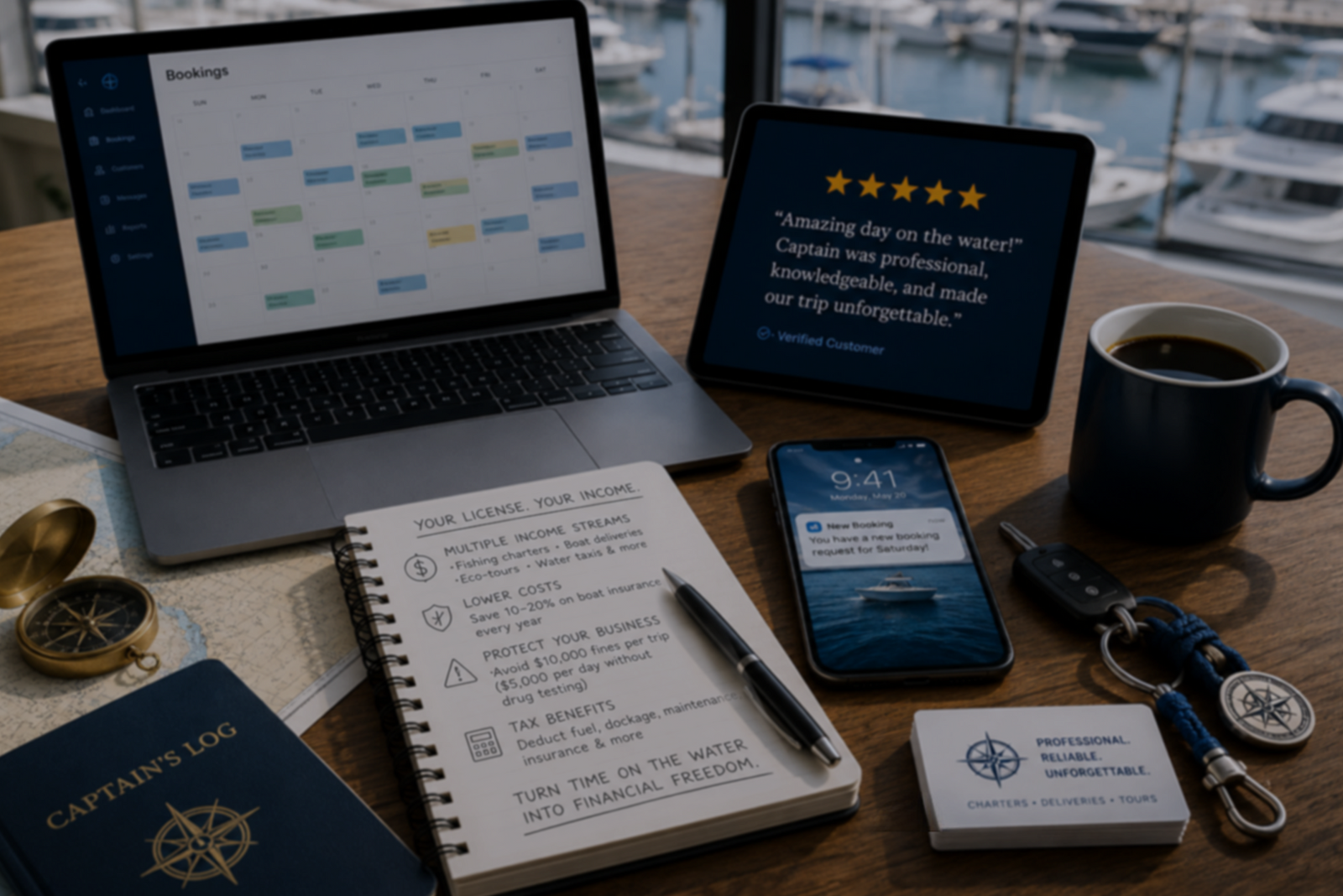

A U.S. Coast Guard (USCG) captain’s license opens multiple income streams for licensed mariners, from fishing charters earning $750 or more per day to yacht deliveries paying $400 to $800 per day plus expenses. Beyond active income, many licensed captains save 10–20% on boat insurance premiums every year.
Your boat costs money whether you use it or not. Slip fees, insurance, maintenance, and fuel all add up. The captains who offset those costs, and sometimes turn a real profit, are the ones who hold a Merchant Mariner Credential (MMC), the federal credential behind every captain’s license.
Whether you want a weekend side income or a full-time career on the water, here’s what the license can actually do for your bank account.
There’s no single salary figure for a licensed boat captain because earning potential varies widely by role, region, and effort. According to ZipRecruiter data from 2026, the average annual pay for a licensed boat captain in the United States is roughly $53,500, with a range from about $33,500 at the 25th percentile to $87,500 at the 90th percentile. Indeed reports an average hourly rate of approximately $30.
The real earning potential of a captain’s license depends on how you use it: employed captains earn a steady salary, while independent operators control their own rates and schedules. Self-employed captains who run charter businesses or freelance as delivery captains often earn more on a per-day basis than salaried positions pay.

Charter captains set their own rates. MLS content cites $625 or more for a four-hour fishing trip as a benchmark, and rates go higher for full-day offshore charters in peak season. The actual take-home depends on fuel, bait, mate costs, and slip fees.
The table below shows common career paths and their typical earning ranges. These figures come from published MLS content, salary-tracking sites, and industry averages. Actual numbers depend on location, vessel size, and season.

Whether you pursue a fishing charter, run eco tours, or deliver boats between marinas, a captain’s license gives you the legal authority to turn time on the water into income.
Absolutely. About 80% of Mariners Learning System students don’t intend to captain full-time. Many hold day jobs and pick up charter work, boat deliveries, or instructing gigs on weekends and holidays.
A Six-Pack license lets you carry up to six paying passengers on uninspected vessels, which is the standard for small charters and fishing trips.
Beyond income, a captain’s license can cut your expenses. Many boat insurance providers offer a 10 to 20% reduction in annual premiums for licensed captains. Bob Figular’s own rates dropped 30% the year he earned his license. The training and documented sea time behind the license make you a lower risk to insure.
A 10 to 20% annual reduction in boat insurance premiums adds up fast, especially if you own a vessel valued above $100,000. Contact your insurance provider for specifics, since discount percentages vary by carrier, boat type, and policy.
In many cases, yes. Even if you don’t operate commercially, holding a captain’s license signals competence to your insurer. The discount isn’t guaranteed, but it’s worth asking about when you renew.
The financial upside of a captain’s license is clear. The downside of operating without one is steep. Under federal law, the fines for carrying paying passengers without a valid captain’s license can reach $10,000 per occurrence.
If you’re also not enrolled in a U.S. Department of Transportation (DOT)-approved random drug testing program, add another $5,000 for each day you’re found in violation. These aren’t theoretical penalties. The Coast Guard actively enforces them.
Operating a vessel with paying passengers and no captain’s license can cost you $10,000 per trip, plus $5,000 per day without a drug testing program, making the license one of the cheapest forms of business protection available.
“Consideration” doesn’t require a cash exchange. If someone contributes to fuel, buys your dinner in return for a boat ride, or trades a service for time on your vessel, the Coast Guard may consider that compensation. When money or barter is involved and passengers are aboard, you need a license.
If you use your boat for commercial purposes, a captain’s license unlocks a range of tax deductions. Fuel, dockage, fishing equipment, maintenance, insurance, and even portions of your vessel’s depreciation may qualify as business expenses.
Licensed captains who operate commercially can deduct fuel, dockage, equipment, maintenance, and insurance as business expenses, reducing the effective cost of boat ownership. Consult a tax professional for the specifics of your situation, since deduction eligibility depends on how you structure your business.
These deductions can turn your boat from a pure expense into a business asset. For captains running charter operations, the tax savings alone can offset a significant chunk of annual ownership costs.
The OUPV/Six-Pack captain’s license course and exam through Mariners Learning System costs $695. The Coast Guard charges a $100 application fee and a $45 issuance fee. Add in a physical exam, drug test, CPR/first-aid certification, and your Transportation Worker Identification Credential (TWIC) card, and most applicants spend roughly $1,000 to $1,200 total for the Six-Pack or $1,200 to $1,400 for the Master captain’s license.
The OUPV/Six-Pack is the most popular license and covers the majority of income opportunities: fishing charters, eco tours, water taxis, boat deliveries, and instructing. If you plan to carry seven or more paying passengers on an inspected vessel, you’ll need a Master captain’s license.
The average Mariners Learning System student finishes the OUPV/Six-Pack course in 25 to 30 hours of study. Add time for the physical, drug test, TWIC card, and Coast Guard processing, and the full timeline from start to license in hand varies by how quickly you complete each step.
A captain’s license doesn’t guarantee income. What it guarantees is access.
Without it, every commercial opportunity on the water is legally off-limits. With it, you choose which doors to walk through.
The captains who earn the most aren’t always the ones with the biggest boats; they’re the ones who find the right niche and put their license to work.
If you have questions about which license fits your income goals, the team at Mariners Learning System is here to help. We’ve guided more than 200,000 students through this process, and we’re not going to let paperwork be the reason you don’t get your license.
This article is for educational purposes only and does not constitute legal, tax, or financial advice. Income figures are estimates based on published salary data and industry averages; actual earnings depend on location, vessel, experience, market conditions, and business structure. Regulations change; consult the National Maritime Center or a qualified professional for current guidance.
Ask a question, share an experience, or add a helpful tip related to this article. Comments may appear after review to prevent spam.
Unlock 24/7 access to Navi, an AI instructor trained on MLS course material, so you can ask questions, run practice quizzes, and nail your captain’s exam.


Learn what questions to ask and how to prepare for a captain’s license drug test to ensure you avoid the most common application delays.
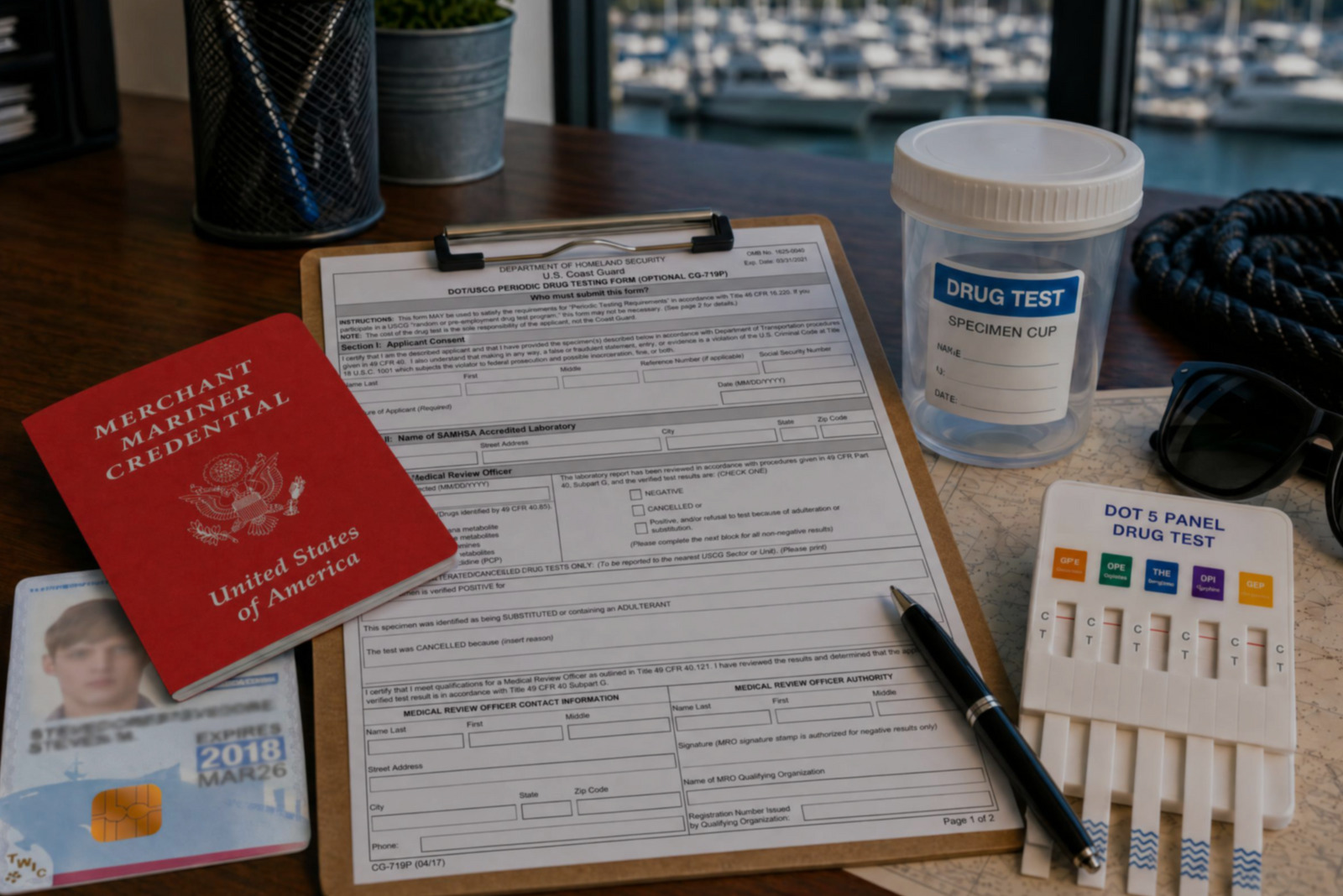

Discover the three types of drug tests working captains must submit to even after they’ve met the initial USCG drug testing requirements for their license.
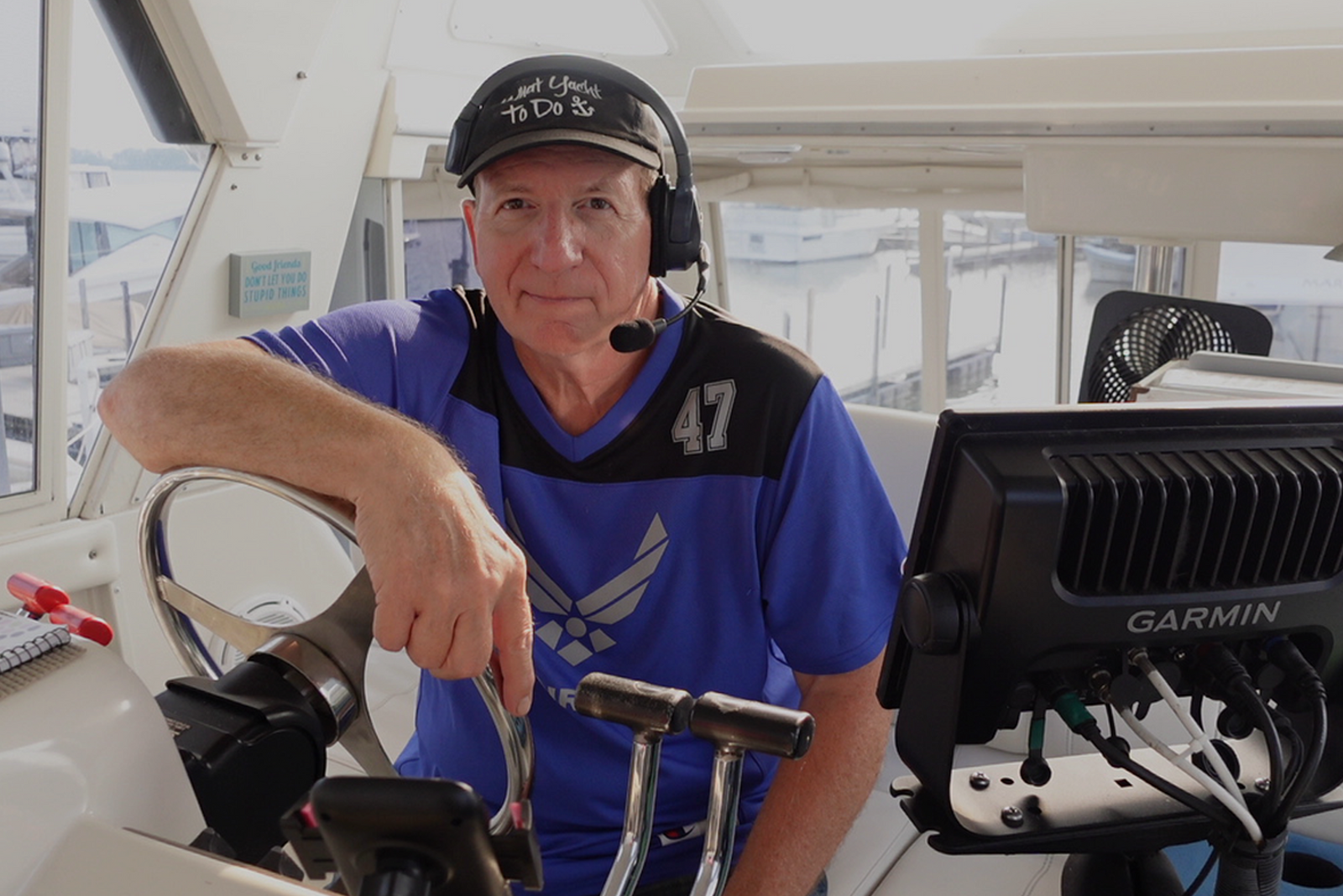

Discover how a retired airline pilot became obsessed with the Great Loop and built a thriving captain training business through Mariners Learning System.


Learn which substances the MMC drug test looks for, plus how masking agents and false positives factor in.


Discover the five most common mistakes mariners make on the captain’s license physical, plus a checklist for how to avoid them.
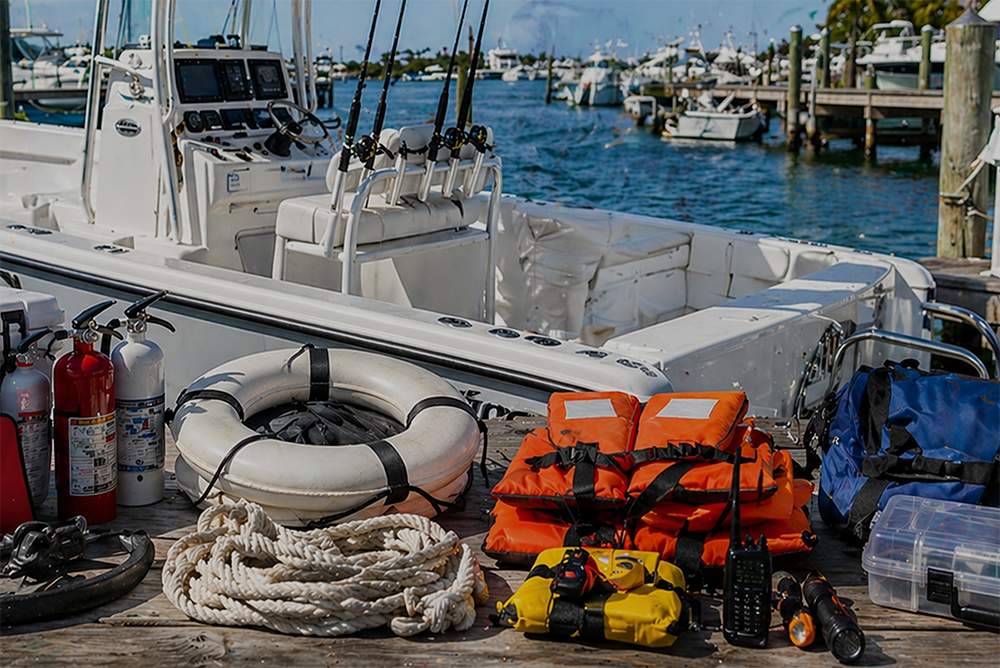

Discover why so many charter captains run out of money and how to plan every startup cost from your vessel purchase to guest-ready outfitting.

Learn how to build a charter business plan that covers pricing, expenses, and marketing so your captain’s license leads to lasting profit.

Transform how you talk about price with proven anchoring strategies and value-first framing that stops charter guests from shopping around.

Discover how charter captains use hybrid pricing models and seasonal adjustments to increase revenue and simplify bookings for every guest type.