

Meet Navi: Your 24/7 AI Instructor Inside the MLS Classroom
Unlock 24/7 access to Navi, an AI instructor trained on MLS course material, so you can ask questions, run practice quizzes, and nail your captain’s exam.

The U.S. Coast Guard (USCG) issues two main types of captain's licenses: the OUPV/Six-Pack, which covers up to six paying passengers on uninspected vessels, and the 25/50/100-Ton Master, which covers seven or more passengers on inspected vessels. Both can be expanded with a Towing Endorsement, and the Master can also be expanded with an Auxiliary Sailing Endorsement.
If you’ve been researching captain’s licenses, you’ve probably noticed the terminology gets confusing fast. OUPV, Six-Pack, Master, tonnage tiers, endorsements, Merchant Mariner Credential. It all sounds like it was designed to keep people guessing.
It wasn’t. But after 23 years of helping mariners sort through it, I can tell you the licensing structure makes more sense once you see the full picture in one place. That’s what this guide is for: every type of USCG captain’s license, what each one allows, and how to pick the right starting point.
The USCG issues captain’s licenses as part of the Merchant Mariner Credential (MMC), the single federal document that lists your endorsements, tonnage, and authorized waters. Every captain’s license falls into one of two categories: the OUPV (Operator of Uninspected Passenger Vessels) or the Master. The difference comes down to how many paying passengers you carry and whether your vessel is inspected.

The OUPV/Six-Pack captain’s license is the entry-level commercial credential, and the 25/50/100-Ton Master captain’s license is the highest license available at these tonnage levels. Here’s how they compare:
|
Feature |
OUPV/Six-Pack |
25/50/100-Ton Master |
|
Passengers for Hire |
Up to 6 |
7 or More (Inspected) or Up to 6 (Uninspected) |
|
Vessel Type |
Uninspected Only |
Inspected and Uninspected |
|
Tonnage Limit |
Up to 100 Gross Tons |
Up to 100 GRT (Uninspected); 25, 50, or 100 Tons Based on Experience (Inspected) |
|
Route Options |
Inland, Near Coastal, Great Lakes |
Inland, Near Coastal, Great Lakes |
|
Near Coastal Range |
Up to 100 Miles Offshore |
Up to 200 Miles Offshore |
|
Typical Uses |
Fishing Charters, Small Tours, Eco-Tours |
Ferries, Harbor Tours, Whale Watch Boats, Water Taxis |
|
Sea Time Required |
360 Days |
360 Days (Inland) or 720 Days (Near Coastal) |
|
Minimum Age |
18 |
19 |
|
Citizenship |
Legal to work in the U.S. or U.S. citizen |
U.S. Citizen Required |
Both licenses require passing a physical exam, a drug test, a background check, and a written exam. For a walkthrough of the full application requirements, see our requirements guide.
The OUPV, commonly called the "Six-Pack," is by far the most popular license among our students. It allows you to carry up to six paying passengers on uninspected vessels up to 100 gross tons. "Uninspected" means the vessel hasn’t gone through a formal USCG safety inspection and doesn’t carry a Certificate of Inspection (COI). Most recreational boats fall under this category.
The OUPV/Six-Pack captain’s license covers fishing charters, dive boats, small eco-tours, sunset cruises, and any operation where you’re taking six or fewer paying passengers aboard. About 80% of Mariners Learning System students never use their license commercially at all; they earn it for the safety knowledge and the confidence it gives them on the water.
The OUPV comes with route options: Inland (rivers, lakes, intracoastal waterways), Near Coastal (up to 100 miles offshore), or Near Coastal with Great Lakes. Your route endorsement depends on where your documented sea time was earned. For a closer look at the OUPV/Six-Pack license, including exactly what it allows, see our one-minute guide.
No. The USCG doesn’t require you to start with the Six-Pack. If you meet the sea time and age requirements for the Master, you can earn it as your first license.
The Master license includes everything the OUPV allows, plus the authority to operate inspected vessels carrying seven or more passengers. "Inspected" means the vessel has been examined by the USCG and carries a Certificate of Inspection that states its passenger limit and the license level its captain needs. Normally, these are vessels built with a specific commercial usage in mind.
Ferry boats, harbor tour boats, whale watch vessels, water taxis, and large dive boats are all examples of inspected vessels. If you want to work on any of these, you need a Master.
The tonnage tier you receive (25, 50, or 100 gross tons) depends on your documented sea time, not on a separate exam. The course and exam are the same for all three tiers. The USCG reviews your sea service documentation and issues the appropriate tonnage based on your experience.
For the full Master captain’s license requirements, including sea time by tonnage tier, see our Master requirements breakdown.
Gross tonnage (GT) is a measure of a vessel’s internal volume, not its weight. A 100-GT vessel isn’t 100 tons heavy; it has 100 tons of enclosed space. The tonnage rating on your license sets the maximum size vessel you’re authorized to operate.
Both the OUPV and the Master can be expanded with endorsements that authorize specific types of operations. The USCG currently offers two endorsements relevant to captain’s licenses at the 100-ton level and below.
The Assistance Towing Endorsement authorizes you to operate a towing vessel for commercial assistance operations, like the services provided by Sea Tow or TowBoatU.S. It can be added to either the OUPV or the Master. If you plan to make money helping disabled vessels, you need this endorsement. Note: this covers passenger-vessel-level towing, not cargo tugboat operations. For large-vessel or cargo towing, contact the National Maritime Center (NMC) directly.
The Auxiliary Sailing Endorsement authorizes the holder to operate inspected sailing vessels commercially, carrying seven or more passengers under sail. This endorsement attaches to the Master license only; it can’t be added to the OUPV. If you want to run inspected sailing charters, you need both the Master and this endorsement.
For details on endorsements and what they require, see our list of the different captain’s license types.
The Mate license authorizes the holder to serve as second-in-command on a vessel. Like the Master, it’s categorized by tonnage and route. Mariners Learning System doesn’t offer Mate license courses or exams. If you’re interested in a Mate credential, contact the National Maritime Center for current requirements and approved training providers.
The decision usually comes down to one question: how many paying passengers do you plan to carry?
If the answer is six or fewer and you’ll operate an uninspected vessel, the OUPV covers you. If the answer is seven or more, or you want to work on inspected vessels like ferries and tour boats, you need the Master. And if you qualify for the Master, there’s little reason not to go for it, because the OUPV is built into the Master exam. You earn both in one process.

Go for the highest license you qualify for. For a deeper comparison of OUPV vs. Master captain’s licenses, see our full breakdown. Upgrading later is possible (we offer an OUPV/Six-Pack Upgrade to Master course), but it’s another course, another exam, and more time. If you have the sea time, do it now.
OUPV and Master endorsements require U.S. citizenship under 46 CFR 10.221. A narrow exception exists for OUPV authorizing service on undocumented vessels, where lawful permanent residents qualify. For the full citizenship breakdown, see our guide to U.S. citizenship and captain’s licensing.
The OUPV/Six-Pack course and exam at Mariners Learning System is $695. The 25/50/100-Ton Master course and exam is $895. Both prices include the exam with no additional testing fee. Additional costs include the physical, drug test, adult CPR and first aid training, TWIC card, and the NMC application fee.
No. A captain's license is required only when you carry paying passengers. Many recreational mariners earn one anyway, for the safety education, the confidence it provides, the official "Captain" title, and in some cases lower insurance costs, even if they never use it commercially. For details on when you need a license to drive a boat, see our licensing requirements guide.
Every captain’s license opens a different set of doors. The OUPV gets you on the water commercially with small groups. The Master puts you at the helm of inspected vessels and larger operations. Endorsements expand what you can do from there. Pick the license that matches where you want to go, not where you are today.
To learn more about which license fits your goals, find a course that’s right for you with Mariners Learning System. From recreational boating to commercial charters, we detail everything you need to know to keep you, your boat, and your passengers safe on the water.
USCG licensing requirements can change. Verify current regulations with the National Maritime Center before beginning your application. This blog post is for informational purposes and doesn’t constitute legal or regulatory advice.
Ask a question, share an experience, or add a helpful tip related to this article. Comments may appear after review to prevent spam.
Unlock 24/7 access to Navi, an AI instructor trained on MLS course material, so you can ask questions, run practice quizzes, and nail your captain’s exam.


Learn what questions to ask and how to prepare for a captain’s license drug test to ensure you avoid the most common application delays.
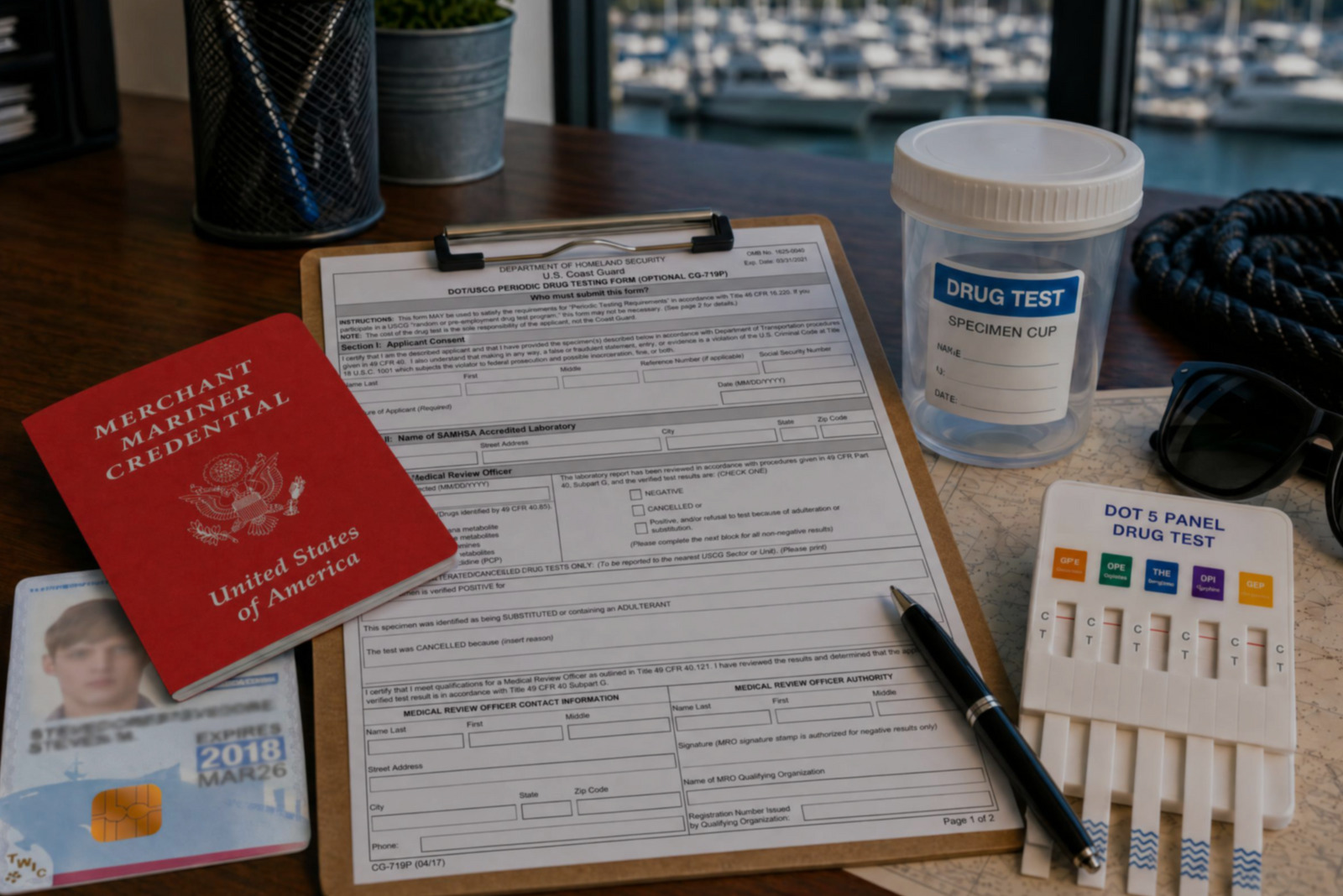

Discover the three types of drug tests working captains must submit to even after they’ve met the initial USCG drug testing requirements for their license.

Discover how a retired airline pilot became obsessed with the Great Loop and built a thriving captain training business through Mariners Learning System.


Learn which substances the MMC drug test looks for, plus how masking agents and false positives factor in.


Discover the five most common mistakes mariners make on the captain’s license physical, plus a checklist for how to avoid them.
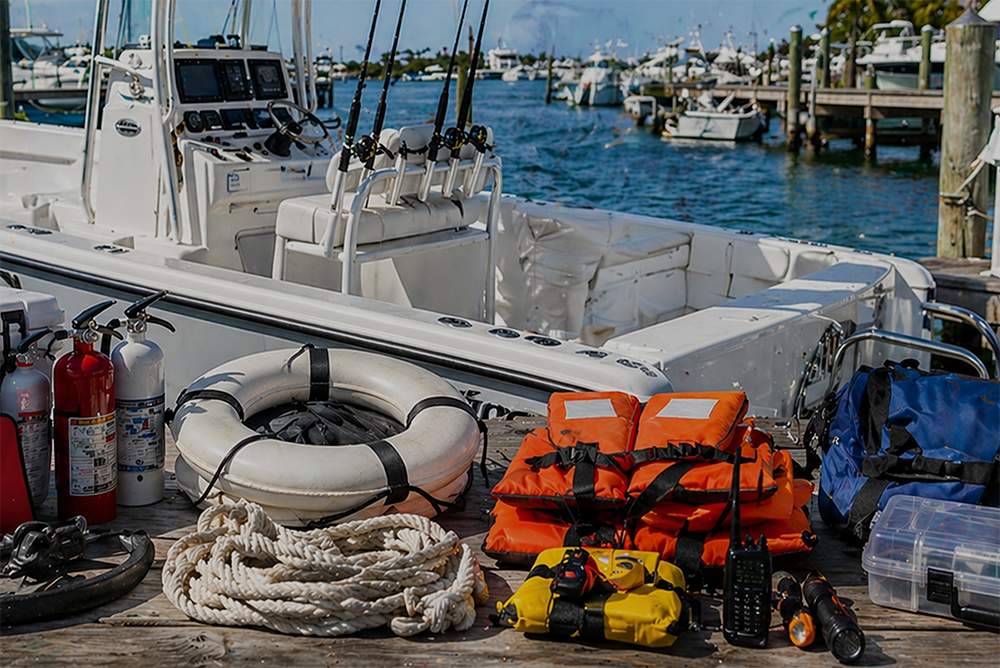

Discover why so many charter captains run out of money and how to plan every startup cost from your vessel purchase to guest-ready outfitting.

Learn how to build a charter business plan that covers pricing, expenses, and marketing so your captain’s license leads to lasting profit.

Transform how you talk about price with proven anchoring strategies and value-first framing that stops charter guests from shopping around.

Discover how charter captains use hybrid pricing models and seasonal adjustments to increase revenue and simplify bookings for every guest type.