

Meet Navi: Your 24/7 AI Instructor Inside the MLS Classroom
Unlock 24/7 access to Navi, an AI instructor trained on MLS course material, so you can ask questions, run practice quizzes, and nail your captain’s exam.
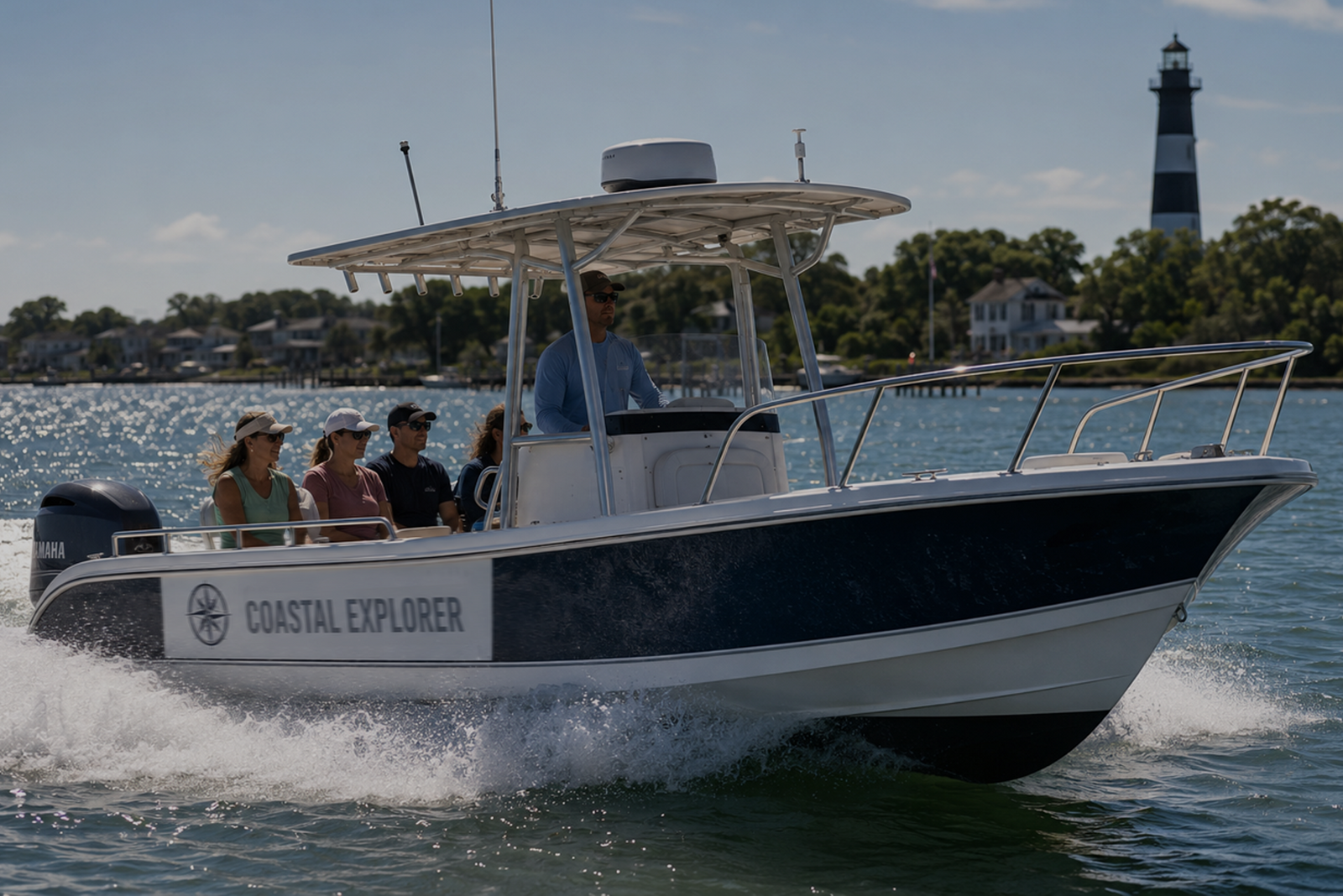

The OUPV/Six-Pack captain’s license is a federal credential issued by the U.S. Coast Guard (USCG) that authorizes the holder to operate uninspected commercial vessels, both power and sail, up to 100 gross tons with up to six paying passengers. It’s the most popular captain’s license in the United States and the standard credential for charter fishing, dive boats, eco tours, and water taxis.
If you’re looking into commercial boating for the first time, the OUPV/Six-Pack is where most captains start. “OUPV,” the official name, stands for Operator of Uninspected Passenger Vessels, and “Six-Pack,” the common name, refers to the six-passenger limit. It’s one credential with one name, even though the two labels get used interchangeably.
Whether you want to run fishing charters on weekends or build a full-time career on the water, the OUPV/Six-Pack is the starting line for legal commercial operation.
Our course covers all types of the full OUPV. (There is a limited OUPV, which is different and separate from this blog post’s topic, that our course doesn’t cover.) The version you receive depends on your documented boating experience. All three allow up to six paying passengers on uninspected vessels up to 100 gross tons, power or sail.
The full OUPV/Six-Pack license comes in three versions: Inland, Near Coastal, and Near Coastal with Great Lakes, each tied to where your sea time was earned and where you’re authorized to operate commercially.
|
License Type |
Operating Area |
Sea Time Requirement |
|
OUPV Inland |
U.S. Inland Waterways (Bays, Sounds, Rivers, Lakes) |
360 Days Total, 90 Days in the Last Seven Years |
|
OUPV Near Coastal |
U.S. Inland Waterways Plus Up to 100 Miles Offshore |
360 Days Total, 90 Days Seaward of the Boundary Line, 90 Days Anywhere in the Last Seven Years |
|
OUPV Near Coastal With Great Lakes |
U.S. Inland Waterways, Great Lakes, Plus Up to 100 Miles Offshore |
360 Days Total, 90 Days on the Great Lakes, 90 Days Anywhere in the Last Seven Years |
The Inland license can be upgraded to Near Coastal once you accumulate 90 days of experience seaward of the U.S. boundary line and pass an additional written exam. You don’t need to start over.
“Uninspected” is a USCG classification. It means the vessel isn’t subject to the formal inspection requirements that apply to larger commercial vessels carrying seven or more passengers. Uninspected vessels still must comply with federal safety and operational regulations; they simply don’t require a Certificate of Inspection (COI).
Most recreational boats fall under this category.

To qualify for any version of the OUPV/Six-Pack, you’ll need to meet the following requirements. Sea time numbers here use the National Maritime Center (NMC) checklist convention (days, not the CFR’s months language).
Every OUPV/Six-Pack applicant must document at least 360 days of sea time, pass a drug test, complete a physical on form CG-719K, and pass a USCG-approved course and exam before submitting their application to the Coast Guard.
Yes. Personal boating experience counts, and you can sign off your own sea time if you own the vessel. The boat must be properly registered.
Four hours on the water counts as one day, but you can only log one day per 24-hour period, regardless of how long you’re out. Document your time on form CG-719S.
The OUPV/Six-Pack is the entry point for most commercial captains, but it’s not the only option. Here’s how it compares to the Master captain’s license:
|
Feature |
OUPV/Six-Pack |
Master (25/50/100-Ton) |
|
Paying Passengers |
Up to 6 |
7 or More (Inspected Vessels) |
|
Vessel Type |
Uninspected Only |
Inspected and Uninspected |
|
Tonnage Limit |
100 Gross Tons |
Uninspected: 100 GRT; Inspected: 25, 50, or 100 GRT (Based on Experience) |
|
Offshore Range (Near Coastal) |
Up to 100 Miles |
Up to 200 Miles |
|
International Use |
U.S. Waters Only |
Limited International (Must Start and End in U.S.) |
|
Sea Time Required |
360 Days |
360 Days (Same Minimum via OUPV + Upgrade Path) |
|
Course Cost (MLS) |
$695 |
$895 |
You don’t need to hold an OUPV before getting a Master license. If you meet the sea time and other requirements, you can test directly for the Master. Many captains start with the OUPV and upgrade later as they build more experience.
You don’t need an OUPV to get a Master license; if your sea time qualifies, you can go straight to the Master captain’s license, but most first-time applicants start with the OUPV/Six-Pack.
No. The OUPV/Six-Pack is valid in U.S. waters only. If you plan to operate in international waters, you’ll need a Master captain’s license.
Even with a Master license, you must start and end your trips in U.S. waters with the same paying passengers. Contact the destination country for any additional requirements.
The OUPV/Six-Pack covers most small-vessel commercial operations. Common career paths include:
About 80% of Mariners students get their OUPV/Six-Pack for personal knowledge and safety, not immediate commercial use, giving them the option to put the license to work whenever the right opportunity comes along.

The license is valid for five years from the date of issue. Renewal requires documented sea time or a refresher course, a current physical, and a passing drug test.
The OUPV/Six-Pack Captain’s License course and exam costs $695. That price includes the course materials, the final proctored exam, and our White Glove application support. No surprise exam fees.
No. A captain’s license is required only when you carry passengers for hire. State boating education certificates cover recreational operation.
Many recreational boaters get their captain’s license anyway for the education, safety knowledge, and insurance benefits.
The OUPV/Six-Pack is both the most popular and most practical captain’s license for anyone who wants the option of commercial operation without committing to a full Master credential. It’s the credential behind fishing charters, dive boats, eco tours, and every water taxi you’ve ever ridden.
The OUPV/Six-Pack is where most commercial captains start, and for many, it’s all they ever need to turn their time on the water into income.
To learn more about safe marine operation of all kinds, find a course that’s right for you with Mariners Learning System. From recreational boating to commercial charters, we detail everything you need to know to keep you, your boat, and your passengers safe on the water.
This article is for educational purposes only and does not constitute legal advice. USCG regulations, sea time requirements, and application procedures are subject to change. Verify current requirements through the National Maritime Center or by contacting a Mariners Learning System licensing specialist.
Ask a question, share an experience, or add a helpful tip related to this article. Comments may appear after review to prevent spam.
Unlock 24/7 access to Navi, an AI instructor trained on MLS course material, so you can ask questions, run practice quizzes, and nail your captain’s exam.


Learn what questions to ask and how to prepare for a captain’s license drug test to ensure you avoid the most common application delays.
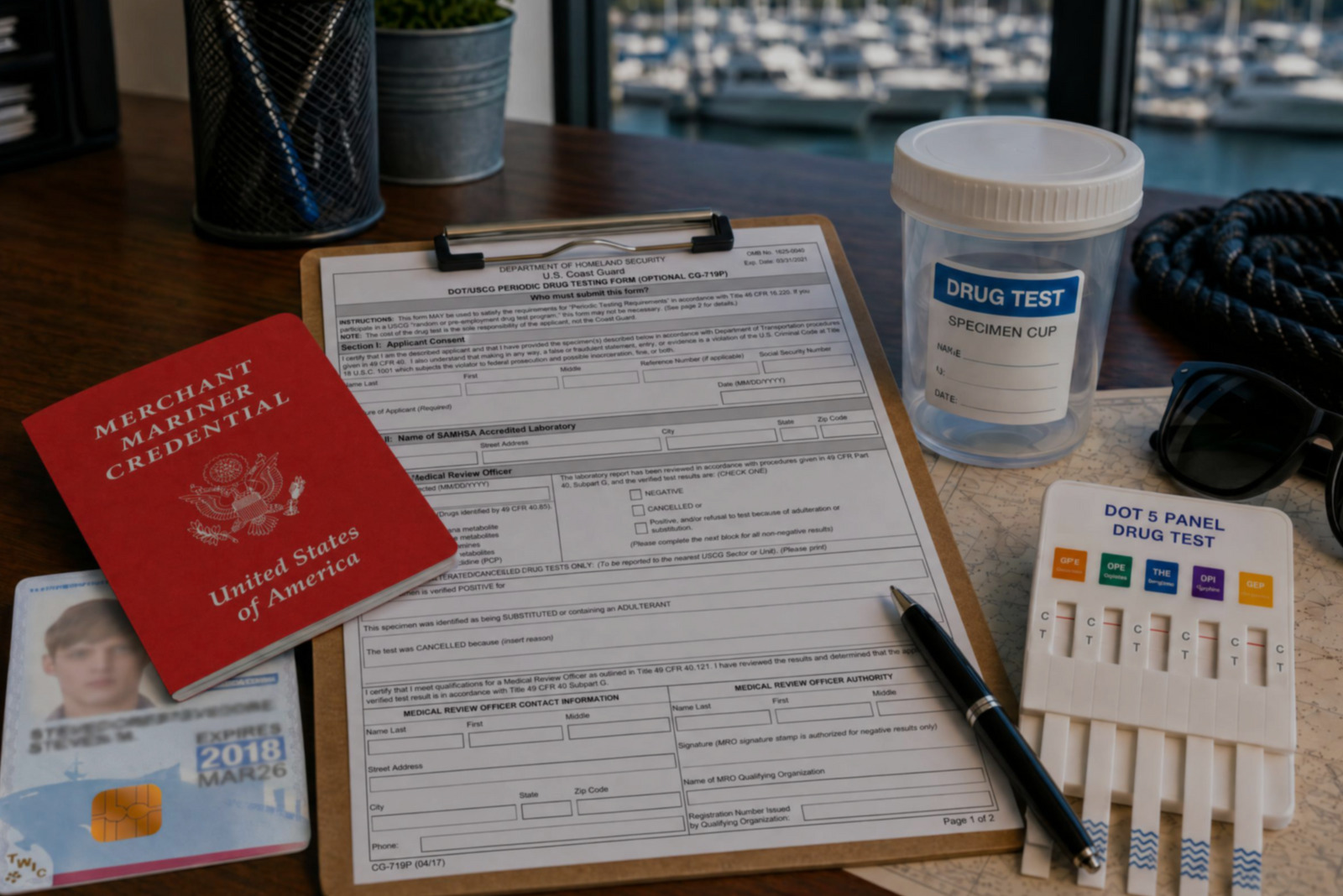

Discover the three types of drug tests working captains must submit to even after they’ve met the initial USCG drug testing requirements for their license.
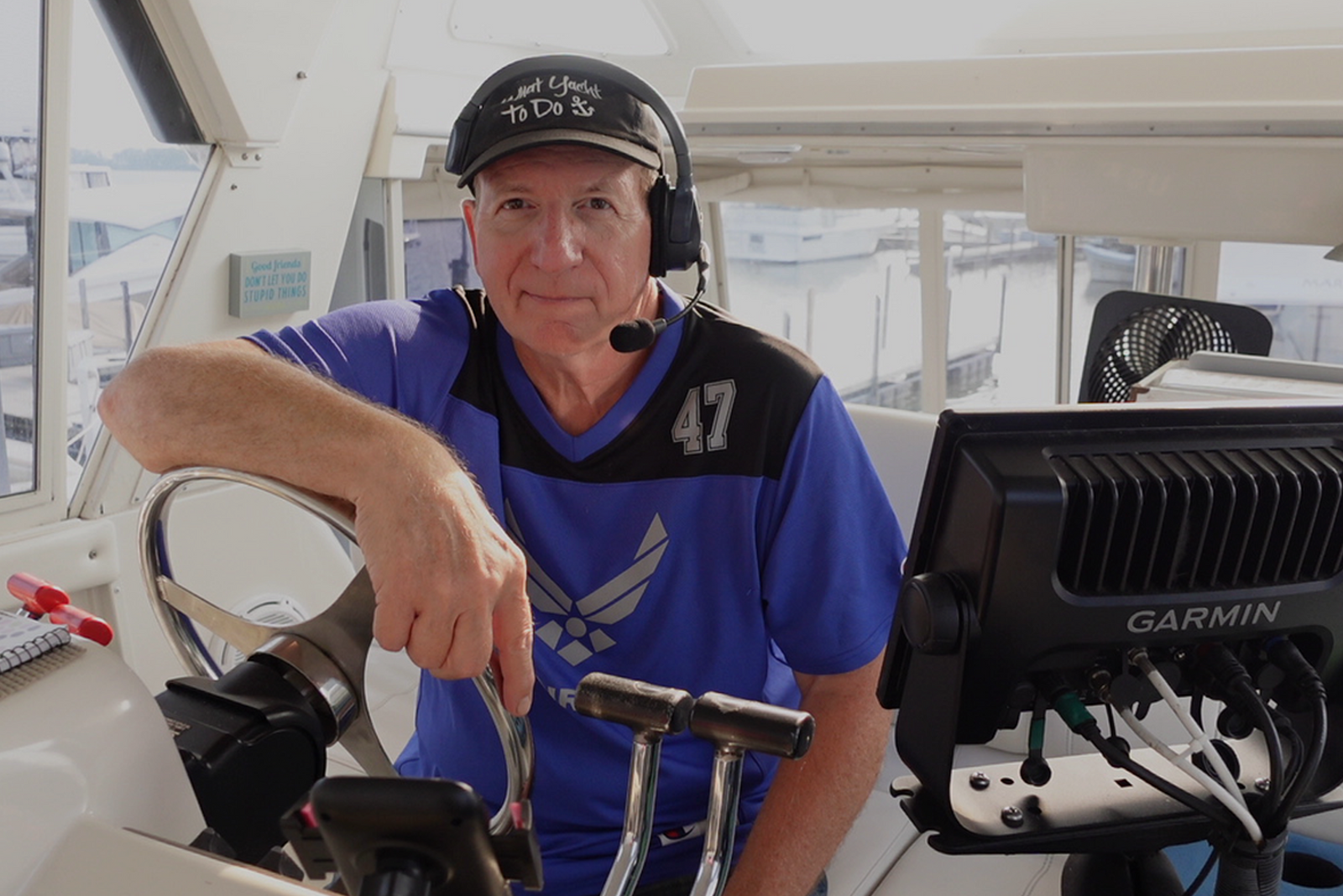

Discover how a retired airline pilot became obsessed with the Great Loop and built a thriving captain training business through Mariners Learning System.
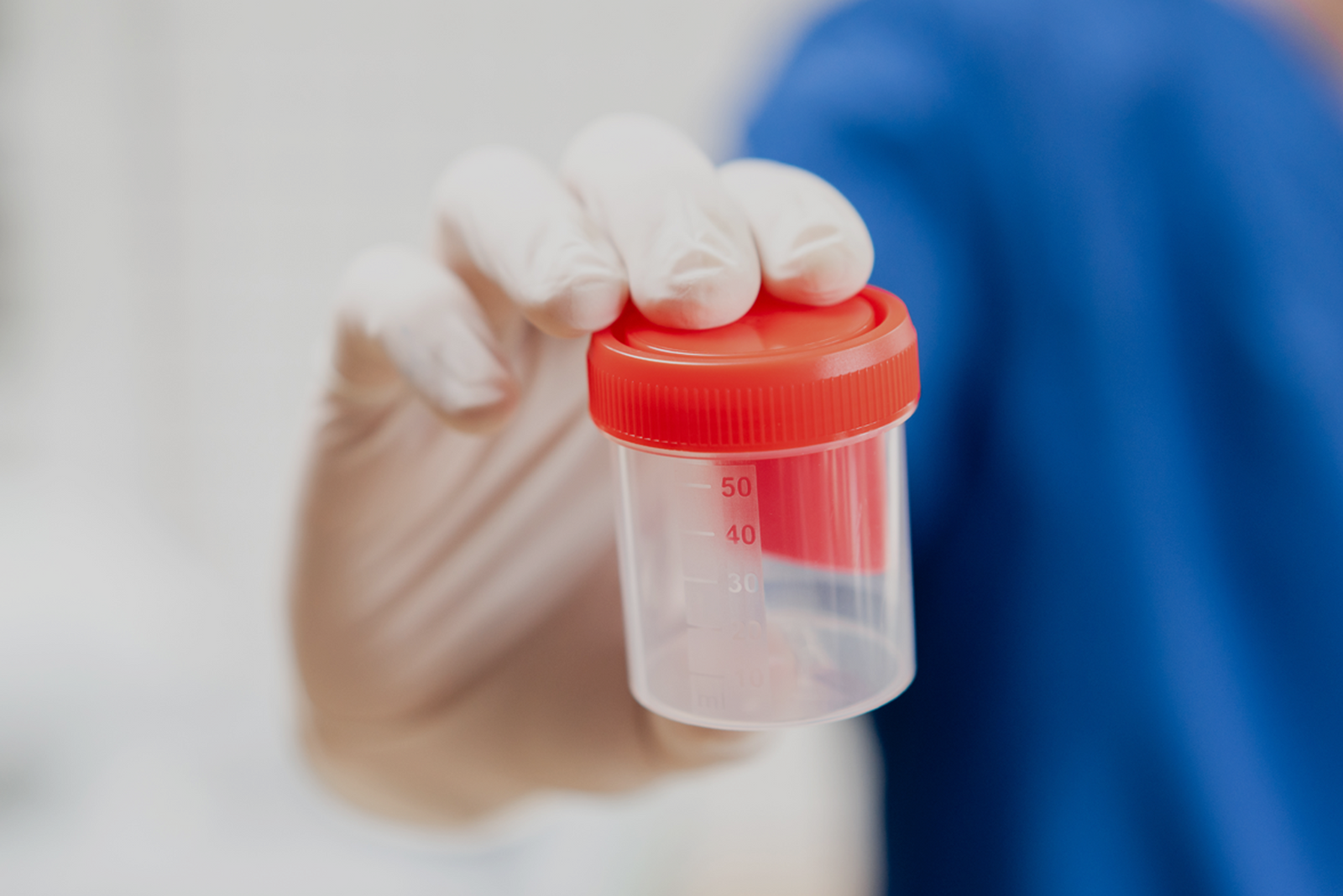

Learn which substances the MMC drug test looks for, plus how masking agents and false positives factor in.


Discover the five most common mistakes mariners make on the captain’s license physical, plus a checklist for how to avoid them.
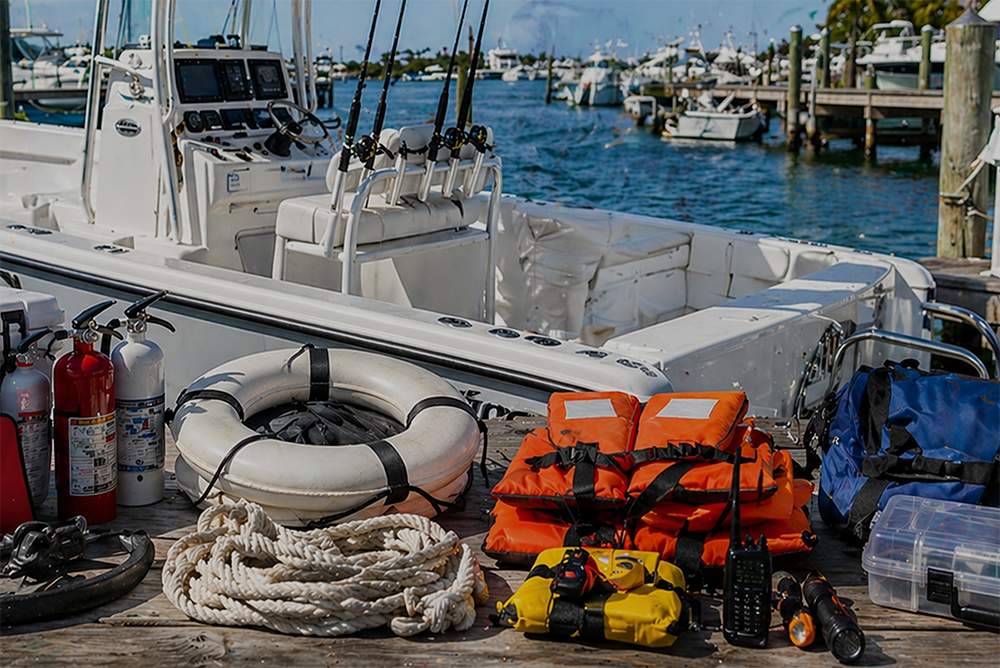

Discover why so many charter captains run out of money and how to plan every startup cost from your vessel purchase to guest-ready outfitting.
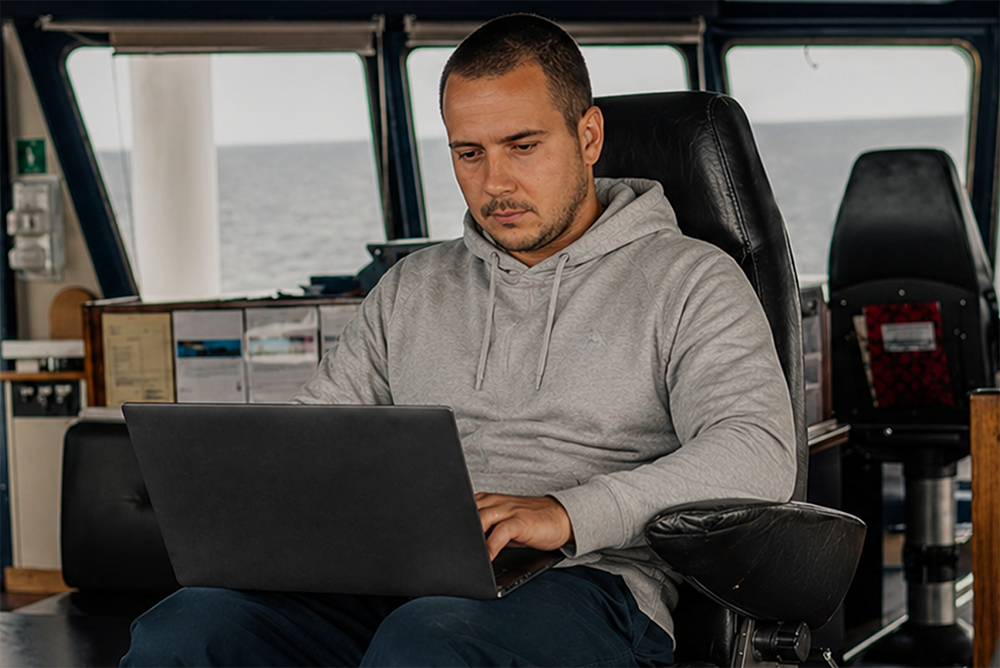

Learn how to build a charter business plan that covers pricing, expenses, and marketing so your captain’s license leads to lasting profit.

Transform how you talk about price with proven anchoring strategies and value-first framing that stops charter guests from shopping around.

Discover how charter captains use hybrid pricing models and seasonal adjustments to increase revenue and simplify bookings for every guest type.