

Meet Navi: Your 24/7 AI Instructor Inside the MLS Classroom
Unlock 24/7 access to Navi, an AI instructor trained on MLS course material, so you can ask questions, run practice quizzes, and nail your captain’s exam.

The 25/50/100-Ton Master captain’s license is the highest captain’s credential the USCG issues. It requires U.S. citizenship, a minimum of 360 days of sea time (720 for Near Coastal), passing a physical exam on CG-719K, a DOT drug test, Adult CPR/First Aid certification, a TWIC card, and completion of a USCG-approved course.
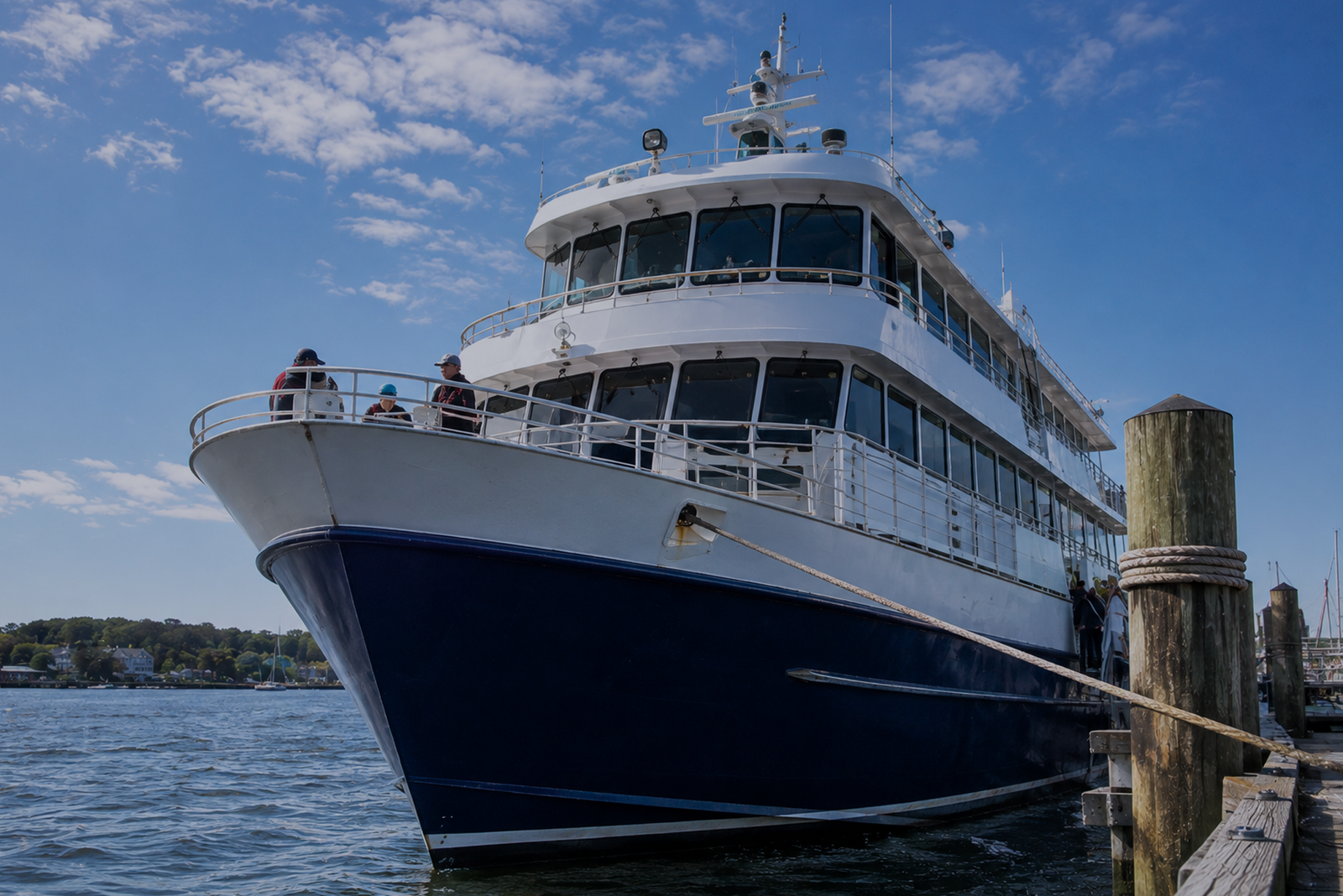
The Master captain’s license opens doors that the OUPV/Six-Pack can’t. It’s the credential you need to operate inspected vessels, which are boats approved to carry seven or more paying passengers, like water taxis, harbor tour boats, and whale-watching vessels.

The Coast Guard doesn’t require you to get a Six-Pack license first. If you meet the sea time requirements, you can apply directly for a Master’s. That’s a path many of our students take, and it saves them a second application and set of fees.
Here’s what the Coast Guard actually requires.

Every version of the Master captain’s license (25-ton, 50-ton, and 100-ton) shares the same baseline eligibility. The tonnage designation determines the size of the inspected vessel you can operate, but the application requirements don’t change. Many of those requirements match the OUPV/Six-Pack. The differences that matter are age, sea time, and what the license allows:
|
Requirement |
OUPV/Six-Pack |
Master (Inland) |
Master (Near Coastal) |
|
Minimum Age |
18 |
19 |
19 |
|
Citizenship |
U.S. citizen under 46 CFR 10.221 (LPR eligible for undocumented vessels only) |
U.S. citizen |
U.S. citizen |
|
Physical Exam |
CG-719K within 12 months |
Same |
Same |
|
Drug Test |
DOT 5-panel within six months (NMC checklist) |
Same |
Same |
|
Within 12 months |
Same |
Same |
|
|
TWIC Card |
Required |
Required |
Required |
|
360 days (NMC checklist) |
360 days (NMC checklist) |
720 days, 360 outside Boundary Line (NMC checklist) |
|
|
Recency |
90 days in last seven years |
90 days in last seven years |
90 days in last seven years |
|
Vessel Type |
Uninspected only (six or fewer paying passengers) |
Uninspected and inspected |
Uninspected and inspected |
|
Passenger Limit |
Six paying passengers |
Determined by vessel’s Certificate of Inspection (COI) |
Determined by vessel’s COI |
|
Course |
OUPV/Six-Pack ($695) |
Master ($895) |
Master ($895) |
The Master license allows you to operate both uninspected and inspected vessels with no fixed passenger cap, while the OUPV/Six-Pack limits you to six paying passengers on uninspected vessels.
If you’re choosing between the two license types, read our guide on choosing the right captain’s license type.
No. The Coast Guard doesn’t require you to hold an OUPV/Six-Pack before applying for a Master’s. If you meet the sea time and other requirements, you can go directly to the 25/50/100-Ton Master Captain’s License as your first credential.
Sea time is where the three versions of the Master captain’s license diverge. The tonnage you qualify for depends on both the total days you’ve logged and the size of vessels you’ve spent time on.
Your sea time determines which tonnage level the Coast Guard issues: 25-ton, 50-ton, or 100-ton. The tonnage calculation under 46 CFR 11.422 looks at the percentage of your total days spent on vessels of certain gross tonnage.
A minimum of 360 days on any waters, per 46 CFR 11.457. Ninety of those days must fall within the last seven years for recency. Recency can be completed on any body of water.
A minimum of 720 days since age 16, with 360 of those days outside the Boundary Line, per 46 CFR 11.428. Ninety of the total 720 days must fall within the last seven years for recency, completed on any water.
|
Tonnage Level |
Percentage of Days on Qualifying Vessels |
CFR Reference |
|
100-Ton (Inland) |
90 days (25%) on vessels of 51 GRT or above, OR 180 days (50%) on vessels of 34 GRT or above |
|
|
50-Ton (Inland) |
90 days (25%) on vessels of 26 GRT or above, OR 180 days (50%) on vessels of 17 GRT or above |
|
|
25-Ton (Inland) |
Default if tonnage calculation for 50 GRT is not met |
Most applicants start with the 25-ton. The Coast Guard reviews your complete sea service documentation to determine the tonnage you qualify for.
Record your boating experience on the Small Vessel Sea Service Form CG-719S or with sea service letters from your employer. You don’t need a licensed captain to sign off on your time. If you own your boat, you can sign for yourself. Our sea time FAQ covers the most common questions.
If you already hold an OUPV/Six-Pack license, the OUPV/Six-Pack Upgrade to Master course ($375) lets you step up without starting from scratch. It covers only the additional Master material, so you won’t repeat what you’ve already learned.
The upgrade course costs $375, compared to $895 for the full Master course, but you’ll still need to meet the sea time requirements and submit a new application to the Coast Guard.
Keep in mind: If you’re increasing your area of operation (for example, from Inland to Near Coastal), additional written requirements apply. Check the OUPV vs. Master license comparison to confirm what scope your current credential covers before you start.
The tonnage designation determines the maximum size inspected vessel you can operate commercially. A 25-ton vessel is roughly 40 to 65 feet, a 50-ton vessel is roughly 50 to 70 feet, and a 100-ton vessel typically starts around 65 feet. The actual size varies by how the boat was built.
Read about how much sea time you need for each license level.
A Master license lets you operate both uninspected vessels (like the OUPV covers) and inspected vessels carrying seven or more paying passengers. Ferry boats, harbor tour boats, whale-watching vessels, and water taxis all require a Master’s.
Read about what you can do with a captain’s license for the full breakdown.
The timeline depends primarily on your sea time. If you already have 360 days (or 720 for Near Coastal), you can start the coursework immediately. The Coast Guard then takes four to eight weeks to review a completed application.
Review the full captain’s license timeline to plan your path.
The Master captain’s license is the highest credential the Coast Guard issues for vessels under 200 gross tons. If you meet the sea time requirements, there’s no reason to start with the OUPV/Six-Pack and work your way up. Apply directly for the Master and save yourself a second application.
If you have questions about the Master’s requirements or any other part of the application process, the team at Mariners Learning System is here to help. We’ve guided more than 200,000 students through this process, and we’re not going to let paperwork be the reason you don’t get your license.
Coast Guard requirements change. This article reflects current USCG guidance as of the date above. For the most current information, contact the National Maritime Center or a Mariners Learning System licensing specialist.
Ask a question, share an experience, or add a helpful tip related to this article. Comments may appear after review to prevent spam.
Unlock 24/7 access to Navi, an AI instructor trained on MLS course material, so you can ask questions, run practice quizzes, and nail your captain’s exam.


Learn what questions to ask and how to prepare for a captain’s license drug test to ensure you avoid the most common application delays.
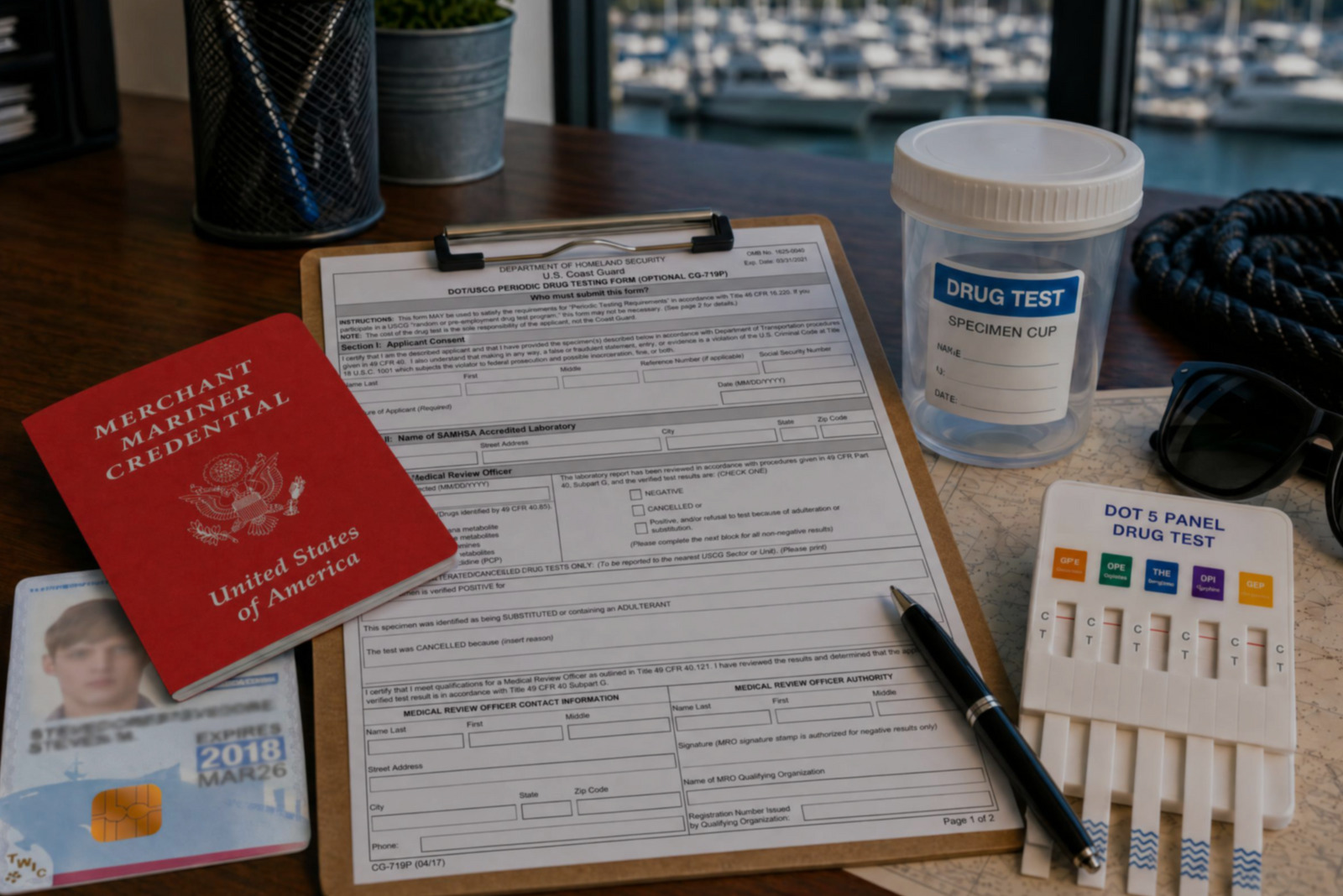

Discover the three types of drug tests working captains must submit to even after they’ve met the initial USCG drug testing requirements for their license.
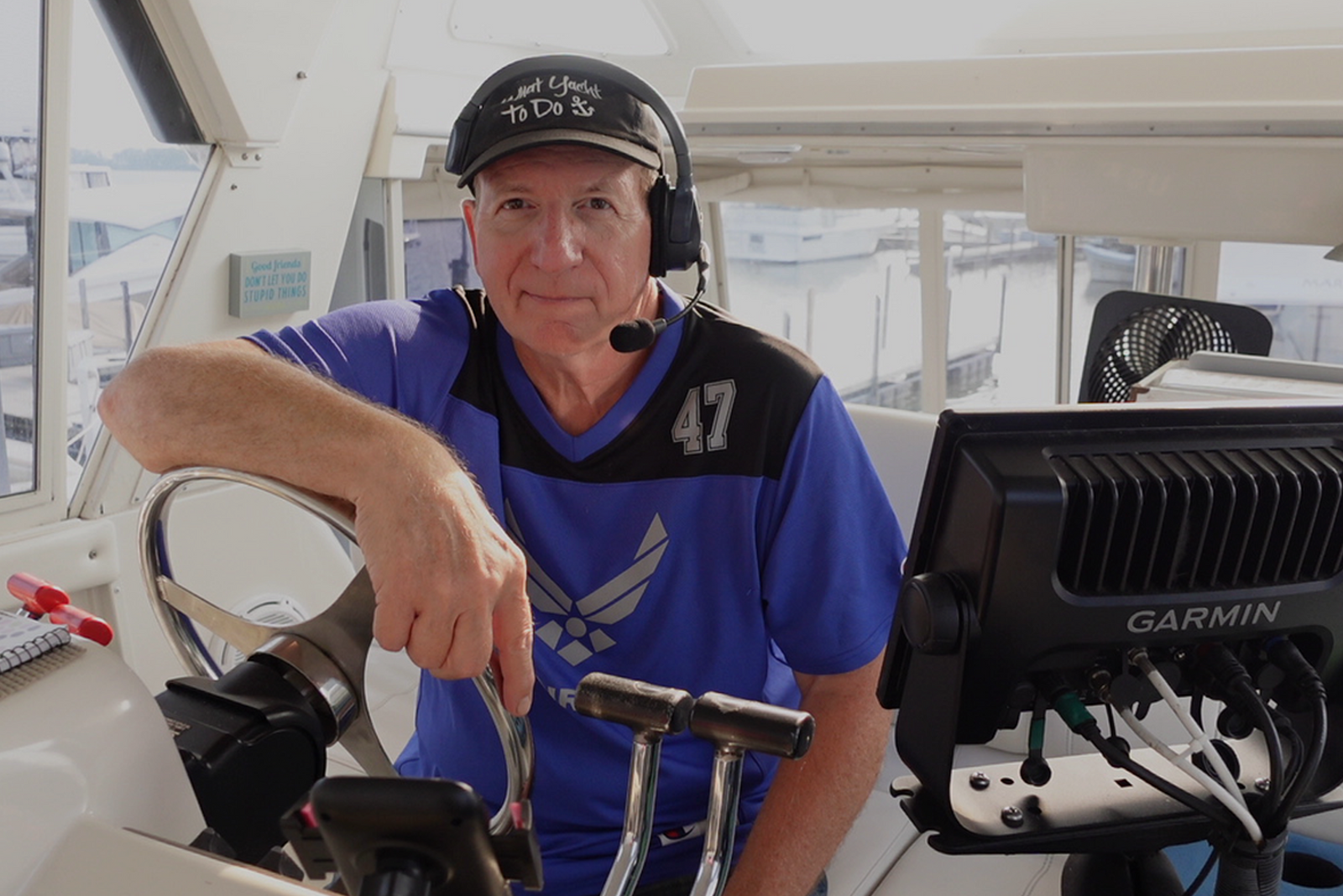

Discover how a retired airline pilot became obsessed with the Great Loop and built a thriving captain training business through Mariners Learning System.


Learn which substances the MMC drug test looks for, plus how masking agents and false positives factor in.


Discover the five most common mistakes mariners make on the captain’s license physical, plus a checklist for how to avoid them.
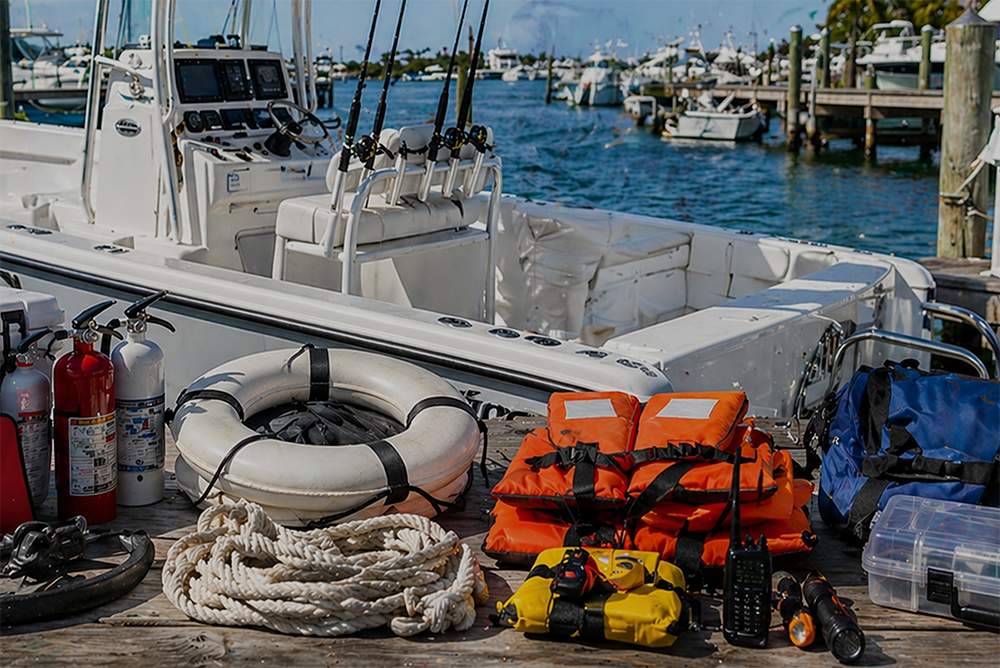

Discover why so many charter captains run out of money and how to plan every startup cost from your vessel purchase to guest-ready outfitting.

Learn how to build a charter business plan that covers pricing, expenses, and marketing so your captain’s license leads to lasting profit.

Transform how you talk about price with proven anchoring strategies and value-first framing that stops charter guests from shopping around.

Discover how charter captains use hybrid pricing models and seasonal adjustments to increase revenue and simplify bookings for every guest type.