

Meet Navi: Your 24/7 AI Instructor Inside the MLS Classroom
Unlock 24/7 access to Navi, an AI instructor trained on MLS course material, so you can ask questions, run practice quizzes, and nail your captain’s exam.
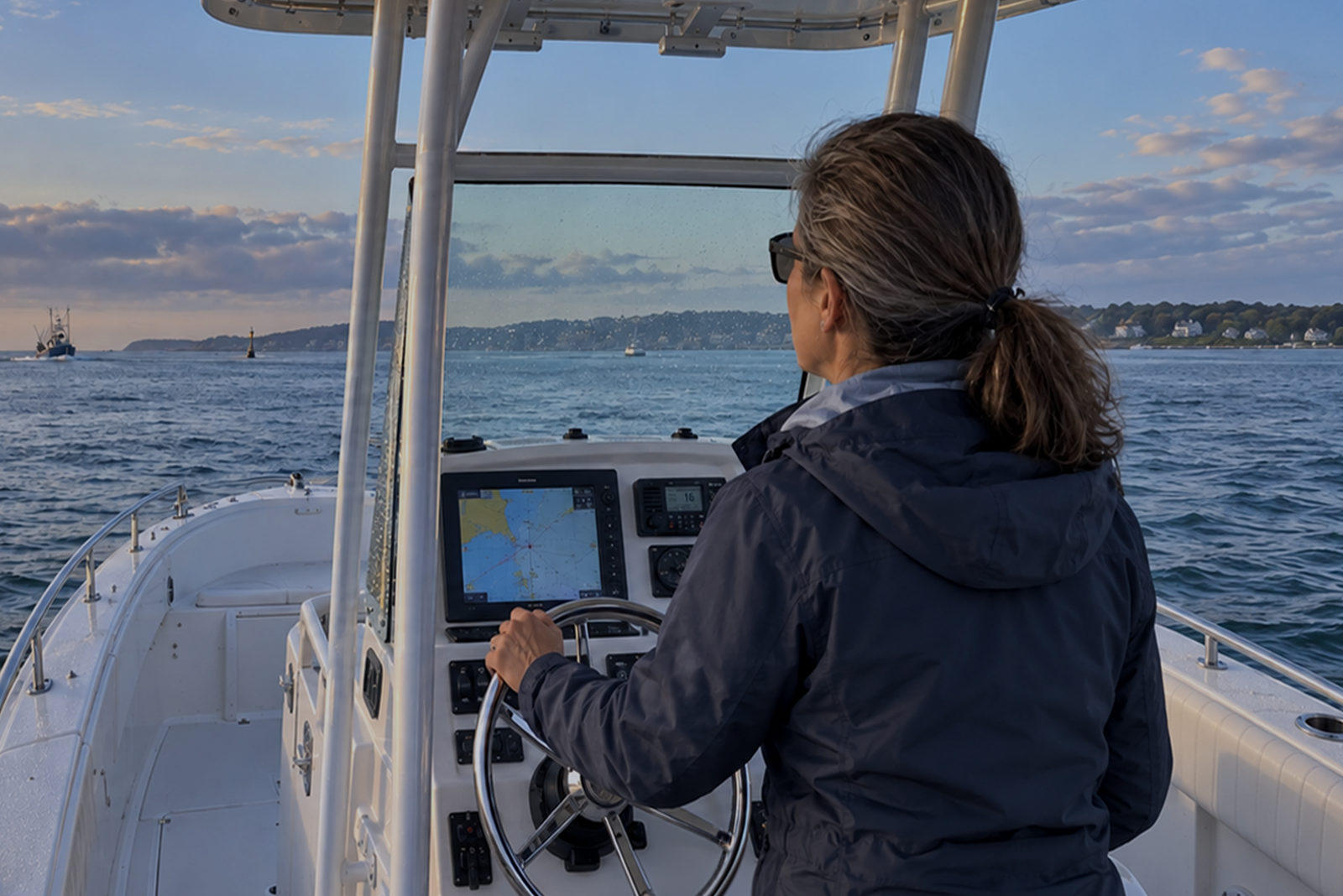

Your captain’s license expires after five years. To renew, you need 360 days of documented sea service in the past five years, or you can complete an approved refresher course in place of that time. You’ll also need a current physical exam, a drug test, and your application paperwork.
Your captain’s license has a five-year shelf life. When that expiration date gets close, the renewal process catches a lot of people off guard, especially the sea service requirement.
Most captains we work with are recreational boaters. They got their license for the knowledge and the confidence, not because they’re running a charter every weekend. For them, accumulating 360 days of time on the water in five years isn’t always realistic.
The good news: the U.S. Coast Guard (USCG) built an alternative into the renewal process. Here’s what you need to know.
The USCG requires licensed captains to prove they’re still competent to operate a vessel before it will reissue a Merchant Mariner Credential (MMC), the federal document behind your captain’s license. Under 46 CFR 10.227, a federal regulation governing credential renewal, you have four options to satisfy the professional requirement for renewal:
|
Renewal Path |
What It Involves |
Best For |
|
Sea Service |
360 days (one year) on the water in the past five years, documented on CG-719S |
Captains who boat regularly |
|
Approved Refresher Course |
Complete a USCG-approved Deck License Renewal course and pass the exam |
Captains with less than 360 days |
|
Open-Book Exercise |
Pass a renewal exercise issued by a Regional Exam Center (REC) |
Captains near an REC who prefer a self-study test |
|
Related Employment |
Three years of employment closely related to vessel operation in the past five years, plus a Rules of the Road exercise |
Captains in marine industry roles |
If you don’t have 360 days of sea service, the refresher course is a straightforward alternative. The course covers Rules of the Road, Deck Safety, and Deck General. It takes most people about 12 hours to complete, and when you pass, you receive a Certificate of Completion that the Coast Guard accepts in place of the sea time.
If your license includes a Sailing Endorsement or Towing Endorsement, the MLS Deck License Renewal course covers those endorsements as well.
Yes. The 360-day requirement under 46 CFR 10.227 applies to both OUPV/Six-Pack and Master captain’s license renewals. The distinction is in the type of credential, not the renewal path.
The sea service or refresher course handles the professional competency piece. But the Coast Guard also needs to verify your identity, medical fitness, and drug-test status before it will reissue your MMC. Here’s the full checklist:
Complete the application form. File CG-719B, the Application for Merchant Mariner Credential. This is the same form used for original applications, but you’ll mark it as a renewal. Every checkbox matters; a single blank field can send your packet back.
Pass a physical exam. A licensed physician, physician’s assistant, or nurse practitioner completes CG-719K, the Application for Medical Certificate. The physical is valid for 12 months from the date it’s signed, so time it near the end of your renewal preparation.
Pass a DOT drug test. You need to pass a Department of Transportation (DOT) 5-panel drug test, a federal five-substance urine screen. Results are valid for 185 days under 46 CFR 16.220, so this is the tightest deadline in your renewal packet. If you’re enrolled in a DOT-approved random drug testing program, you can submit proof of enrollment instead of a new test. You’ll need to confirm you haven’t refused any tests and have passed all tests during enrollment.
Submit a TWIC card. A Transportation Worker Identification Credential (TWIC) card is required for your renewal application. It doesn’t need to be currently valid for renewal purposes unless your duties require access to secure maritime areas. You can submit a copy of an expired TWIC or a TWIC exemption memo.
Pay the renewal fee. The Coast Guard charges fees for credential renewal. Current fees include $50 for officer evaluation and $45 for MMC issuance, paid through Pay.gov.
No. CPR and first aid certifications are not required for deck license renewal. If you’re working commercially, you’ll want to keep them current for practical and employer purposes, but the Coast Guard won’t hold up your renewal for expired cards.
Your MMC is valid for five years. Under 46 CFR 10.227(b), you can renew at any time during its validity and for one year after it expires. That one-year window after expiration is the grace period, and it’s your safety net if life gets in the way of a timely renewal.
You can’t use your license commercially during the grace period, but you don’t lose it. All the same renewal requirements apply; you just have an extra year to get them done.
If you can’t renew even within the grace period because of a medical issue, a medication conflict, or some other temporary obstacle, the Coast Guard offers a Document of Continuity. A Document of Continuity doesn’t expire and preserves your eligibility to renew later. It doesn’t let you operate commercially, but it keeps your credential alive.
You’d likely need to retake the full OUPV or Master course and exams, essentially starting the licensing process over. Don’t let it get to that point.
After helping more than 200,000 students through the licensing process, we’ve seen the same errors come up repeatedly during renewals:
Waiting too long to schedule the drug test. The 185-day window is the tightest deadline in your packet. Time it close to when you plan to submit, not months in advance.
Assuming any drug testing facility will work. Call ahead and ask specifically for DOT testing with MRO review. If they seem unsure, keep looking.
Using an outdated CG-719K form. The physical exam form has a version date in the upper right corner. Download the latest version from the Mariners Learning System website right before your appointment, not months in advance.
Submitting an incomplete CG-719B. Check every page, every checkbox, every signature line before you submit. A single missing field puts your packet in the wrong pile at the NMC.

The course typically takes about 12 hours to complete. It covers Rules of the Road and Deck General/Safety in two modules, each with a 50-question exam requiring a 90% passing score.
Yes. You can renew at any time during your credential’s validity under 46 CFR 10.227. The Coast Guard recommends applying eight months before the expiration date, which gives enough time to gather documents and handle any issues.
Any new convictions since your last application need to be disclosed on CG-719C, the Disclosure Statement for Convictions. If nothing has changed, provide a signed memo stating you have no updates. The Coast Guard reviews convictions under 46 CFR 10.211 using assessment periods that vary by offense type.
You worked hard to earn your captain’s license. Don’t let an expiration date or a gap in sea time take it from you. The Coast Guard built alternatives into the renewal process for exactly this situation.
Whether you need a refresher course, help with your application paperwork, or just want someone to answer a question, the team at Mariners Learning System is here to help. We’ve guided more than 200,000 students through this process, and we’re not going to let paperwork be the reason you don’t get your license.

Regulations change. This article reflects USCG requirements as of the verification date above. For the most current guidance, contact the NMC at 1-888-IASKNMC (427-5662) or visit the National Maritime Center.
Ask a question, share an experience, or add a helpful tip related to this article. Comments may appear after review to prevent spam.
Unlock 24/7 access to Navi, an AI instructor trained on MLS course material, so you can ask questions, run practice quizzes, and nail your captain’s exam.


Learn what questions to ask and how to prepare for a captain’s license drug test to ensure you avoid the most common application delays.
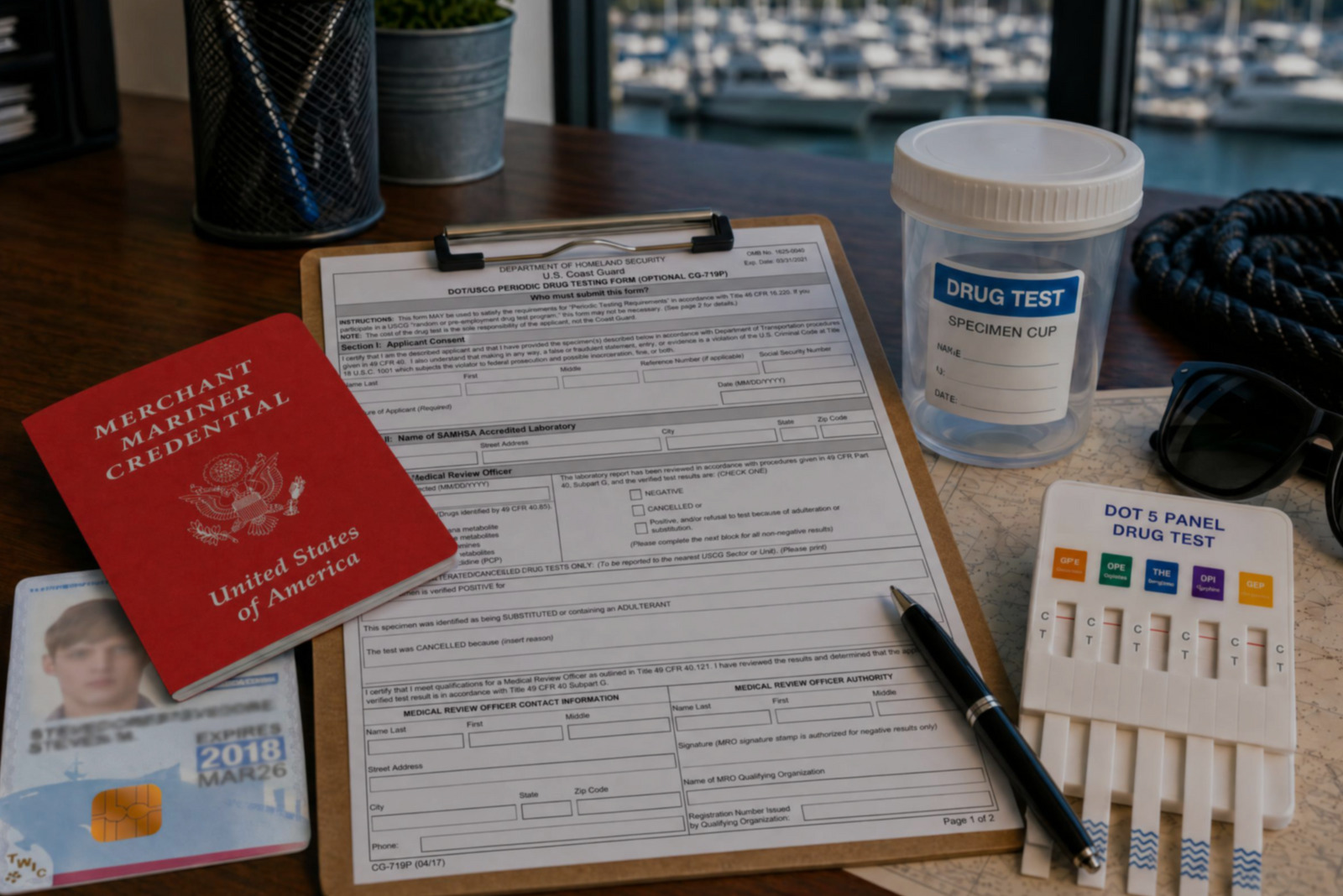

Discover the three types of drug tests working captains must submit to even after they’ve met the initial USCG drug testing requirements for their license.
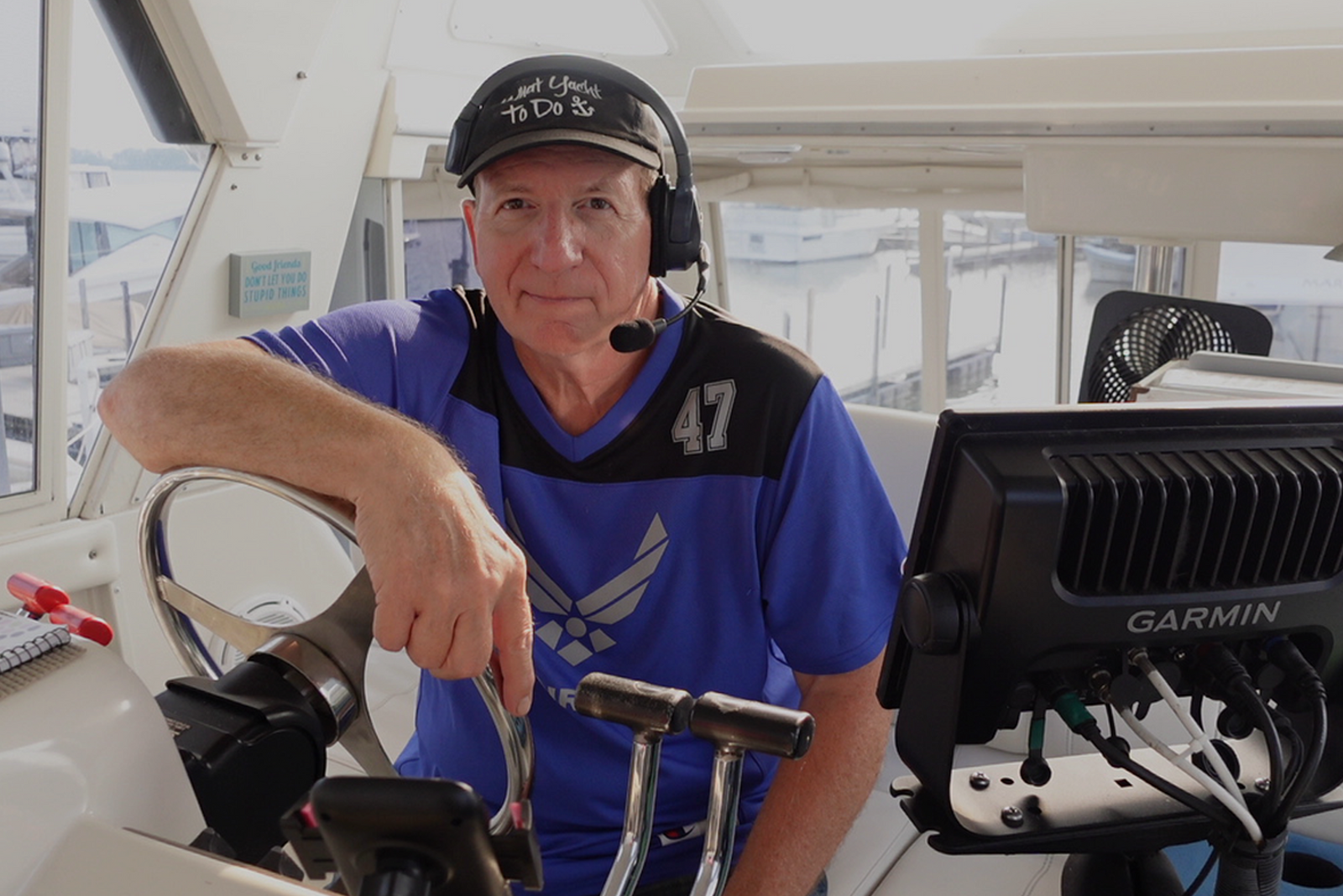

Discover how a retired airline pilot became obsessed with the Great Loop and built a thriving captain training business through Mariners Learning System.


Learn which substances the MMC drug test looks for, plus how masking agents and false positives factor in.


Discover the five most common mistakes mariners make on the captain’s license physical, plus a checklist for how to avoid them.
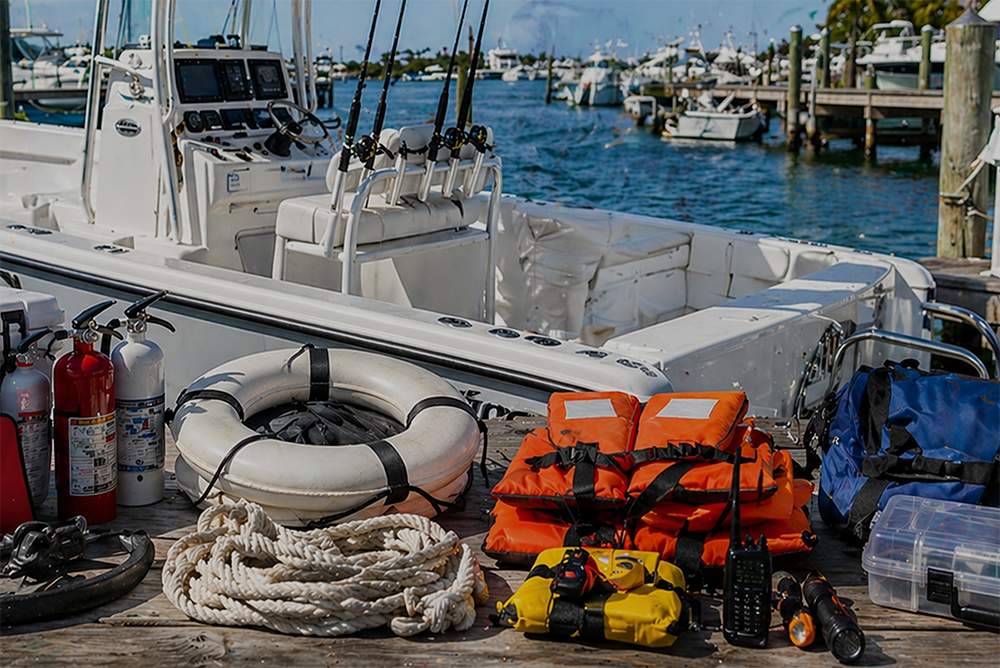

Discover why so many charter captains run out of money and how to plan every startup cost from your vessel purchase to guest-ready outfitting.
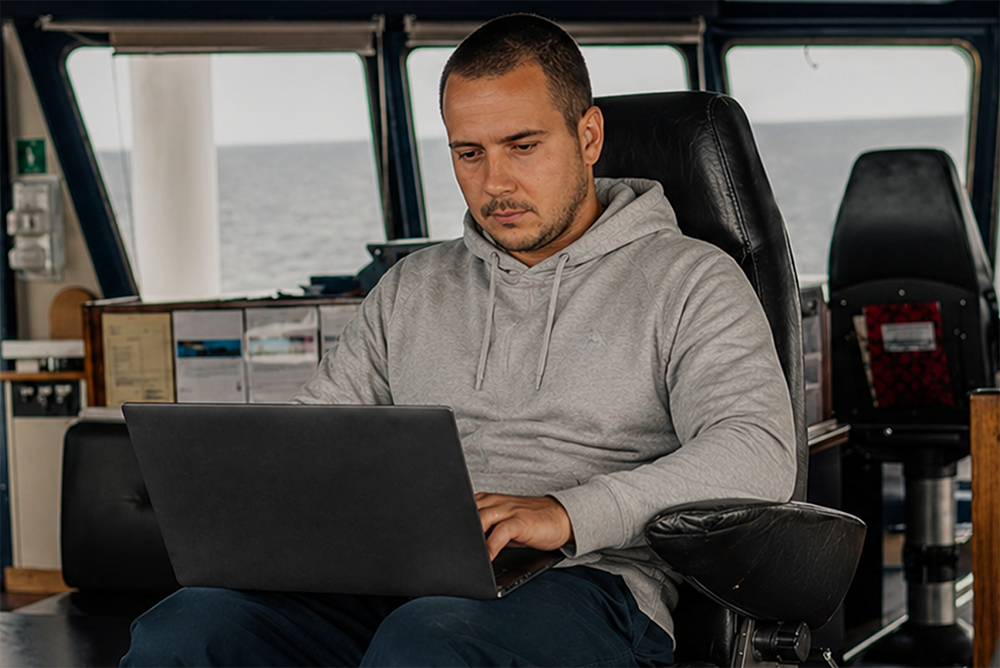

Learn how to build a charter business plan that covers pricing, expenses, and marketing so your captain’s license leads to lasting profit.


Transform how you talk about price with proven anchoring strategies and value-first framing that stops charter guests from shopping around.


Discover how charter captains use hybrid pricing models and seasonal adjustments to increase revenue and simplify bookings for every guest type.