

Meet Navi: Your 24/7 AI Instructor Inside the MLS Classroom
Unlock 24/7 access to Navi, an AI instructor trained on MLS course material, so you can ask questions, run practice quizzes, and nail your captain’s exam.
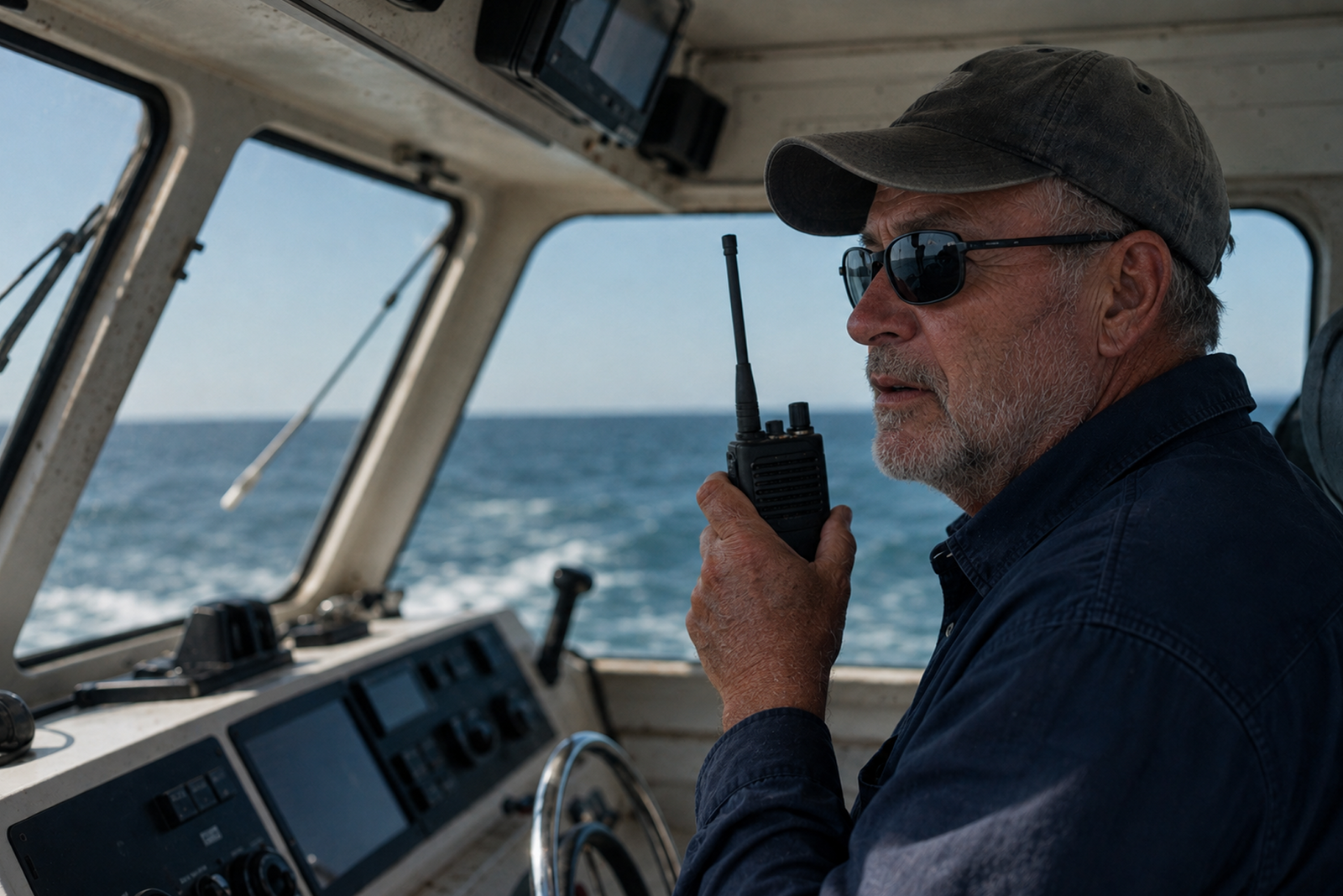

The General Radiotelephone Operator License (GROL), designated PG by the Federal Communications Commission (FCC), is required for anyone who adjusts, maintains, or internally repairs FCC-licensed radiotelephone transmitters in aviation, maritime, and international fixed public radio services. You earn it by passing FCC Element 1 and Element 3 exams. The license is valid for the holder’s lifetime.
If you’ve already earned your captain’s license, or you work in maritime communications, the GROL is the credential that authorizes you to operate and service high-power radio equipment aboard ships and aircraft. It also grants all the operating authority of the Marine Radio Operator Permit (MROP/MP), the entry-level FCC radio license most merchant mariners start with.
At Mariners Learning System, we offer both the GROL exam and the MROP course and exam. This guide covers what the GROL is, who needs it, and how to earn it.
GROL stands for General Radiotelephone Operator License. The PG is the FCC’s operator class code for this credential. It replaced the older First and Second Class Radiotelephone Operator Licenses and is one of the most commonly issued FCC commercial radio licenses.
The GROL authorizes two categories of work. First, it covers the adjustment, maintenance, and internal repair of FCC-licensed radiotelephone transmitters. Second, it conveys full operating authority, including all the operating authority the Marine Radio Operator Permit (MROP) covers.
A GROL is specifically required for operating any compulsorily equipped ship radiotelephone station with more than 1,500 watts of peak envelope power. It’s also required for voluntarily equipped ships and aeronautical stations with more than 1,000 watts of peak envelope power.
The GROL includes all MROP operating authority, plus the ability to service and repair transmitters, making it the more versatile credential. If you only need to operate a marine radio, the MROP is sufficient. If you work on the equipment itself, or operate high-power systems, you need the GROL.

If you’re working toward the MROP first, that’s a solid path. The Element 1 exam you pass for the MROP counts toward the GROL, so you won’t retake it.
You’d only add Element 3 to complete the GROL. Learn more about FCC license requirements.
To earn the GROL, you must pass two written FCC exams: Element 1 and Element 3. There are no formal education prerequisites, no sea time requirements, and no age minimum. You need to be a legal U.S. resident (or otherwise eligible for employment in the United States) and able to send and receive spoken messages in English.
Element 1 covers basic radio law and operating practice. It consists of 24 multiple-choice questions, and you need at least 18 correct answers to pass (75%).
Element 3 covers general radiotelephone topics: electronic fundamentals, circuits, signals, emissions, antennas, radar principles, and the techniques required to adjust, repair, and maintain radio transmitters and receivers. The exam consists of 100 multiple-choice questions, and you need at least 75 correct to pass (75%).
Both exams have a two-hour time limit. You can take them through an FCC-approved exam provider (called COLEMs) like Mariners Learning System. Results are typically available within three to five business days.
For specifics on the FCC application process, see our step-by-step guide.
Once you pass both elements, Mariners Learning System electronically files your FCC exam results on your behalf. After receiving the necessary documents from you, we submit your application to the FCC. We do not charge a fee to submit on your behalf. It’s included!
Once paid, you can print your license through the FCC’s portal within about 10 days. The FCC issuance fee and process are the same across all FCC commercial radio operator licenses.
If you want to install, service, and maintain radar systems on board vessels, you can add the Ship Radar Endorsement to your GROL by passing FCC Element 8. This endorsement is available only to GROL holders (and holders of the GMDSS Maintainer’s License and the Radiotelegraph License). The Ship Radar Endorsement can be attached to PG, DM, DB, T, T1, or T2. It’s a valuable add-on for mariners working on vessels with complex navigation and communications suites.
Learn more about the FCC online testing process.
Not necessarily. The MROP covers basic marine radio operation for most commercial vessels. You need the GROL only if you’ll operate equipment above 1,500 watts PEP, work on aviation radios, or perform internal repairs on FCC-licensed transmitters.
Check the FCC online testing requirements for the additional exam you’d need to pass.
Mariners Learning System offers a printed GROL Practice Test Book containing the full bank of current FCC Element 1 and Element 3 questions with answers. We don’t currently offer an online course for Element 3, but the practice book covers all testable content.
You can also take the Element 1 online course (MROP) and then purchase the Element 3 exam separately. Visit the 605 Main Form guide for details on the FCC application paperwork.
The GROL doesn’t expire, which makes it one of the most efficient professional credentials you can earn. Pass Element 1 and Element 3 once, and the license is yours for life. For mariners and aviation professionals who work with radio equipment, it’s the standard credential that opens the door to higher-responsibility positions.
If you have questions about the GROL or any other FCC license, the team at Mariners Learning System can help. Print and manage your FCC license through the FCC’s online portal once you’re approved.

Ask a question, share an experience, or add a helpful tip related to this article. Comments may appear after review to prevent spam.
Unlock 24/7 access to Navi, an AI instructor trained on MLS course material, so you can ask questions, run practice quizzes, and nail your captain’s exam.


Learn what questions to ask and how to prepare for a captain’s license drug test to ensure you avoid the most common application delays.
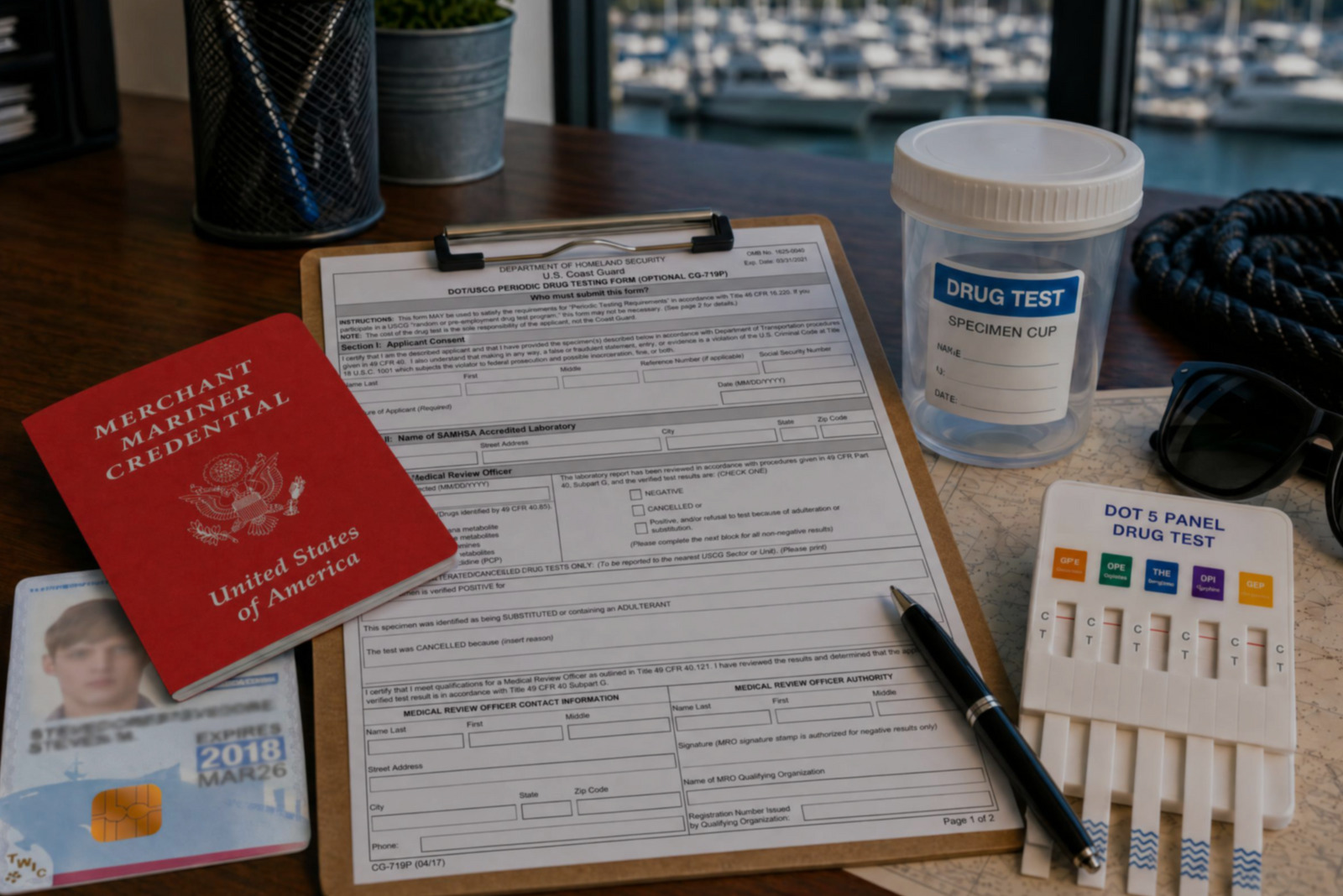

Discover the three types of drug tests working captains must submit to even after they’ve met the initial USCG drug testing requirements for their license.
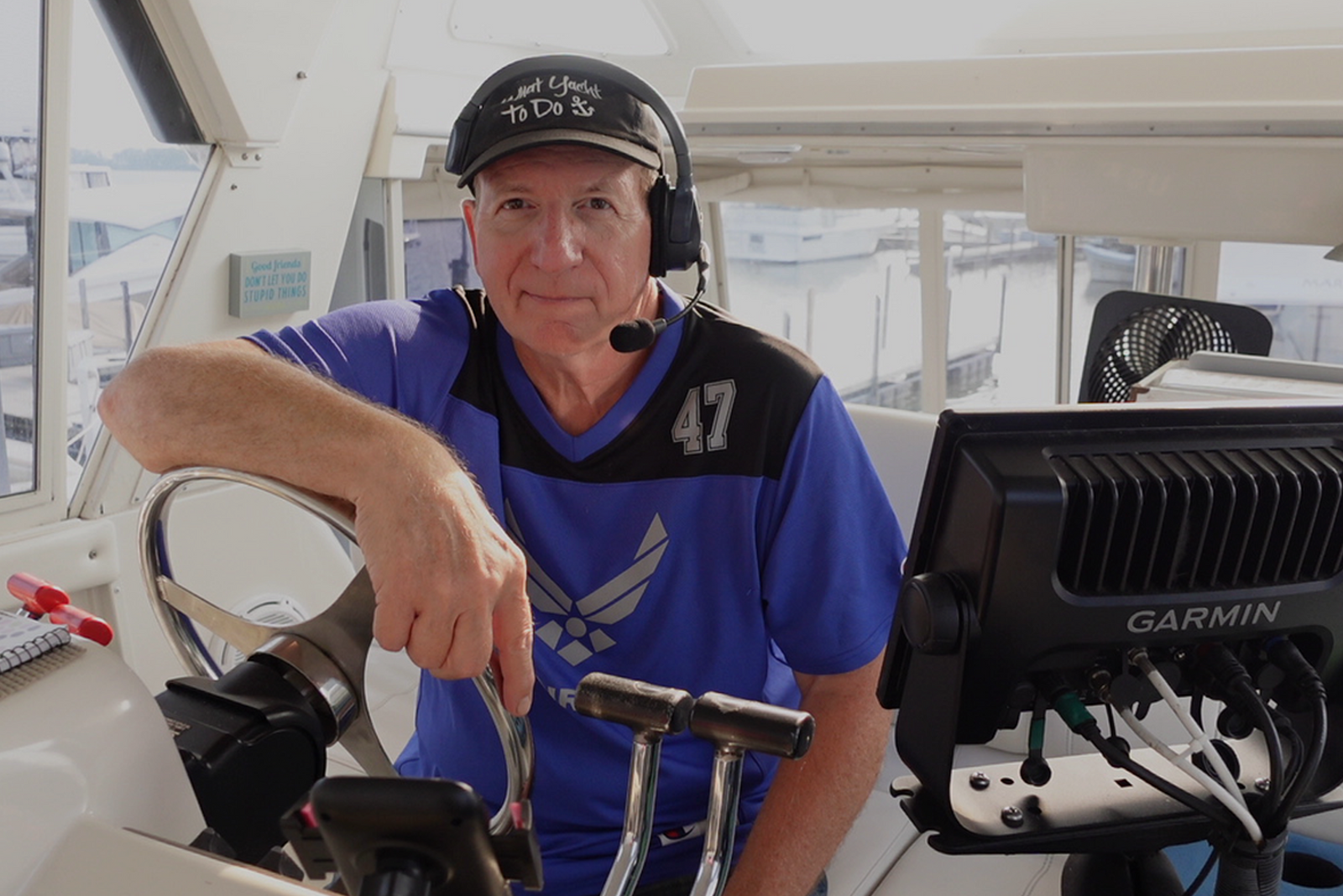

Discover how a retired airline pilot became obsessed with the Great Loop and built a thriving captain training business through Mariners Learning System.

Learn which substances the MMC drug test looks for, plus how masking agents and false positives factor in.


Discover the five most common mistakes mariners make on the captain’s license physical, plus a checklist for how to avoid them.

Discover why so many charter captains run out of money and how to plan every startup cost from your vessel purchase to guest-ready outfitting.

Learn how to build a charter business plan that covers pricing, expenses, and marketing so your captain’s license leads to lasting profit.

Transform how you talk about price with proven anchoring strategies and value-first framing that stops charter guests from shopping around.

Discover how charter captains use hybrid pricing models and seasonal adjustments to increase revenue and simplify bookings for every guest type.