

Meet Navi: Your 24/7 AI Instructor Inside the MLS Classroom
Unlock 24/7 access to Navi, an AI instructor trained on MLS course material, so you can ask questions, run practice quizzes, and nail your captain’s exam.
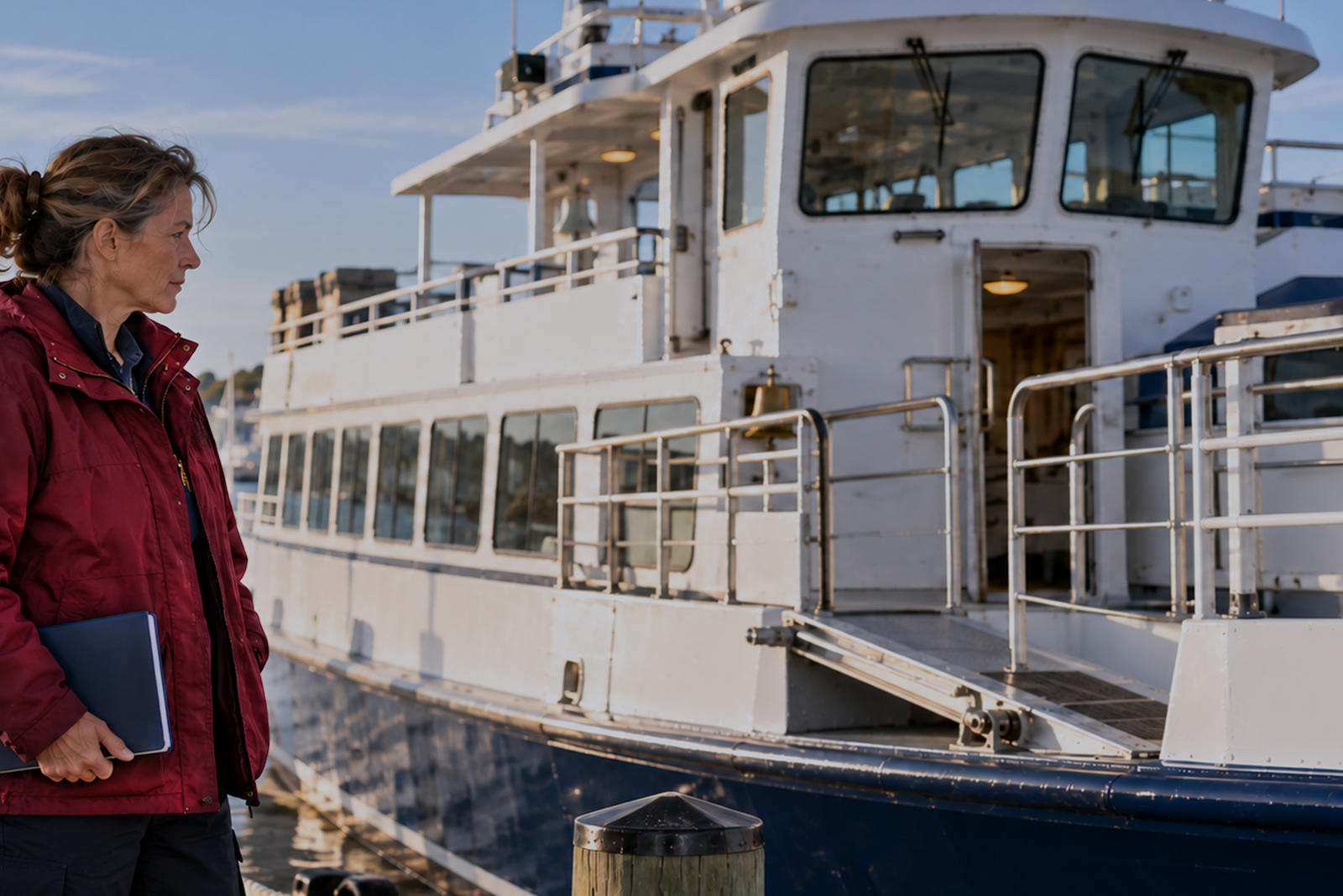

The Master’s Upgrade exam is a single closed-book module of 70 multiple-choice questions with a 70% passing threshold (you can miss up to 21). It covers Deck General topics, including firefighting, ship business, survival at sea, and trim and stability. The average student takes around 30 to 45 minutes to finish.
If you already hold an OUPV/Six-Pack captain’s license and you’re looking to raise your credential to a 25/50/100-Ton Master captain’s license, the upgrade path is more direct than most people expect. You don’t start from scratch, and you don’t retake your OUPV exam. (Many testers are relieved that they don’t have to redo the Chart Plotting or Rules of the Road segments!)
You take one additional exam module, the Master’s Upgrade, and submit an updated application packet to the Coast Guard.
That said, the exam isn’t a formality. It covers material that goes beyond the OUPV curriculum. Here’s what to expect.
The Master’s Upgrade is a single exam module that picks up where your OUPV training left off. It covers topics specific to operating larger, inspected vessels carrying seven or more paying passengers. The subjects include firefighting procedures, ship business and law, survival at sea, trim and stability, and environmental protection, all areas that apply once you’re responsible for an inspected vessel and its increase in passengers.
This content matters because a Master license carries different operational responsibilities than an OUPV. You’re accountable for vessel inspection compliance, fire safety systems, stability calculations, and emergency procedures at a different scale. The exam tests whether you understand those differences.
If you’re curious about the broader differences between the two license types, our breakdown of which license type fits your goals walks through the details.
The full 25/50/100-Ton Master exam (for someone who doesn’t already hold an OUPV) has five modules: Rules of the Road, Chart Plotting, Navigation General, Deck General, and the Master’s Upgrade. Since you’ve already passed the first four as part of your OUPV, you only take the fifth.

The exam is one module, 70 multiple-choice questions. You need 70% to pass, which means you can get up to 21 questions wrong and still clear the threshold.
|
Exam Detail |
Master’s Upgrade Module |
|
Number of Questions |
70 |
|
Question Format |
Multiple choice |
|
Passing Score |
70% (49 correct) |
|
Maximum Wrong |
21 |
|
Open Book? |
No, closed book |
|
Average Completion Time |
30 to 45 minutes |
|
Testing Format (MLS) |
Online, proctored, on demand |
Compare that to the OUPV modules you’ve already passed: Rules of the Road and Chart Plotting require 90%, while Navigation General and Deck General require 70%. The Master’s Upgrade sits at the 70% tier.
For a broader look at how hard the captain’s license exam is, including what makes each module challenging, we’ve got a separate guide.
The material is different, not necessarily harder. The OUPV exam tests navigation, chart plotting, and rules of the road, areas most students already have hands-on experience with.
Most students find the OUPV exam more difficult because of the Chart Plotting and Rules of the Road segments. Most of them have no experience plotting on a physical paper chart. Plus, those two topics require a 90% score to pass.
The Master’s Upgrade covers regulatory and operational topics (trim, stability, firefighting systems) that may be less familiar. Students who study the course material don’t find the passing threshold difficult to reach.
At Mariners Learning System, the Master’s Upgrade exam is included in the OUPV/Six-Pack Upgrade to Master course at $375. The course is self-paced, 100% online, and designed as a 24-hour curriculum, though the average student completes it in 10 to 15 hours. When you’re ready, you take the proctored exam online through your MLS account. No trip to a Coast Guard Regional Exam Center is necessary.
You have one year from enrollment to finish the course and pass the final exam. After passing, we issue a Certificate of Completion recognized by the U.S. Coast Guard (USCG).
You then submit that certificate along with your application packet, and the Coast Guard processes your credential upgrade. No surprise fees. The exam is included in the course price.
You can retake the exam for no additional fee within one year. MLS provides access to the course material for a full year, so you can review the areas where you fell short and try again when you’re ready.
Passing the exam is one piece. You’ll also need to meet the sea service requirements for the Master upgrade when you submit your application.
For a Master Inland license, the NMC checklist requires 360 days of sea service since age 16. For a Master Near Coastal license, the requirement is 720 days, with at least 360 on near-coastal or ocean waters.
At least 90 of those days must have occurred within the last seven years, per a September 2025 USCG policy letter that extended the previous three-year recency window. If you have the minimum required time to earn your OUPV, then at minimum (at least in terms of boating experience), you will qualify for the 25-Ton Master’s Inland. If you’re not sure where you stand, check our guide on how much sea time you need and how to document it on Form CG-719S.
The tonnage stamped on your Master credential (25, 50, or 100 tons) depends on the tonnage of the vessels you’ve served on. If you’ve operated 32- to 34-foot center consoles, for example, you’re likely looking at a 25- or 50-ton license.
Once you pass the Master’s Upgrade exam, the remaining steps mirror a standard license application. You’ll submit your Certificate of Completion (from us), start your application process online with the NAVITA portal, potentially submit additional sea time if you have it, and pay an application fee. The NAVITA portal should provide a checklist showing what documents you need to upload for this application.
Submit your complete packet to the National Maritime Center (NMC) within one year of passing the exam. The NMC reviews the application and, once approved, mails your upgraded credential. Processing times vary, but having a clean, error-free packet is the single best way to avoid delays.
If you already hold your OUPV/Six-Pack, you’ve done the hardest part. The Master’s Upgrade adds one exam module, one course, and an updated application. For many licensed captains, it’s the difference between a six-passenger limit and the ability to operate inspected vessels carrying seven or more.
If you have questions about the upgrade process or want to check whether your sea time qualifies, the team at Mariners Learning System is here to help. We’ve guided more than 200,000 students through this process, and we’re not going to let paperwork be the reason you don’t get your license.

Ask a question, share an experience, or add a helpful tip related to this article. Comments may appear after review to prevent spam.
Unlock 24/7 access to Navi, an AI instructor trained on MLS course material, so you can ask questions, run practice quizzes, and nail your captain’s exam.


Learn what questions to ask and how to prepare for a captain’s license drug test to ensure you avoid the most common application delays.
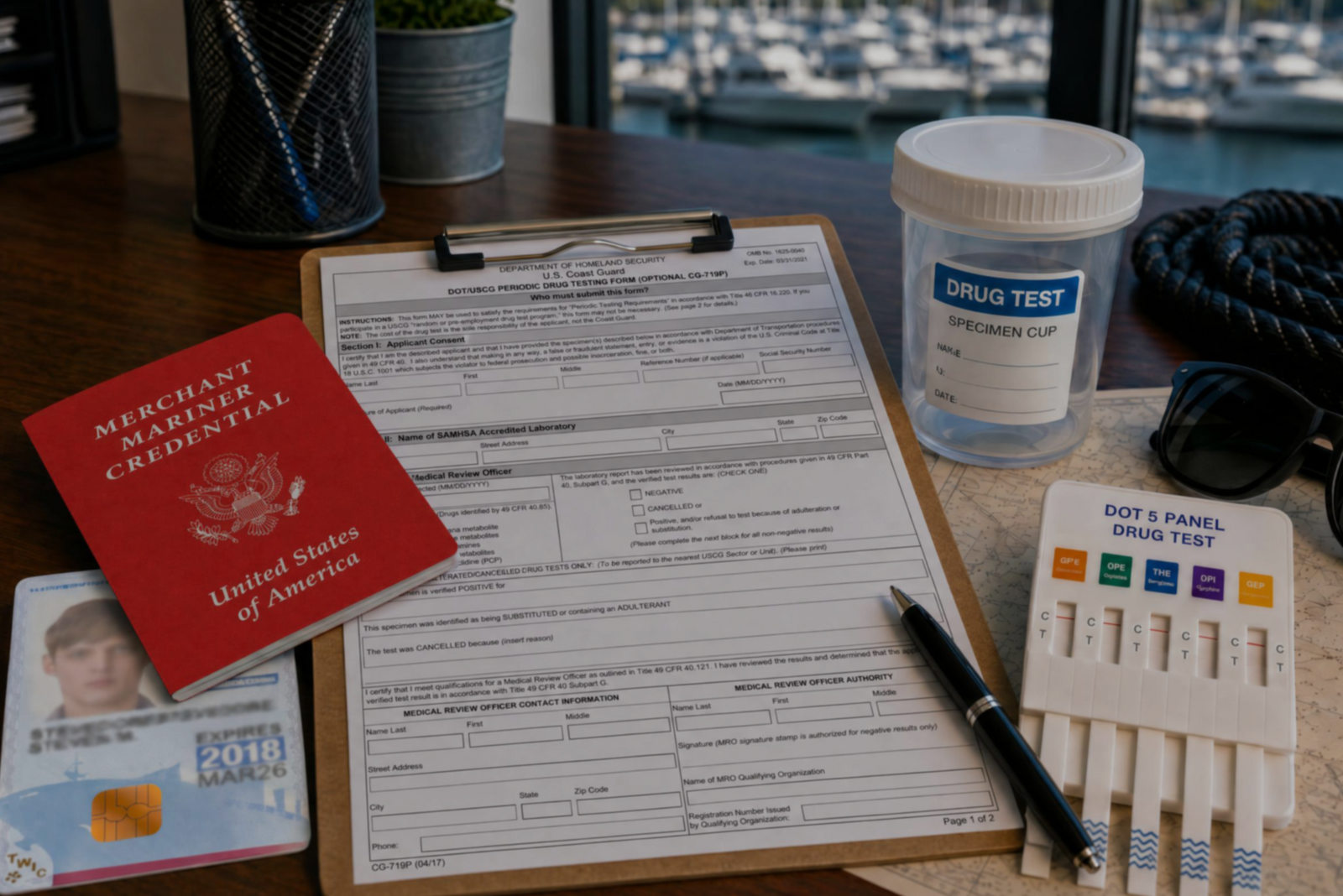

Discover the three types of drug tests working captains must submit to even after they’ve met the initial USCG drug testing requirements for their license.
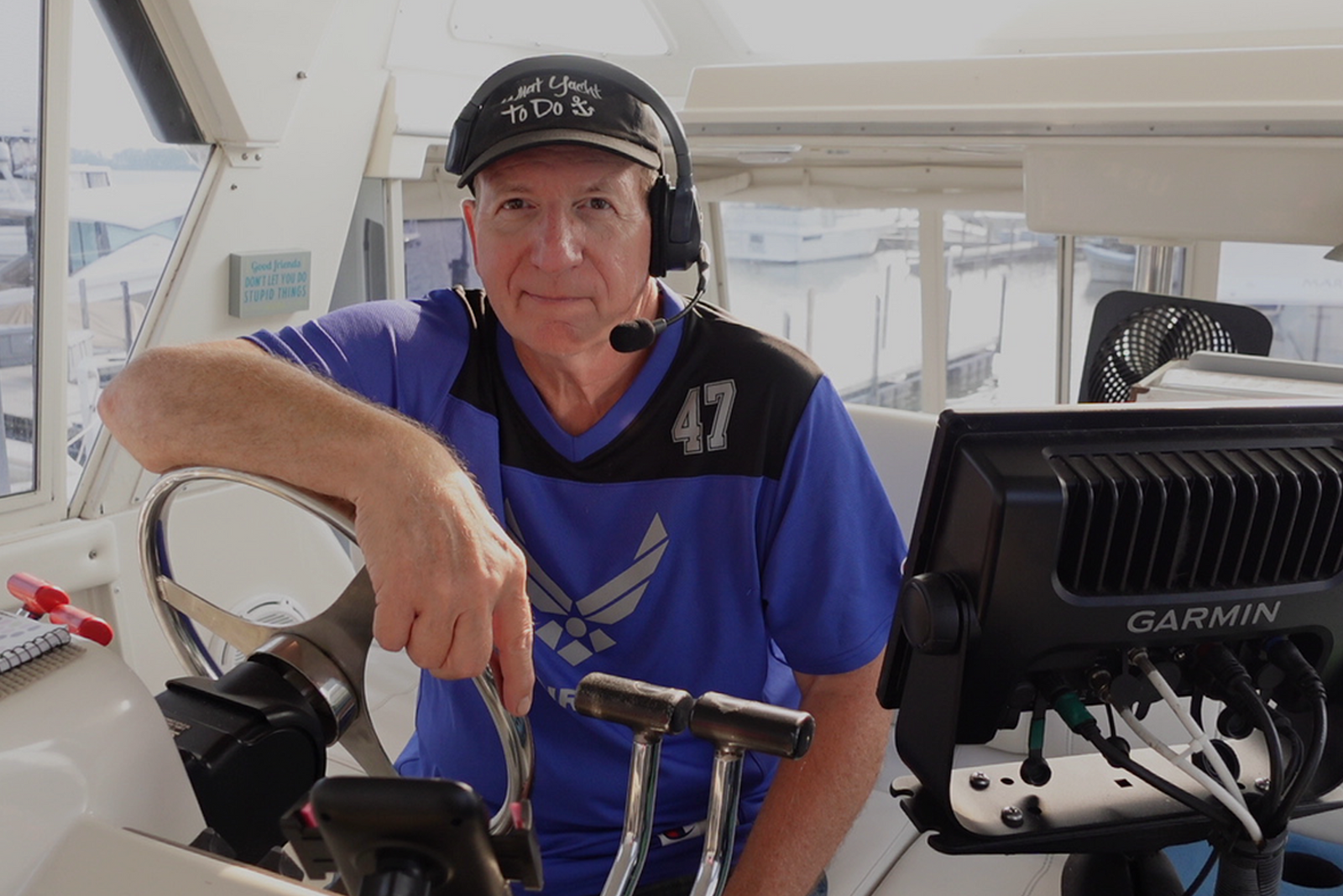

Discover how a retired airline pilot became obsessed with the Great Loop and built a thriving captain training business through Mariners Learning System.


Learn which substances the MMC drug test looks for, plus how masking agents and false positives factor in.


Discover the five most common mistakes mariners make on the captain’s license physical, plus a checklist for how to avoid them.

Discover why so many charter captains run out of money and how to plan every startup cost from your vessel purchase to guest-ready outfitting.

Learn how to build a charter business plan that covers pricing, expenses, and marketing so your captain’s license leads to lasting profit.

Transform how you talk about price with proven anchoring strategies and value-first framing that stops charter guests from shopping around.

Discover how charter captains use hybrid pricing models and seasonal adjustments to increase revenue and simplify bookings for every guest type.