

Meet Navi: Your 24/7 AI Instructor Inside the MLS Classroom
Unlock 24/7 access to Navi, an AI instructor trained on MLS course material, so you can ask questions, run practice quizzes, and nail your captain’s exam.
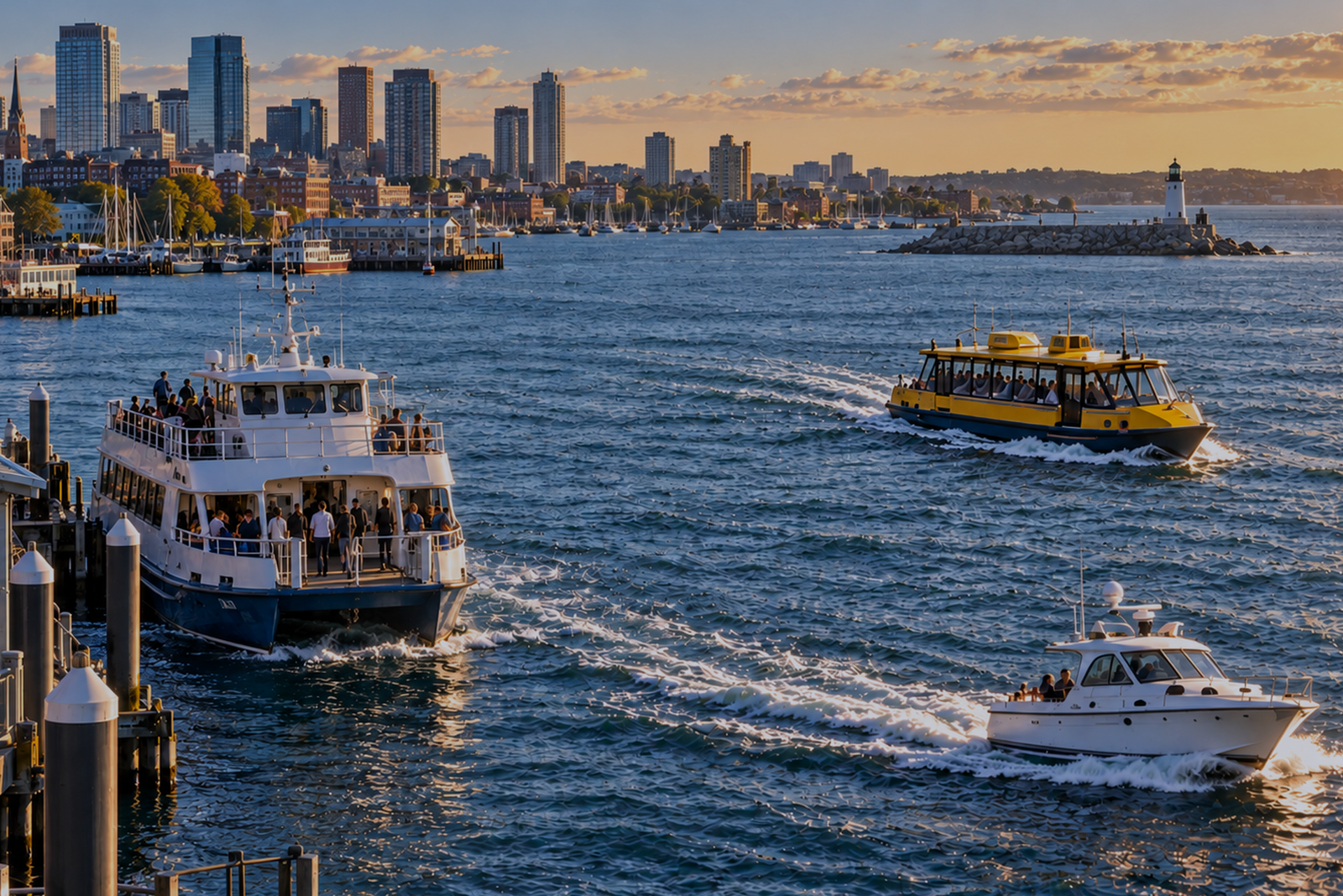

The Master captain’s license, issued by the U.S. Coast Guard (USCG), authorizes you to operate inspected vessels up to their qualifying tonnage (either 20, 50, or 100 tons) carrying more than six paying passengers and uninspected vessels with up to 100 gross tons carrying up to six paying passengers. It opens career paths in ferry operations, dinner cruises, whale watching, water taxis, yacht delivery, dive boats, and more.
The OUPV/Six-Pack license gets most of our students started. It’s the right credential for small charters, fishing trips, and personal knowledge. But if you’re thinking about a career on the water, or if you want access to the bigger operations, the Master captain’s license is where the real opportunities live.
The difference between six passengers and seven is the difference between a side gig and a full-time business. Here’s what that looks like in practice.
The Master captain’s license gives you everything the OUPV/Six-Pack gives you, plus more. The OUPV/Six-Pack authorizes you to operate uninspected vessels (most recreational boats) up to 100 gross tons, power and sail, with up to six paying passengers. The Master captain’s license includes all of those OUPV capabilities and adds the authority to operate inspected vessels, which are vessels built for commercial purposes and issued a Certificate of Inspection (COI) by the Coast Guard.
On an inspected vessel, you can carry as many paying passengers as that vessel’s COI allows, up to the tonnage your Master license qualifies you for. One important distinction: The Master license covers power vessels only. If you want to operate inspected sailing vessels, you’ll need a Sailing Endorsement added to your Master license.
|
Feature |
OUPV/Six-Pack |
25/50/100-Ton Master |
|
Uninspected Vessels |
Yes, up to 100 gross tons, power and sail |
Yes (includes full OUPV authority) |
|
Inspected Vessels |
No |
Yes, power only (Sailing Endorsement required for sail) |
|
Maximum Paying Passengers |
6 |
6 on uninspected; up to vessel’s COI limit on inspected |
|
Maximum Vessel Size |
100 gross tons |
25, 50, or 100 gross tons (based on sea time) |
|
Sea Time Required |
360 days |
360 for Master’s Inland; 720 for Master’s Near-Coastal |
|
Typical Operations |
Fishing charters, small tours, eco tours |
All OUPV operations plus ferries, dinner cruises, water taxis, dive boats |
|
Course Cost at MLS |
$695 |
$895 |
If you want to captain any of these inspected vessels, the Master captain’s license is the credential you need.
Yes. If you meet the requirements for the Master level, you can earn your Master captain’s license as your first credential. Many of our students who already have enough boating experience do exactly this.
See our breakdown of Master captain’s license requirements for details.

The Master captain’s license opens the door to a wide range of maritime careers that the OUPV can’t touch. Here are the most common paths our students pursue:
Ferry captain. Municipal and private ferry systems need licensed Master captains to transport passengers on fixed routes. Ferry operations run year-round in most port cities, offering steady, predictable employment with benefits.
Dinner cruise and event boat captain. Companies like City Cruises, Hornblower, and local dinner-cruise operators hire Master captains to command large passenger vessels for dining, corporate events, and private charters. These positions often pay well and include tips.
Water taxi captain. In harbor cities, water taxis provide on-demand passenger service across waterways. These jobs are common in markets like New York, Boston, San Francisco, Chicago, and Miami.
Whale watching and eco tour captain. Tour boat companies that carry more than six passengers need Master captains. These are popular seasonal operations in coastal areas with strong tourism.
Dive boat captain. Commercial dive operations that take groups of seven or more require a Master captain at the helm. Popular in Florida, Hawaii, and the Caribbean.
Yacht and vessel delivery captain. Moving boats from one port to another for owners, brokerages, and boat shows. Delivery captains with a Master license can handle larger vessels and command higher daily rates.
Head boat (party boat) fishing captain. Large fishing vessels that sell individual tickets rather than chartering the whole boat need a Master captain because they carry more than six paying passengers.
For more on the variety of opportunities available, see our full guide on what you can do with a captain’s license.
Salaries vary by region, operation type, and experience level. Here’s what current data shows:
|
Career Path |
Typical Compensation |
|
Water Taxi Captain |
$33,500–$63,500 per year |
|
Delivery Captain |
$150–$500+ per day, plus expenses |
|
Dinner Cruise Captain |
$70–$125 per hour, plus tips |
|
Entry-Level Full-Time Captain |
$38,610–$55,272 per year |
|
Experienced Master Captain (National Average) |
$36,000–$86,000 per year |
Master captain salaries depend on your experience, your geographic market, and whether you work for a company or run your own business. Captains who build their own charter operations often earn more than salaried positions because they set their own rates, but they also carry the costs and risks of business ownership.
The entry-level numbers climb quickly with experience. A captain running a busy dinner cruise or ferry route in a major metropolitan area can earn well into six figures.
For captains planning to work full-time on the water, the math is straightforward. The Master captain’s license course costs $895 at Mariners, including the exam and application support. Even at the entry-level salary of $45,000+ per year, the course cost is a small fraction of one year’s income.
The requirements for a Master captain’s license come down to sea time, citizenship, and the standard application packet every captain submits:
Sea time: Minimum is 360 days since 16 years old with 90 in the last seven years for recency. Higher scopes, like the Near Coastal, require additional time. The National Maritime Center (NMC), the office that reviews mariner applications, will verify your sea time documentation.
Citizenship: U.S. citizenship is required for all Master endorsements under 46 CFR 10.221.
Application packet: A physical exam on form CG-719K, a DOT 5-panel drug test (a federal five-substance drug screen), a TWIC card, and the completed application forms.
Course and exam: The Mariners Master captain’s license course covers all five exam modules. The exam is closed-book and proctored online through Mariners. No trip to a Coast Guard exam center needed.
If you already hold an OUPV/Six-Pack and have accumulated enough sea time, you can upgrade to a Master through the MLS upgrade course for $375.
Yes. About 80% of Mariners students earn their license for personal knowledge and safety rather than immediate commercial use. The credential doesn’t require you to operate commercially. It gives you the option to put the license to work whenever the right opportunity comes along.
The tonnage level is based on your documented sea time. More sea time on larger vessels qualifies you for a higher tonnage. All three levels authorize inspected-vessel operations with more than six passengers; the tonnage determines the maximum size of the vessel you can command.
See how the 25/50/100-ton Master license works for a full breakdown.
It depends on your intended operations. If you plan to tow vessels for hire, you’ll need a Towing Endorsement. If you plan to operate inspected sailing vessels with seven or more passengers, you’ll need a Sailing Endorsement. These endorsements are added to your existing Master license.
The Master captain’s license is valid for five years from the date of issue. Renewal requires documented sea time (or a refresher course), a current physical, and a passing drug test.
The Master captain’s license doesn’t just authorize you to carry more passengers. It opens the categories of maritime work where the real money and career stability live. Ferries run year-round. Dinner cruises book months ahead. Water taxi services in major cities are growing. Every one of those operations needs a licensed Master at the helm.
If you’re weighing whether to start with the OUPV or go straight to the Master, the answer depends on your sea time and your goals. Our guide on choosing the right license type can help. From crew to captain and any place in between, we have a course that’s right for you.
If you have questions about the Master captain’s license or any part of the application process, the team at Mariners Learning System is here to help. We’ve guided more than 200,000 students through this process, and we’re not going to let paperwork be the reason you don’t get your license.

Sources
Disclaimer: Salary figures are based on third-party aggregated data and vary by region, employer, and experience. USCG regulations change. Confirm current requirements with the National Maritime Center or a Mariners licensing specialist before applying.
Ask a question, share an experience, or add a helpful tip related to this article. Comments may appear after review to prevent spam.
Unlock 24/7 access to Navi, an AI instructor trained on MLS course material, so you can ask questions, run practice quizzes, and nail your captain’s exam.


Learn what questions to ask and how to prepare for a captain’s license drug test to ensure you avoid the most common application delays.
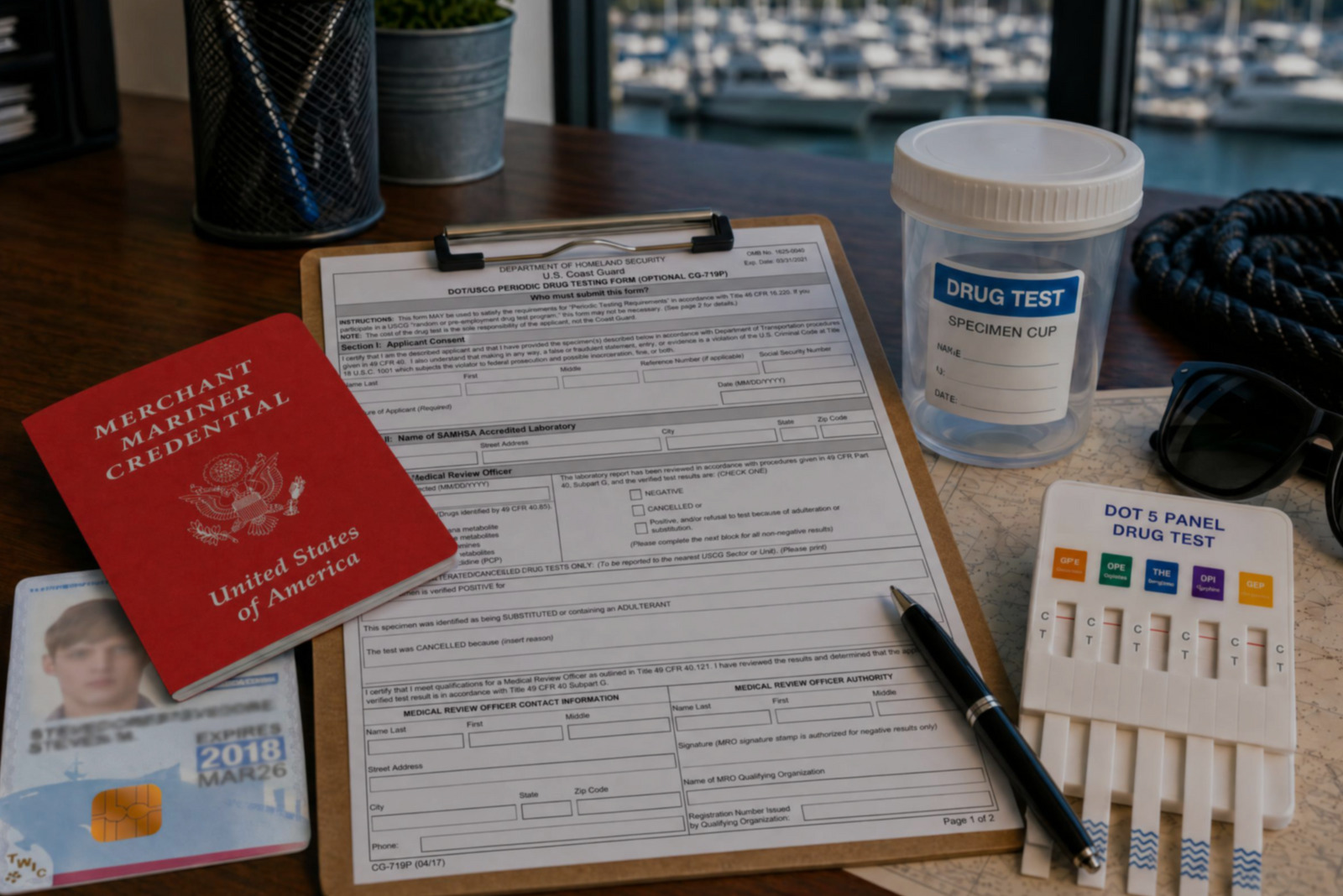

Discover the three types of drug tests working captains must submit to even after they’ve met the initial USCG drug testing requirements for their license.
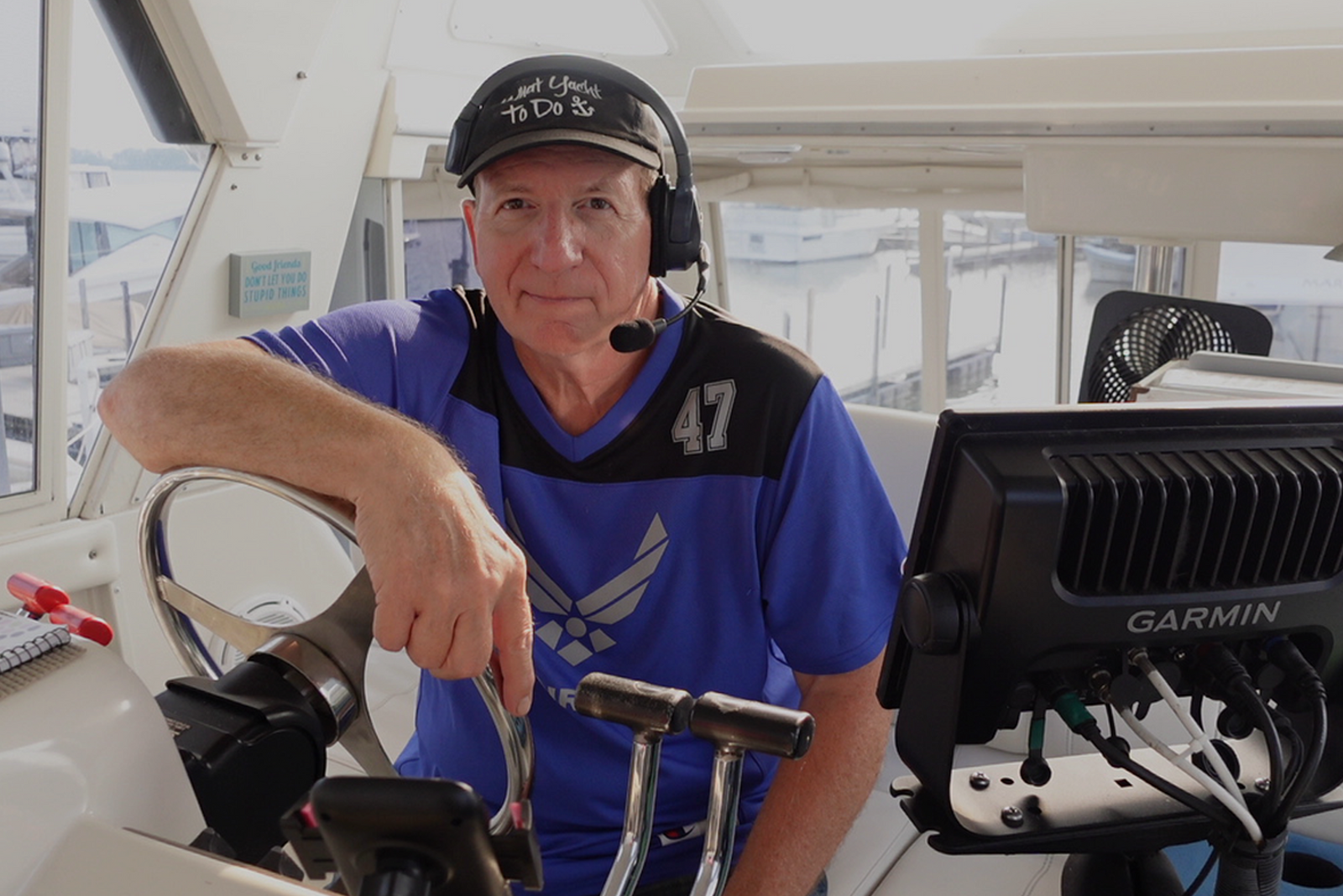

Discover how a retired airline pilot became obsessed with the Great Loop and built a thriving captain training business through Mariners Learning System.


Learn which substances the MMC drug test looks for, plus how masking agents and false positives factor in.


Discover the five most common mistakes mariners make on the captain’s license physical, plus a checklist for how to avoid them.
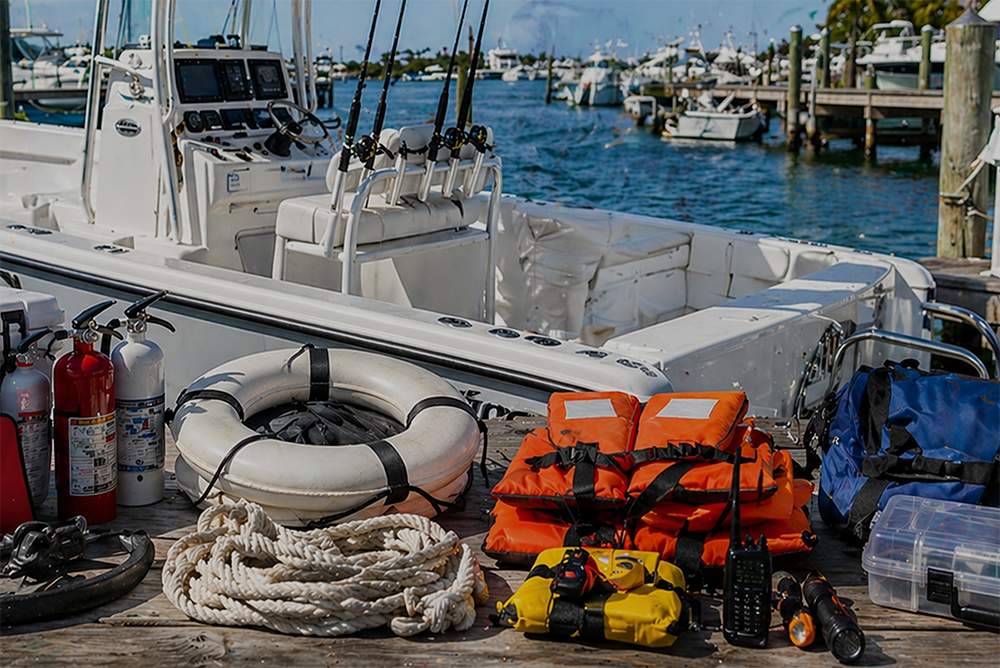

Discover why so many charter captains run out of money and how to plan every startup cost from your vessel purchase to guest-ready outfitting.

Learn how to build a charter business plan that covers pricing, expenses, and marketing so your captain’s license leads to lasting profit.

Transform how you talk about price with proven anchoring strategies and value-first framing that stops charter guests from shopping around.

Discover how charter captains use hybrid pricing models and seasonal adjustments to increase revenue and simplify bookings for every guest type.