

Meet Navi: Your 24/7 AI Instructor Inside the MLS Classroom
Unlock 24/7 access to Navi, an AI instructor trained on MLS course material, so you can ask questions, run practice quizzes, and nail your captain’s exam.
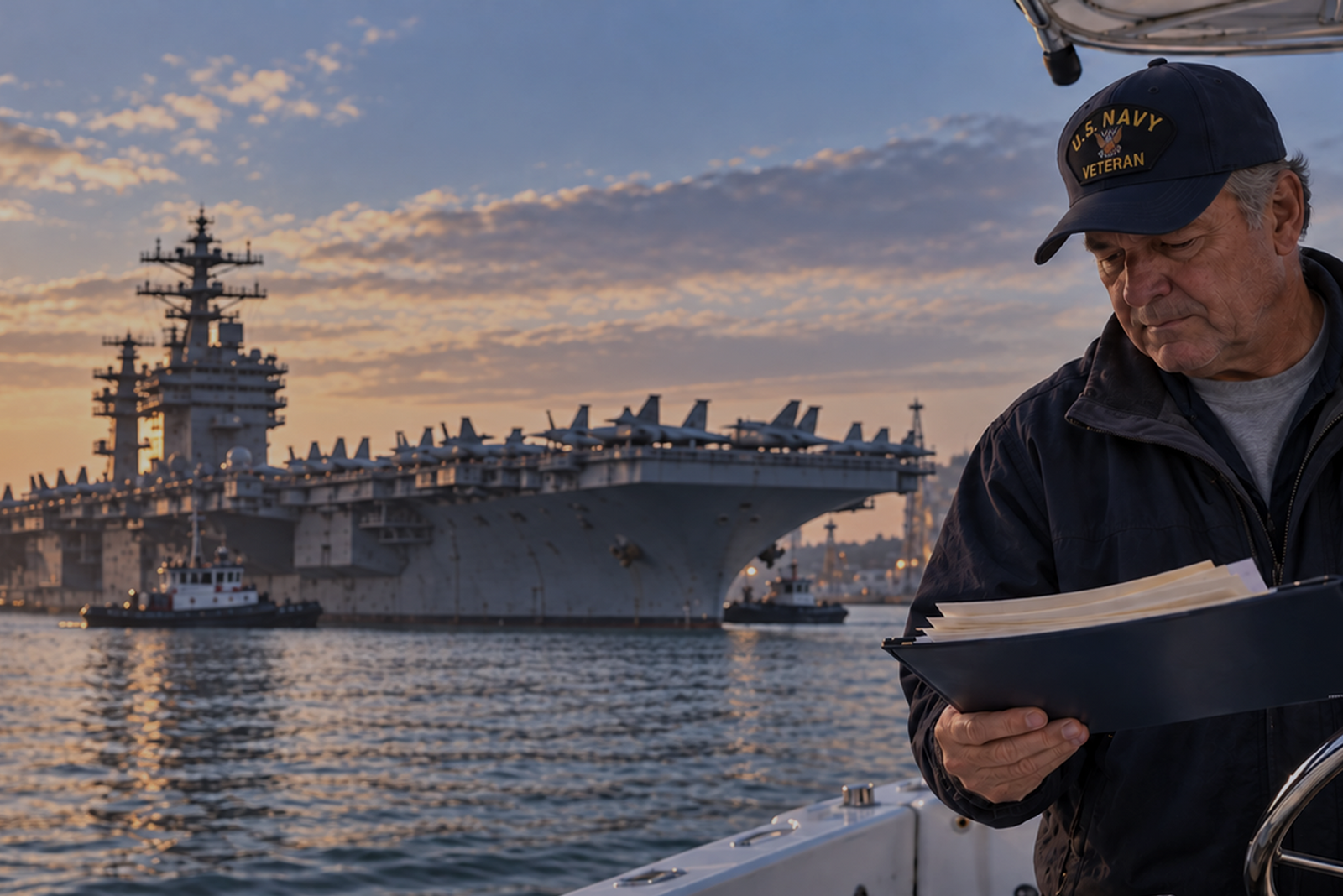

Military sea service can count toward the 360 days of boating experience required for a captain’s license, but only at 60% credit per qualifying day. Your duties must have directly involved vessel operation and navigation, and a DD Form 214 alone won’t be enough to prove it. You’ll need an official military sea service transcript, a certified history of assignments, or a certified statement of creditable service.
I’m a Navy guy myself. I served on the aircraft carrier USS Midway, and we were deployed most of the time, always at sea on one of the most forward-deployed vessels in the fleet. You’d think all that sea time would count toward a captain’s license, right?
Wrong. I was an electronics technician fixing jets on the flight deck. My time on the water was real, but my duties didn’t involve operating or navigating the vessel. And that’s the distinction the Coast Guard cares about when it reviews your sea time documentation.
Here’s what veterans and active-duty military members need to know before counting military sea time toward a captain’s license.
The United States Coast Guard (USCG) credits military sea service at a rate of 60% per qualifying day. That means 100 days of qualifying military service earns you credit for 60 days toward your captain’s license.
This 60% rate applies across the Navy, Coast Guard, Army, Marines, and Air Force. The Coast Guard doesn’t give bonus credit to its own members or to any particular branch.
To earn credit, your time needs to meet two conditions:
|
Condition |
What It Means |
|
Qualifying Duties |
Your duties directly involved the operation and navigation of the vessel (helm, bridge watch, deck operations). |
|
Qualifying Vessel |
The vessel was a military ship, boat, or craft underway during your service. |
If your military role was in engineering, medical, supply, aviation, or another specialty that didn’t put you in the deck department or at the helm, that time won’t qualify. The 60% credit rule only applies to time spent in a role directly related to vessel operation, not simply time spent aboard a military vessel.
That’s the part that trips up a lot of military members. You can serve on an aircraft carrier for three years, but if your assigned duties kept you in the engine room or on the flight deck, the NMC (National Maritime Center, the office that processes mariner credential applications) won’t credit that time.
No. Coast Guard service is credited at the same 60% rate as every other branch. The relevant factor is your specific duties aboard the vessel, not the branch of service.

The Coast Guard evaluates each case individually, but roles that have historically qualified for sea service credit include:
Roles that typically don’t qualify include electronics technicians, aviation personnel, medical staff, supply and logistics, and engineering department positions that don’t involve deck-level vessel operation.
The gray area is large. If your duties occasionally included vessel operation but that wasn’t your primary assignment, the NMC will look at the specifics. Document every qualifying day and duty assignment you can, and be prepared for the NMC to ask questions.
For a deeper look at qualifying roles and what documentation to gather, check our guide on using military experience as sea service.
A DD Form 214 alone isn’t enough. The DD-214 confirms your military service, but it doesn’t break down your specific duties or time on vessels in the detail the Coast Guard needs.
You’ll need to provide at least one of the following:
Official transcript of military sea service. This is a formal record from your branch listing vessel assignments, dates aboard, and your capacity of service.
Certified history of assignments. A document showing your duty stations, vessel assignments, dates, and roles.
Certified statement of creditable sea service. A letter from your commanding officer or personnel records office certifying your qualifying sea time.
Contact your branch’s personnel records office early. Requesting military records can take weeks or months, depending on your branch and how far back the records go. Start this process as soon as you decide to pursue a captain’s license, not after you’ve finished your licensing course.
Yes. The Coast Guard allows you to combine qualifying military sea time (at the 60% credit rate) with civilian boating experience to reach the minimum 360-day requirement. Many veterans, active-duty military members, and reservists find they need supplemental civilian time to close the gap. You can build civilian sea service on your own boat, a friend’s boat, or through volunteer or paid crew work.
Because the 60% credit rate reduces your effective total, the raw numbers work differently than you might expect.
|
Days You Need (Credit) |
Military Days Required (at 60%) |
Civilian Days Required (at 100%) |
|
360 (Full Requirement) |
600 |
360 |
|
180 (Half Military, Half Civilian) |
300 military + 180 civilian |
N/A |
|
90 (Recency, Last Seven Years) |
150 military or 90 civilian |
90 |
The NMC checklist requires 360 days total, with 90 of those days in the last seven years. The three-year recency window applies to both military and civilian time.
For many veterans, accumulating civilian sea time is the simpler path. The documentation is straightforward: self-certify your own boat time, have a boat owner sign your CG-719S form, or get a letter from a charter company or marina. No 60% reduction, no records requests, no ambiguity about qualifying duties.
Time in port doesn’t count as sea service. Only time underway with qualifying duties counts. Transit time between ports can qualify if you were serving in a deck capacity during the transit.

If you have substantial qualifying military time, limited civilian boating experience, and clean records that clearly document your deck duties, pursuing military credit makes sense. If you can reasonably get 360 days of civilian sea time, that’s often the faster path to your license.
We work with a lot of military members at Mariners Learning System. Check our American Hero Fund for financial assistance available to active-duty military members, reservists, veterans, and first responders.
Yes, if you served in a capacity involving vessel operation. Army watercraft operators and Air Force personnel assigned to boats or marine units may have qualifying time. The branch doesn’t matter; the duties do.
Yes. Military sea time at the 60% credit rate can count toward both OUPV/Six-Pack and Master captain’s license requirements.
Processing times vary widely. Requests to the National Personnel Records Center (NPRC) can take months, especially for older records. Start the request early in your licensing process, not at the end.
Military experience on the water is real experience, and the Coast Guard recognizes it, even at 60% credit. The key is understanding which duties qualify, getting the right documentation, and making an honest assessment of whether military credit or civilian time is the faster route for your situation.
Whether you’re using military time, civilian time, or a combination of both, the team at Mariners Learning System is here to help you get your captain’s license. We’ve guided more than 200,000 students through this process, and we’re not going to let paperwork be the reason you don’t get your license.
Regulations change. This article reflects USCG requirements as of the verification date above. Military sea service credit evaluations are made on a case-by-case basis by the NMC. For the most current guidance, contact the NMC at 1-888-IASKNMC (427-5662) or visit the National Maritime Center.
Ask a question, share an experience, or add a helpful tip related to this article. Comments may appear after review to prevent spam.
Unlock 24/7 access to Navi, an AI instructor trained on MLS course material, so you can ask questions, run practice quizzes, and nail your captain’s exam.


Learn what questions to ask and how to prepare for a captain’s license drug test to ensure you avoid the most common application delays.
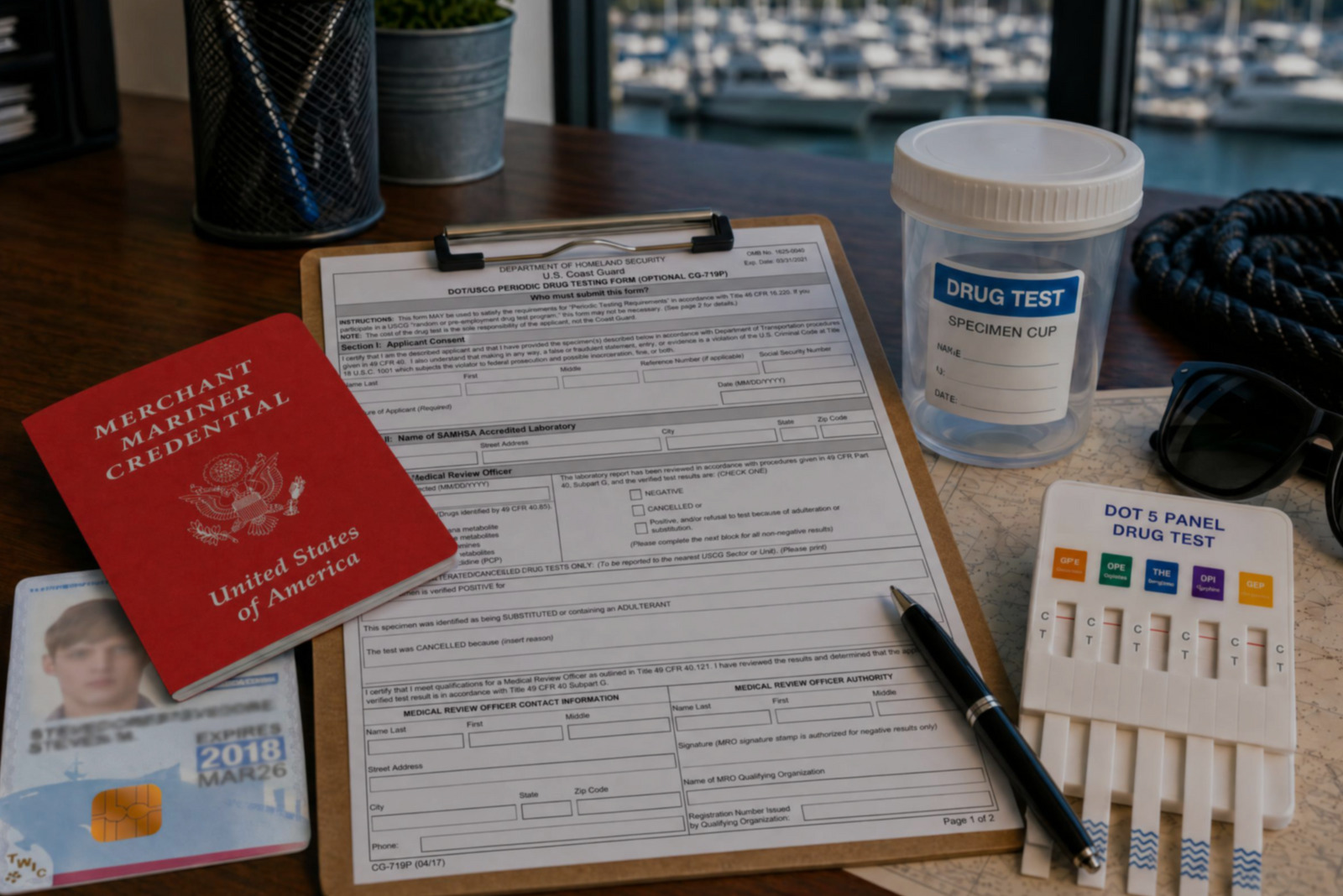

Discover the three types of drug tests working captains must submit to even after they’ve met the initial USCG drug testing requirements for their license.
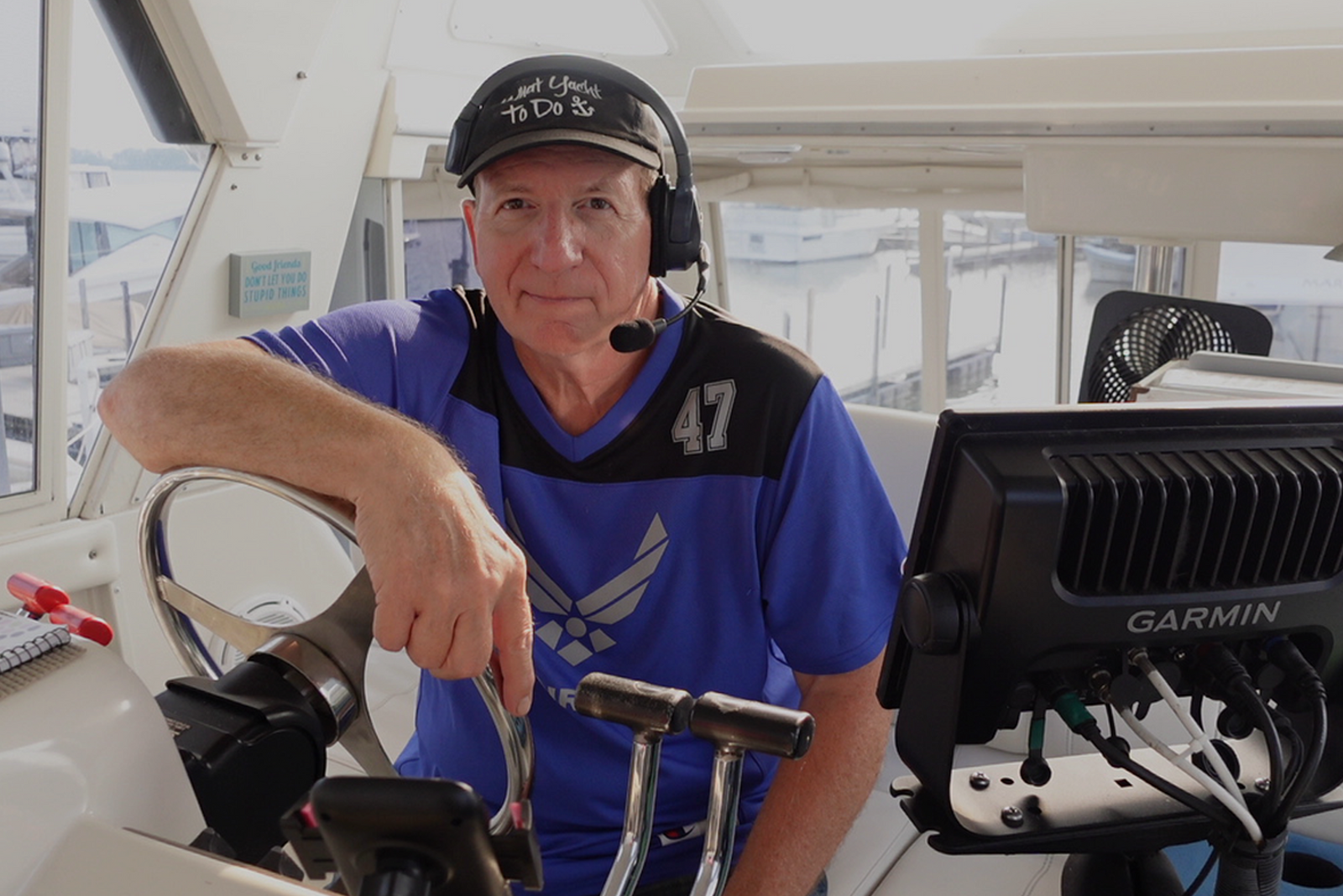

Discover how a retired airline pilot became obsessed with the Great Loop and built a thriving captain training business through Mariners Learning System.


Learn which substances the MMC drug test looks for, plus how masking agents and false positives factor in.


Discover the five most common mistakes mariners make on the captain’s license physical, plus a checklist for how to avoid them.
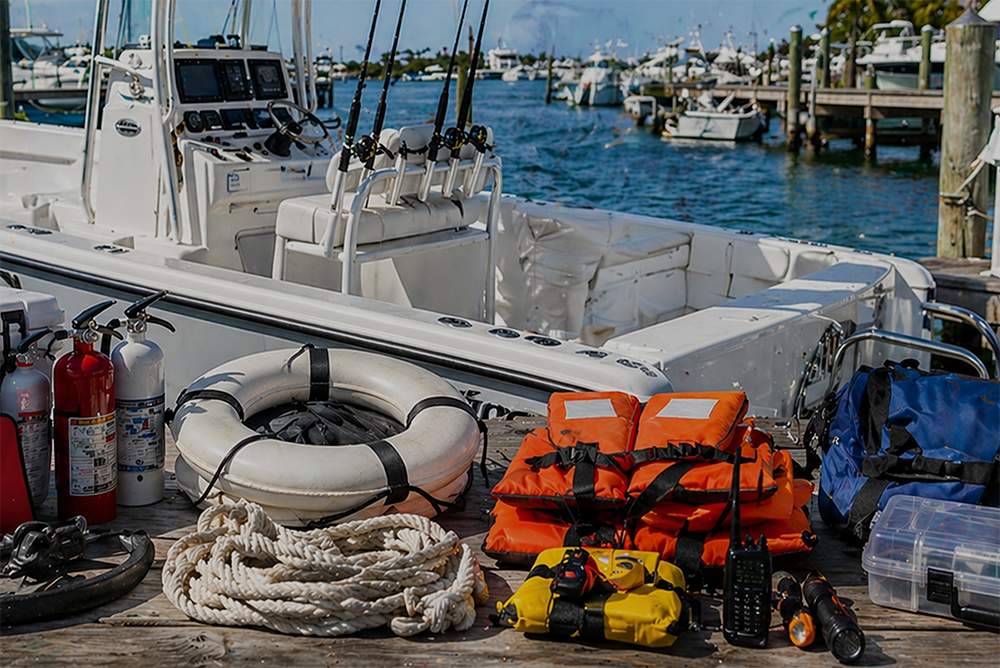

Discover why so many charter captains run out of money and how to plan every startup cost from your vessel purchase to guest-ready outfitting.

Learn how to build a charter business plan that covers pricing, expenses, and marketing so your captain’s license leads to lasting profit.

Transform how you talk about price with proven anchoring strategies and value-first framing that stops charter guests from shopping around.

Discover how charter captains use hybrid pricing models and seasonal adjustments to increase revenue and simplify bookings for every guest type.