

Meet Navi: Your 24/7 AI Instructor Inside the MLS Classroom
Unlock 24/7 access to Navi, an AI instructor trained on MLS course material, so you can ask questions, run practice quizzes, and nail your captain’s exam.


The OUPV/Six-Pack captain’s license requires U.S. citizenship or lawful permanent residence, a minimum age of 18, 360 days of documented sea service, a physical exam, a DOT 5-panel drug test, CPR/first aid certification, a Transportation Worker Identification Credential (TWIC) card, documentation of convictions (if applicable), and completion of a USCG-approved course. You submit the full package to the National Maritime Center (NMC) within one year of passing your exam.
The Operator of Uninspected Passenger Vessels (OUPV) captain’s license, commonly called the Six-Pack, is the most popular captain’s license the Coast Guard issues. It lets you carry up to six paying passengers plus one crew member on uninspected vessels, both power and sail, up to 100 gross tons. Fishing charters, dive boats, eco tours, sunset cruises: the OUPV is the credential behind all of them.
The requirements aren’t complicated, but each one has to be right. Miss a detail and your application sits at the NMC while you fix it. Here’s every box you need to check.

Every OUPV/Six-Pack applicant must meet the same baseline requirements, regardless of which route (Inland, Near Coastal, or Great Lakes) they’re applying for. The route determines your sea service details and your operating area, but the core checklist is the same.
|
Requirement |
Details |
|
Age |
At least 18 when you submit your application |
|
Citizenship |
U.S. citizen, or lawful permanent resident for OUPV on undocumented vessels only (per 46 CFR 10.221) |
|
Sea Service |
Minimum of 360 days total since age 16, with 90 days in the past seven years (per NMC checklist) |
|
Physical Exam |
Completed on CG-719K by a licensed physician, PA, or NP |
|
Drug Test |
DOT 5-panel urine test within six months of application (per NMC checklist) |
|
CPR/First Aid |
Current Adult CPR and Basic First Aid certification |
|
TWIC Card |
Transportation Worker Identification Credential, issued by the TSA |
|
Approved Course |
Completion of a USCG-approved OUPV/Six-Pack course and exam |
|
Application |
Complete USCG Original License Application Package, submitted to the NMC within one year |
OUPV stands for Operator of Uninspected Passenger Vessels. The nickname “Six-Pack” comes from the passenger limit: you can carry a maximum of six paying passengers at a time, plus crew. Uninspected vessels are boats that don’t require a full Coast Guard inspection (a Certificate of Inspection), which keeps the licensing process straightforward for smaller commercial operations.
Your sea service determines which OUPV route the Coast Guard puts on your license, and that route defines where you can legally operate with paying passengers. The total is always 360 days, but the breakdown differs.
|
OUPV Route |
Total Days |
Route-Specific Days |
Operating Area |
|
Inland |
360 |
None |
U.S. inland waterways (bays, sounds, rivers, lakes) |
|
Near Coastal |
360 |
90 days seaward of the Boundary Line |
Inland waters + up to 100 miles offshore |
|
Near Coastal With Great Lakes Endorsement |
360 |
90 days on the Great Lakes |
Inland waters + up to 100 miles offshore + Great Lakes |
If you don’t yet have 90 days on near coastal or ocean waters, apply for the Inland license first. You can upgrade your route later once you’ve accumulated the additional time. Our page on OUPV/Six-Pack requirements covers the details for each route. You document all sea service on Coast Guard Form CG-719S, the Small Vessel Sea Service Form.
Lawful permanent residents can qualify for an OUPV authorizing service on undocumented vessels only, per 46 CFR 10.221. The higher-level captain's license, the Master, requires U.S. citizenship. For more on this, see our article on citizenship requirements.
The captain’s license physical is completed on Coast Guard Form CG-719K by a licensed physician, physician’s assistant, or nurse practitioner. The form is 10 pages, and the most common mistakes are missing signatures, incomplete fields, and seeing an unqualified examiner. Our guide to medical requirements for the captain’s license physical covers what to expect and how to avoid delays.
The drug test is a DOT 5-panel urine test (a federal five-substance screen) that checks for marijuana, cocaine, amphetamines, opiates, and PCP. The results must be reviewed by a Medical Review Officer (MRO) and collected at a SAMHSA-certified lab.
Your test is valid for six months from the date of collection, per the NMC checklist, making it the tightest deadline in the entire application. Learn more about the captain’s license drug test.
If you have any prior convictions, use form CG-719C to disclose them.
The TWIC card is a background check and credential issued by the Transportation Security Administration (TSA). Start the enrollment process online, then finish in person at a TSA enrollment center. Processing takes several weeks, so start this step early.
The TWIC is required for your initial application. For renewal, you only need a current TWIC if you use your license in commercial circumstances that require access to secure maritime facilities.
If you don’t, you can apply for an exemption. Our blog post on TWIC card fees and eligibility explains the exemption process.
The final step is passing a USCG-approved OUPV/Six-Pack course and exam. At Mariners Learning System, the OUPV/Six-Pack course and exam costs $695, and the exam is included in that price with no surprise fees.
The exam is divided into four modules: Chart Plotting (10 questions, 90% passing score), Navigation General (50 questions, 70%), Deck General/Safety (50 questions, 70%), and Rules of the Road (50 questions, 90%). You have five business days to complete all modules, with 3.5 hours for each.
Our students test entirely online, any day, any time. For specifics on the exam, see our captain’s license study guide.
Upon passing, you receive a Certificate of Completion. Submit that certificate along with your completed application package to the NMC within one year. Once approved, your official captain’s license arrives by mail.
If your plans involve carrying seven or more paying passengers or operating an inspected vessel, you’ll need a Master license instead. Our guide to OUPV vs. Master licenses breaks down the differences. Many captains start with the OUPV and upgrade to Master later. The OUPV handles the majority of small-vessel commercial work, and about 80% of our students get the OUPV for personal knowledge and safety without immediate plans for commercial use.
The license is valid for five years. To renew, you need documented sea time (or a Deck License Renewal course), a current physical, and a passing drug test. Our renewal guide walks through the full process.
The OUPV/Six-Pack is both the most popular and most practical captain’s license for anyone who wants the option of commercial operation without committing to a full Master credential. It’s the credential behind fishing charters, sunset cruises, eco tours, and water taxis.
If you have questions about the OUPV/Six-Pack requirements or any other part of the application process, the team at Mariners Learning System is here to help. We’ve guided more than 200,000 students through this process, and we’re not going to let paperwork be the reason you don’t become a licensed captain.

This article is for informational purposes and does not constitute legal or regulatory advice. USCG requirements change. Confirm current requirements with the National Maritime Center before submitting your application. Reviewed for accuracy against current USCG guidance by the Mariners Learning System team.
Ask a question, share an experience, or add a helpful tip related to this article. Comments may appear after review to prevent spam.
Unlock 24/7 access to Navi, an AI instructor trained on MLS course material, so you can ask questions, run practice quizzes, and nail your captain’s exam.


Learn what questions to ask and how to prepare for a captain’s license drug test to ensure you avoid the most common application delays.
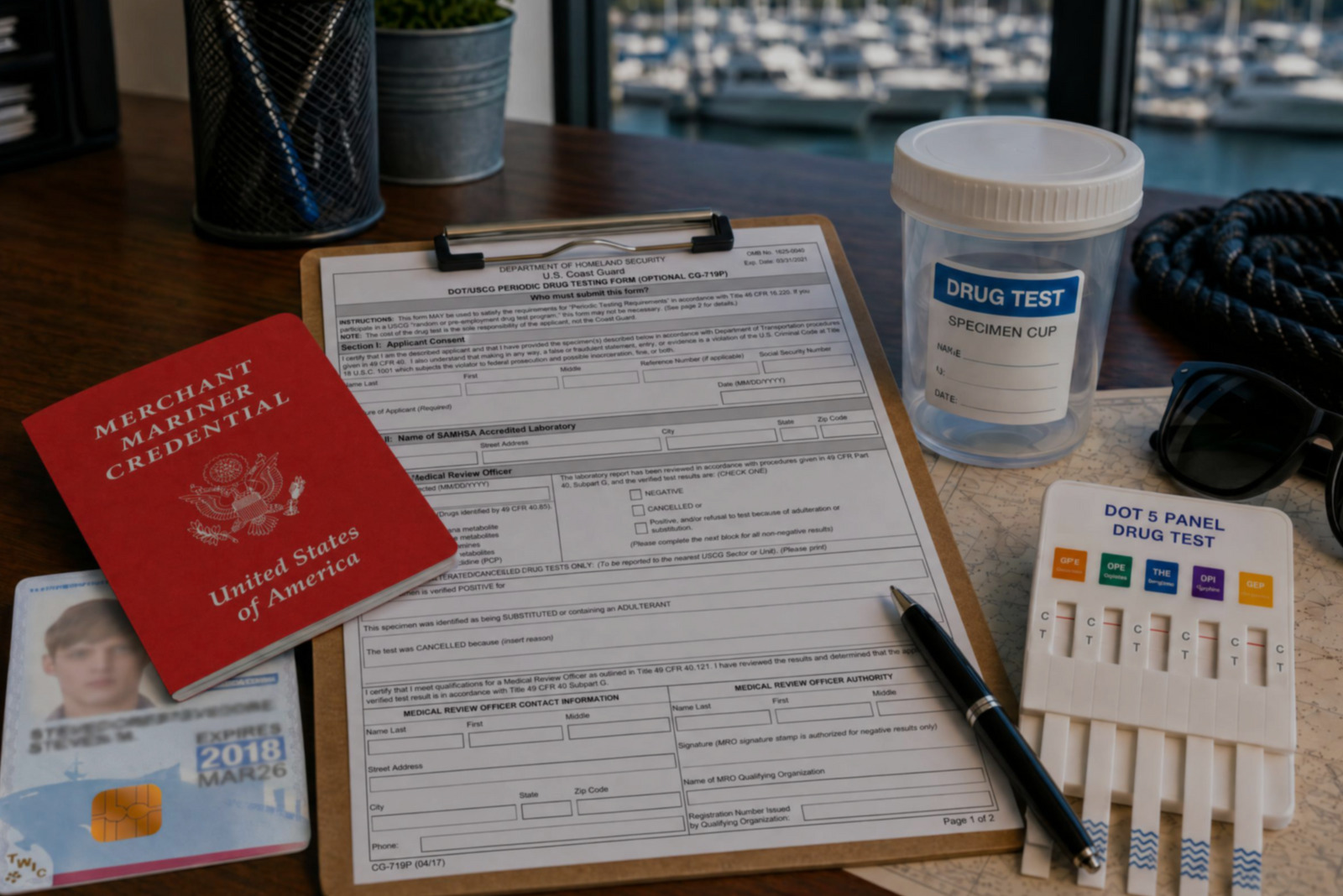

Discover the three types of drug tests working captains must submit to even after they’ve met the initial USCG drug testing requirements for their license.

Discover how a retired airline pilot became obsessed with the Great Loop and built a thriving captain training business through Mariners Learning System.
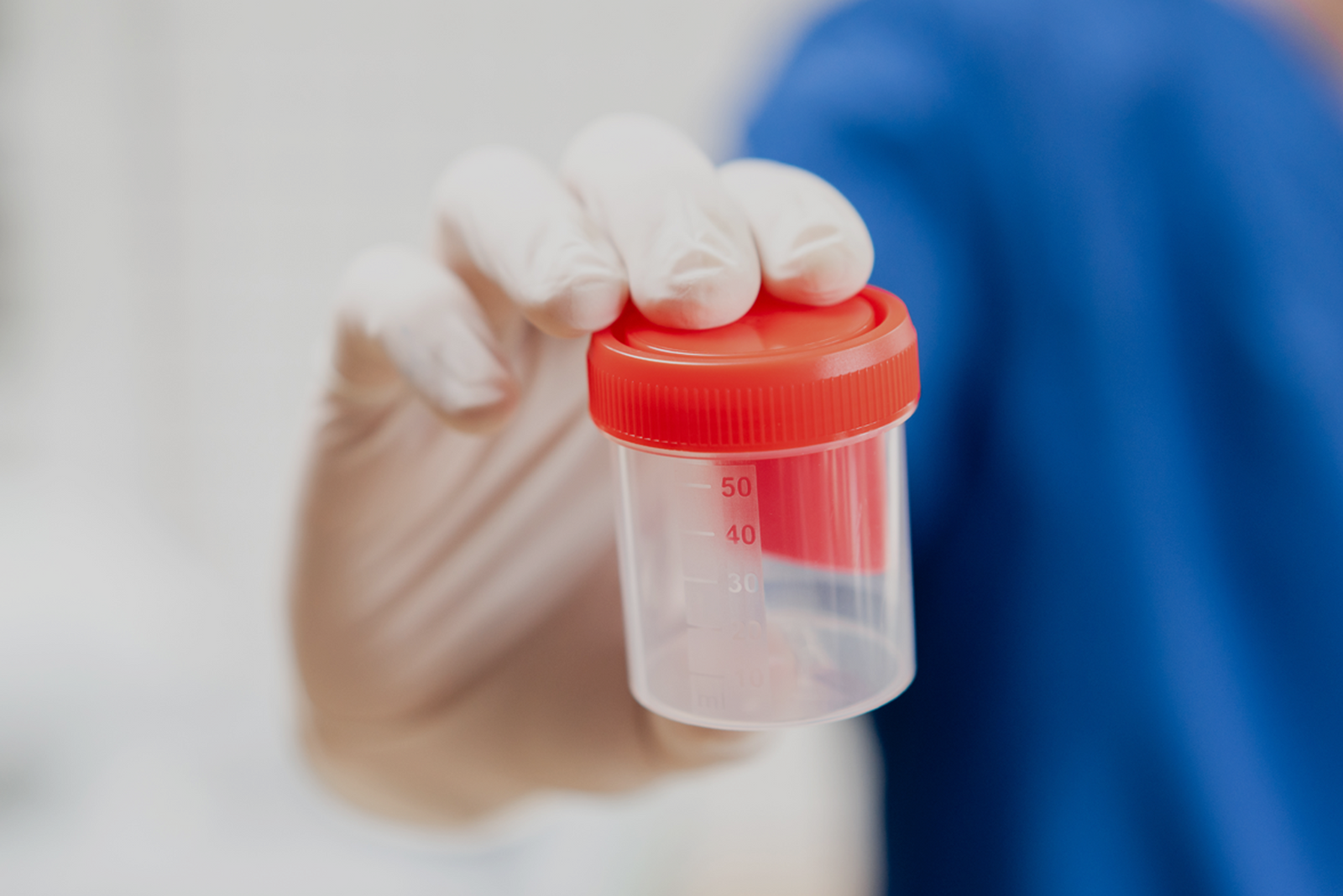

Learn which substances the MMC drug test looks for, plus how masking agents and false positives factor in.


Discover the five most common mistakes mariners make on the captain’s license physical, plus a checklist for how to avoid them.
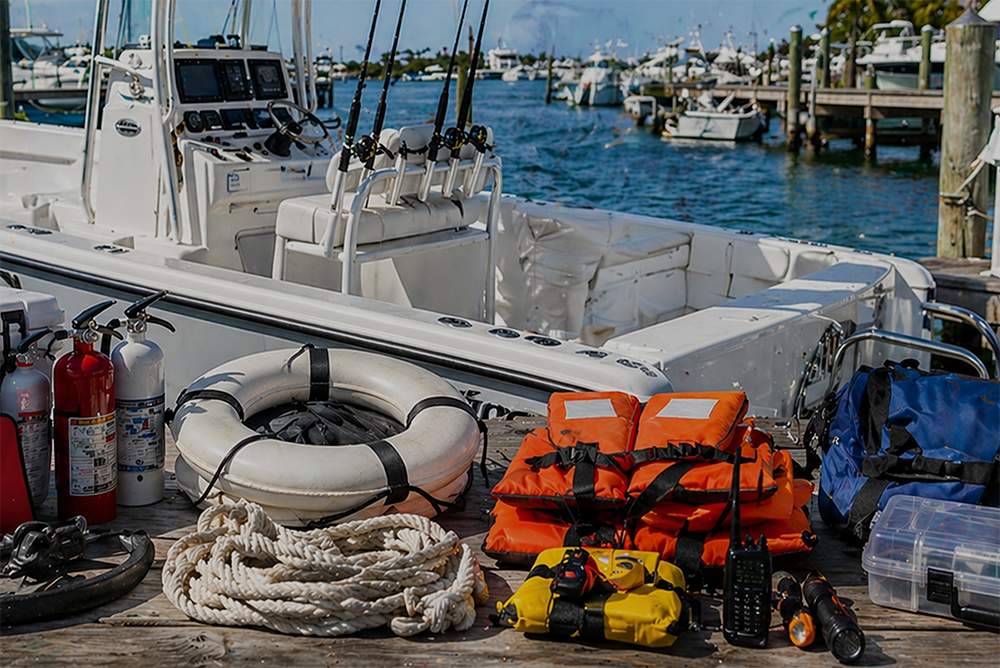

Discover why so many charter captains run out of money and how to plan every startup cost from your vessel purchase to guest-ready outfitting.

Learn how to build a charter business plan that covers pricing, expenses, and marketing so your captain’s license leads to lasting profit.

Transform how you talk about price with proven anchoring strategies and value-first framing that stops charter guests from shopping around.

Discover how charter captains use hybrid pricing models and seasonal adjustments to increase revenue and simplify bookings for every guest type.