

Meet Navi: Your 24/7 AI Instructor Inside the MLS Classroom
Unlock 24/7 access to Navi, an AI instructor trained on MLS course material, so you can ask questions, run practice quizzes, and nail your captain’s exam.
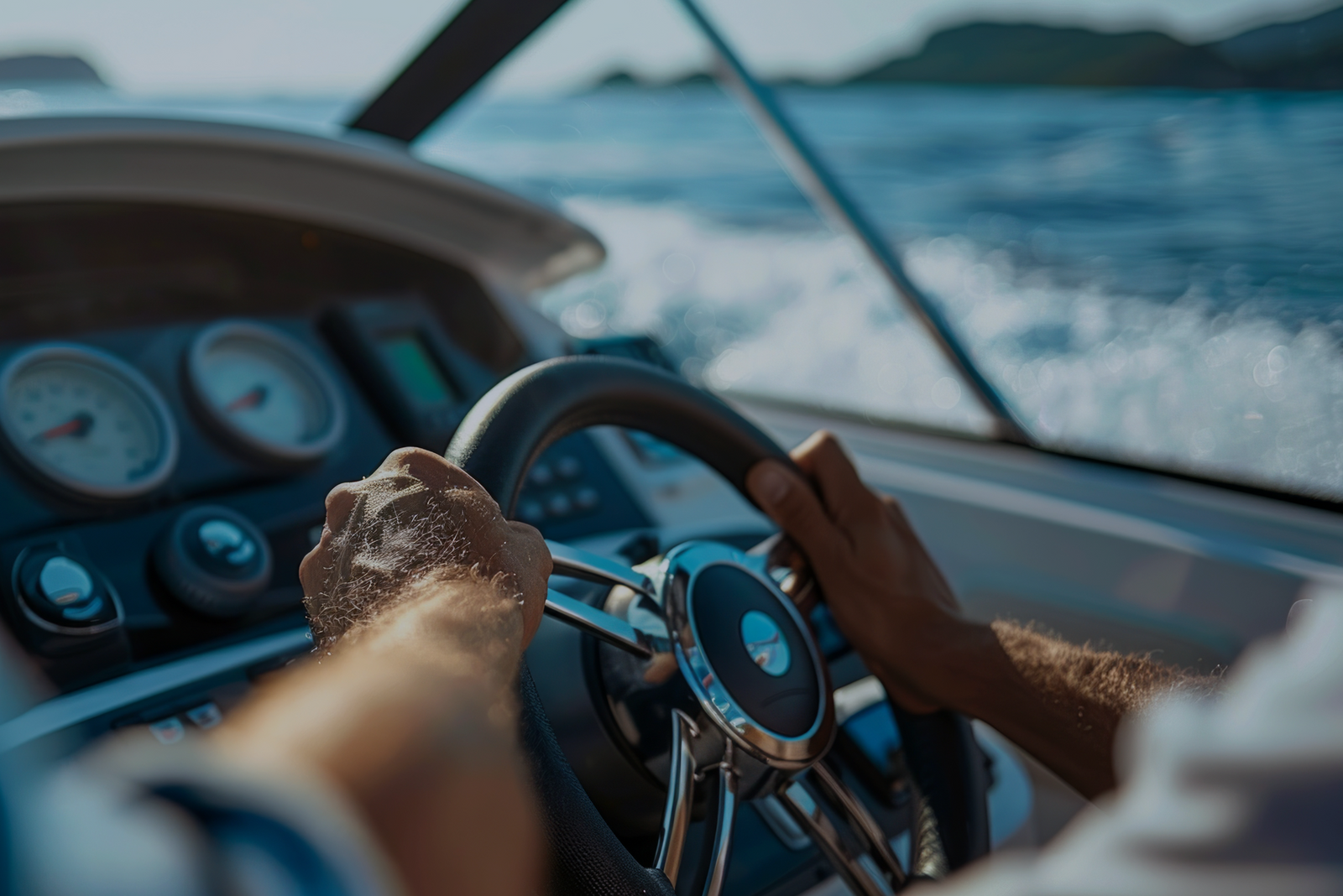

The two main types of USCG captain’s licenses are the OUPV/Six-Pack and the Master. The OUPV/Six-Pack covers up to six paying passengers on uninspected vessels under 100 gross tons. The Master covers inspected vessels and seven or more passengers, rated at 25, 50, or 100 tons. Most captains do best applying for the highest license they qualify for.
You’ve decided to get your captain’s license. Now you’re stuck on the first real fork in the road: which one? Picking the wrong license can cap what you’re allowed to do the day you finally hold the credential.
Pick the right one and every door you want stays open. We’ll walk you through both license types, what each one actually lets you do, and the simple rule we give every student who asks.
The U.S. Coast Guard (USCG) issues two captain’s licenses to the recreational and small-commercial mariners we serve: the Operator of Uninspected Passenger Vessels (OUPV), known as the Six-Pack, and the Master. The difference between these two captain’s license types comes down to two questions: how many paying passengers you carry, and whether your vessel is inspected. An OUPV/Six-Pack authorizes up to six paying passengers on uninspected vessels under 100 gross tons, both power and sail.
A Master license adds inspected vessels and seven or more paying passengers.
|
Feature |
OUPV/Six-Pack |
Master (25/50/100 Ton) |
|
Paying Passengers |
Up to six |
Seven or more |
|
Vessel Type |
Uninspected only |
Inspected and uninspected |
|
Vessel Size |
Under 100 gross tons |
Up to 25, 50, or 100 tons, set by your experience |
|
Common Uses |
Fishing charters, dive boats, small tours, recreation |
Ferries, large tour boats, water taxis, dive boats, schooners |
|
Minimum Age |
18 |
19 |
|
Course Price |
$695 |
$895 |
An “uninspected” vessel hasn’t gone through a formal USCG safety inspection. An “inspected” vessel has, and it carries a Certificate of Inspection (COI) that states how many passengers it can take and what license its captain needs. That single distinction drives almost every licensing decision below.

Your goal on the water tells you which license fits. The OUPV/Six-Pack captain’s license is the right type for most fishing guides, dive operators, and small tour or sunset cruises that carry six or fewer paying passengers. Step up to seven or more passengers, or to any inspected vessel, and the job calls for a Master.
Here’s the quick routing most students need:
A sailboat follows the same logic. Carry up to six paying passengers on an uninspected sailboat and the OUPV covers you, since it’s good for both power and sail. Run an inspected sailing vessel with seven or more passengers and you’ll need a Master with a Sailing Endorsement.
If you want to compare jobs to licenses in more detail, our guide on which license suits your goals breaks it down further.
Yes, if you take paying passengers. For a fishing guide carrying up to six passengers on an uninspected boat, the OUPV/Six-Pack is enough.
Six is the hard limit on an uninspected vessel. To carry seven or more, you’d need an inspected vessel certified for that many passengers and a Master to operate it.
Many guides apply for the Master from the start to keep larger jobs open, a point we cover in what you can do with a captain’s license.
Your license also carries a route, and the route depends on where you log your experience. A USCG captain’s license can be issued for inland waters, the Great Lakes, or near-coastal waters. Inland covers rivers, lakes, and intracoastal waters.
Near-coastal extends offshore to a 100-mile limit for an OUPV and to a 200-mile limit for a Master’s.
To earn the near-coastal route on an OUPV, part of your documented time has to come from ocean or near-coastal waters, otherwise the Coast Guard limits you to inland (per 46 CFR 11.467). The Great Lakes count as near-coastal for this purpose. If you’re not sure your time qualifies, our breakdown of how much sea time you need shows what counts toward each route.
Two endorsements extend what your captain’s license lets you do, and you add them on top of the OUPV or Master. The Towing and Sailing endorsements let a captain’s license type expand into assistance towing and commercial sailing work. Pick them based on the jobs you actually plan to take.
The Assistance Towing Endorsement lets an OUPV or Master holder assist vessels in distress for a fee: boats that are aground, disabled, out of fuel, or otherwise stranded. The Auxiliary Sailing Endorsement lets a Master operate inspected sailing vessels carrying seven or more passengers. Note one limit we get asked about a lot: we only train captains who carry passengers, so tugboat work falls outside our courses.
For a true tugboat credential, call the National Maritime Center (NMC) at (888) 427-5662.
Our standard advice is simple: apply for the highest license you qualify for. The smartest way to choose a captain’s license type is to look past today’s plan and pick the credential that won’t box you in later. Most of our students are recreational boaters who pick the OUPV to sharpen their skills, and that’s a great fit for them.
About one in five intends to work commercially, and those captains usually go straight for the Master.
The reason is practical. A Master costs a bit more and asks for more documented time, but it covers all an OUPV does and then some. Going higher now means you don’t repeat the application process when your goals grow.
If you want a side-by-side of the requirements, see our Master license requirements guide.
An OUPV authorizing service on vessels not documented under U.S. law is available to lawful permanent residents, per 46 CFR 11.201(d). The Tow can be attached to the OUPV, so the Tow doesn’t require citizenship. A Master always requires citizenship.
Our blog post about becoming a licensed captain covers the rest of the eligibility basics.
You’re not locked in. If you start with an OUPV/Six-Pack captain’s license and later need the next license type, you can upgrade to a Master without starting over. The OUPV/Six-Pack Upgrade to Master course bridges the gap once you’ve documented the experience a Master requires.
That said, the upgrade is a second course and a second application. Captains who already know they want commercial work often save time and money by testing for the Master from the start. If you expect your plans to grow, weigh that now.
Our piece on making money with a captain’s license can help you think through where you’re headed.
You need a USCG-approved captain’s license to run a commercial tour boat. For small tours of up to six paying passengers on an uninspected boat, the OUPV/Six-Pack is enough. For inspected boats or seven or more passengers, you’ll need a Master.
Many captains break in by working as a mate first, as we explain in what size boat requires a license.
No course we offer covers cruise ships. A typical cruise ship runs from 20,000 to well over 200,000 gross tons, far beyond the 100-ton Master we issue. Vessels that size call for higher-tonnage credentials and added training.
For vessels beyond 100 tons, confirm the path with the USCG. For licenses we do offer, start with the different license types available.
That depends on whether your vessel is inspected. An uninspected vessel run commercially with an OUPV is limited to six paying passengers. An inspected vessel carries a Certificate of Inspection (COI) that states its passenger limit and the license level its captain needs.
Our one-minute OUPV/Six-Pack guide sums up the six-passenger rule.
The license you pick today sets the ceiling on what you’re allowed to do tomorrow. Choose your captain’s license type around where you want to be in five years, rather than where you are now, and the OUPV-to-Master path stays open either way. Match the license to your goal: OUPV for six passengers and personal growth, Master for inspected vessels and bigger commercial work.
Still weighing it? That’s normal, and you don’t have to sort it out alone. From recreational boating to commercial charters, we detail everything you need to know to keep you, your boat, and your passengers safe on the water.
To learn more about safe marine operation of all kinds, find a course that’s right for you with Mariners Learning System. You can also start by choosing a license type.

Ask a question, share an experience, or add a helpful tip related to this article. Comments may appear after review to prevent spam.
Unlock 24/7 access to Navi, an AI instructor trained on MLS course material, so you can ask questions, run practice quizzes, and nail your captain’s exam.


Learn what questions to ask and how to prepare for a captain’s license drug test to ensure you avoid the most common application delays.
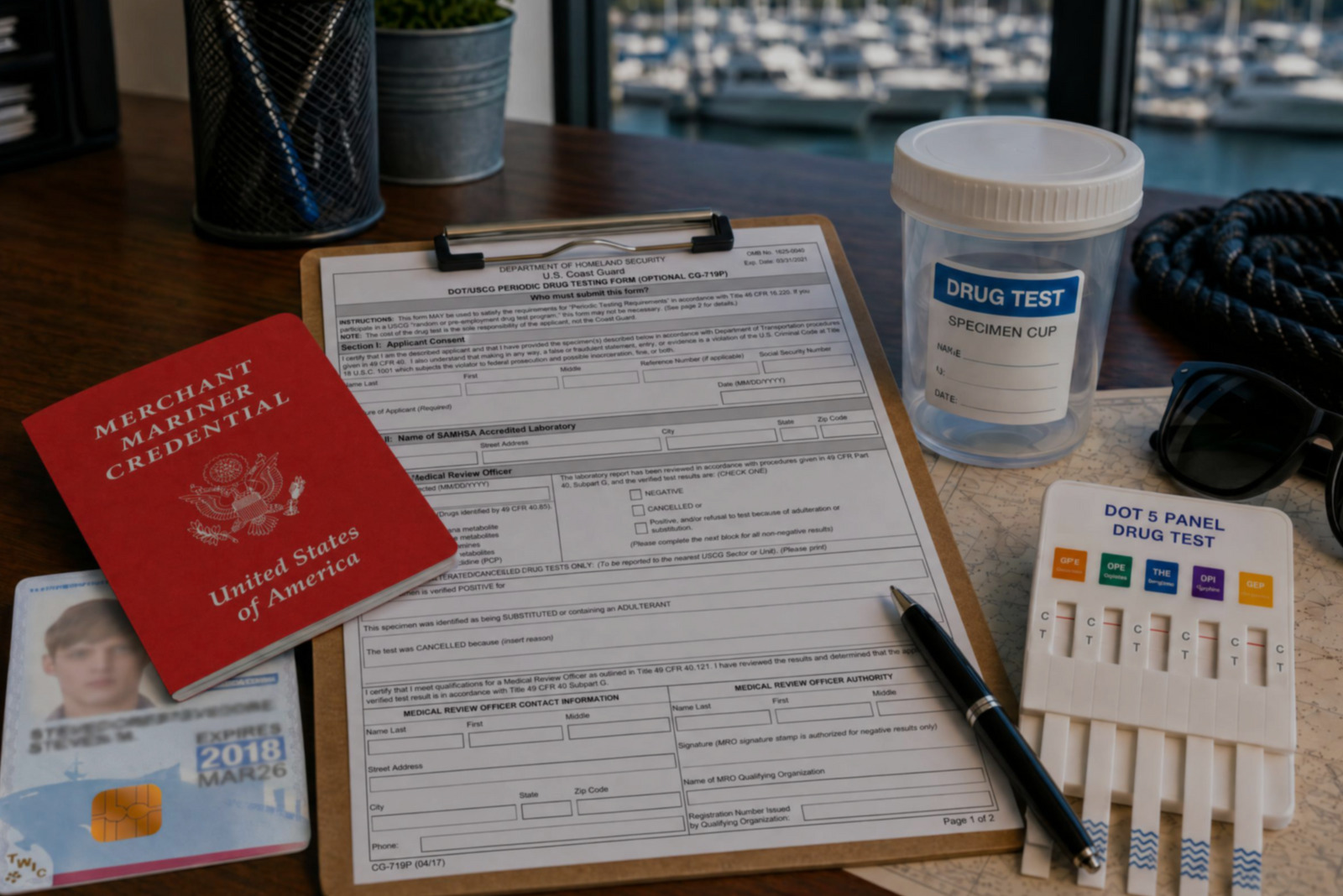

Discover the three types of drug tests working captains must submit to even after they’ve met the initial USCG drug testing requirements for their license.
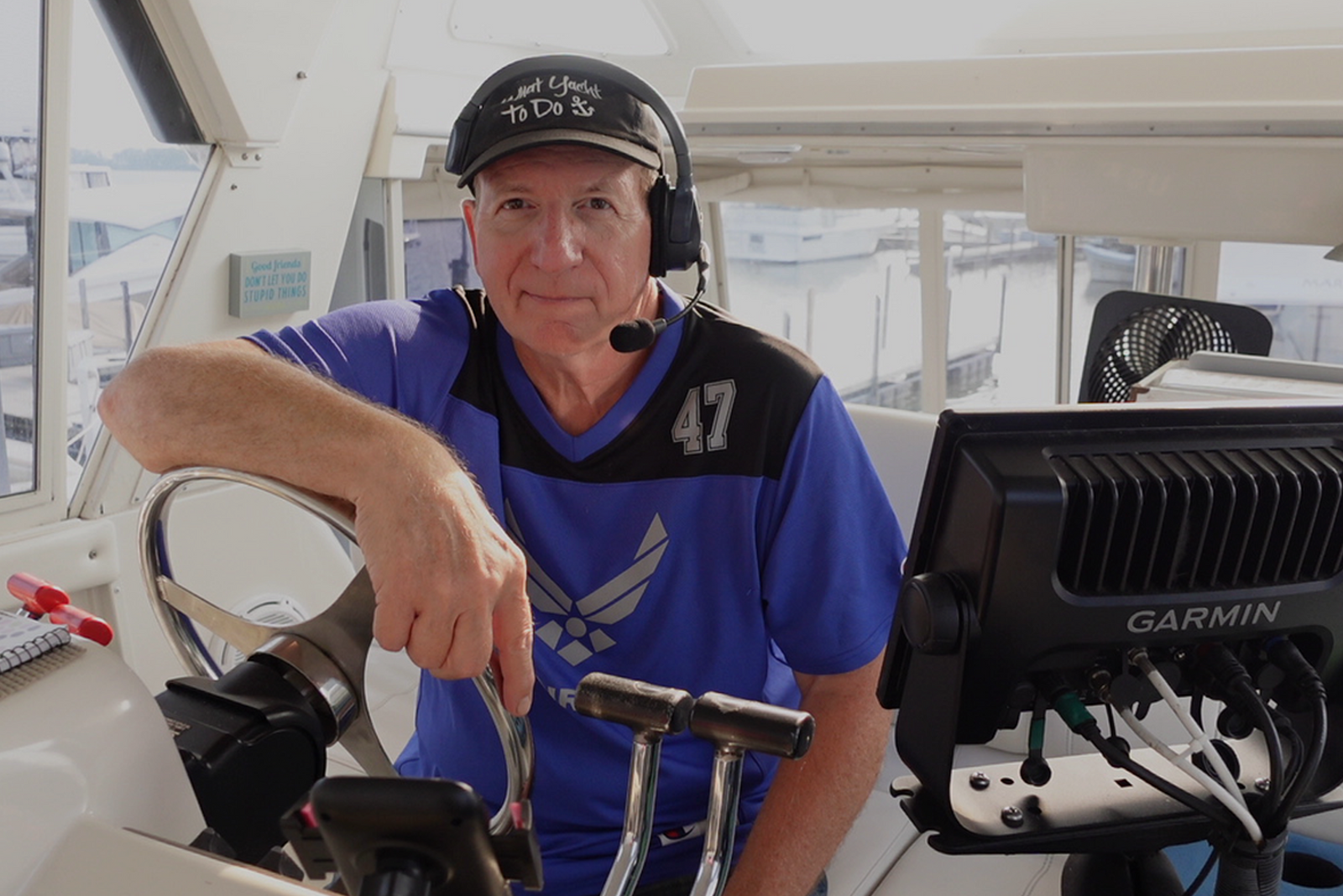

Discover how a retired airline pilot became obsessed with the Great Loop and built a thriving captain training business through Mariners Learning System.


Learn which substances the MMC drug test looks for, plus how masking agents and false positives factor in.


Discover the five most common mistakes mariners make on the captain’s license physical, plus a checklist for how to avoid them.
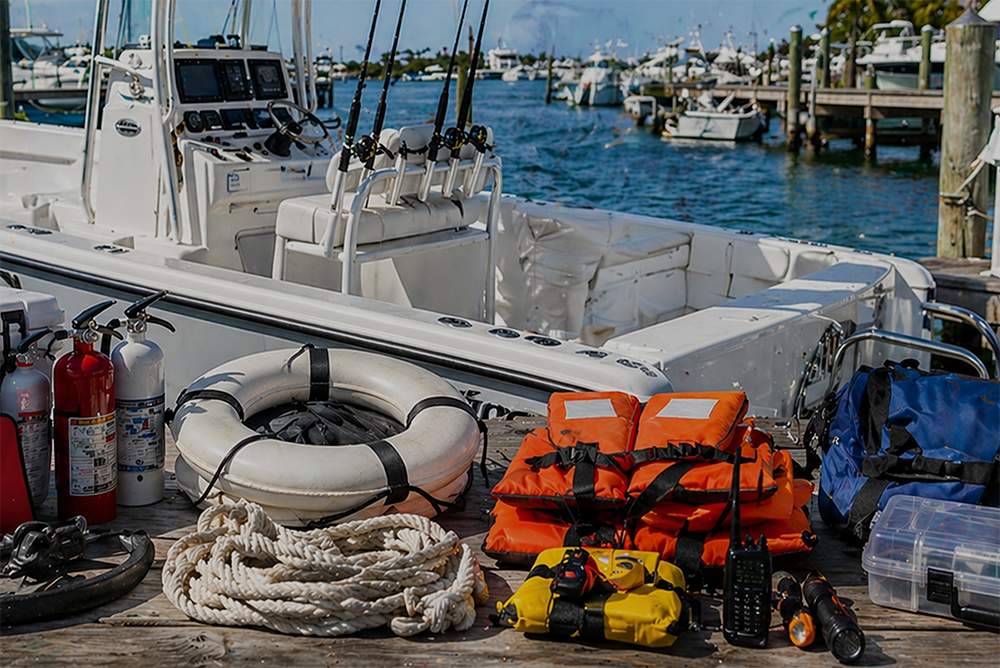

Discover why so many charter captains run out of money and how to plan every startup cost from your vessel purchase to guest-ready outfitting.

Learn how to build a charter business plan that covers pricing, expenses, and marketing so your captain’s license leads to lasting profit.

Transform how you talk about price with proven anchoring strategies and value-first framing that stops charter guests from shopping around.

Discover how charter captains use hybrid pricing models and seasonal adjustments to increase revenue and simplify bookings for every guest type.