

Meet Navi: Your 24/7 AI Instructor Inside the MLS Classroom
Unlock 24/7 access to Navi, an AI instructor trained on MLS course material, so you can ask questions, run practice quizzes, and nail your captain’s exam.
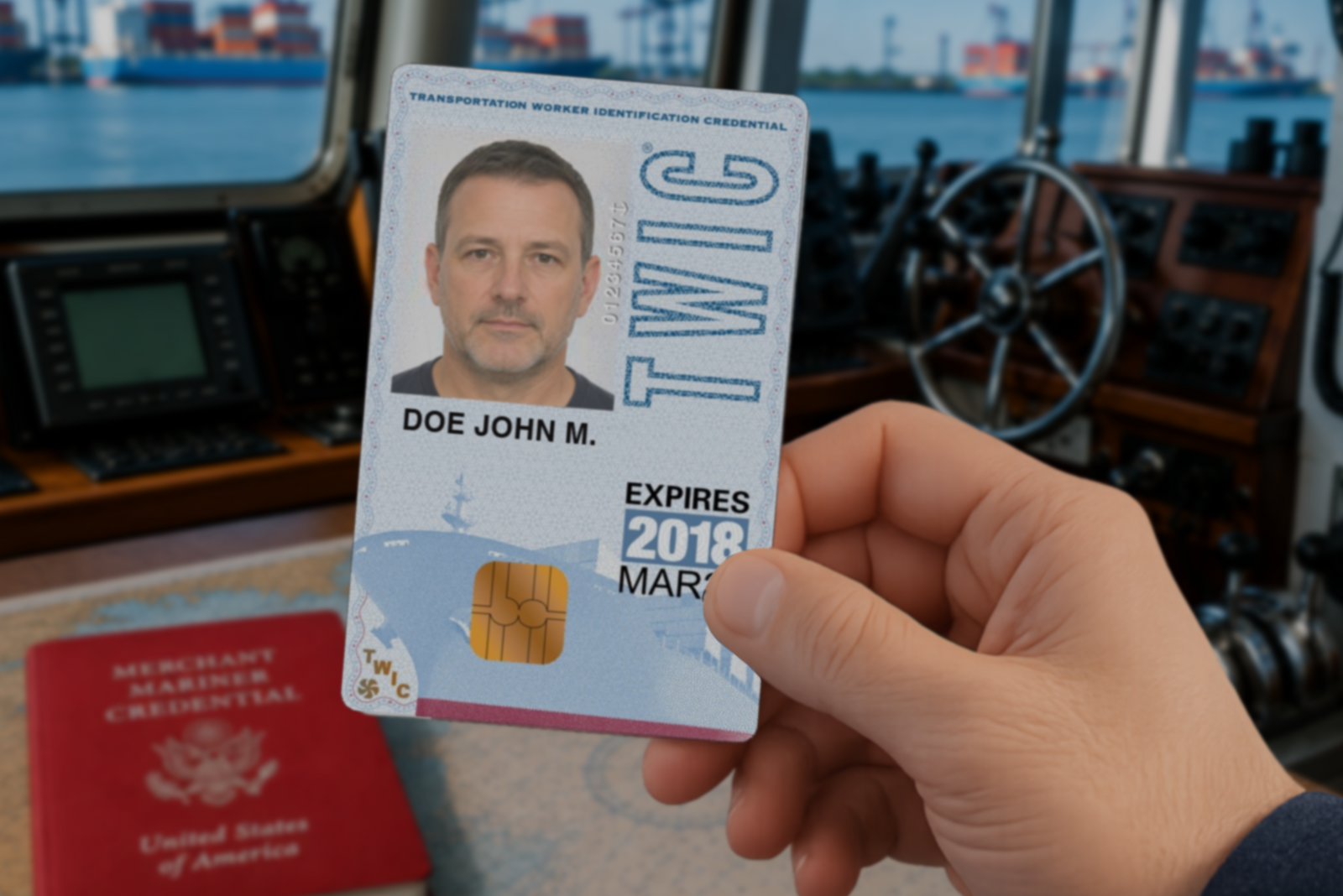

A TWIC card (Transportation Worker Identification Credential) is a biometric security credential issued by the Transportation Security Administration (TSA). All mariners applying for a U.S. Coast Guard (USCG) captain’s license need one. The card costs $124 for new applicants, is valid for five years, and requires an in-person enrollment with fingerprinting.
Every captain’s license applicant I work with needs a TWIC card. Whether you’re going for your OUPV/Six-Pack or your Master license, the National Maritime Center (NMC) won’t process your original application without proof that you either hold a TWIC or have applied for one. It’s one of the first boxes to check, and getting it done early prevents bottlenecks later in the process.
Here’s everything you need to know.
The TWIC program was created under the Maritime Transportation Security Act (MTSA). A TWIC is a tamper-resistant card containing biometric data (specifically a fingerprint template) that links the card to the person carrying it. It grants unescorted access to secure areas of the nation’s maritime facilities and vessels. Every mariner holding or applying for a USCG-issued credential, including OUPV/Six-Pack and 25/50/100-Ton Master captain’s licenses, needs a TWIC card as part of the application package.
The TSA conducts a background check, also called a security threat assessment, to determine whether you’re eligible.
Beyond captain’s license applicants, the TWIC requirement applies to longshoremen, port workers, truck drivers accessing secure maritime facilities, and anyone else who needs unescorted access to regulated areas.
Not always. For deck license renewals, you can submit a copy of an expired TWIC or a TWIC exemption memo if the type of work you’re doing doesn’t require active unescorted access. For original applications, you must have a current TWIC or a receipt showing you’ve applied.
The application process involves online pre-enrollment, an in-person visit to a TSA enrollment center, and a background check. The TSA recommends starting at least 60 days before you need the card, since processing times for some applicants can exceed 45 days.

When enrolling, list your occupation as “Merchant Mariner” so the NMC can conduct a safety and suitability evaluation alongside your captain’s license application.
You’ll need a government-issued photo ID (driver’s license or passport) plus a document proving citizenship or legal status (birth certificate, naturalization certificate, or permanent resident card). A valid U.S. passport works on its own. The TSA maintains a full list of accepted documents on their enrollment site.
The card is valid for five years from the date of issue. A new TWIC card costs $124 for most applicants, as of January 2025. If you hold a valid commercial driver’s license with a hazardous materials endorsement (HME) or a Free and Secure Trade (FAST) card, the reduced rate is $91.75. Replacement cards for lost, stolen, or damaged TWICs cost $60.
|
Fee Type |
Cost |
Notes |
|
New Applicant |
$124.00 |
Standard rate for first-time applicants |
|
Reduced Rate (HME or FAST) |
$91.75 |
Must present valid HME or FAST card |
|
Replacement Card |
$60.00 |
Lost, stolen, or damaged |
|
Online Renewal (U.S. Citizens) |
$116.00 |
Available to U.S. citizens, nationals, and lawful permanent residents |
|
In-Person Renewal |
$124.00 |
Required for applicants needing updated biometric data |
All fees are non-refundable, even if the TSA denies your application after the background check. Pay by debit card, credit card, certified check, or money order at the enrollment center.
Yes. Online renewal is available to U.S. citizens, nationals, and lawful permanent residents at tsaenrollmentbyidemia.tsa.dhs.gov. You can renew as early as one year before expiration and up to one year after. If you miss that one-year window after expiration, TSA treats you as a new applicant, and you’ll go through the full enrollment process again.
The TSA divides disqualifications into permanent and temporary categories. Permanent disqualifications cover terrorism-related and other serious offenses. Temporary disqualifications cover a broader range of offenses with specific waiting periods that vary by crime.
An incomplete or false application results in denial, and lying on your application can lead to permanent disqualification. If you have a criminal record, check the TSA’s eligibility guidelines before applying. The TSA reviews each case individually, and many past offenses have waiting periods after which you become eligible again.
If denied, you’ll receive written notification from the TSA explaining the decision. You have the right to request a review and can request a hearing to contest the denial. If you have conviction-related concerns, you may want to review Form CG-719C requirements in parallel, since your captain’s license application asks similar questions.
It depends on the offense and how long ago it occurred. Some felonies permanently disqualify applicants. Others carry waiting periods that vary by offense type. The TSA conducts FBI criminal history reviews, immigration verification, and terrorist screening database checks. Honesty on your application is critical.
Provide your TWIC information in Section III: Safety and Suitability of the Merchant Mariner Credential application in Navita™. Answer whether you hold a TWIC or qualify for an exemption, then upload the documentation requested in your Application Requirements checklist. The NMC will use your TWIC photo for your Merchant Mariner Credential (MMC).
The TWIC is one piece of a larger application that also includes your physical exam (CG-719K), drug test (CG-719P), sea service forms (CG-719S), CPR and first-aid certification, application fees, course completion certificate, and the application itself (CG-719B). Get your TWIC early in the process so it doesn’t become the item that holds up your entire application timeline.
Processing times vary and depend on the complexity of your background check. The TSA recommends applying at least 60 days before you need the card. TSA notes that processing times for some applicants may exceed 45 days, so don’t wait.
Yes. Lawful permanent residents, naturalized citizens, nonimmigrant aliens, asylees, and refugees in lawful status can all apply. Non-citizens need to bring additional documentation verifying their immigration status to the enrollment appointment.
Visit the TSA enrollment center locator and enter your zip code. Enrollment centers accept walk-ins, but appointments get priority.
The TWIC card is one of the easiest requirements to take care of early and one of the most common reasons applications stall when you leave it to the last minute. Apply as soon as you start your captain’s license course, and you’ll have it in hand before you need to submit your packet.
If you have questions about the TWIC card or any other part of the application process, the team at Mariners Learning System is here to help. We’ve guided more than 200,000 students through this process, and we’re not going to let paperwork be the reason you don’t get your license.

This article provides general guidance about the TWIC card and its role in the captain’s license application. TSA fees, eligibility rules, processing times, and Coast Guard submission procedures can change. This article reflects current guidance as of September 2026. Confirm current information with TSA and the National Maritime Center before applying.
Ask a question, share an experience, or add a helpful tip related to this article. Comments may appear after review to prevent spam.
Unlock 24/7 access to Navi, an AI instructor trained on MLS course material, so you can ask questions, run practice quizzes, and nail your captain’s exam.


Learn what questions to ask and how to prepare for a captain’s license drug test to ensure you avoid the most common application delays.
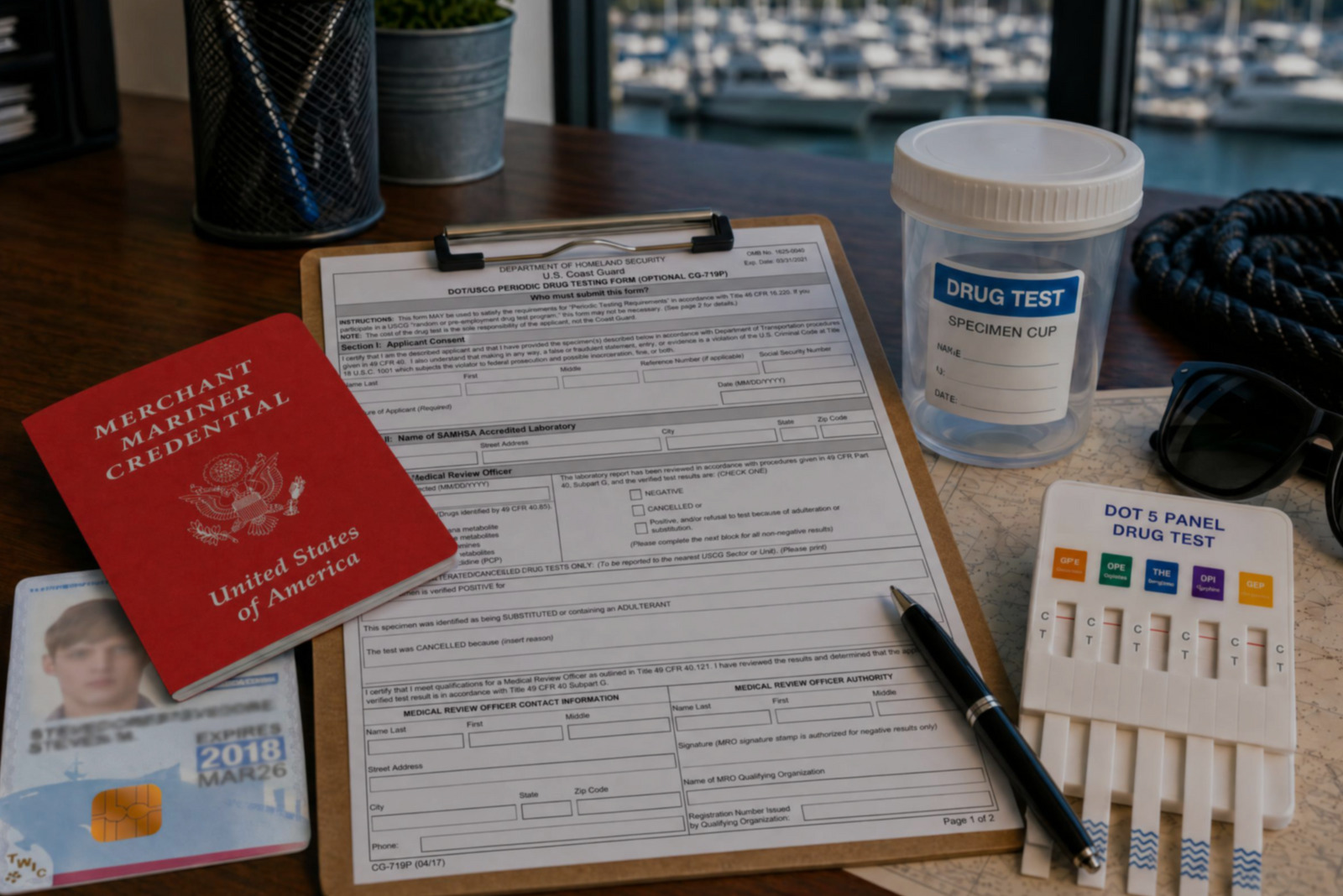

Discover the three types of drug tests working captains must submit to even after they’ve met the initial USCG drug testing requirements for their license.

Discover how a retired airline pilot became obsessed with the Great Loop and built a thriving captain training business through Mariners Learning System.


Learn which substances the MMC drug test looks for, plus how masking agents and false positives factor in.


Discover the five most common mistakes mariners make on the captain’s license physical, plus a checklist for how to avoid them.
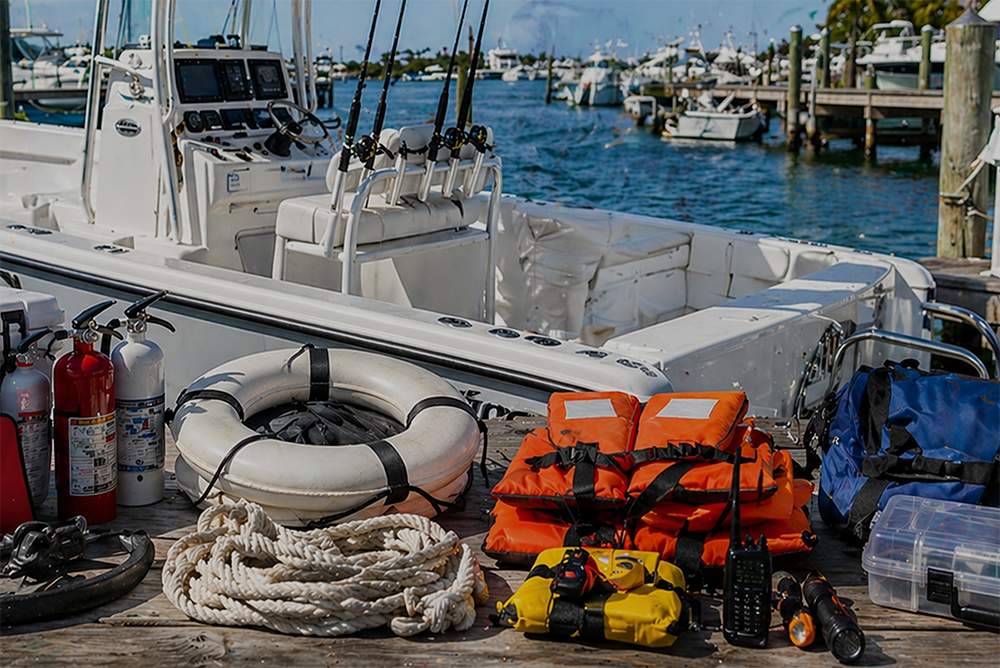

Discover why so many charter captains run out of money and how to plan every startup cost from your vessel purchase to guest-ready outfitting.
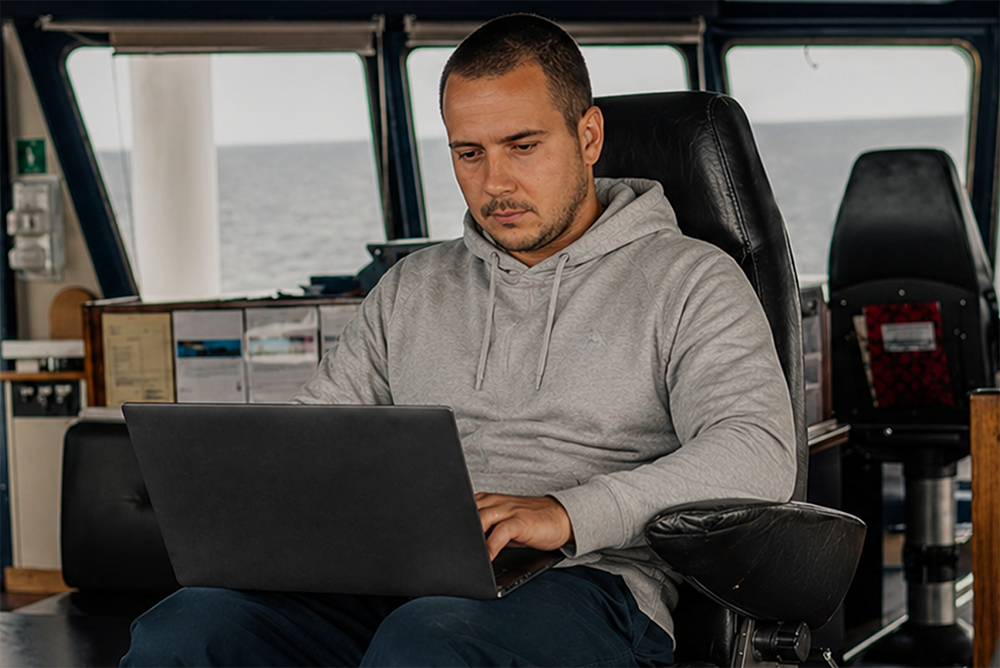

Learn how to build a charter business plan that covers pricing, expenses, and marketing so your captain’s license leads to lasting profit.


Transform how you talk about price with proven anchoring strategies and value-first framing that stops charter guests from shopping around.


Discover how charter captains use hybrid pricing models and seasonal adjustments to increase revenue and simplify bookings for every guest type.